Patients with late-stage lung and skin cancer may have just won an unlikely ally: the COVID-19 mRNA vaccine. Researchers at the University of Florida and the University of Texas MD Anderson Cancer Center discovered that people who received a COVID mRNA vaccine within 100 days of starting immunotherapy drug lived significantly longer than people who did not. The difference wasn’t small—it was dramatic.
Findings in more than 1,000 patients indicated that patients vaccinated in that period nearly doubled their survival rate in some cases. While early, the results point to a cancer treatment breakthrough. If sustained in bigger and possibly future clinical trials, the approach has the potential to develop a universal cancer vaccine that would immunize the immune system to kill tumors more effectively.
The research is based on over a decade of research into how messenger RNA—molecules that transmit genetic codes for building proteins—can be used to activate the immune system. Dr. Elias Sayour, a UF Health pediatric oncologist and Stop Children’s Cancer/Bonnie R. Freeman Professor for Pediatric Oncology Research, has spent years developing mRNA-based cancer vaccines that “wake up” immune cells to fight tumors.
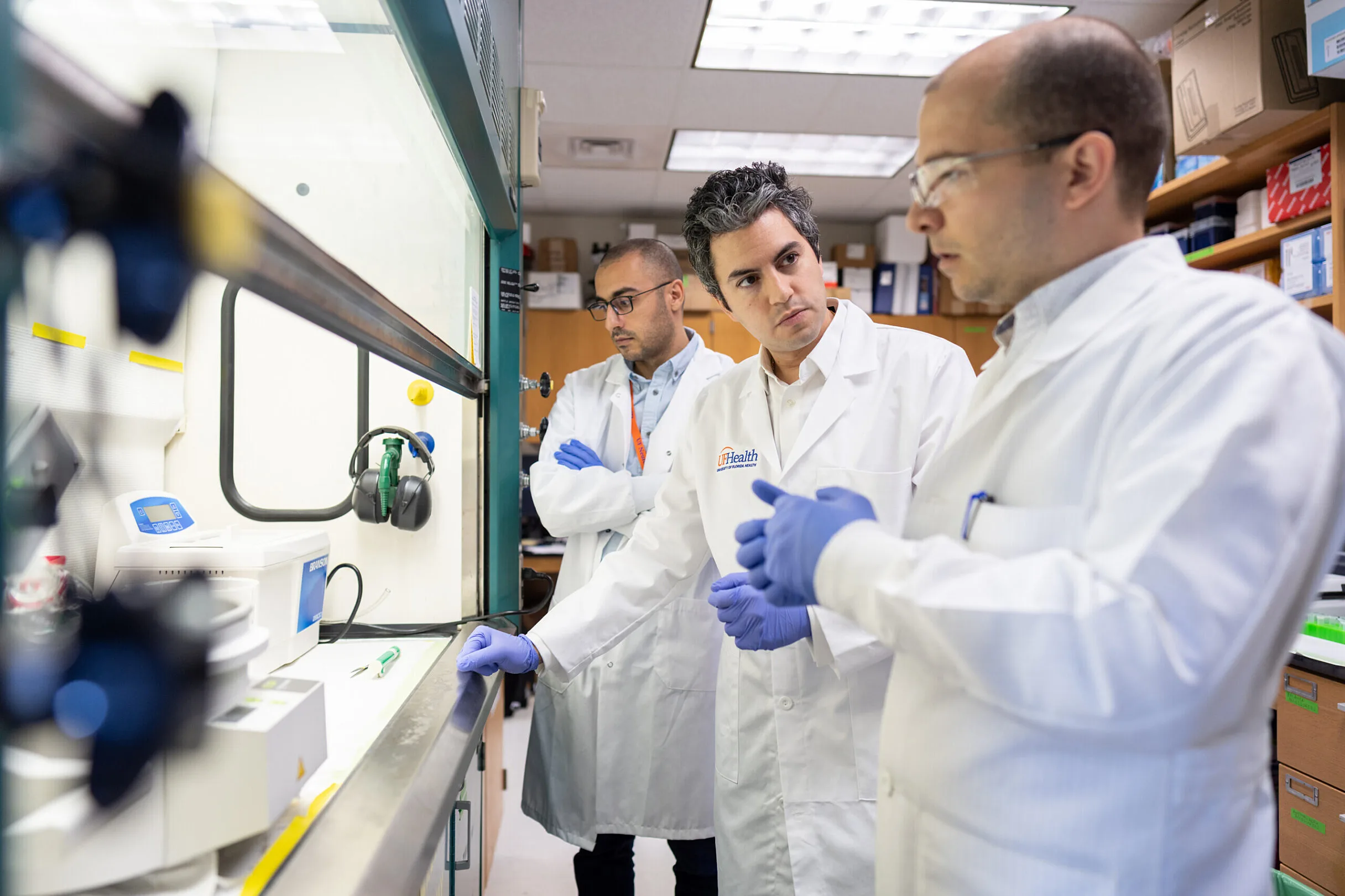
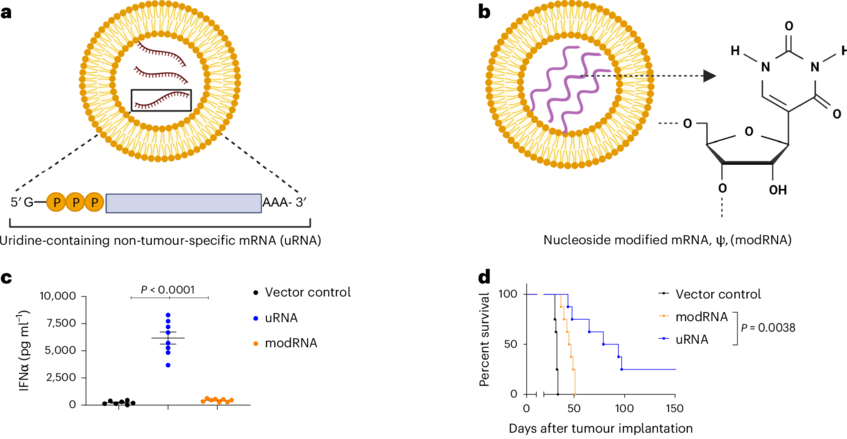
The notion for this research came to Sayour’s team when they realized they didn’t necessarily need to attack a specific cancer protein. Instead, by merely unleashing the immune system to battle as though it were fighting a virus, they could trigger strong antitumor effects. That epiphany set them up to explore whether a recognized mRNA vaccine—the COVID vaccine—could also trigger similar immune-stimulating effects in cancer patients.
“Would the COVID-19 mRNA vaccine act like the nonspecific vaccine?” pondered Dr. Adam Grippin, who graduated through UF’s Preston A. Wells Center for Brain Tumor Therapy training program and now works for MD Anderson. That inquiry spawned the research that holds the promise to transform cancer treatment.
Researchers analyzed data from 2019 to 2023 on patients who were treated at MD Anderson. They found that vaccinated patients with stage 3 and beyond lung cancer survived 37.3 months compared to 20.6 months for unvaccinated patients. For metastatic melanoma patients, survival improved from 26.7 months to as much as 40 months.
The most dramatic benefits were observed in the patients whose tumors were expected to resist immune-based therapy. The recipients of other types of vaccines, including pneumonia or flu vaccines, did not experience the same effect, suggesting that the phenomenon was specific to mRNA-based vaccines.
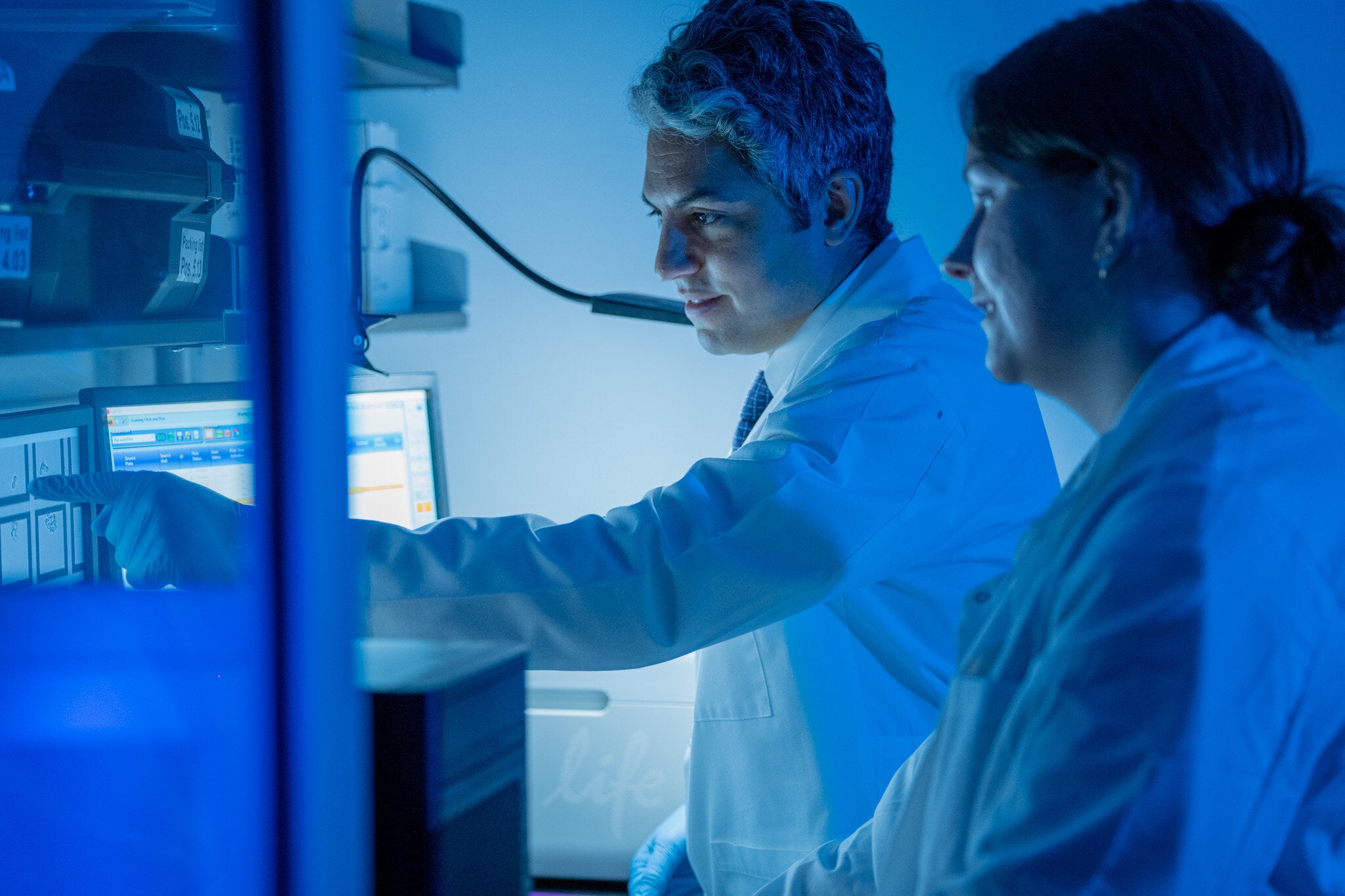
To confirm the results, UF scientists turned to animal tests. By combining immunotherapy drugs with a COVID mRNA vaccine in mice, even tumors that had resisted them in the past began to shrink. “When you give an mRNA vaccine, it releases a flare signal,” Sayour said. “It translocates immune cells from bad places such as the tumor to good places such as the lymph nodes.”
The findings were revealed at the 2025 Congress of the European Society for Medical Oncology in Berlin, creating excitement across the cancer community. Duane Mitchell, director of UF Clinical and Translational Science Institute, described the findings as “the kind of treatment benefit that we aim for and wish to see—but seldom do.”
Jeff Coller, a Johns Hopkins mRNA researcher outside of the study, indicated that the findings show “how powerful mRNA medicines really are and that they’re revolutionizing our cancer therapy.”
The study represents a significant shift in scientists’ understanding of mRNA’s potential beyond infectious disease. The identical lipid nanoparticles and mRNA technology that made COVID vaccines develop so rapidly could now speed cancer’s defeat.
While the results are compelling, the scientists point out that the study was observational and not yet shown to be cause-and-effect. The next step will be a randomized clinical trial, already in the works through the UF-led OneFlorida+ Clinical Research Network, a network of health centers and hospitals in several states.
Betsy Shenkman, consortium leader, said that the desire is to bring discovery “from the academic settings out into the real world and where patients get treated.” If the vaccine-immunotherapy combination continues to pan out, it could be tested in several forms of cancer in the near future.
Sayour believes the research could lead to a universal, “off-the-shelf” mRNA vaccine that boosts immune responses in cancer patients, regardless of their tumor type. “If this can double what we’re achieving currently, or even incrementally—5%, 10%—that means a lot to those patients,” he said.
The work was funded by the National Cancer Institute and foundations. Sayour, Grippin and Mitchell are listed as inventors of patents related to UF-developed mRNA vaccines licensed to iOncologi Inc., a university spinout company.
If it holds up in clinical trials, this discovery could fundamentally change the way cancer is treated everywhere. By linking mRNA vaccines to existing immunotherapies, doctors might be able to strengthen their patients’ immune defenses without having to use tumor-specific medications. For some with few other alternatives, it might mean adding months—or even years—to their lives.
Beyond oncology, the study shows how mRNA technology, pioneered during the COVID pandemic, continues to unlock new possibilities in medicine. It shows how vaccines that education the immune system against one enemy may inadvertently help it fight others.
For humanity, that implies that what is learned during a worldwide health crisis may go on to save lives in ways unforeseen.
Original research findings are available online in the journal Nature Biomedical Engineering.
Like these kind of feel good stories? Get The Brighter Side of News’ newsletter.
The post mRNA COVID vaccines help fight cancers and extend patient life appeared first on The Brighter Side of News.

