Interest in Bigfoot has grown across North America, and many who chase this mystery rely on more than hunches. They use scientific tools, patient fieldwork and a shared sense of purpose as they try to confirm the presence of a creature that has never been verified by established science. The hunt has become a world of its own, full of people who spend long hours outdoors and treat each fragment of possible evidence with real care.
Cardiff University sociologist Jamie Lewis spent three years listening to more than 150 Bigfoot enthusiasts, known in the community as Bigfooters. His conversations ranged from everyday hobbyists to well known figures such as Dr. Jane Goodall, Jeff Meldrum, Todd Disotell and outdoor survival expert Les Stroud. He also spoke with cast members from shows like Finding Bigfoot and Expedition Bigfoot, along with Peter Byrne, who joined Yeti and Bigfoot expeditions in the mid twentieth century.
Lewis found a community that is not only passionate but methodical. Many interviewees described weekends and vacations spent in dense forests, hoping to spot the massive, ape like figure often described as standing up to 10 feet tall with a broad chest, long arms and heavy dark hair.
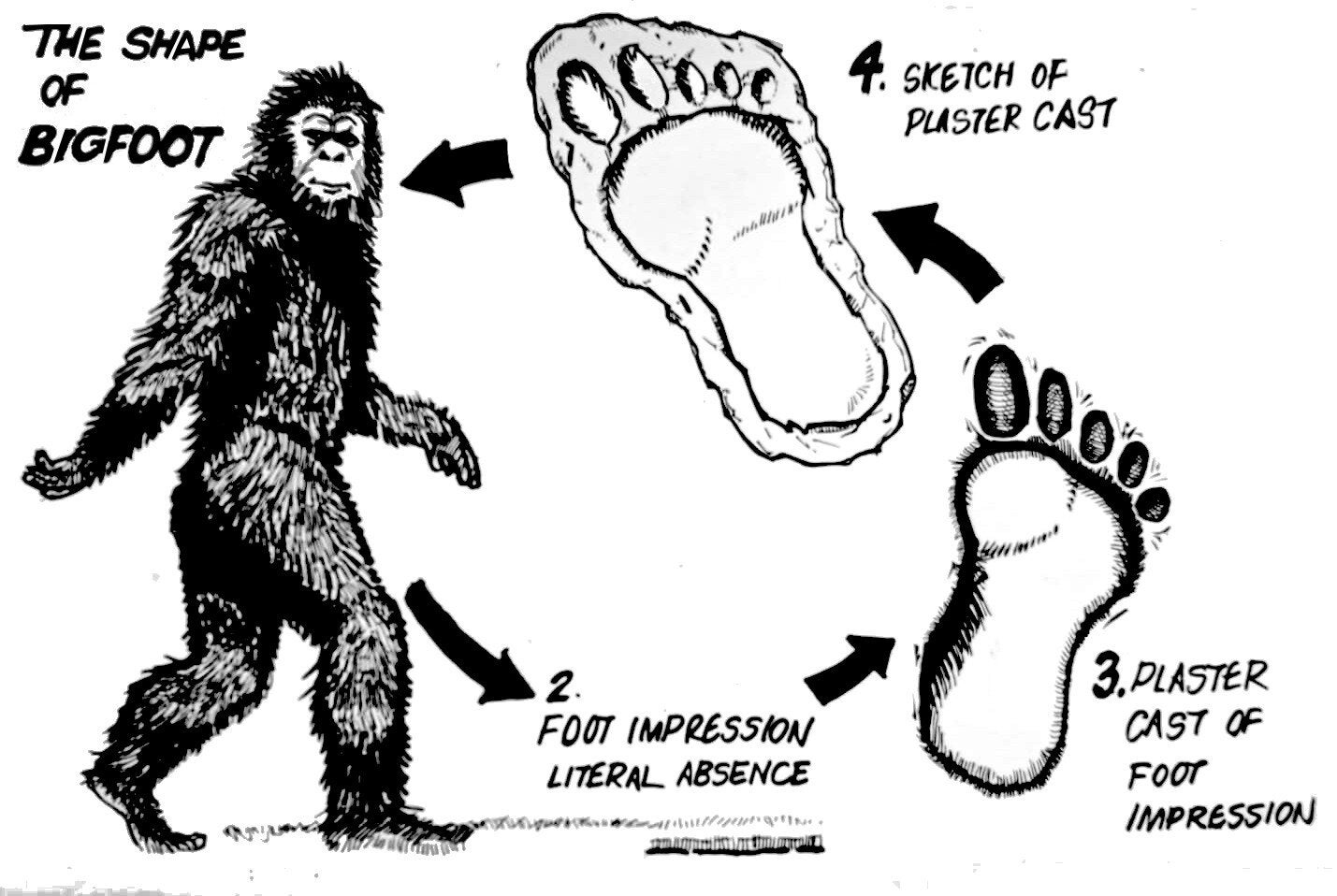
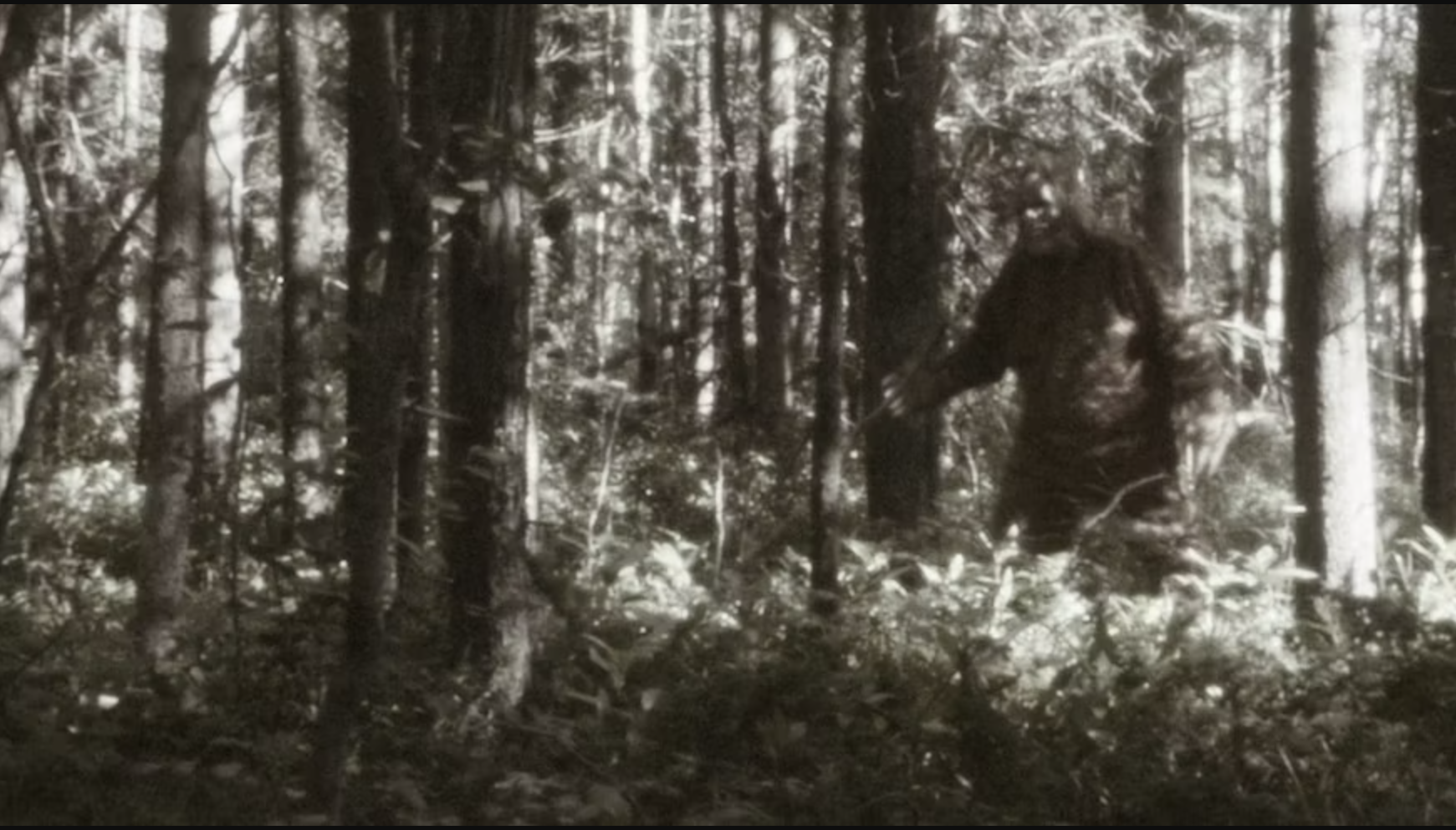
Reports are scattered across the continent, though most stories point to the Pacific Northwest. Supporters point to blurry photos, footprints pressed into mud, and strange sounds recorded at night. Skeptics remain unconvinced, yet belief continues to rise.
What surprised Lewis most was how committed Bigfooters are to the language and tools of science. Thermal imaging cameras, drones and parabolic microphones are common gear. Some hikers carry plaster to cast footprints. Others take careful notes and keep field logs. For them, evidence often comes in tiny details such as a twisted branch, a patch of disturbed ground or a sound that does not match any known animal.
Lewis said many outsiders think Bigfoot hunters reject science. His interviews showed the opposite. Most participants believe the creature is a living species that simply has not been documented. This group, often called the “Apers,” focus on physical explanations rather than supernatural ones. They see themselves as working toward discovery instead of defending a belief that cannot be tested.
The research, conducted with University of Sheffield sociologist Andrew Bartlett, explores how people outside traditional scientific institutions create and defend knowledge. Bartlett said they adopted a mindset of “methodological credulity,” a playful term that reflects a serious goal. They wanted to understand how non experts gather evidence and form arguments without dismissing their methods from the start.
He noted that public debates over science often ignore the value of community expertise. When everyone is told to judge evidence alone, it becomes harder to recognize why scientific consensus forms or why shared standards matter. Bigfooters show a version of scientific thinking shaped by curiosity and a desire for answers, even if their quest sits at the edge of mainstream research.
Lewis first became fascinated during the pandemic, when long days at home led him to Bigfoot documentaries. He reached out to Bigfooters and found people eager to talk. Many described how the search shaped their friendships and guided their free time.

Lewis believes that Bigfoot exists at least as a cultural force that influences thousands of lives. That idea is at the heart of his and Bartlett’s new book, Bigfooters and Scientific Inquiry: On the Borderlands of Legitimate Science.
The researchers say the creature lives on not only in stories but in the steady effort of those who hope to prove it. For many, the mystery gives them adventure and a reason to pay close attention to the natural world.
Like these kind of feel good stories? Get The Brighter Side of News’ newsletter.
The post Bigfoot hunters turn to science in a growing quest for proof appeared first on The Brighter Side of News.

