A team of astronomers based at the European Space Agency demonstrated how artificial intelligence technology will alter existing methods of locating rare astronomical phenomena within our galaxy, the Milky Way, and beyond. David O’Ryan and Pablo Gómez designed an artificial intelligence-assisted technique that can quickly sift through the huge number of images produced by several decades of observations from the Hubble Space Telescope.
Using this technique, O’Ryan and Gómez discovered more than 1,300 previously unanticipated exotic stellar systems or other astronomical phenomena that had not been previously described in the scientific literature.
Much of the research utilized the Hubble Legacy Archive (HLA), which over the past 35 years has collected vast amounts of space-based astronomical data from tens of thousands of distinct observing programs. In the HLA, there are close to 100 million so-called “cutouts,” or small sections of the night sky captured by Hubble. Each cutout may contain one distant galaxy or another extended astronomical object. A human being would take many lifetimes to review all of these cutouts visually.
Archival observations provided by the Hubble telescope have now been gathered for almost 35 years and provide an immense collection of data in which to locate astrophysical oddities, according to O’Ryan, the study’s lead author, as stated in an article published in the journal Astronomy & Astrophysics.
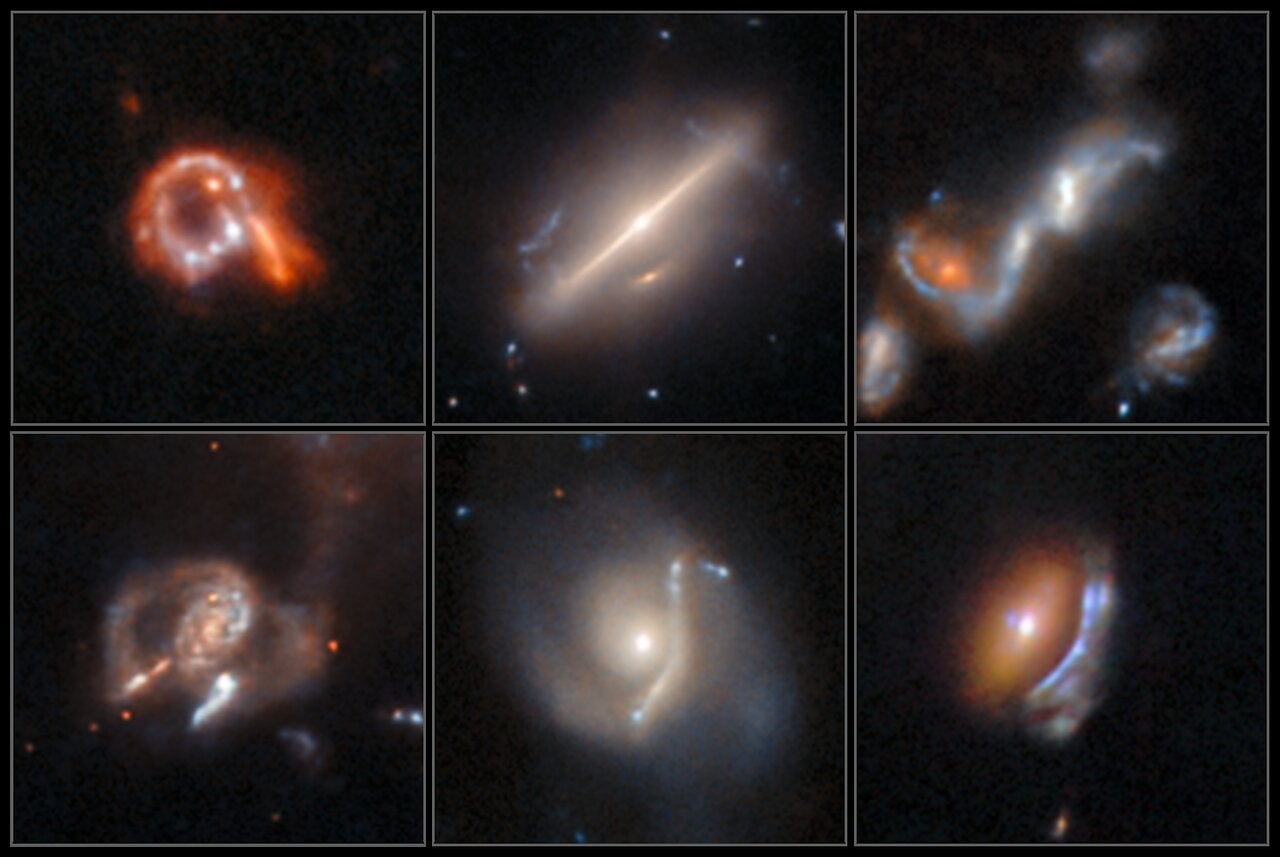
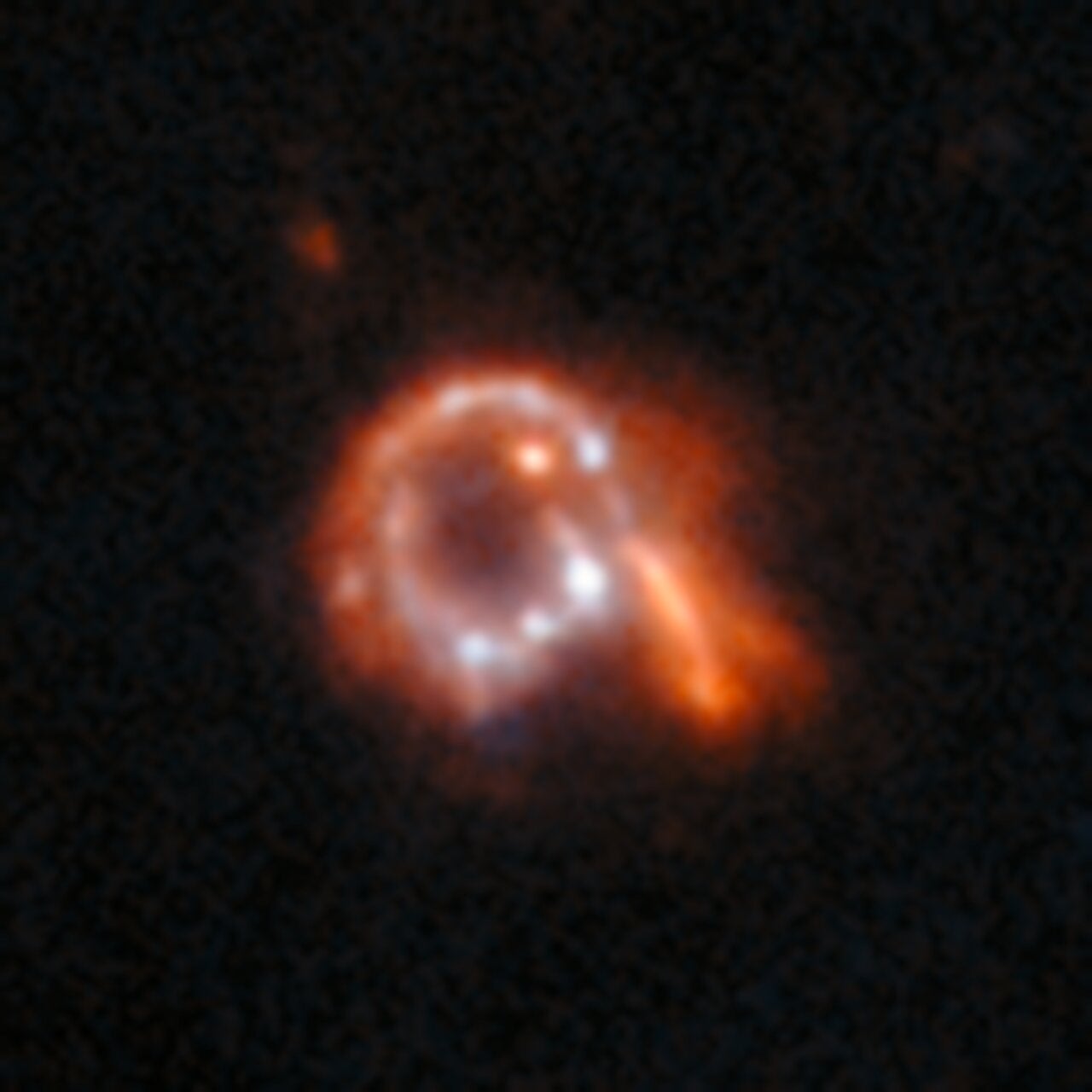
Unusual or rare objects, such as colliding star systems, gravitational lenses, or ring galaxies, are vital to astronomy. They shed light on how galaxies form, give evidence of how gravity distorts light, and contribute to our understanding of how gas behaves in extreme conditions. Because of their rareness and tendency to appear within arrays of commonplace galaxies, finding these types of objects has long been a challenge for astronomers.
As a result, astronomers have typically relied on dedicated visual searches and community-based citizen science to identify potential anomalies when searching for exotic objects. Although traditional astronomical methods have been effective in their own right, they lag behind modern imaging techniques.
Telescopes developed in the past have typically concentrated on a single object at a time. In contrast, new telescopes scan large areas of the sky and collect vast amounts of data.
O’Ryan and Gómez encountered this problem when they set out to create an artificial intelligence tool to automatically process images of celestial objects from multiple telescopes. They named this tool AnomalyMatch.
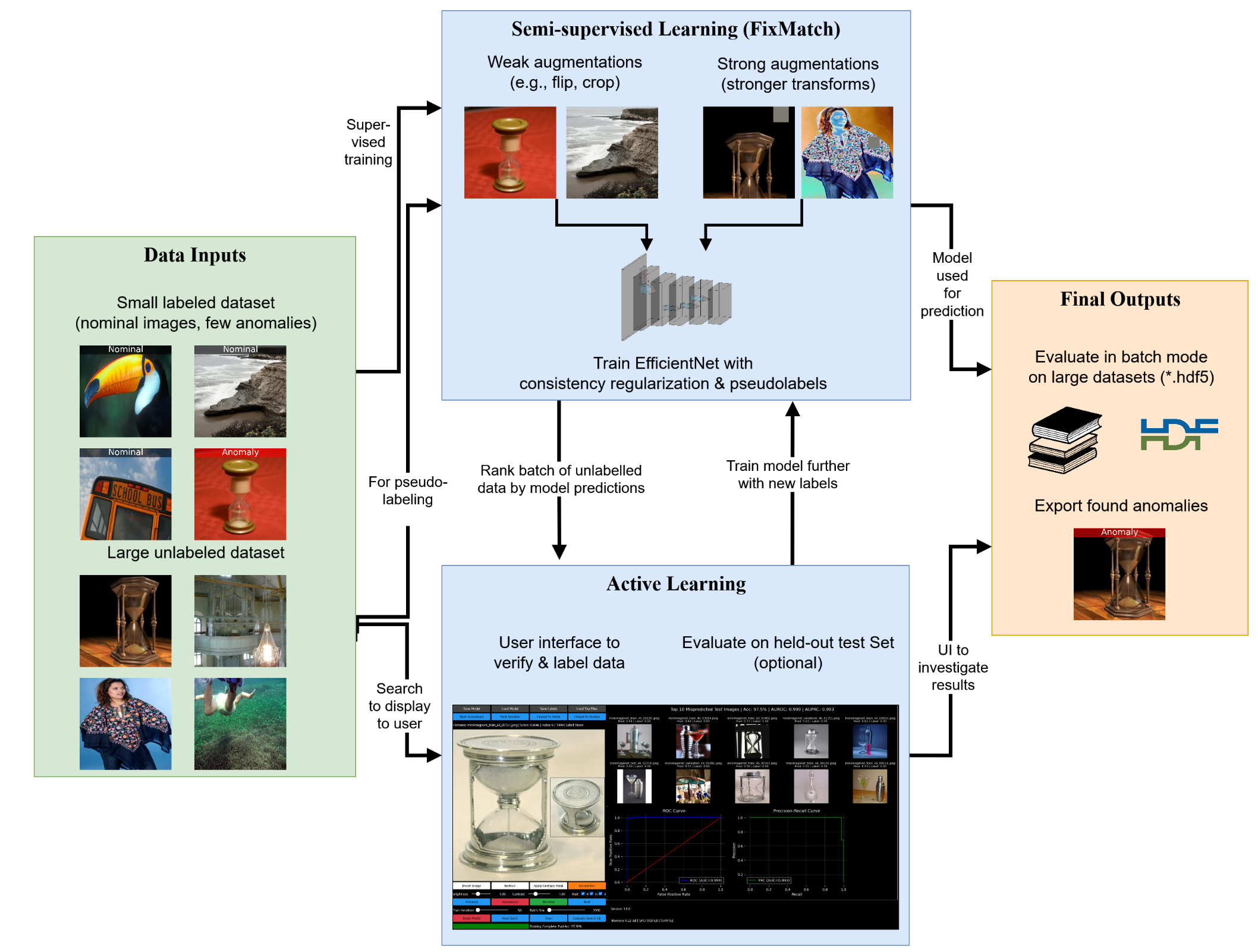
AnomalyMatch utilizes a neural network algorithm, a specific type of AI that learns to recognize patterns in images. It is based on the idea that the way the human brain processes information is similar to the way neural networks operate. Instead of attempting to create a comprehensive list of anomalies for identification, the system focuses solely on classifying objects as normal or abnormal.
This distinction is critical because only a few examples of many anomalous objects exist. In this study, for example, the initial training set consisted of only three images of rare edge-on disk-forming planets and 128 training images considered normal. Out of nearly 100 million training images, each of which had no label, there were many possible anomalies to evaluate.
Both regular and unlabeled image data were used to train the neural network simultaneously. The active learning process was another key component of the AnomalyMatch system. Following each round of training, the AI ranked images by how anomalous they appeared and presented the most anomalous examples from each category to an expert reviewer.
The result was a system that continually improved through a systematic approach that augmented human expertise. The AnomalyMatch search represented the first systematic examination of the Hubble Legacy Archive conducted using artificial intelligence. Over approximately 70 hours, the AI analyzed nearly 100 million Hubble images. The training time for the model was less than four hours and relied on advanced computing power.
After examining the top results, about 5,000 candidates were reviewed and duplicates were removed, generating 1,339 unique anomalies. Of these, more than 800 had never been reported in the scientific literature.
“This is an excellent application of artificial intelligence for increasing the scientific value of Hubble’s data,” stated co-author Gómez. “It is surprising that there were still so many anomalous objects to be discovered in the Hubble data set.”
Most of the newly identified objects appeared to be interacting and or merging galaxies. These systems were often warped in shape and generally contained multiple bright nuclei or elongated streams of stars and gas dispersed by gravitational interactions with companion galaxies. Approximately half of the objects discovered in this search consisted of these merger systems.
The search also revealed more than 100 candidate gravitational lenses. These are massive foreground galaxies that create a kind of bubble in space when they distort the fabric of space-time. This distortion alters the light coming from a more distant galaxy and can produce arcs or rings around the foreground galaxy. Gravitational lenses enable scientists to study dark matter and can magnify distant galaxies that would otherwise be undetectable.
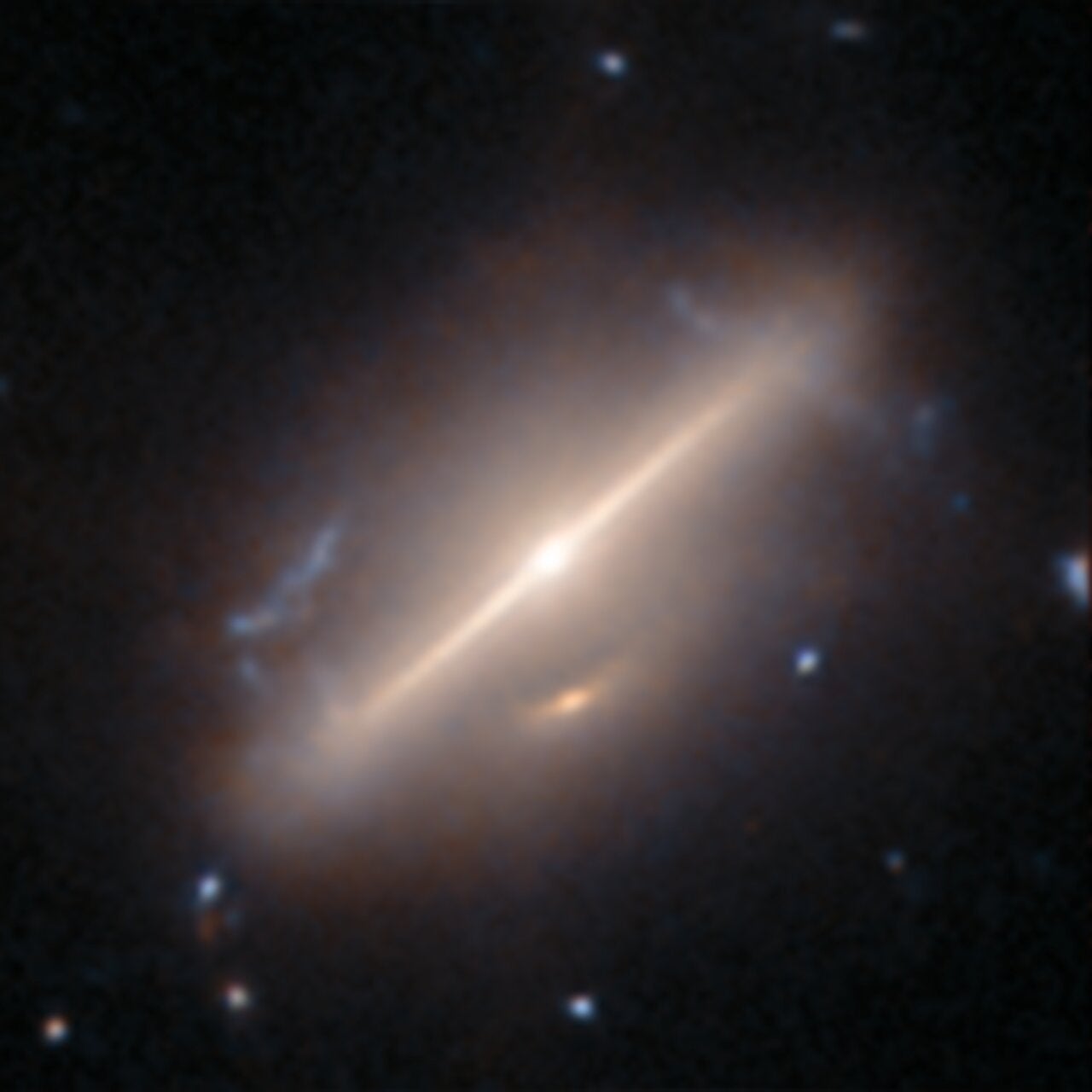
Additionally, researchers observed new jellyfish galaxies trailing long streams of gas as they moved through dense star clusters, clumpy galaxies containing many massive star-forming regions, and extremely rare ring galaxies formed through highly violent galaxy mergers. Many edge-on disks forming planets were also identified by the AI. These disks appeared in a variety of colors and exhibited unique butterfly-like shapes. Numerous other objects were detected that could not be placed into any single category.
The Hubble Observatory is one example of the many data-producing instruments that will operate in the coming years. One of the first of these new telescopes will be the European Space Agency’s Euclid mission, which is expected to begin surveying billions of galaxies in 2023. The Vera C. Rubin Telescope will soon begin a 10-year survey expected to generate approximately 50 petabytes of images. NASA’s Nancy Grace Roman Space Telescope is scheduled for launch in May 2027.
With the rapid expansion of new telescope data sets, systems like AnomalyMatch will play an increasingly important role. AnomalyMatch can be trained on the massive data volumes generated by future space telescopes. It allows machine learning systems to adapt over time to new data while requiring less human intervention and highlighting the most significant targets for follow-up analysis.
The authors found that AnomalyMatch focused on key image characteristics, such as tidal tails or arcs of light, rather than random noise.
The results of this study will enable researchers to use artificial intelligence and machine learning techniques to manage the ever-increasing size of astronomical databases. By identifying rare astronomical objects more efficiently, astronomers will be able to assemble larger sample sizes to test physical theories related to galaxy evolution, gravitational forces, and the presence of dark matter.
This approach will also allow astronomers to devote more time to interpreting results rather than searching for rare objects. While the study focused primarily on astronomy, the methods described offer a potential model for other scientific fields facing rapidly expanding databases.
Researchers in medicine and climate science may similarly benefit from combining machine learning with expert input to identify rare occurrences within large data sets. As telescope technology continues to advance, systems like AnomalyMatch are expected to enable the discovery of entirely new types of astronomical objects as future observatories conduct deeper and more detailed surveys of the universe.
Research findings are available online in the journal Astronomy & Astrophysics.
Like these kind of feel good stories? Get The Brighter Side of News’ newsletter.
The post AI Tool Uncovers Hundreds of Hidden Cosmic Oddities in Hubble Data appeared first on The Brighter Side of News.

