A bottle of cooking oil may seem harmless on the kitchen counter. It pours easily, smells neutral, and appears in countless packaged foods. Yet new research suggests that soybean oil, the most widely consumed cooking oil in the United States, may affect bodies in deeper and more personal ways than once believed.
Scientists at the University of California, Riverside have uncovered biological clues that help explain why some bodies gain weight more easily on diets high in soybean oil. Their findings reveal that the answer may not lie in willpower or calories alone. Instead, it may come down to how the liver handles certain fats at the molecular level.
The study focuses on linoleic acid, a major fat found in soybean oil. This type of fat appears in many processed foods and now makes up a much larger share of the American diet than it did a century ago. While linoleic acid is essential in small amounts, researchers say the modern scale of consumption may push the body into metabolic pathways it never evolved to manage.
What surprised scientists most was that not all bodies responded the same way.
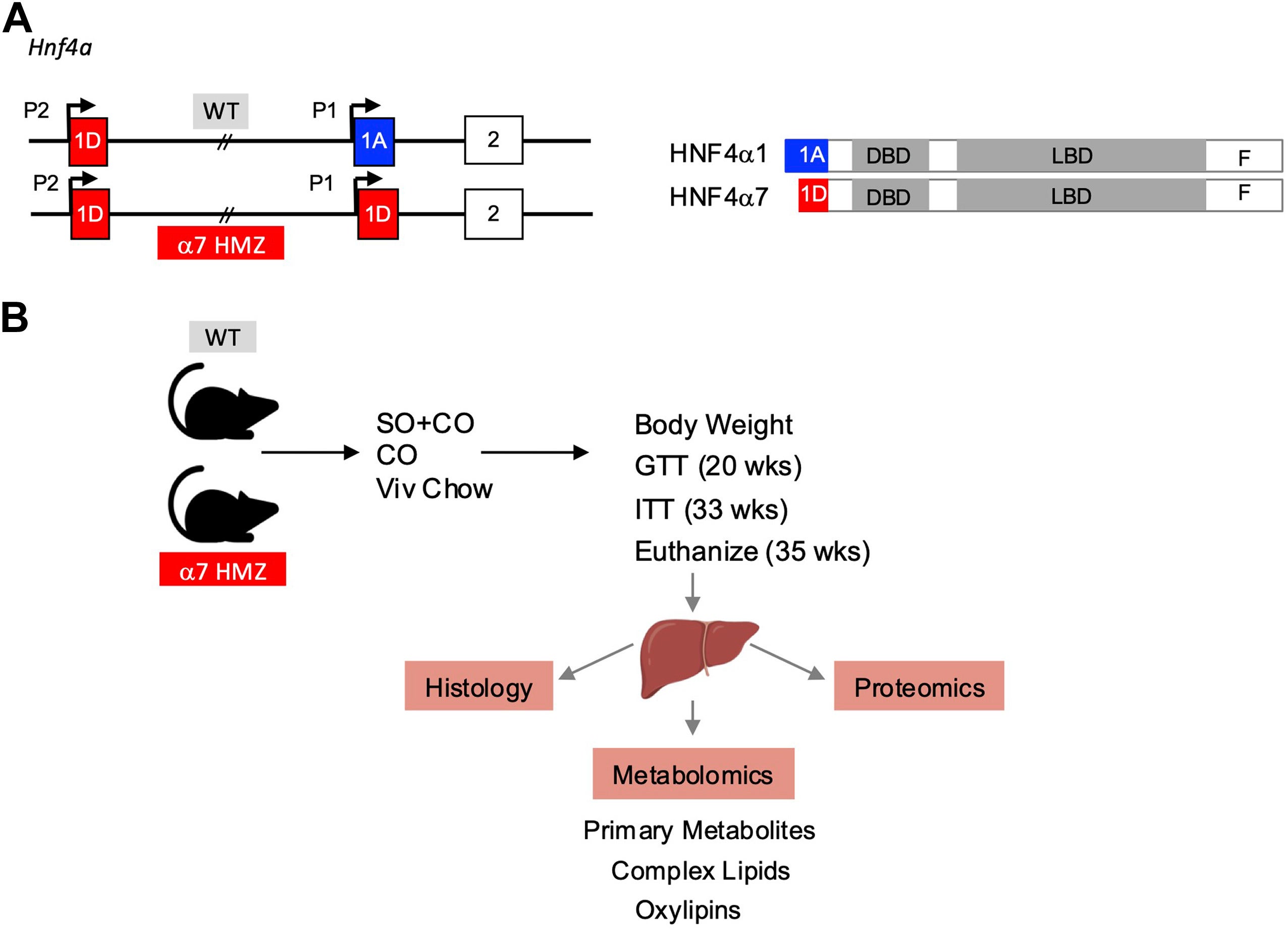
In laboratory experiments, most mice fed a high-fat diet rich in soybean oil gained significant weight. Their livers showed signs of stress, and their cholesterol levels increased. But a separate group of mice did not follow that pattern.
These mice were genetically engineered to produce a slightly different version of a liver protein known as HNF4α. This protein plays a powerful role in metabolism because it helps control hundreds of genes linked to how fats are processed. Despite eating the same high-fat soybean oil diet, these mice gained far less weight. Their livers stayed healthier, and their fat processing systems worked differently.
“This may be the first step toward understanding why some people gain weight more easily than others on a diet high in soybean oil,” said Sonia Deol, a biomedical scientist at UC Riverside and corresponding author of the study. The difference was not how much food the mice ate. The difference was what their bodies did with the fat once it entered the liver.
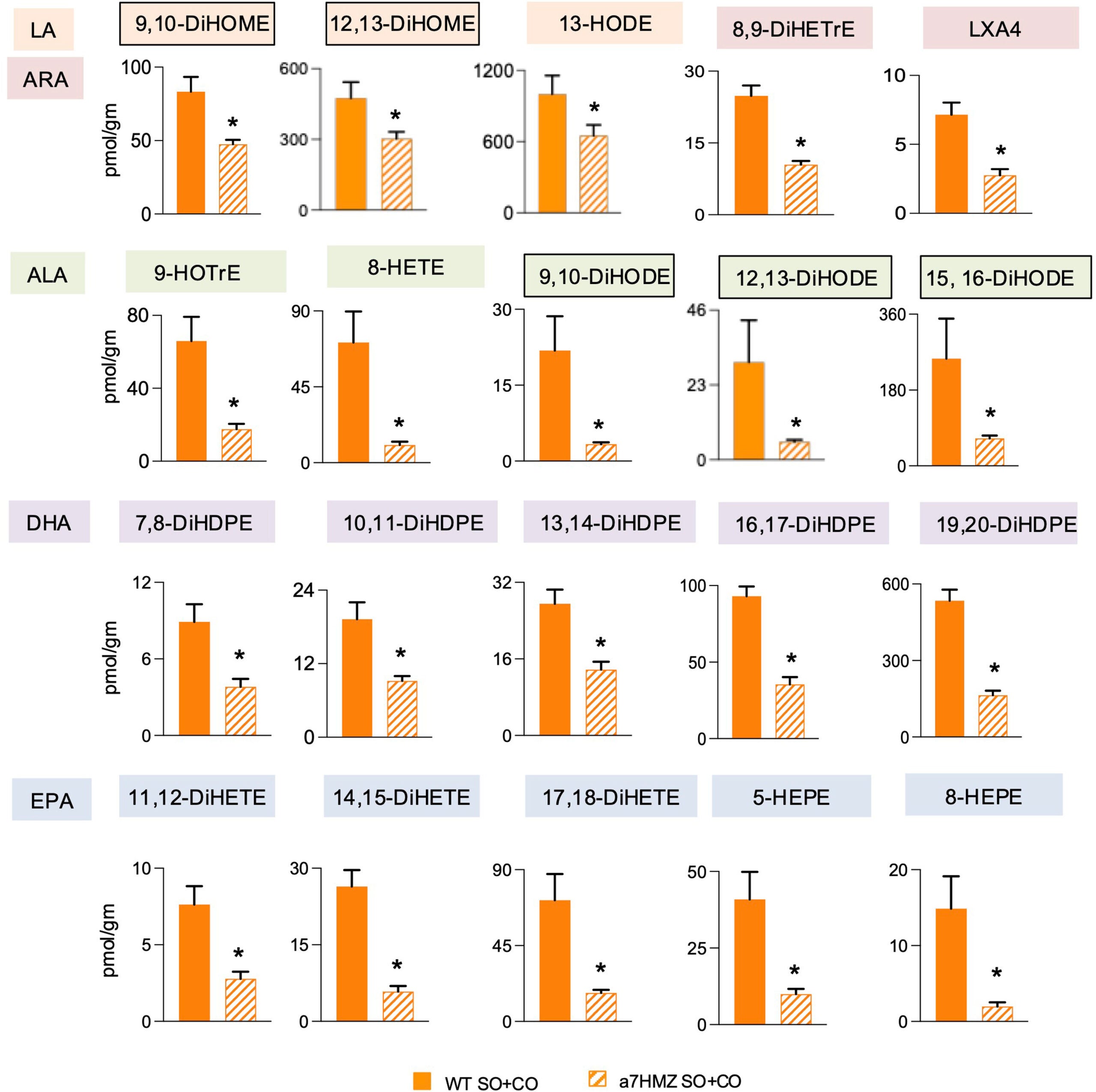
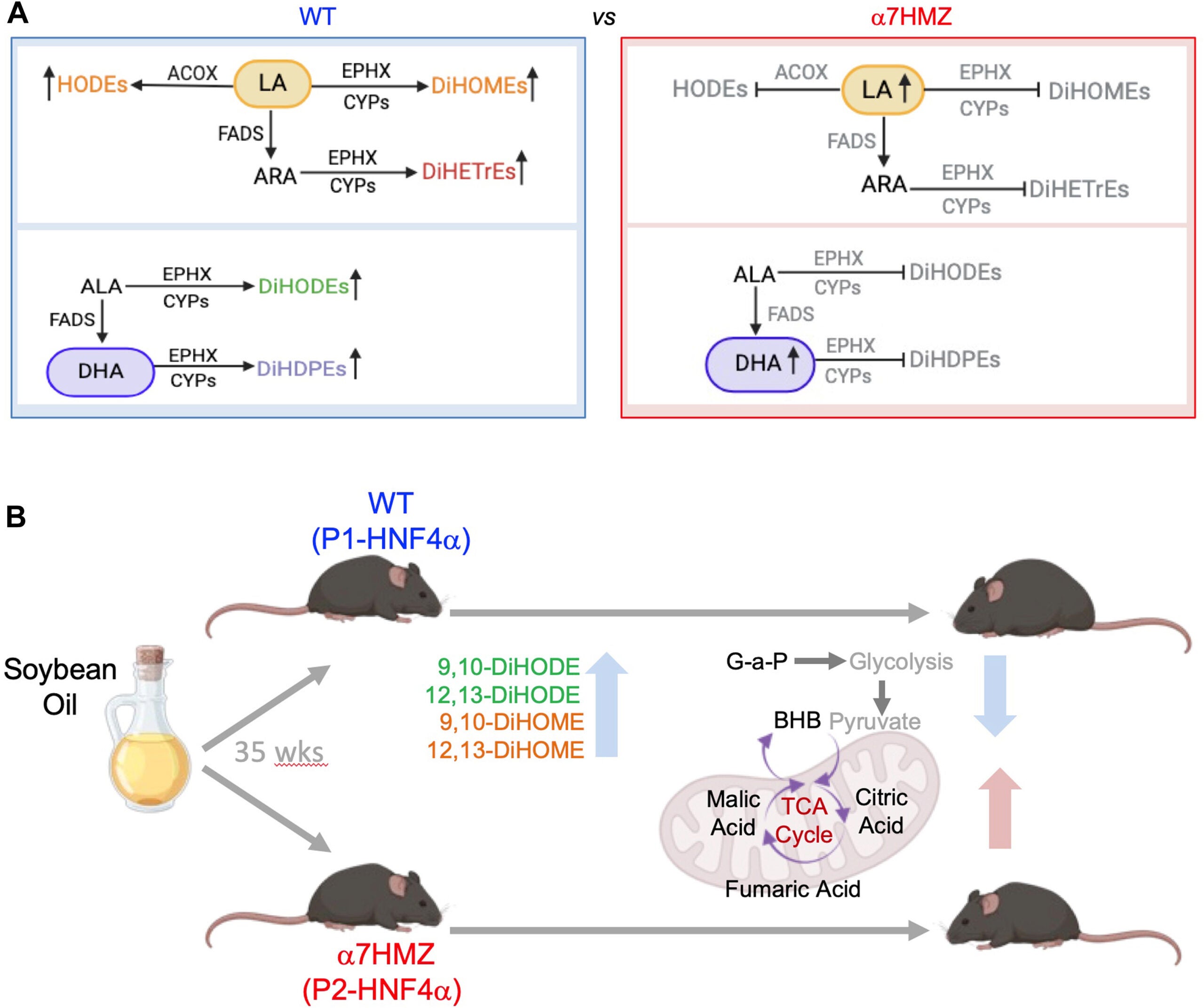
When linoleic acid enters the body, it does not remain unchanged. The liver converts it into compounds called oxylipins. These molecules help regulate inflammation and fat storage.
When present in excess, oxylipins have been linked to weight gain and liver fat buildup. In the study, regular mice produced large amounts of these compounds after eating soybean oil. The genetically engineered mice produced far fewer. That reduction appeared to protect them from obesity, even though their diet was identical.
Researchers also observed stronger mitochondrial activity in the protected mice. Mitochondria help cells turn nutrients into usable energy. When they function well, the body burns fuel more efficiently instead of storing it as fat. This combination appeared to give the mice a metabolic advantage. “It’s not the oil itself, or even linoleic acid,” said Frances Sladek, a professor of cell biology at UC Riverside. “It’s what the fat turns into inside the body.”
In humans, both forms of the HNF4α protein already exist. The alternate version usually appears only under certain conditions, such as chronic illness, long periods of fasting, or liver disease caused by alcohol. That means people may naturally vary in how strongly they activate these fat-processing pathways. Age, sex, medications, genetics, and overall metabolic health can all influence how the liver responds to dietary fats.
This helps explain a familiar frustration. Two people can eat similar foods, yet one gains weight more quickly while the other does not. The findings suggest that metabolism, not just behavior, plays a major role.
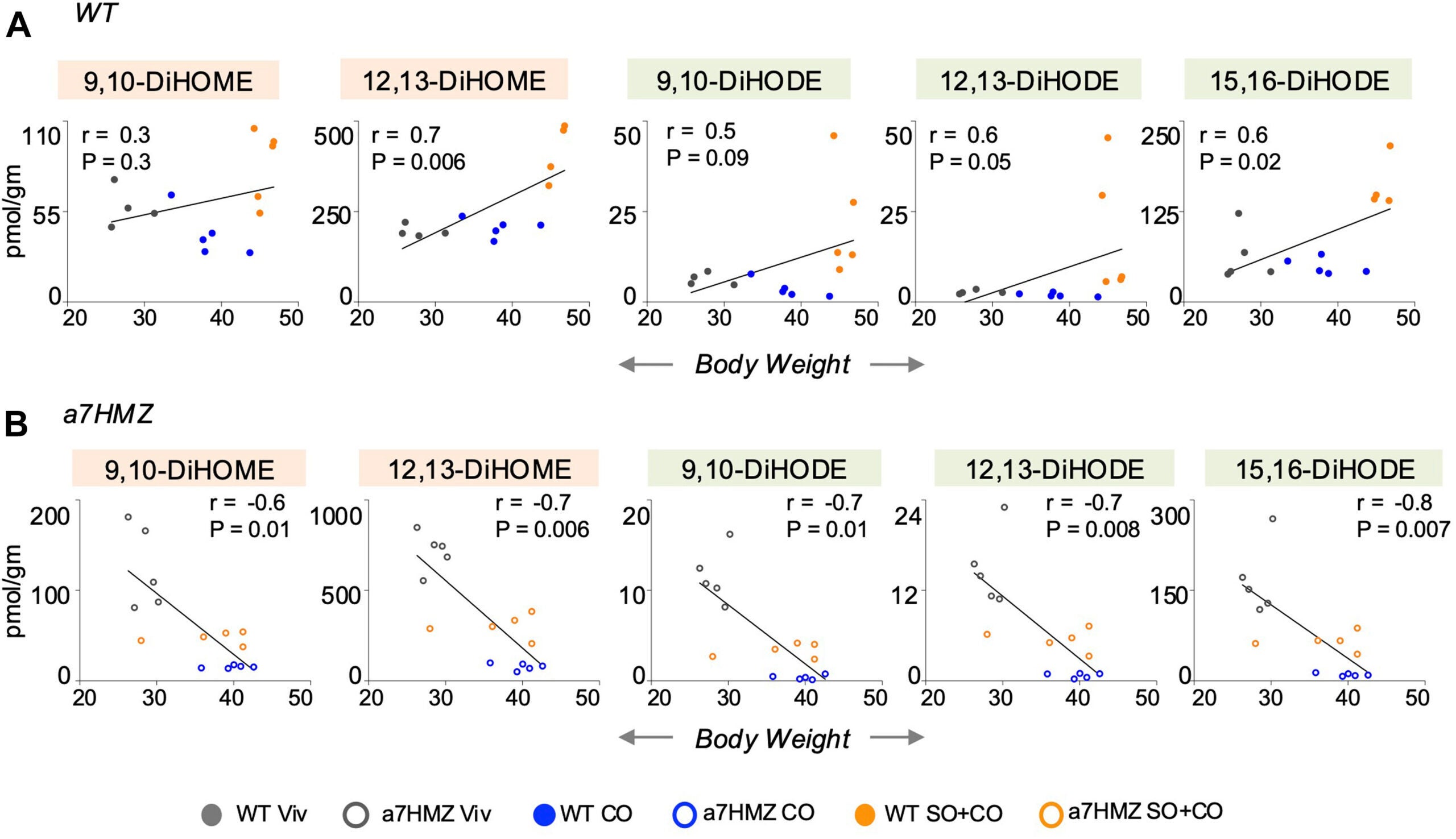
The study also showed that oxylipin levels in the liver closely tracked body weight. Levels in the blood did not. This means routine blood tests may miss early warning signs of diet-related metabolic stress.
Soybean oil consumption in the United States has increased fivefold over the past century. It now provides nearly 10 percent of total daily calories. Much of it comes from ultra-processed foods rather than home cooking.
While soybean oil contains no cholesterol and is often labeled heart-friendly, the study found higher cholesterol levels in mice that consumed it heavily. Researchers stress that soybean oil is not toxic on its own. The concern lies in quantity.
“Soybean oil isn’t inherently evil,” Sladek said. “But the quantities in which we consume it is triggering pathways our bodies didn’t evolve to handle.” The human digestive system developed long before industrial food production. The sudden rise in linoleic acid intake may be pushing metabolic systems beyond their original design.
The research does not claim soybean oil alone causes obesity in people. The study was conducted in mice, and no human trials are planned at this time. Still, many of the enzymes involved in converting linoleic acid into oxylipins are highly conserved across mammals. That means similar processes likely exist in people.
The researchers are now studying whether other oils high in linoleic acid, including corn, sunflower, and safflower oils, trigger the same internal reactions. They also want to understand exactly how oxylipins promote weight gain and whether those pathways can be safely interrupted.
Sladek pointed to history as a cautionary lesson. “It took 100 years from the first observed link between chewing tobacco and cancer to get warning labels on cigarettes,” she said. “We hope it won’t take that long for society to recognize the link between excessive soybean oil consumption and negative health effects.”
This study offers a clearer picture of why weight gain does not affect everyone equally. It shows that liver metabolism plays a powerful role in how dietary fats influence health. In the future, the findings could guide more personalized nutrition advice based on metabolic differences rather than one-size-fits-all diets.
Researchers may also explore therapies that limit harmful oxylipin production or support healthier fat processing in the liver.
The work may help improve early detection of metabolic stress, especially since liver changes can occur before symptoms appear in blood tests. Over time, this research could inform public health policy, food formulation decisions, and strategies aimed at reducing chronic metabolic disease.
Research findings are available online in the journal Journal of Lipid Research.
The original story “Why some people gain weight more easily on diets high in soybean oil” is published in The Brighter Side of News.
Like these kind of feel good stories? Get The Brighter Side of News’ newsletter.
The post Why some people gain weight more easily on diets high in soybean oil appeared first on The Brighter Side of News.

