Farmers have long fought a quiet war against the fungi that rot crops in fields and storage sheds. Each year, these diseases destroy harvests of lettuce, beans, oilseed rape, wheat, and many other staples. The usual defense relies on synthetic fungicides, but those chemicals face rising costs, tighter rules, and growing concern about environmental harm. Now, new research suggests that help may come from an unexpected ally already living in the soil.
Scientists at Rothamsted, working with partners at the Universities of Warwick and Exeter, have discovered that a common soil fungus, Trichoderma hamatum, can release natural airborne chemicals that slow or stop dangerous crop diseases. The study, published this week, shows that these invisible vapors can block the growth of Sclerotinia sclerotiorum, a mold that causes severe rot in many crops. The same vapors also affect other major plant pathogens.
Trichoderma hamatum is not new to science. Farmers and researchers already know it as a helpful fungus that can protect plant roots and improve soil health. What surprised the team was how powerful its chemical signals can be when it faces a threat.
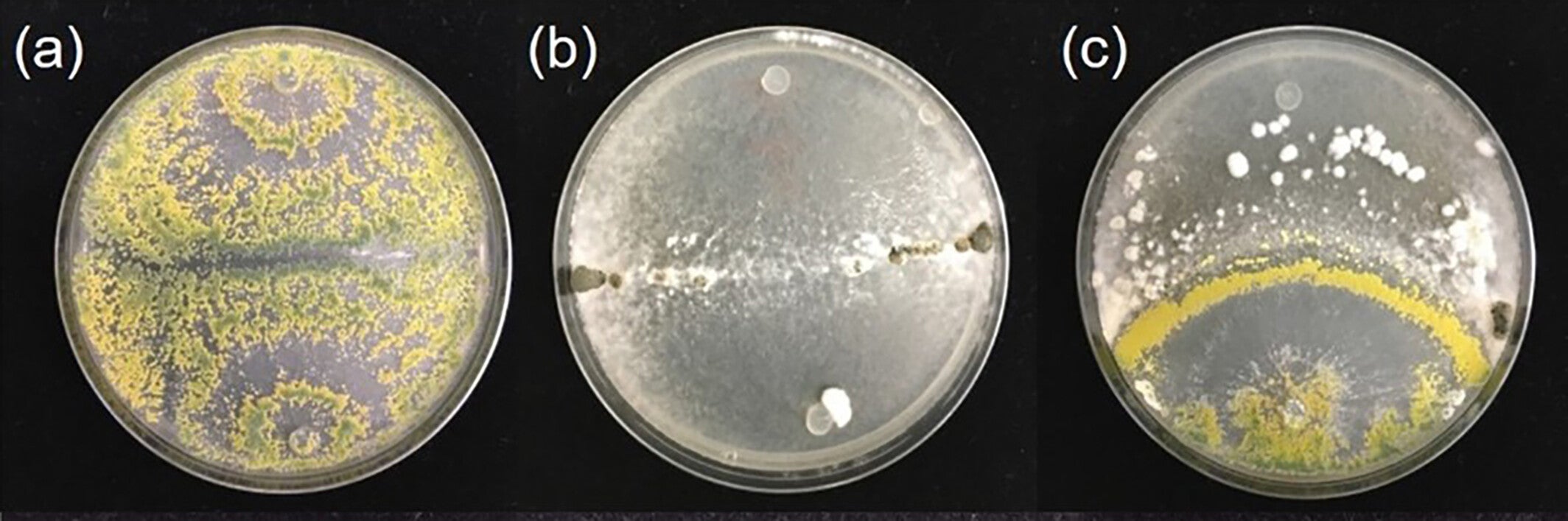
In the laboratory, researchers grew T. hamatum alongside Sclerotinia sclerotiorum. Instead of touching or competing for food alone, the friendly fungus began to release volatile organic compounds, known as VOCs. These are tiny chemicals that evaporate easily and move through the air.
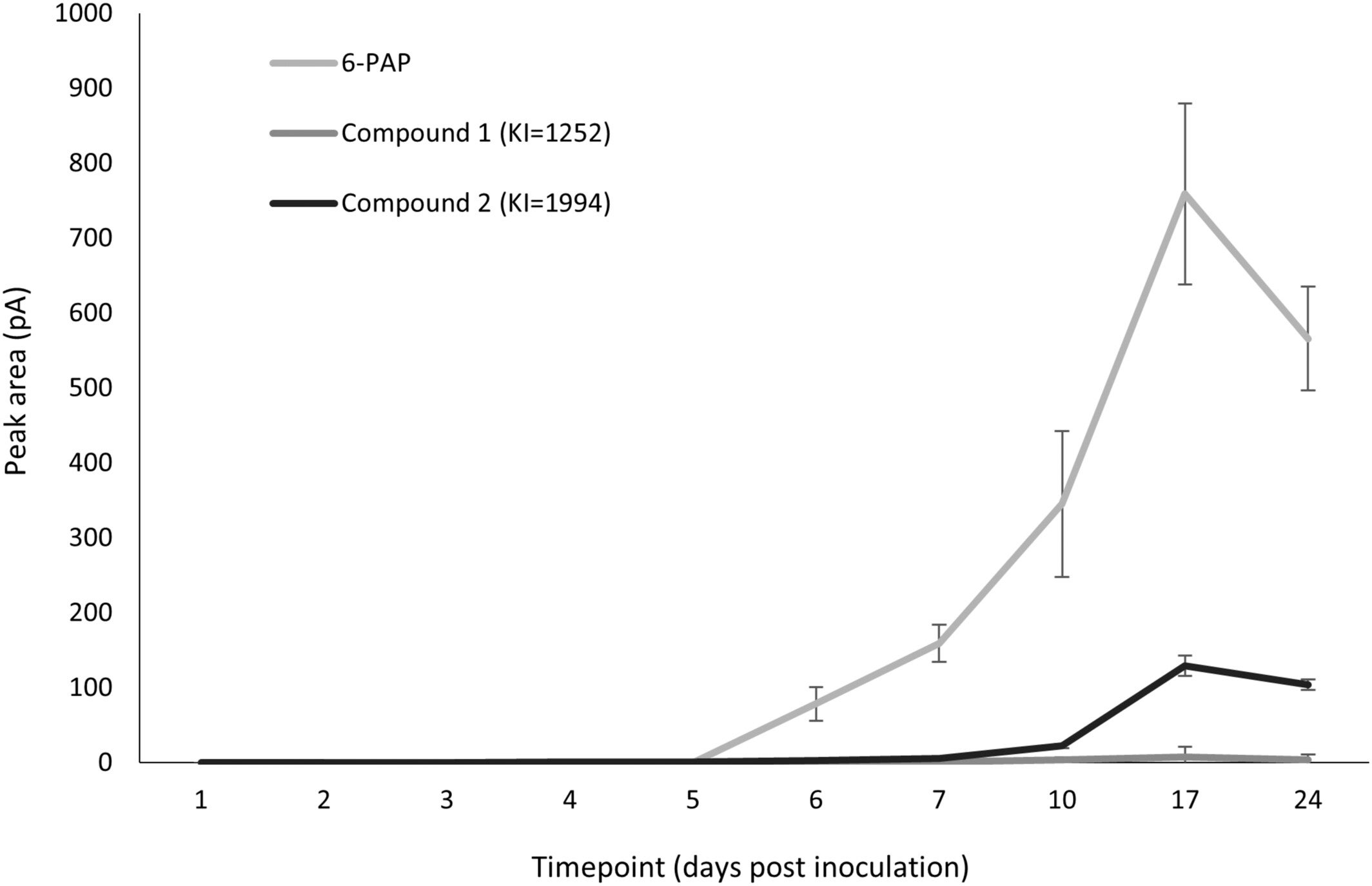
When the two fungi shared space, the amount of these vapors rose sharply. The highest levels appeared after 17 days. At that point, the harmful mold stopped advancing. It did not die, but its growth stalled, a state scientists call fungistasis. In practical terms, that pause can mean the difference between a healthy crop and a ruined one.
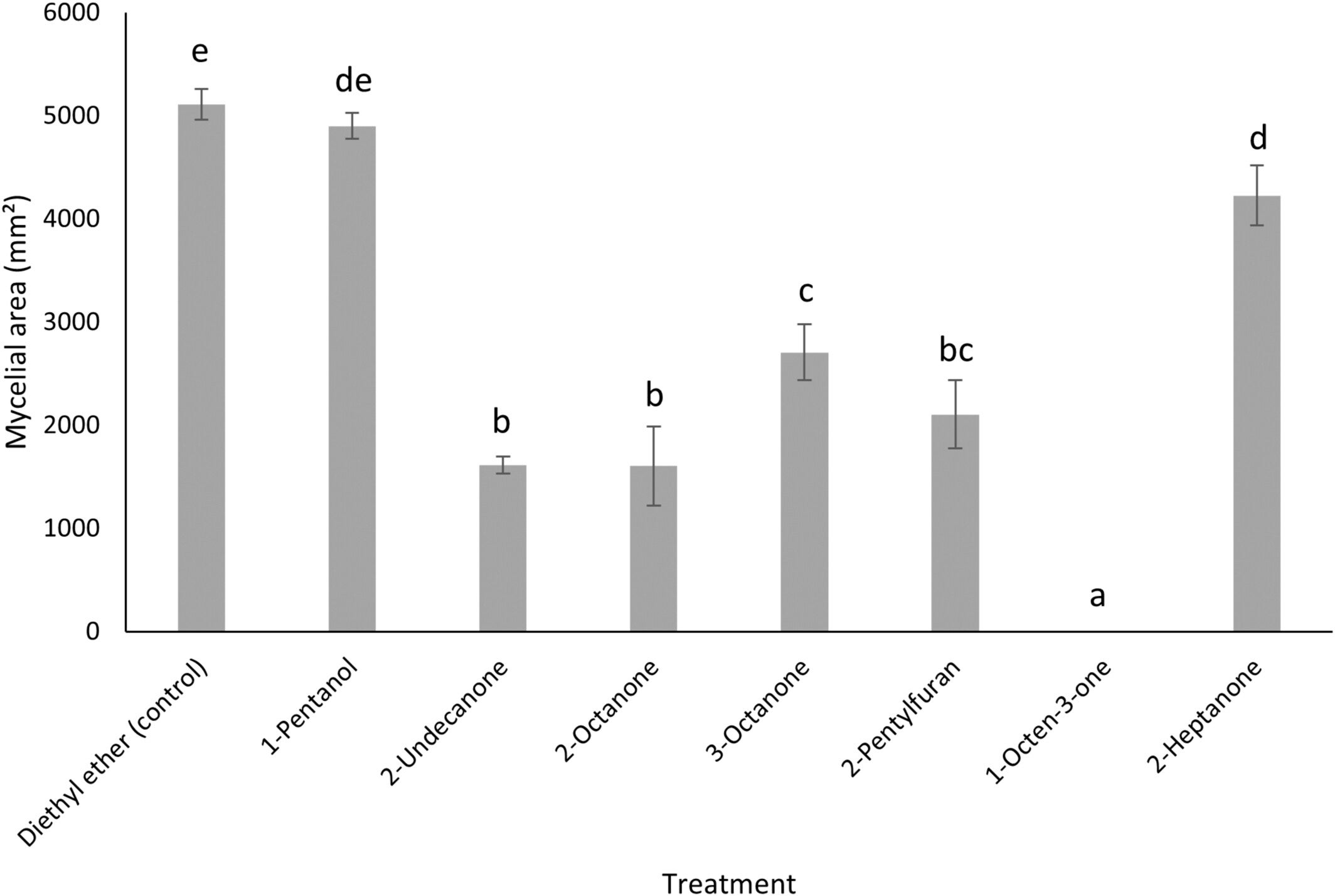
The team did not stop at observing the standoff. They collected and studied the gases floating above the cultures using precise chemical tools. Several compounds stood out, including one called 1-octen-3-one.
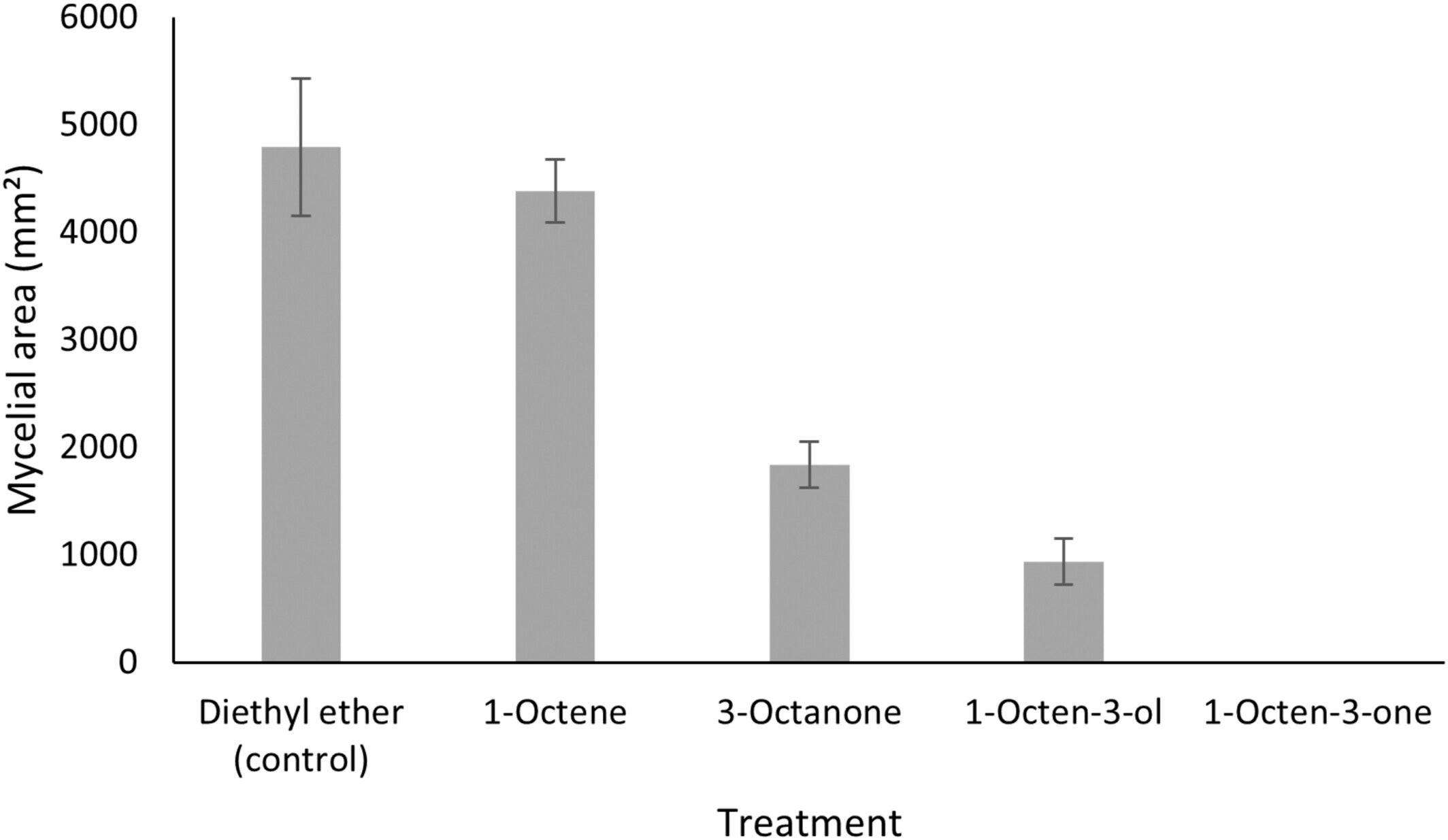
When researchers exposed Sclerotinia sclerotiorum to this single compound, its growth slowed sharply. More important, the same chemical also blocked other major crop threats. These included Botrytis cinerea, which causes gray mold on fruits and vegetables, Pyrenopeziza brassicae, responsible for light leaf spot in brassica crops, and Gaeumannomyces tritici, which causes take-all disease in wheat.
This wide reach matters. Farmers rarely fight just one disease at a time. A natural product that works against several pathogens could reduce the need for multiple chemical sprays.
One of the most striking findings is how T. hamatum uses these vapors. The fungus does not release large amounts of VOCs all the time. Instead, production increases when it senses a rival nearby. That suggests a smart and efficient defense system.
In nature, this means the fungus saves energy and only deploys its chemical shield when needed. In farming, that same trait could limit unwanted side effects. A living protector that responds to real threats may fit better into complex soil ecosystems than broad chemical treatments.
The researchers also examined the structure of 1-octen-3-one to understand why it works. The shape of the molecule appears to interfere with the growth processes of harmful fungi. While the chemistry is complex, the idea is simple. The vapor disrupts the enemy at a basic level.
The promise of this discovery is clear, but the path to real farms will take time. All the tests so far happened in controlled laboratory conditions. Fields are far more complex. Soil holds countless microbes. Wind, rain, and sunlight can change how gases move and break down.
Scientists now need to learn how these VOCs behave outdoors. Do they spread far enough in soil to protect plant roots? Do other organisms weaken their effect? Can T. hamatum survive and work in different climates and crop systems?
There is also the question of delivery. Farmers might apply the fungus itself as a soil treatment or seed coating. Another option could involve making safe products based on the most effective VOCs. Each approach has its own challenges and benefits.
The timing of this research matters. Across the UK and Europe, many traditional fungicides face tighter rules. Some are being phased out due to risks to wildlife, water, or human health. At the same time, farmers still need reliable ways to protect crops.
Dr. Jozsef Vuts of Rothamsted, a co-author of the study, said, “Further work is needed to understand how these fungal VOCs operate in real-world farming conditions, and whether they can be harnessed effectively at scale. But the discovery offers fresh hope for greener crop protection at a time when agriculture is under pressure to cut chemical inputs.”
That hope is shared by many in agriculture. Biological solutions often work with nature instead of against it. They can support soil health, reduce pollution, and slow the rise of resistant pests.
This study fits into a larger change in how scientists think about plant health. Instead of seeing soil as just dirt, they now view it as a living system filled with helpful partners. Microbes talk to each other using chemical signals. Some of those signals warn. Others defend. Some even help plants grow.
VOCs are part of that hidden language. In this case, the message is clear. Stay away.
If researchers can learn to guide and strengthen these natural defenses, future farming may depend less on heavy chemical use. That would benefit not only crops, but also nearby rivers, insects, and people.
No one claims this discovery will replace fungicides overnight. Large field trials, safety checks, and production plans still lie ahead. Yet the evidence shows that powerful tools already exist in the soil.
A fungus that protects plants using nothing more than air and chemistry offers a glimpse of a different kind of agriculture. It is quieter, cleaner, and closer to how nature has worked for millions of years.
For farmers facing rising costs and tighter limits, and for a public that wants safer food and a healthier environment, that future cannot come soon enough.
This discovery could lead to new, low-chemical ways to protect crops from major fungal diseases. Farmers may one day use beneficial fungi or their natural vapors instead of synthetic fungicides.
This could lower costs, reduce environmental damage, and slow the spread of chemical resistance.
The work also opens new paths for research into natural crop protection systems and smarter, more targeted disease control.
Research findings are available online in the journal Environmental Microbiology.
The original story “A friendly fungus protects crops using airborne chemicals” is published in The Brighter Side of News.
Like these kind of feel good stories? Get The Brighter Side of News’ newsletter.
The post A friendly fungus protects crops using airborne chemicals appeared first on The Brighter Side of News.

