Powerful jaws and bone-crushing bites have long shaped the popular image of Tyrannosaurus rex. Its feet, not so much.
A new biomechanical study suggests that the giant predator did not lumber around flat-footed. Instead, it likely moved on the front part of its feet, in a bird-like, tiptoe-style gait that may have helped it stay faster and steadier than many reconstructions suggest. The work, published in Royal Society Open Science and led by researchers at the College of the Atlantic in Maine, argues that this detail could change how scientists model the animal’s movement, and how museums and filmmakers depict it.
The question sounds small at first. Which part of the foot hit the ground first? But for a predator weighing more than 10 tonnes, that detail could shape speed, balance and the stress placed on the legs with every step.
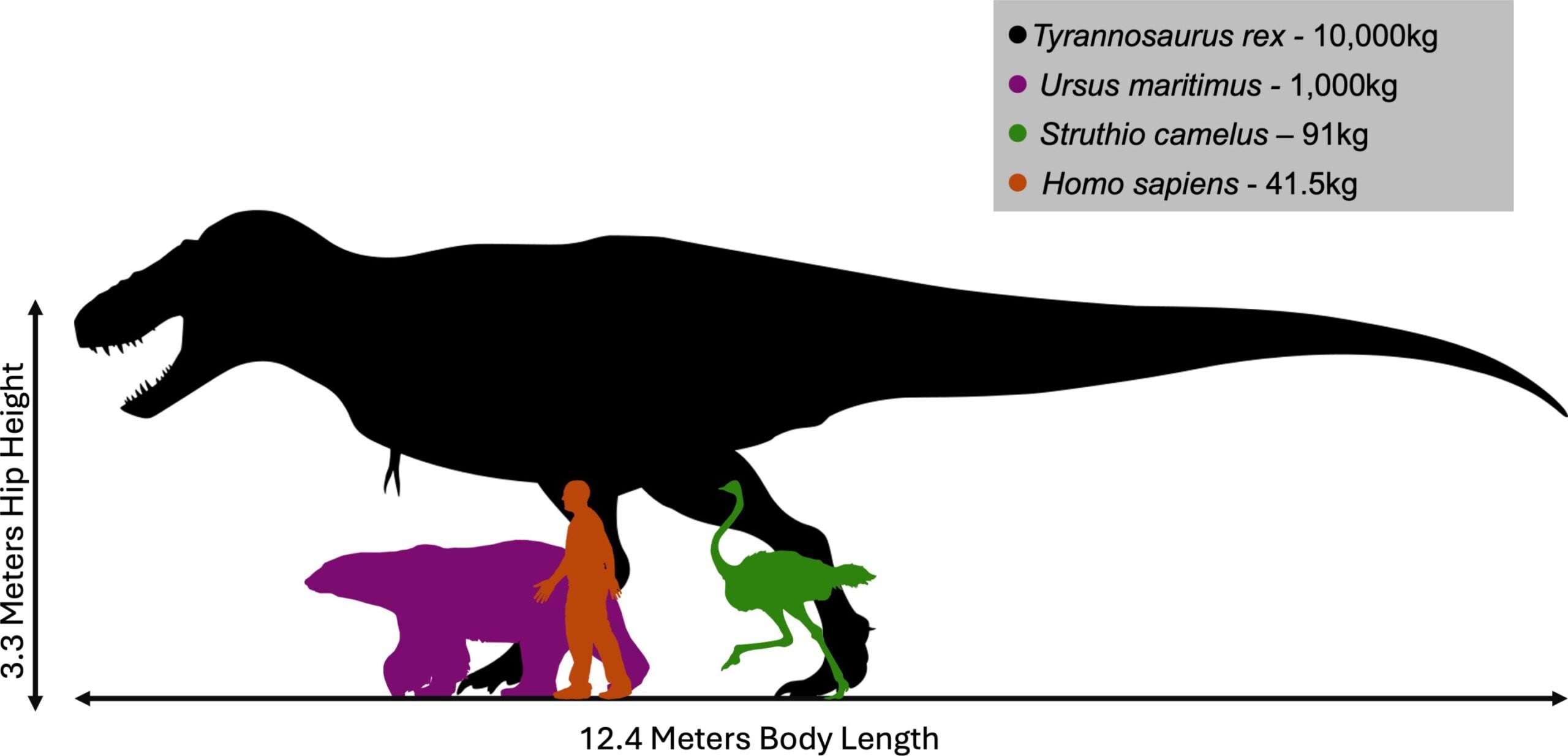
To test it, the researchers examined four well-preserved T. rex specimens: MOR 555, FMNH PR 2081, the former BHI 3033, and LACM 23845. They measured leg and foot bones, estimated hip height, and ran the numbers through three equations often used to estimate speed in living and extinct animals. Then they modeled three kinds of foot strike: rear-foot, mid-foot and distal-foot strike, which is essentially a toe-first landing.
The fossil footprints mattered as much as the bones.
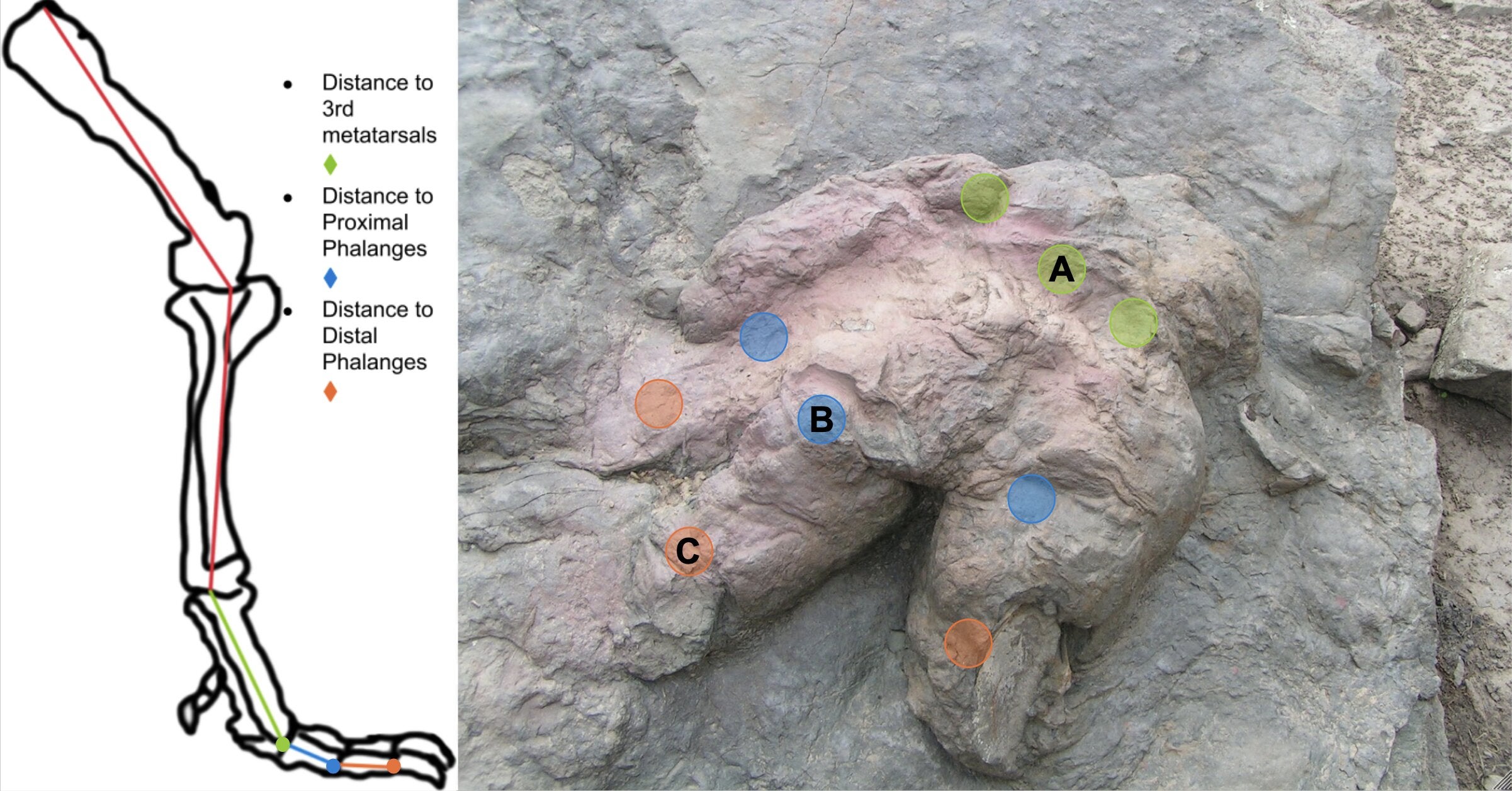
Trackways linked to tyrannosaurs already hinted that these animals put force into the ground in a bird-like way, with the deepest impressions under the toes. The new study folded that evidence into its models and found that the most likely gait matched those trackways: distal-foot strike, not a flatter, more proximal step.
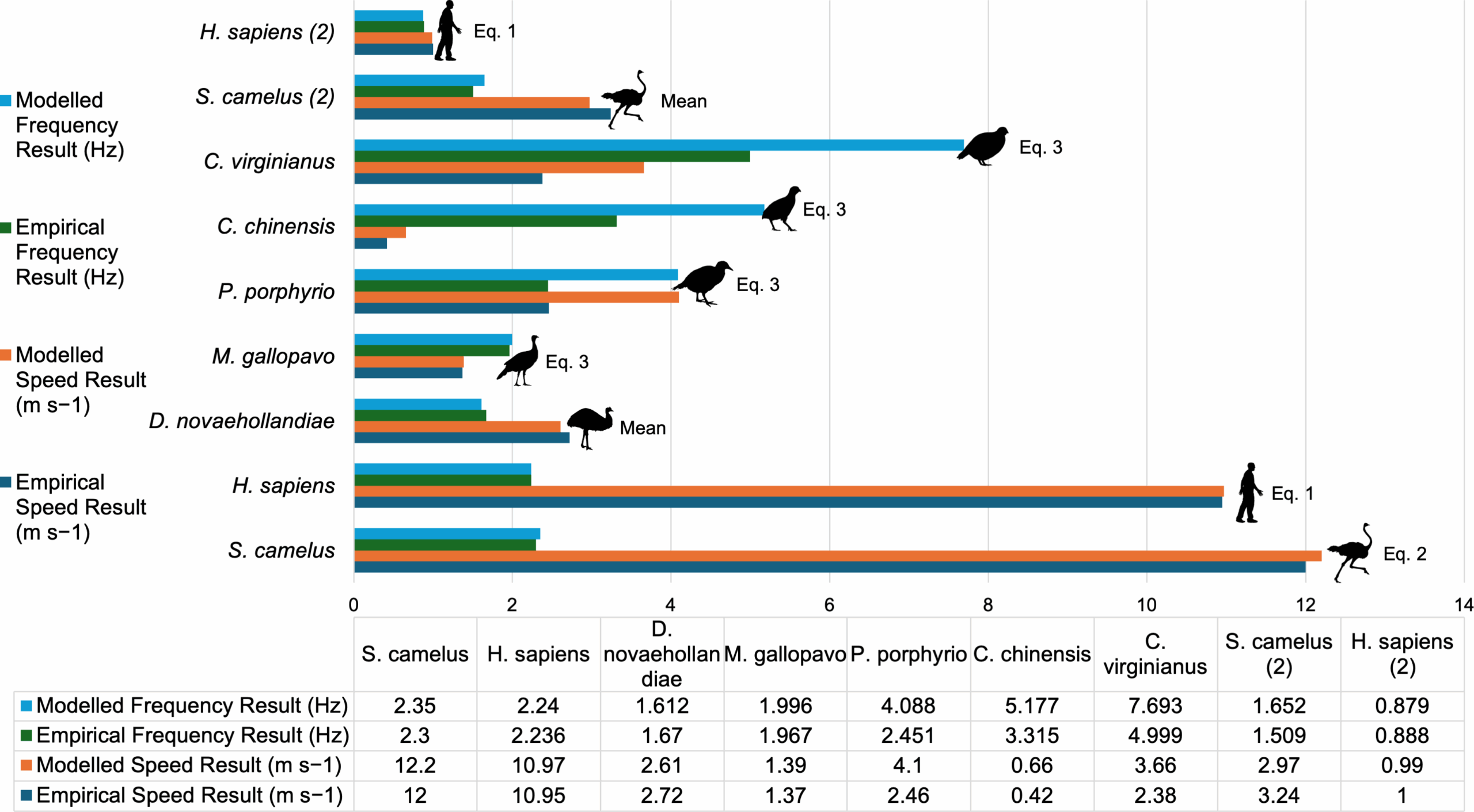
That choice changed the numbers. Across the full dataset, top speed rose by about 20% on average when the model shifted from rear-foot strike to distal-foot strike. In some lower-end cases, the difference reached about 42%. The effect on stride frequency was smaller but still consistent, averaging about a 6% increase and reaching 8% in some comparisons.
The researchers also tested whether those differences were likely to be meaningful rather than statistical noise. They found that foot-strike pattern had a significant effect on both speed and stride frequency, especially when comparing rear-foot strike with distal-foot strike.
That does not mean T. rex suddenly turns into a sprinting machine. The study does not overturn earlier work suggesting the animal was still limited by its huge body, the forces on its bones, and the muscular power needed for very high-speed running. Instead, it nudges the upper picture of performance in a more agile direction.
The authors say the most realistic speed range for adult T. rex still broadly fits earlier quantitative estimates of about 5 to 11 meters per second, or roughly 11 to 25 miles per hour.
The study draws a sharp contrast between the way humans run and the way large birds move.
Humans rely more on a spring-like gait, storing and releasing elastic energy through relatively stiff legs. T. rex, the authors argue, probably worked more like a giant ground bird. In that style of movement, shorter relative strides and quicker step cycles matter more, and the limbs act in a more compliant way. That could help keep the body stable and the head controlled while moving over uneven ground.
One sentence in the paper captures the shift neatly: “Our study represents, to our knowledge, the first quantitative biomechanical analysis of the effects of foot-strike patterns on the gait of Tyrannosaurus. We find that the pes [the foot] of T. rex functioned similarly to the foot of a bird.”
That comparison does not erase the obvious differences between a tyrannosaur and a modern bird. T. rex still had a massive tail, and the role of the hip and femur in its movement differed from that of living birds. The researchers point to the tail as one of the clearest anatomical breaks between tyrannosaurs and their modern relatives. Even so, they argue that the foot itself likely worked in a strikingly bird-like way.
The study also suggests that age and body size may have mattered. Smaller and younger tyrannosaurs in the sample appear to have been capable of higher speeds than heavier adults. The paper links that pattern to the idea of ontogenetic niche separation, in which younger and older animals may have targeted different prey.
One giant predator, in other words, may not have moved the same way at every stage of life.
The authors are careful not to oversell the result.
Some of their measurements came from two-dimensional skeletal reconstructions, which can introduce error. They estimate that direct measurement error was at most about 3%, and note that hip height could vary by as much as 10% depending on posture assumptions. Their sensitivity analysis found that expected margins of error in the most precise results would likely stay below 6.5%, with expected margins around 2.4% for speed and 4.6% for stride frequency.
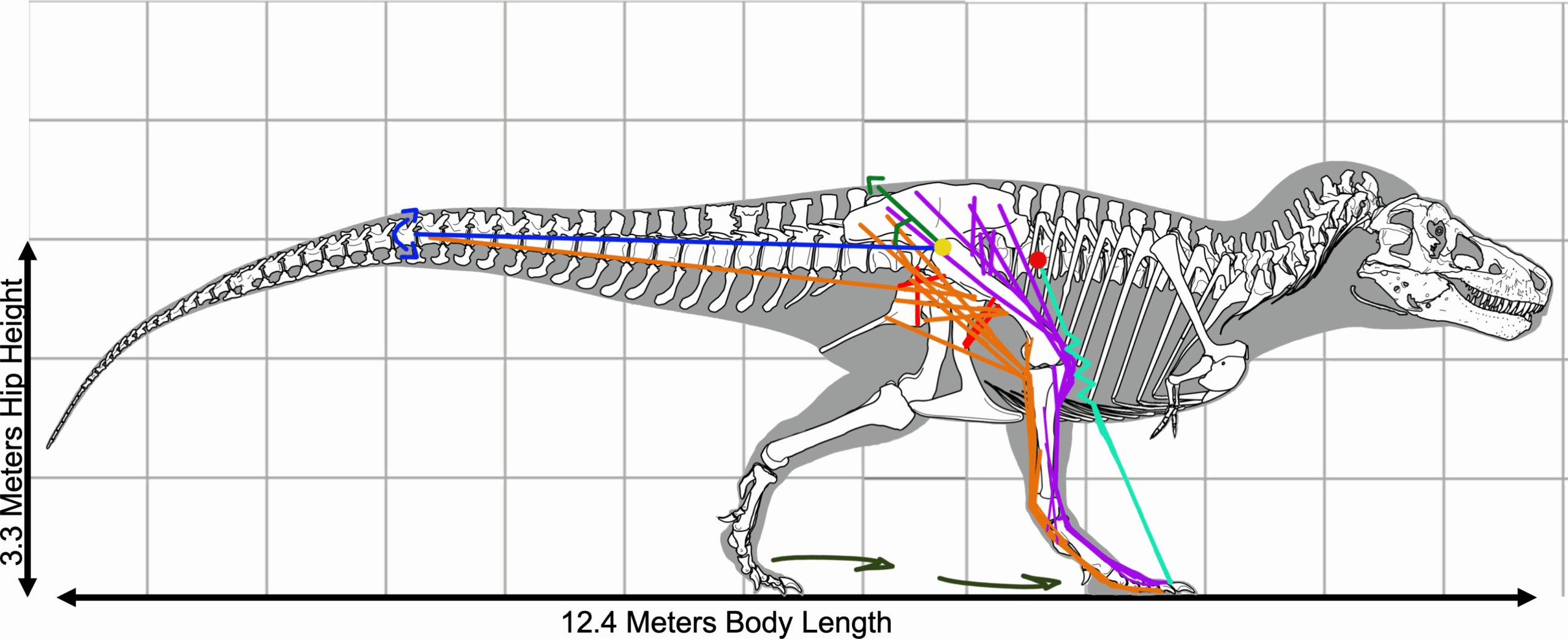
They also stress that equations based on living animals remain an imperfect way to reconstruct an extinct one. The models worked best for larger bipeds and were less reliable for small birds. More importantly, the authors say this approach still does not offer the level of fidelity needed for a final answer on exactly how T. rex ran. They argue that future work should combine bird-like foot function with better reconstructions of musculature, joints and the motion of the tail in three-dimensional models.
That matters because older reconstructions often assumed a more proximal foot strike, which this study argues clashes with fossil trackways, foot anatomy and comparisons with living bipeds.
So the image of T. rex may be shifting again. Not toward a sluggish monster, and not toward a cheetah-sized fantasy, but toward something more controlled, more balanced and a little more elegant than its reputation suggests.
A 10-ton hunter, stepping toe first.
Research findings are available online in the journal Royal Society Open Science.
The original story “Tyrannosaurus rex walked like a bird on its tiptoes” is published in The Brighter Side of News.
Like these kind of feel good stories? Get The Brighter Side of News’ newsletter.
The post Tyrannosaurus rex walked like a bird on its tiptoes appeared first on The Brighter Side of News.

