Losing weight and regaining it has long been blamed for harming metabolism and heart health. But a sweeping new review finds little evidence that weight cycling itself causes lasting damage in people with obesity, raising a more important question about what really drives risk.
Losing weight, gaining it back, then trying again can feel exhausting. For many people, the emotional toll is just as heavy as the physical struggle. Over the years, repeated weight loss and regain, often called “yo-yo dieting” or weight cycling, earned a damaging reputation. Some experts warned it could permanently slow metabolism, increase fat gain and raise the risk of heart disease and diabetes.
A new scientific review now challenges that belief. After examining decades of research in humans and animals, scientists concluded there is no convincing evidence that weight cycling itself causes lasting harm in people with obesity.
The review was led by Professor Faidon Magkos from the University of Copenhagen and Professor Norbert Stefan from the German Center for Diabetes Research, the University Hospital Tübingen and Helmholtz Munich. Together, they analyzed observational studies, clinical trials and animal experiments focused on repeated weight loss and regain.
Their message was direct and reassuring. Trying to lose weight, even if the weight later returns, appears far less harmful than many people once feared.
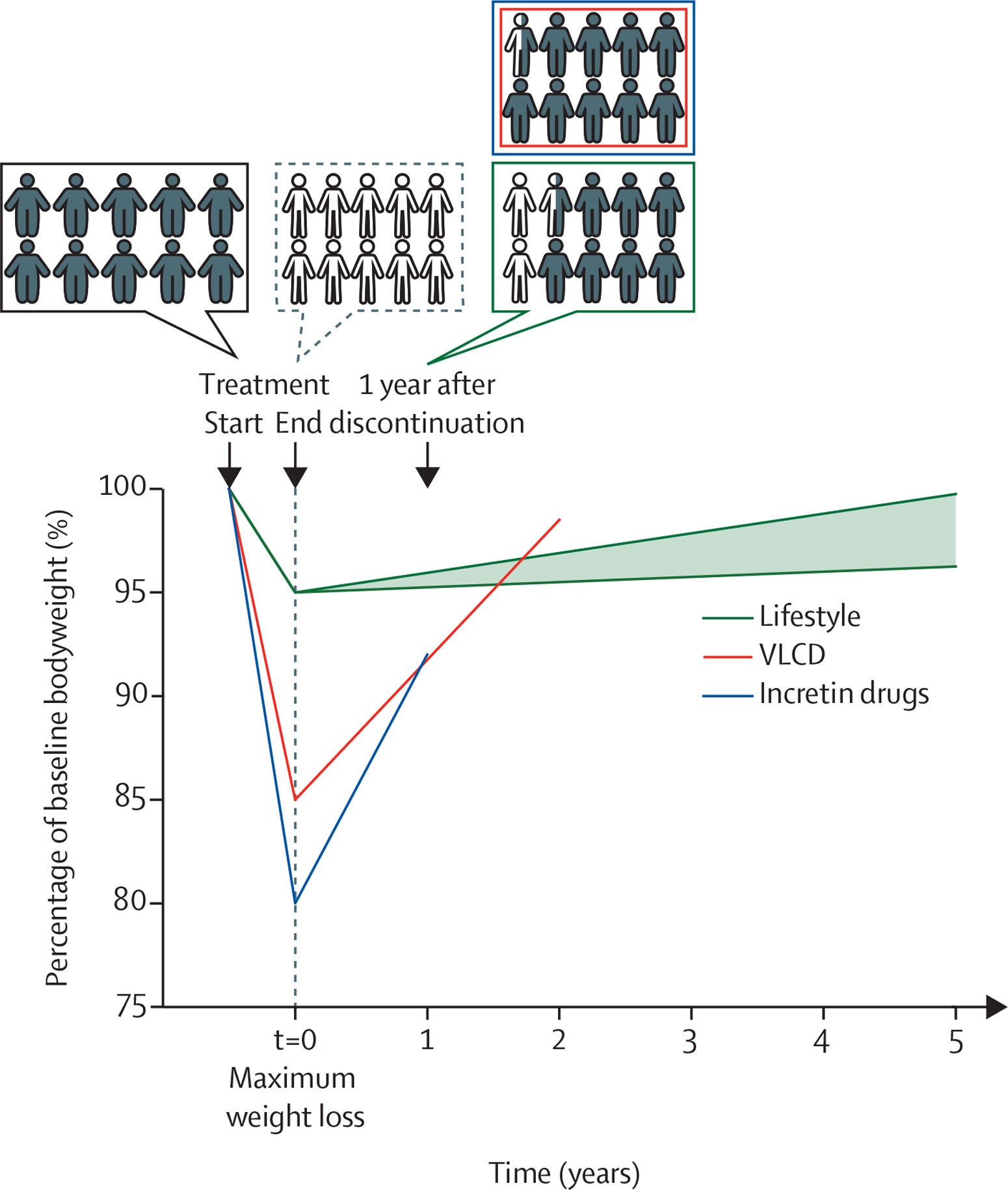
Obesity rates have climbed sharply over the past several decades. Around 2.5 billion people worldwide now live with excess body weight, and nearly 900 million have obesity. At the same time, more people than ever are attempting to lose weight through diet changes, exercise and medications.
Still, maintaining weight loss remains difficult. Most people regain at least some of the weight they lose. In some studies, about 75% of people regained weight after lifestyle-based weight loss. Among people using very-low-calorie diets or newer incretin drugs, nearly 95% regained weight after treatment stopped.
This repeated pattern became known as weight cycling.
For years, scientists and the public worried these cycles could damage the body. Some studies linked weight cycling to higher rates of diabetes, cardiovascular disease and reduced muscle mass. Others suggested repeated dieting might permanently lower resting metabolism.
Those fears shaped public conversation around obesity. Some people stopped trying to lose weight altogether because they feared doing more harm than good.
“Many people struggling with weight are discouraged from trying to lose weight because they fear ‘yo-yo dieting’ will lead to muscle loss and somehow damage their metabolism,” said Magkos. “Our review indicates that these fears are largely unsupported. In most cases, the benefits of trying to lose weight clearly outweigh the theoretical risks of weight cycling.”
The researchers found that many earlier studies had important limitations. Definitions of weight cycling varied widely. Some relied on self-reported memories of body weight, which are often inaccurate. Others failed to separate intentional weight loss from unintentional loss caused by illness.
Another issue involved what scientists call reverse causation. People already prone to obesity or metabolic disease often attempt weight loss more frequently. In these cases, the underlying health problem may drive both the disease risk and repeated dieting attempts.
When researchers adjusted for average body weight over time, many links between weight cycling and disease risk weakened or disappeared entirely.
“Once you properly account for pre-existing health conditions, aging, and overall exposure to obesity, the supposed harmful effects of weight cycling largely disappear,” explained Stefan.
The review found that higher body fat itself, not body weight fluctuation, remains the strongest driver of diabetes and cardiovascular disease risk.
Intentional weight loss still provides important health benefits. Blood sugar levels improve. Blood pressure often drops. Cholesterol and insulin sensitivity usually improve as well.
When people regain weight, many of those improvements fade. However, the evidence suggests most people return to their original baseline health risk rather than becoming worse off than before.
“Regaining weight brings people back toward baseline risk, not beyond it,” said Magkos. “There’s a crucial difference between losing benefits and causing harm.”
One example came from studies involving the weight loss drug tirzepatide. Participants lost about 19 kilograms on average. People who maintained much of that weight loss kept strong improvements in blood sugar, waist size and triglyceride levels.
Participants who regained most of the weight saw those markers move back toward starting levels. Researchers did not find evidence that they became metabolically worse than before treatment.
The review also challenged the common belief that repeated dieting permanently destroys metabolism. Resting metabolic rate does decline after weight loss, but mainly because smaller bodies naturally burn fewer calories.
Some people experience metabolic adaptation, where calorie burn drops slightly more than expected. However, researchers found little evidence that weight cycling causes long-term metabolic suppression beyond what body size predicts.
Many people also fear repeated dieting strips away muscle while adding extra fat during regain.
The review found that lean mass, which includes muscle, typically accounts for 20% to 30% of weight lost during dieting. During weight regain, lean mass often returns alongside fat mass.
Across many human studies, final body composition after weight regain looked similar to baseline levels. In some cases, participants even ended with lower overall body weight than where they started.
The researchers emphasized that diet quality and exercise habits matter greatly. Resistance training and higher protein intake helped preserve lean mass during weight loss.
Meta-analyses showed lean mass accounted for about 11% of total weight loss when diet was paired with exercise. Without exercise, lean mass losses were much higher.
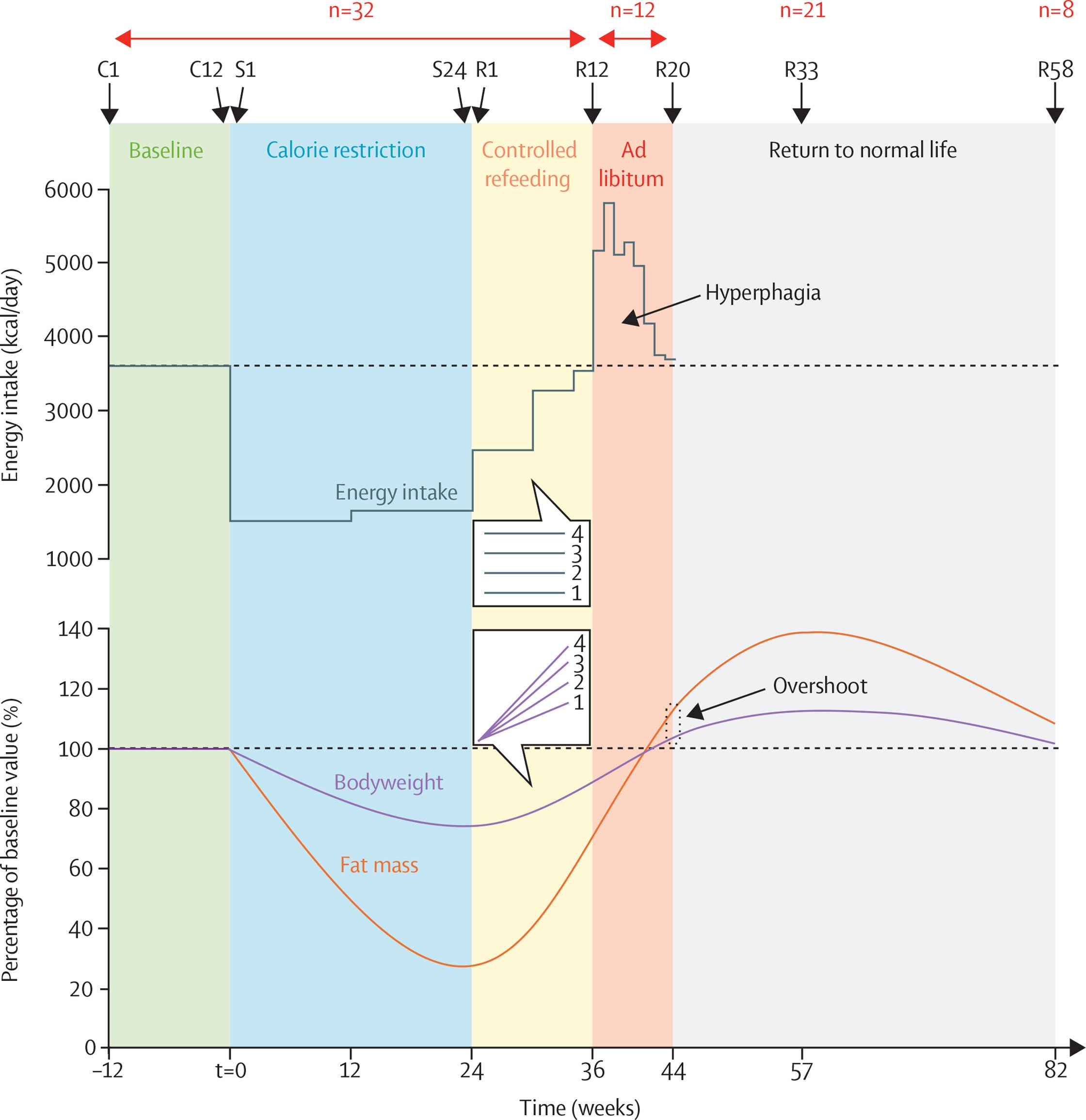
The review also revisited the Minnesota Starvation Experiment from World War II, a study often cited in discussions about dieting damage.
In that experiment, healthy young men consumed about 1,570 calories daily for 24 weeks and lost up to 28% of their body weight. During refeeding, body fat briefly rose above baseline before eventually normalizing months later.
The authors stressed that this severe starvation experiment differs greatly from modern obesity treatment. Most weight loss programs today involve people living with obesity, not lean individuals facing semi-starvation conditions.
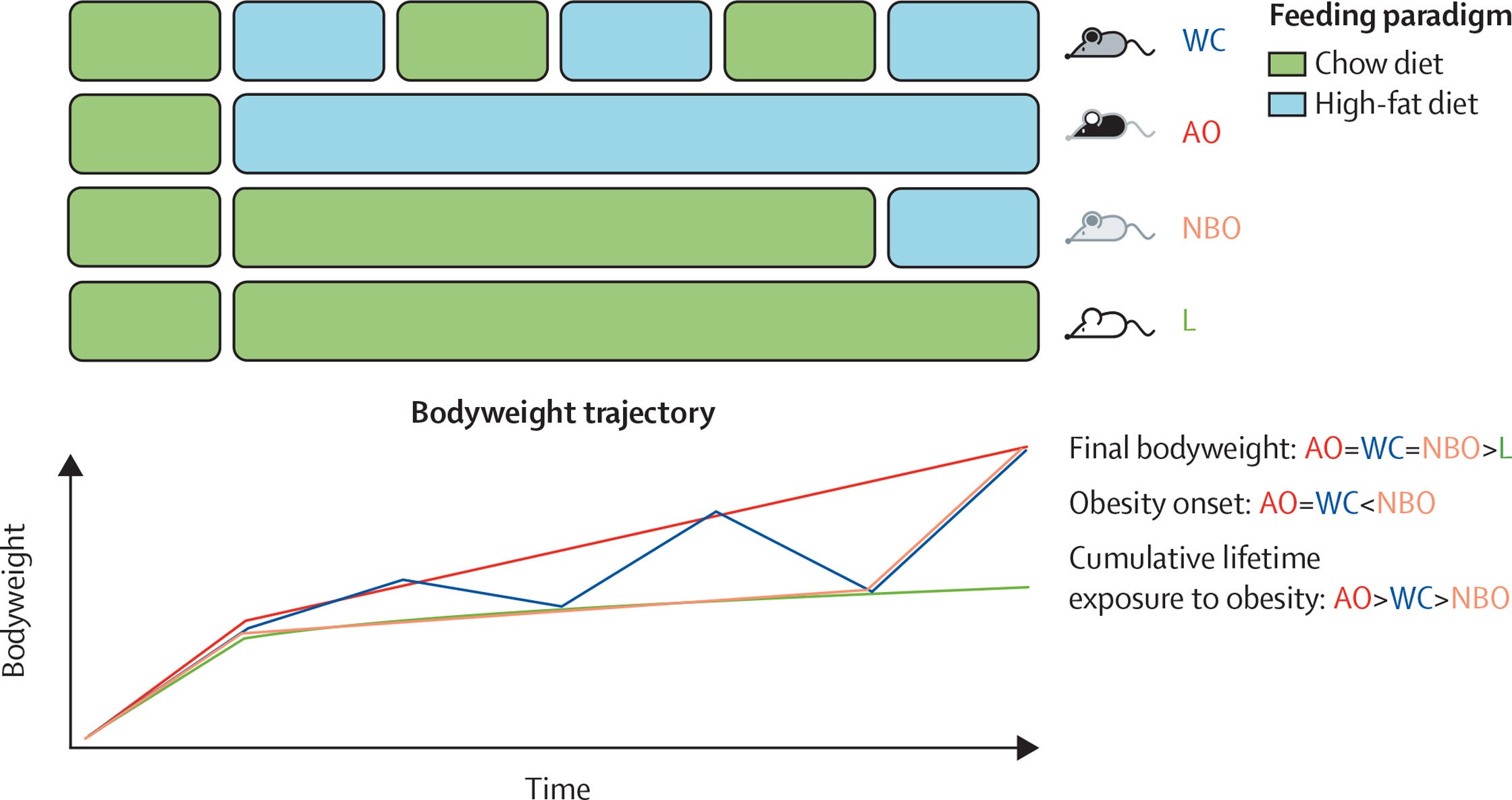
Animal studies produced mixed findings as well. Some rodents showed worsened glucose control after repeated cycles. Others did not. Results varied by age, sex and genetic background.
Compared with animals that remained obese continuously, weight-cycled animals often had lower body fat and better metabolic health.
The findings arrive as GLP-1 medications and dual incretin agonists transform obesity treatment. Drugs such as semaglutide and tirzepatide can produce weight loss ranging from 15% to 25% of starting body weight.
Yet substantial regain often occurs when medication stops.
The researchers argue that this pattern should not automatically be viewed as dangerous. Even temporary periods of lower weight may improve quality of life and reduce metabolic risk for meaningful stretches of time.
The authors stressed that people should not feel ashamed or defeated if they regain weight after treatment or dieting.
Frustration remains real. Weight cycling can feel emotionally draining. But the review noted that nearly 90% of people who eventually achieve long-term weight loss experienced several failed attempts beforehand.
In other words, repeated attempts may not represent failure. They may simply be part of the process.
This review may help change how doctors, patients and the public talk about obesity treatment. Many people avoid weight loss attempts because they fear permanently harming their metabolism or body composition. The findings suggest those fears are largely unsupported by current evidence.
The research also reinforces the importance of focusing on overall health rather than perfection. Even temporary weight loss can improve blood sugar, blood pressure and quality of life. If some weight later returns, it does not mean the body has become permanently damaged.
For clinicians, the review may encourage more supportive conversations around obesity care. Patients may feel less guilt and hopelessness if they understand that regaining weight does not erase the value of trying.
Researchers now want to explore how weight cycling affects brain pathways, organ fat and differences across age and sex. Future studies may also help improve strategies for long-term weight maintenance.
Research findings are available online in the journal The Lancet Diabetes & Endocrinology.
The original story “New research challenges the belief that yo-yo dieting ruins your metabolism” is published in The Brighter Side of News.
Like these kind of feel good stories? Get The Brighter Side of News’ newsletter.
The post New research challenges the belief that yo-yo dieting ruins your metabolism appeared first on The Brighter Side of News.


Leave a comment
You must be logged in to post a comment.