Maiasaura dinosaur teeth carry a quiet clue: babies were not eating what adults ate. Tiny wear marks suggest young duck-bills got softer, richer food, adding fresh weight to the idea that some dinosaurs cared for offspring in surprisingly bird-like ways.
Tiny scratches on fossilized dinosaur teeth are giving scientists a rare glimpse into family life from nearly 80 million years ago. A new study suggests that baby duck-billed dinosaurs may have eaten softer, richer and more nutritious foods than the adults that cared for them.
The findings come from a close examination of Maiasaura peeblesorum, a plant-eating dinosaur that lived during the Late Cretaceous period. Paleontologists discovered that young Maiasaura had very different tooth wear patterns than adults. Those differences suggest the juveniles likely consumed low-fiber foods such as fruits, buds or other tender plant material, while adults mostly ate tougher vegetation.
The study adds new evidence to a long-running idea that Maiasaura were unusually attentive parents. Researchers say the feeding behavior may resemble the way many modern birds feed their young today.
“The urge for a bird to feed a youngster is a very old behavior,” said John Hunter, lead author of the study and associate professor in evolution, ecology and organismal biology at The Ohio State University. “What we’re providing is that evidence for that behavior probably goes much further than the origin of birds, perhaps to the origin of dinosaurs.”
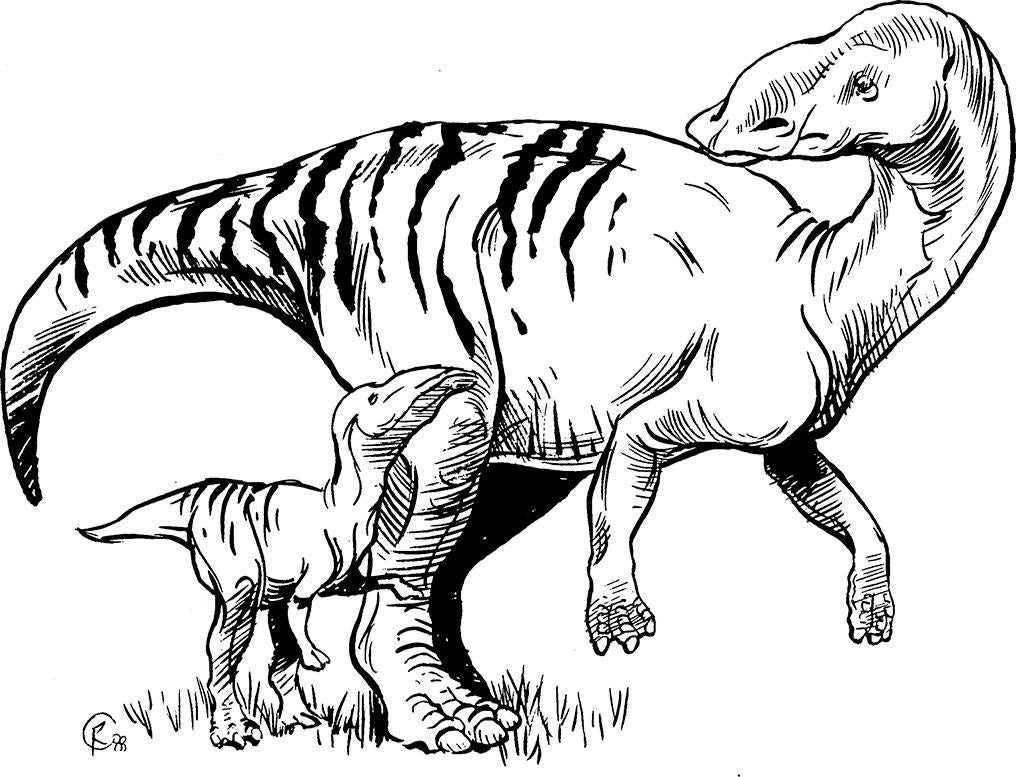
Maiasaura has long held a special place in dinosaur science. The species was first discovered in Montana and quickly became famous because of large nesting grounds filled with eggs, hatchlings and juvenile remains.
The dinosaur’s name roughly means “good mother lizard,” reflecting the early evidence that these animals cared for their offspring. Fossilized nests showed that young dinosaurs remained in the nest after hatching, unlike many reptiles that become independent almost immediately.
These large herbivores traveled in herds and belonged to a group known as hadrosaurs, or duck-billed dinosaurs. They were among the most successful plant-eating dinosaurs of the Late Cretaceous.
Scientists have spent decades studying their growth, nesting and social behavior. Yet researchers still lacked direct evidence showing what the babies actually ate.
That changed when scientists turned their attention to the microscopic wear patterns left behind on fossil teeth.
Teeth preserve a record of how animals chew food. Different foods leave different marks behind.
Tough, fibrous plants create slicing and scraping patterns known as shearing wear. Softer foods produce flatter crushing wear.
To investigate the diets of Maiasaura, the researchers compared fossil teeth from juvenile animals with those from adult hadrosaurs. Adult Maiasaura fossils were limited, so the team used closely related adult species for comparison.
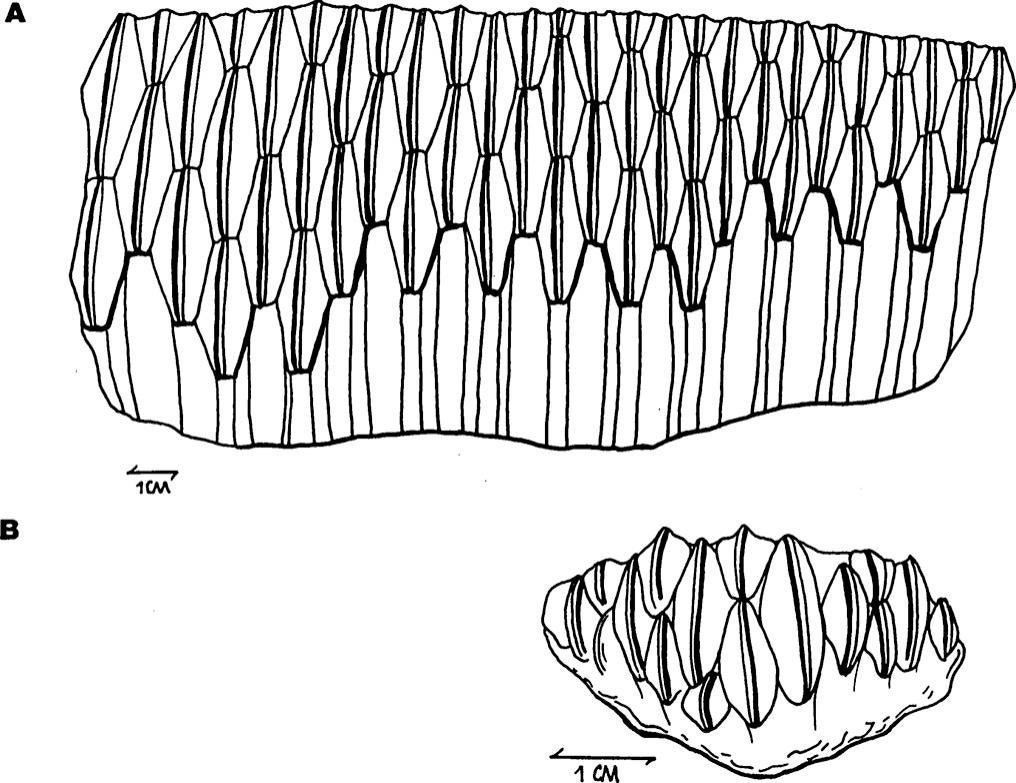
The differences stood out immediately.
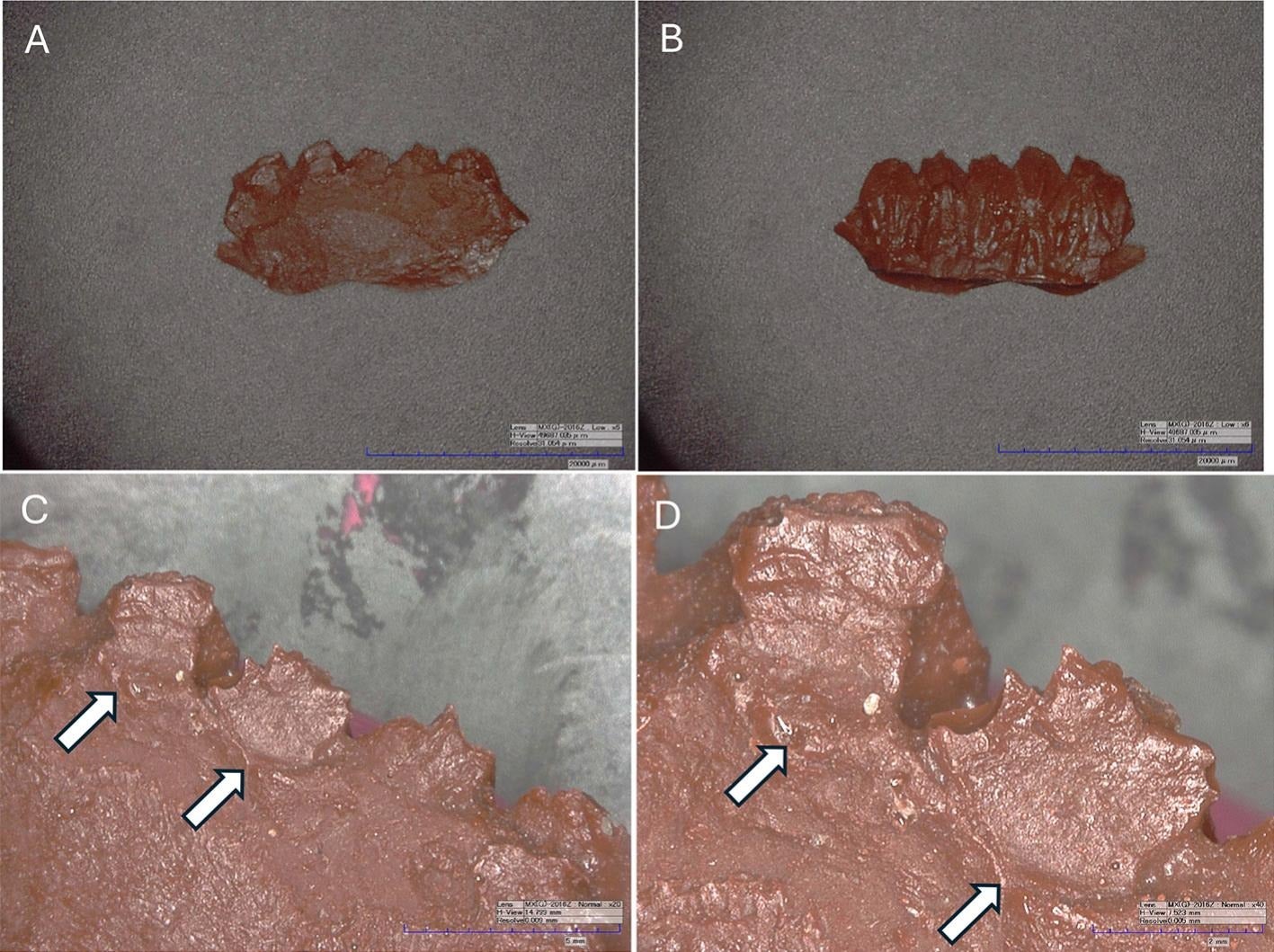
Juvenile teeth showed much more crushing wear. Adults displayed stronger shearing wear. The pattern suggested the two age groups were eating very different diets.
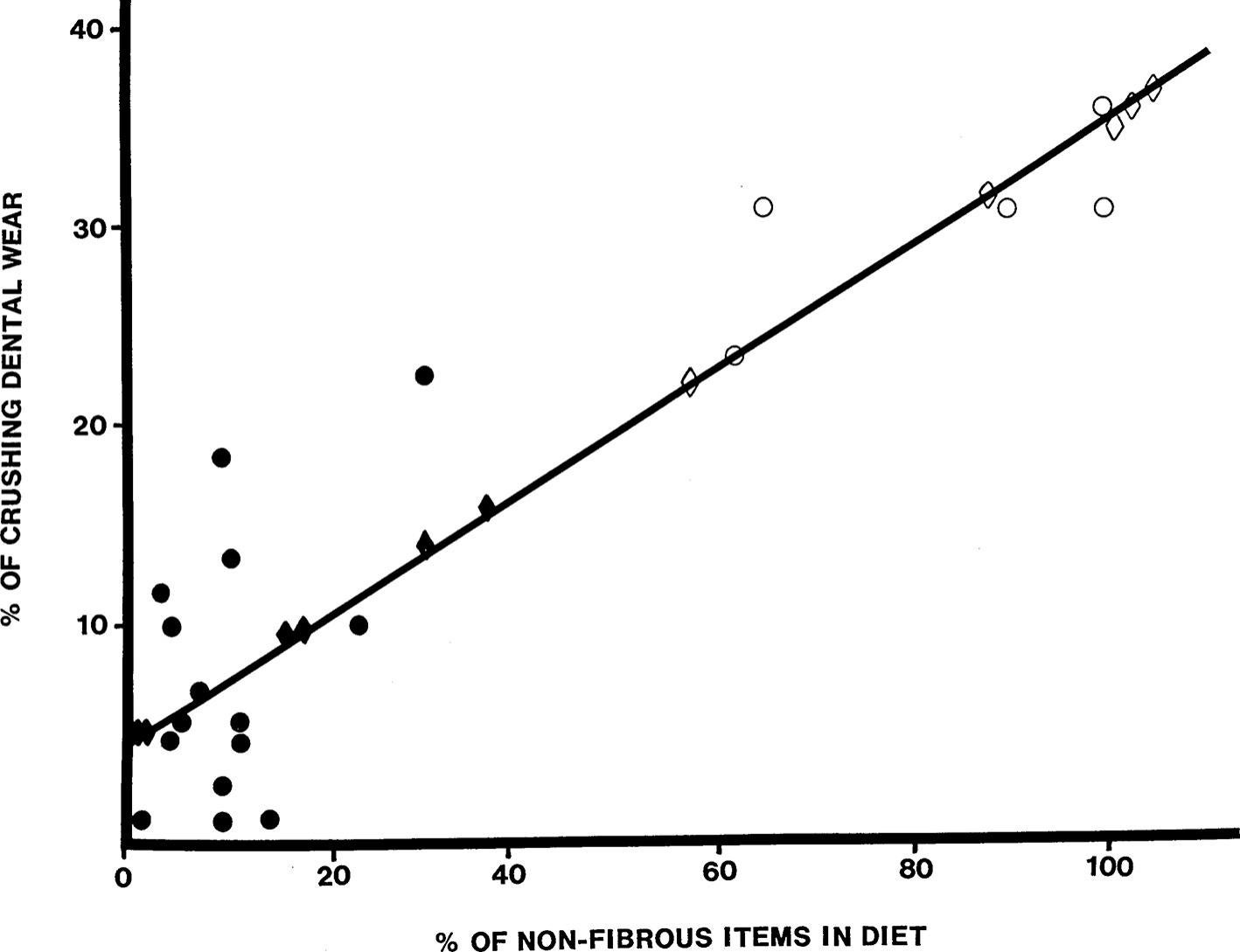
Researchers measured the amount of crushing wear across each tooth surface. Juveniles consistently showed much higher percentages than adults. Some young specimens displayed crushing wear across nearly half the chewing surface.
That pattern resembles what scientists see in modern mammals that eat softer foods.
“In mammals today, the same patterns of shearing wear would likely be present in grazers like horses, antelopes and cows, while low-fiber diet eaters like tapirs would have dental patterns similar to the young dinosaurs,” the study explained.
The findings suggest juvenile Maiasaura likely consumed nutrient-rich foods during early development. Softer plant material such as fruits, seeds or buds would have provided more digestible energy and protein than mature leaves or stems.
That nutrition may have played an important role in helping the young dinosaurs grow rapidly.
Previous studies already showed that Maiasaura juveniles grew at remarkable speeds during their first year. Bone evidence suggests they reached more than half their adult size in a relatively short period.
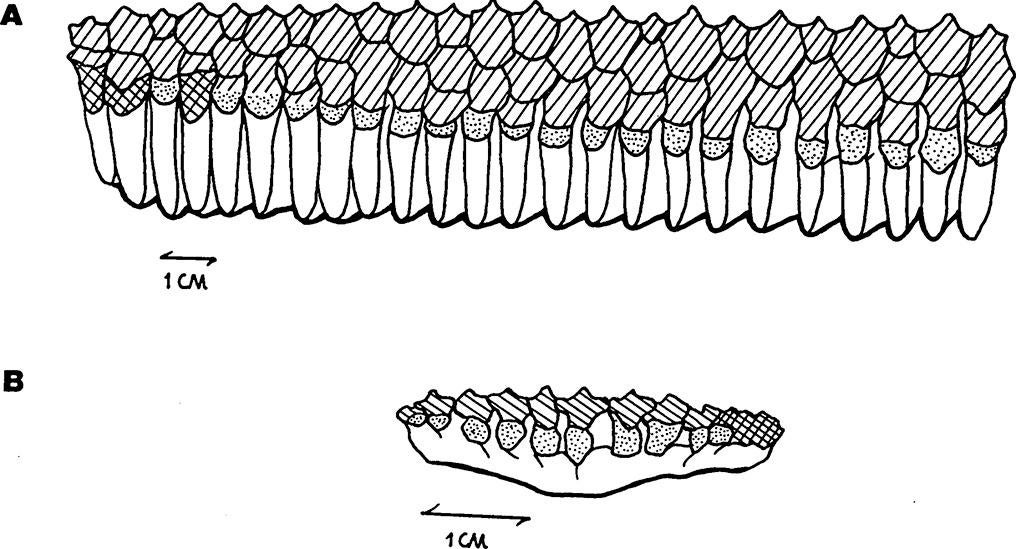
The new tooth evidence helps explain how they fueled that growth.
Scientists believe the young dinosaurs were probably too helpless to gather this type of food on their own during the first weeks after hatching. Their fossils show they remained inside nests during early life, much like nestling birds.
This raises the possibility that adults actively brought food back to the nest.
Modern birds often feed their young specialized diets. Parents may collect insects, fruit or nutrient-rich material for chicks even when adults eat something completely different.
Some birds also partially digest or regurgitate food before feeding their offspring.
Researchers say similar behavior may have existed in Maiasaura.
The study proposes several possibilities. Adults may have gathered softer plant material specifically for juveniles. Another explanation is that parents fed partially regurgitated food to their young.
Hunter said these kinds of behaviors likely stretch much further back in evolutionary history than scientists once believed.
“The further back in time you go, the less of a fossil record you have, so paleontologists have to draw from different sources of inspiration from different parts of the living,” he said. “So even among closely related dinosaurs, there is probably still quite a bit to learn about them.”
The evidence also strengthens the growing connection between dinosaurs and modern birds. Birds evolved from theropod dinosaurs, but studies like this suggest that complex parental care behaviors may have appeared even earlier among different dinosaur groups.
Maiasaura already stood out because of its nesting colonies. Fossil evidence from Montana’s Two Medicine Formation showed nests spaced in organized patterns, similar to some modern bird colonies.
Researchers believe adults likely returned repeatedly to care for hatchlings.
The new dietary findings add another layer to that social picture.
Instead of simply laying eggs and leaving, these dinosaurs may have invested substantial energy into raising young. Providing high-quality food would have required time, effort and coordinated behavior.
That level of care was uncommon among most animals living at the time.
Scientists say understanding these behaviors helps reconstruct how dinosaurs survived and thrived millions of years ago. It also offers clues about how social traits evolve across generations.
The researchers caution that alternative explanations remain possible.
Differences in jaw shape or chewing mechanics between juveniles and adults could partly explain the wear patterns. Young animals may also have processed food differently because of their developing skull structure.
Another possibility is that juveniles briefly left nests to forage independently, similar to some modern reptiles. However, the researchers believe that explanation is less likely because hatchlings appeared highly dependent on adults early in life.
The team hopes future discoveries will provide clearer answers.
If paleontologists can study even younger fossils, including embryos and newly hatched dinosaurs, they may uncover more direct evidence about feeding and parental behavior.
This research deepens scientists’ understanding of dinosaur social behavior and early evolution. The findings suggest that sophisticated parenting strategies may have appeared much earlier than previously believed. That changes how researchers think about dinosaur intelligence, social organization and survival.
The study also strengthens evolutionary links between dinosaurs and modern birds. Behaviors such as feeding young specialized diets or regurgitating food may have ancient origins that stretch back tens of millions of years.
Beyond dinosaurs, the research demonstrates how fossil teeth can reveal hidden details about animal behavior, growth and ecology. These methods may help scientists study other extinct species and better understand how parenting strategies evolved over time.
Research findings are available online in the journal Palaeogeography Palaeoclimatology Palaeoecology.
The original story “Fossil study finds dinosaur parents fed their young special diets” is published in The Brighter Side of News.
Like these kind of feel good stories? Get The Brighter Side of News’ newsletter.
The post Fossil study finds dinosaur parents fed their young special diets appeared first on The Brighter Side of News.


Leave a comment
You must be logged in to post a comment.