Far below the Arctic’s drifting ice, the seafloor has begun to change in a way few people ever see. Stones are falling out of melting icebergs, landing on soft deep-sea mud, and creating new places for life to take hold.
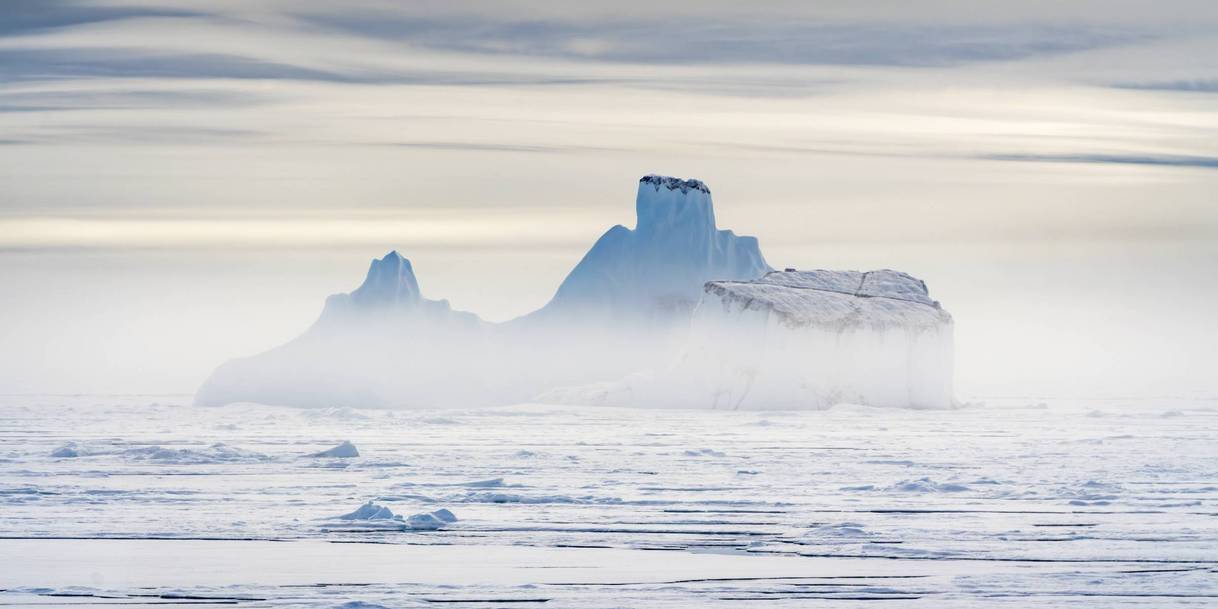
That shift starts much farther north, where large glaciers in northeast Greenland and parts of the Russian Arctic are breaking apart more often than they once did. As those glaciers calve, they do not release clean ice alone. They also send out icebergs packed with rock fragments and sediment scraped up during years of travel.
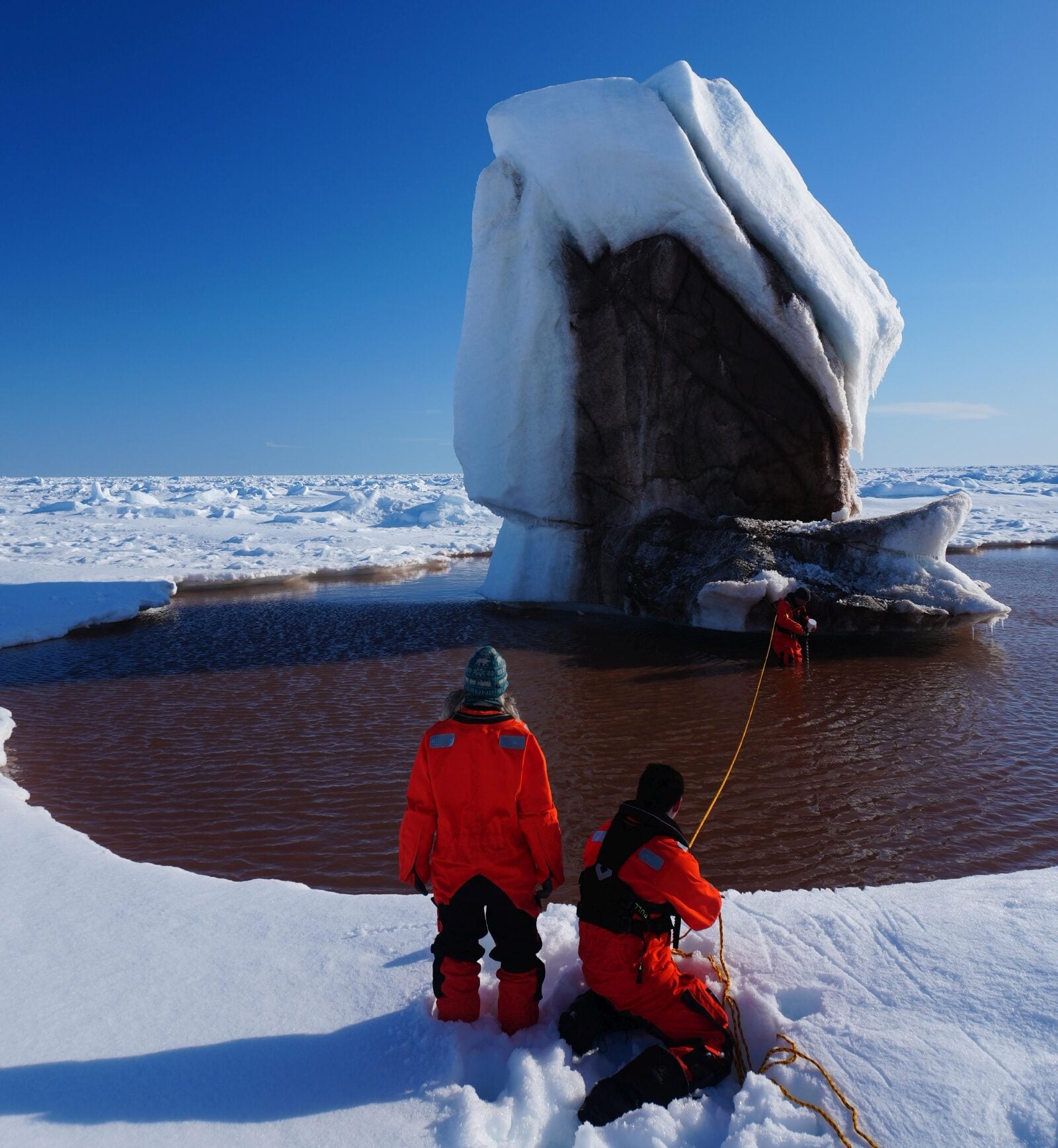
In the Fram Strait, between Greenland and Svalbard, scientists began noticing just how much debris some of those icebergs were carrying. During a 2021 expedition aboard the research icebreaker Polarstern, biologist Melanie Bergmann of the Alfred Wegener Institute spotted something striking from a helicopter.
“Some of the icebergs were carrying unusually large amounts of debris and looked almost black from above.”
The sight stood out even to seasoned Arctic researchers. Bergmann and her colleagues documented the rock spread across the ice and collected samples. The team quickly realized this was not a small, local oddity.
“ We immediately realised that tonnes of rock were drifting through the Arctic Ocean, hundreds of kilometres away from any glacier.”
The deeper clue was waiting 2,500 meters below the surface.
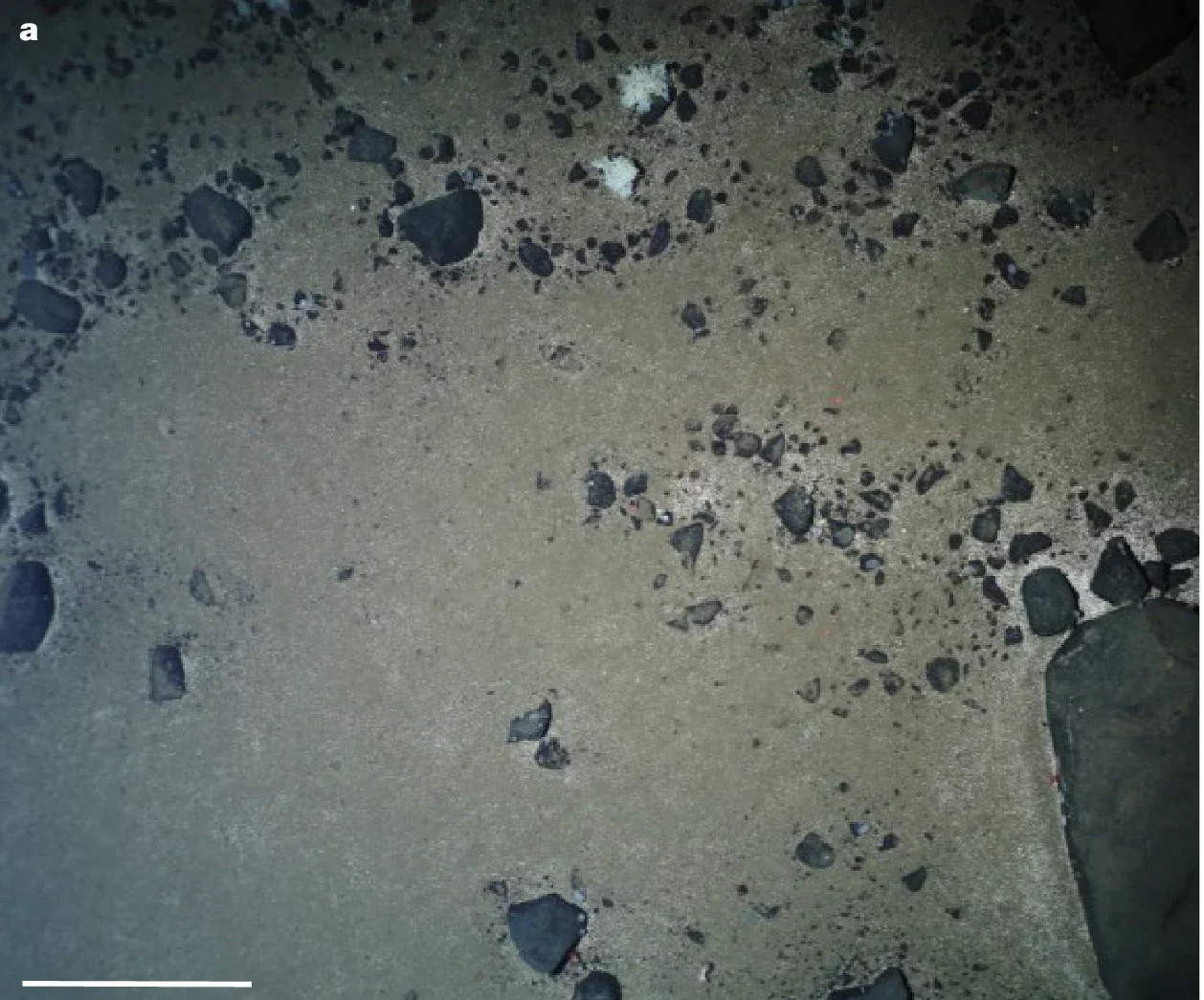
Photos from the Alfred Wegener Institute’s long-running HAUSGARTEN observatory showed that the stones had already begun leaving a visible trail on the seabed. In a place where soft sediment normally dominates, fresh rock clusters were appearing in greater numbers.
Kirstin Meyer-Kaiser of the Woods Hole Oceanographic Institution analyzed deep-sea images from recent expeditions and saw a clear change. “Where previously there were only isolated stones of various sizes, we are now finding much larger accumulations, frequently in small groups. And with each new stone, a permanent settlement is created on the seabed. Sponges, anemones and other animals that favour hard substrates can settle there. As a result, biodiversity in the deep sea is increasing.”
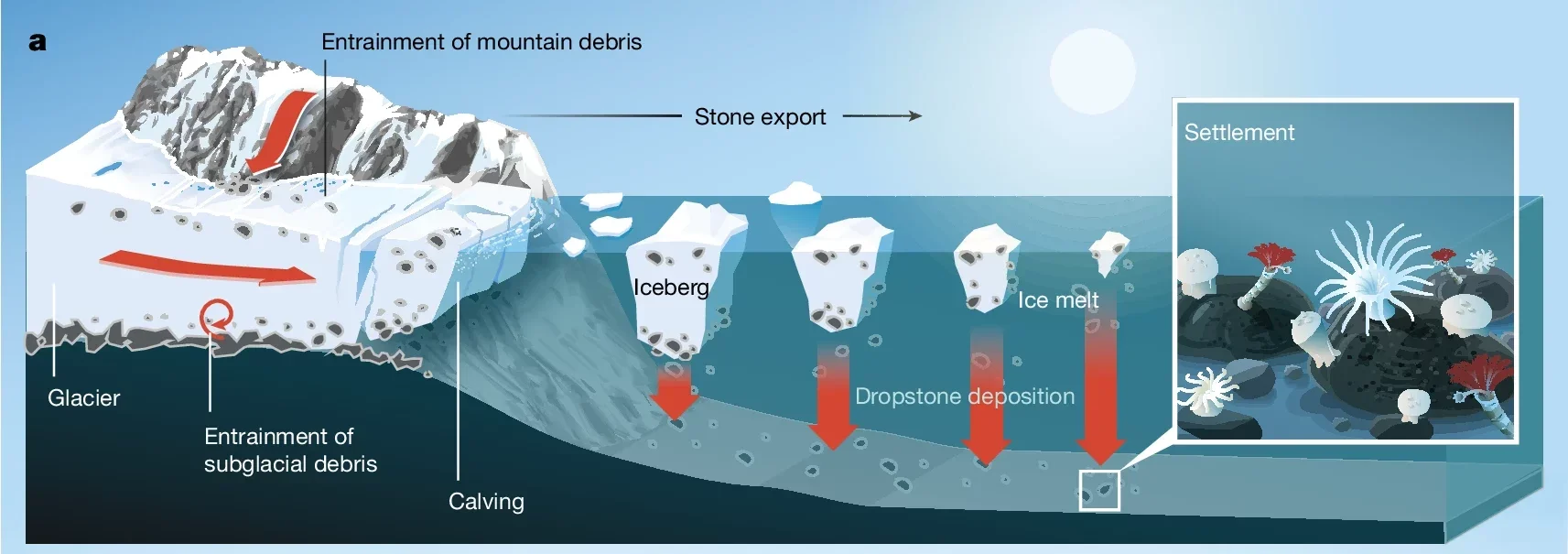
That matters because much of the deep Arctic seafloor offers little solid surface for attached animals. Dropstones, the rocks released by melting icebergs, interrupt that pattern. They give sponges, cnidarians and other hard-bottom species a place to anchor. In turn, those creatures can support other animals living on and around them.
The study found that dropstone density at one HAUSGARTEN station rose from 1.59 stones per square meter in 2015 to 1.93 in 2017. At the same time, the density and richness of animals living on those stones also increased. Two encrusting sponge morphotypes showed especially strong gains.
The stones on the iceberg and the stones on the seabed matched in both size distribution and mineral composition, strengthening the link between what was drifting at the surface and what was settling into the deep.
The next question was whether this was just a local burst of activity or part of a larger climate-driven change.
That was not easy to answer. Small icebergs, bergy bits and growlers are hard to track by satellite when they sit inside dense pack ice. That left scientists without a reliable long-term record of how many were moving through the Fram Strait.
Thomas Krumpen, a sea-ice physicist at the Alfred Wegener Institute and co-lead author of the study, said the team had to prove that the frequency of icebergs in the region had changed if they wanted to connect the growing stone deposits to climate change.
The breakthrough came from an unexpected source: shipboard observations taken from the bridge of the Polarstern over roughly 40 years. Originally logged as part of routine weather observations, those records noted whether icebergs were visible near the vessel.
“This data set is actually a by-product of the regular weather records, but it turned out to be crucial for this issue,” Krumpen said.
The analysis showed a strong rise in iceberg frequency in the Fram Strait, about 6.4 percent per decade. Before 2000, sightings were relatively low. After 2000, they stepped up sharply. Groups containing more than five icebergs also became more common.
The team then traced likely iceberg origins using satellite-based backtracking. Many of the icebergs in the western Fram Strait pointed back to two major northeast Greenland outlets, Nioghalvfjerdsfjorden glacier and Zachariæ Isstrøm. Icebergs in the eastern Fram Strait were linked mainly to marine-terminating glaciers in the Russian Arctic, especially on Severnaya Zemlya and Franz Josef Land.
The timing matters. The northeast Greenland glaciers, especially Zachariæ Isstrøm, lost stability after the early 2000s, with faster retreat and increased calving tied to atmospheric and ocean warming. The stepwise rise in iceberg sightings farther south closely matches that shift.
The researchers also used a sea ice-ocean model to test another piece of the puzzle: whether changing Arctic sea ice helped move more icebergs into the Fram Strait. The simulations suggest it did.
As pack ice has become more mobile and retreated, icebergs have moved faster along major drift corridors and spent more time exposed to open water. That increases melting, which in turn releases more rock cargo into the ocean. The model showed a relative gain in iceberg crossings of about 69 percent in the western Fram Strait and about 56 percent in the eastern Fram Strait after 2005, compared with earlier baseline conditions.
So the story is not just more calving. It is also more efficient transport.
That combination links events on land to changes in the deep sea hundreds of kilometers away. It also creates a more immediate human problem.
“An increasing presence of icebergs in certain regions of the Arctic harbours considerable risks, for example for cruise ships and cargo ships, which are travelling in ever greater numbers in the ice or near the ice edge, as well as for exploration activities for oil and gas,” Krumpen said. “As fishing moves further north, newly deposited stones in shallower areas could also become a risk for bottom trawling in the future.”
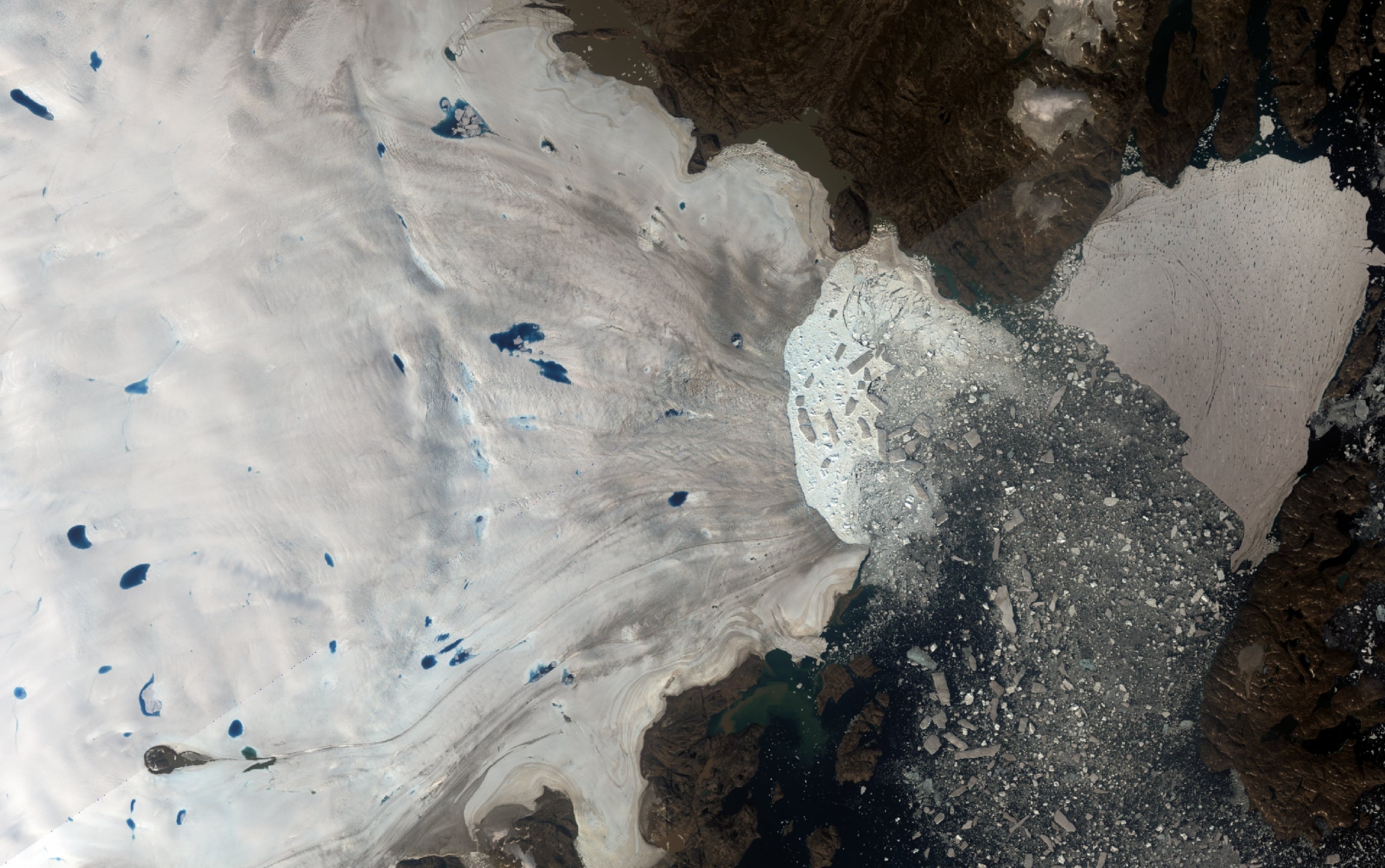
The study shows that Arctic warming is not only shrinking ice and changing coastlines. It is also altering what reaches the deep seafloor, where new rocky habitat can slowly reshape marine communities over years or decades.
For science, that means the deep Arctic cannot be treated as isolated from glacier change at the surface. For industry and navigation, the findings point to a more crowded and less predictable iceberg environment in parts of the Arctic Ocean.
Better iceberg monitoring could help ships avoid dangerous routes near ice edges and improve planning for fishing and offshore operations. The research also offers a scientific basis for hazard forecasting services as Arctic traffic grows and the region continues to warm.
Research findings are available online in the journal Nature.
The original story “The number of icebergs in the Arctic is surging and transforming life on the ocean floor” is published in The Brighter Side of News.
Like these kind of feel good stories? Get The Brighter Side of News’ newsletter.
The post The number of icebergs in the Arctic is surging and transforming life on the ocean floor appeared first on The Brighter Side of News.


Leave a comment
You must be logged in to post a comment.