Deep within tropical forests, sloths move at a pace that seems almost frozen in time. Their slow movements, low energy use, and quiet lives have long puzzled scientists. Now, researchers have taken a major step toward understanding how these animals function at such a different rhythm from the rest of the animal world.
A global team led by the Wellcome Sanger Institute, alongside collaborators from the Leibniz Institute for Zoo and Wildlife Research and Hospital Sírio Libanês, has sequenced and analyzed the genome of the two-toed sloth. Their findings reveal how unusual DNA elements may shape the animal’s famously slow metabolism.
The results provide new insight into how evolution has crafted one of nature’s most energy-efficient mammals, and they may offer clues for human health as well.
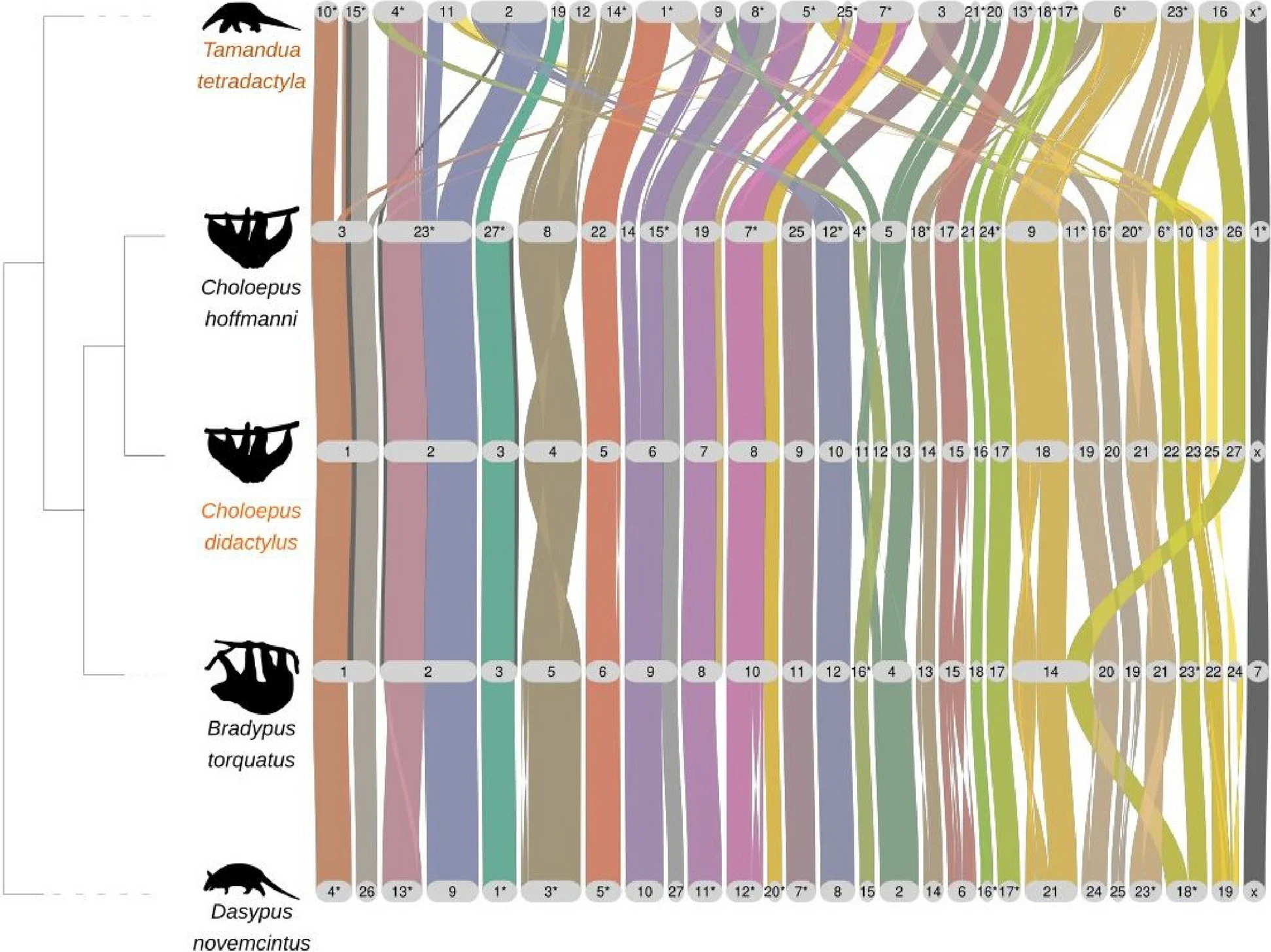
Sloths belong to a group of mammals known as Xenarthra, which also includes armadillos and anteaters. This lineage first appeared more than 65 million years ago in South America. Over time, it produced a wide range of species, including massive ground sloths that once roamed the land.
Today’s sloths are much smaller and live in trees. They spend most of their lives hanging upside down, blending into the forest canopy. Their slow pace is not just behavior, it is built into their biology.
Their metabolism ranks as the lowest among mammals. It often falls to less than half of what scientists expect for animals of similar size. To conserve energy, sloths allow their body temperature to shift with the environment, instead of tightly controlling it.
Despite their stillness, they are capable swimmers and can travel long distances in water when needed. Their lives reflect a careful balance between conserving energy and surviving in a competitive ecosystem.
Understanding such unusual biology has not been easy. Sloths are difficult to study in the wild, and their genetics remained only partly understood until recently.
To overcome this challenge, scientists extracted DNA from a captive two-toed sloth. Advanced sequencing techniques allowed them to build a detailed map of its genome. They then compared this map with the genomes of related species, including anteaters and armadillos.
This method, known as comparative genomics, helps researchers identify what makes each species unique. By examining differences across species, scientists can trace how certain traits evolved.
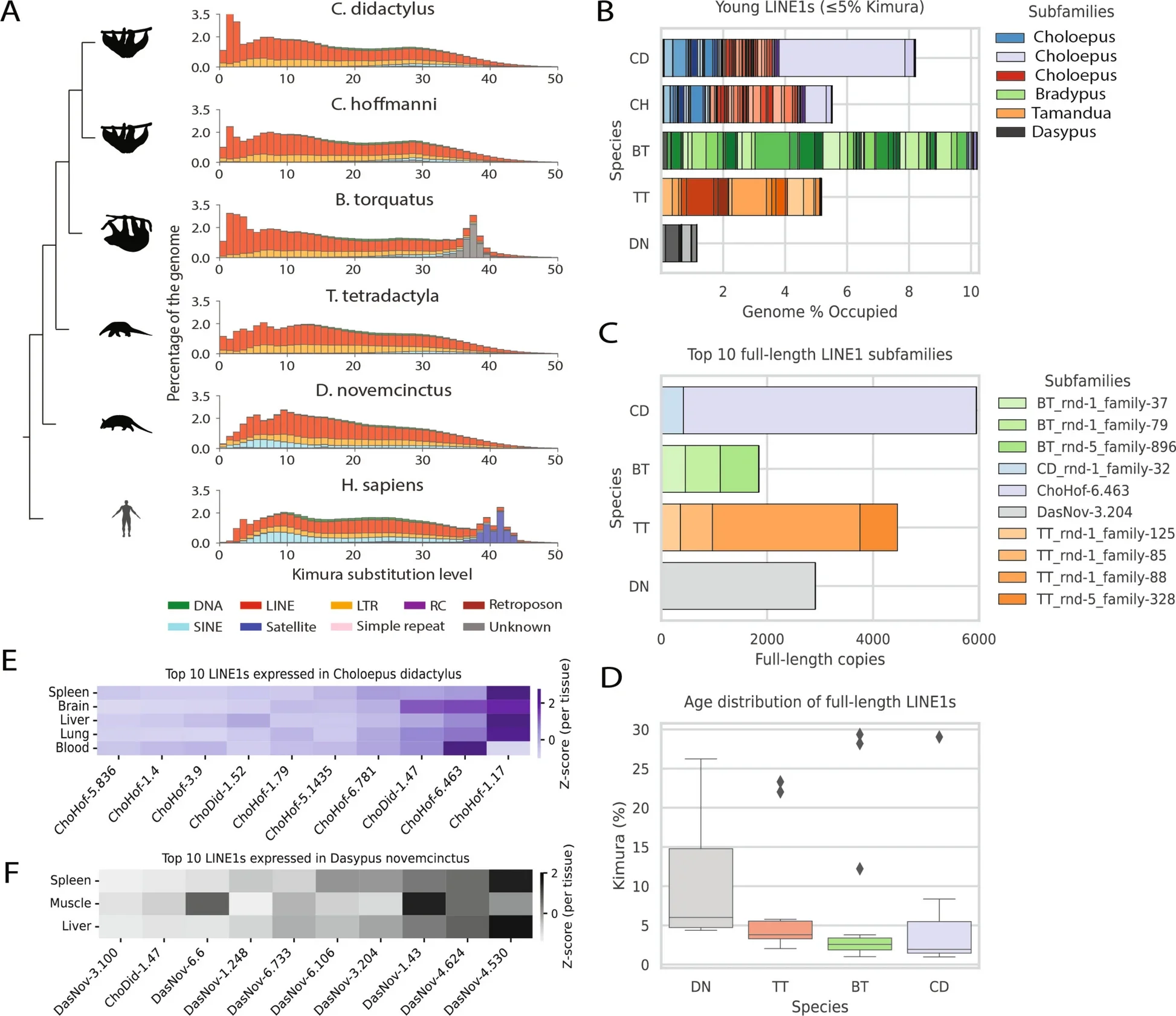
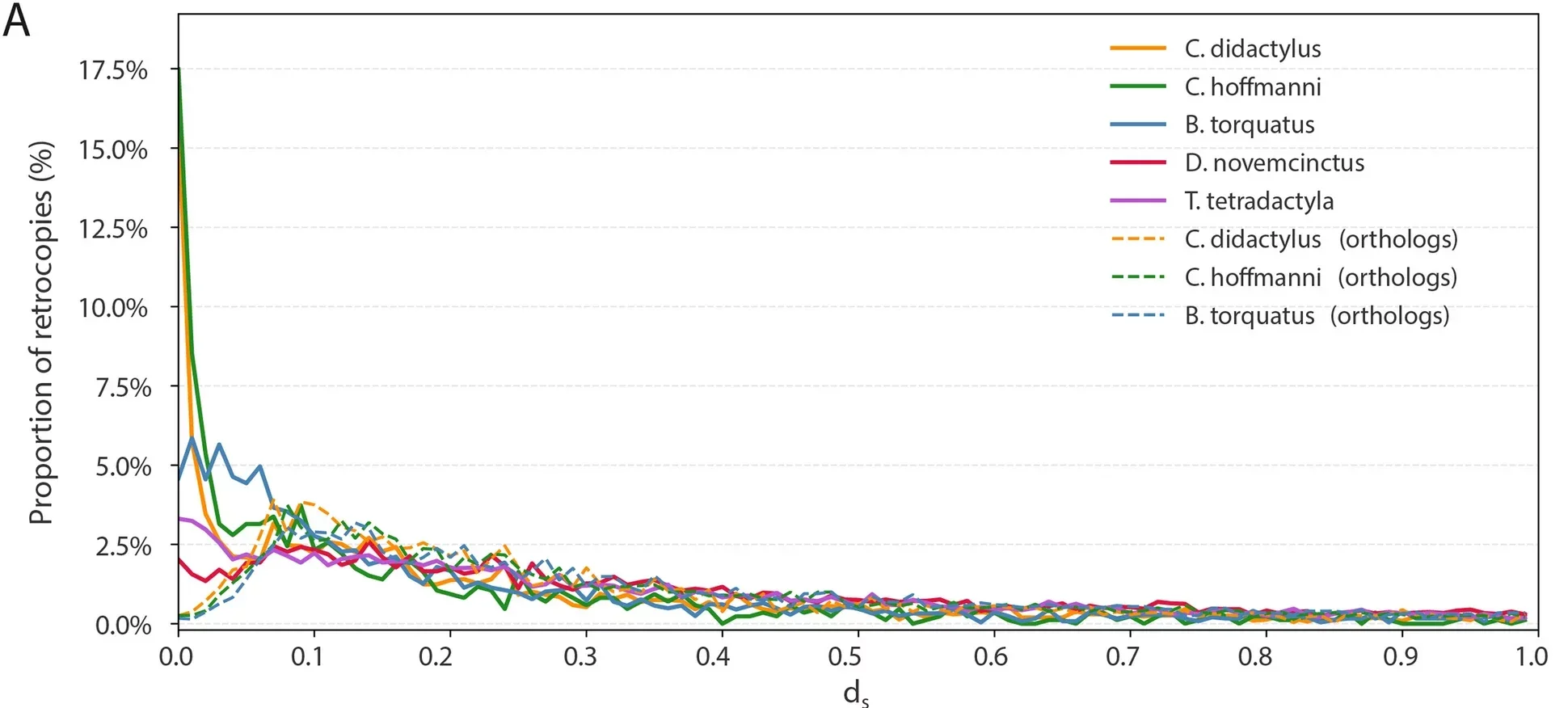
The results revealed something unexpected. The sloth genome contains a large number of active DNA sequences known as transposable elements, often called “jumping genes.”
Transposable elements are pieces of DNA that can copy and move themselves within the genome. In many species, including humans, these elements exist but are usually inactive or broken.
In sloths, however, many of these sequences remain active. They can rearrange parts of the genome, creating new patterns of genetic activity.
Researchers found that these “jumping genes” appeared in the common ancestor of modern sloths around 30 million years ago. Since then, they have remained a stable and defining feature of the sloth genome.
Dr Marcela Uliano-Silva, co-lead author at the Wellcome Sanger Institute, described the significance of this discovery. “Evolution has already run billions of experiments. By studying unusual animals like sloths, we sometimes uncover biological solutions that humans never evolved.”
These genetic elements appear to play a key role in shaping how sloths process energy.
One of the most striking findings is the connection between these mobile DNA elements and the body’s energy systems.
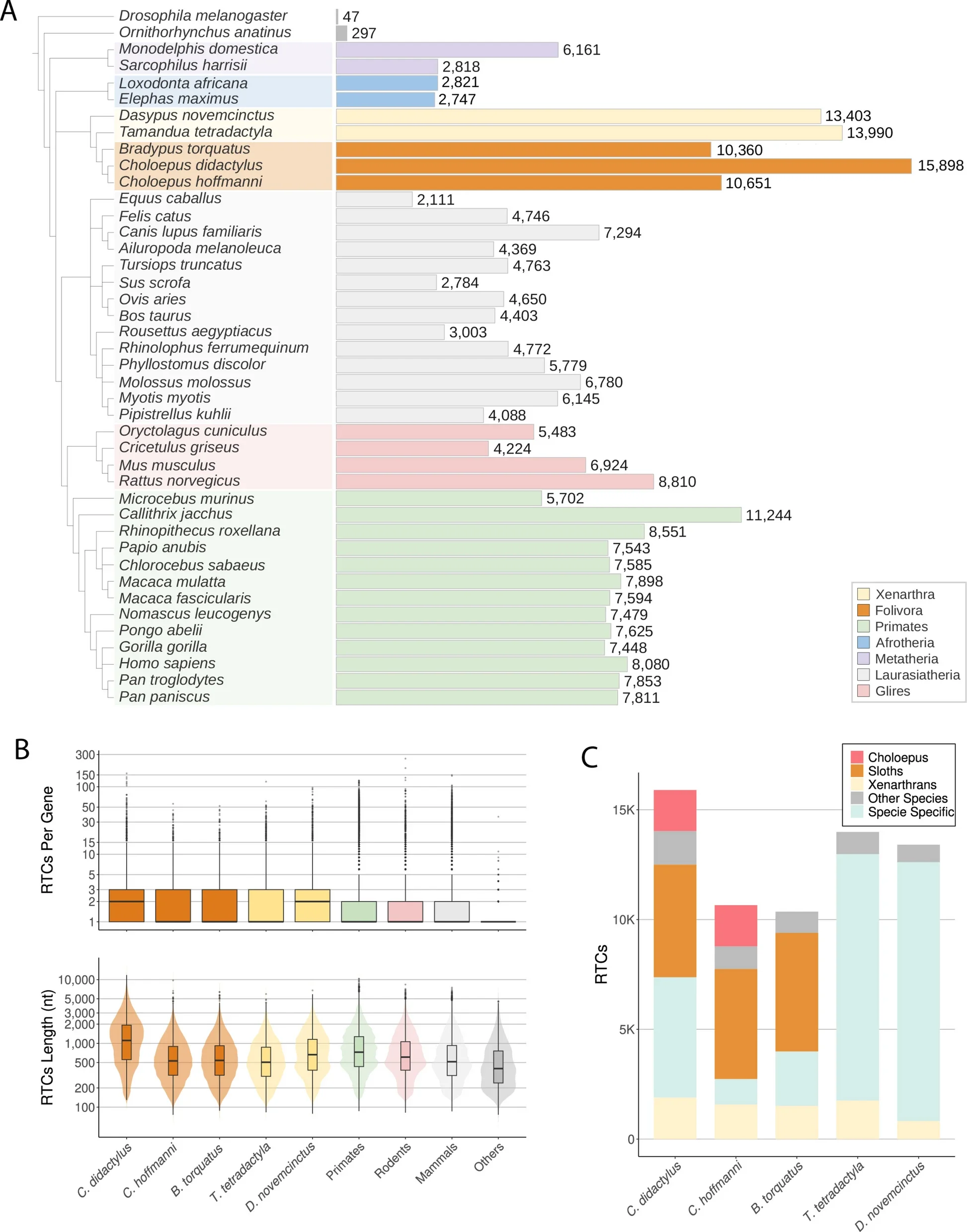
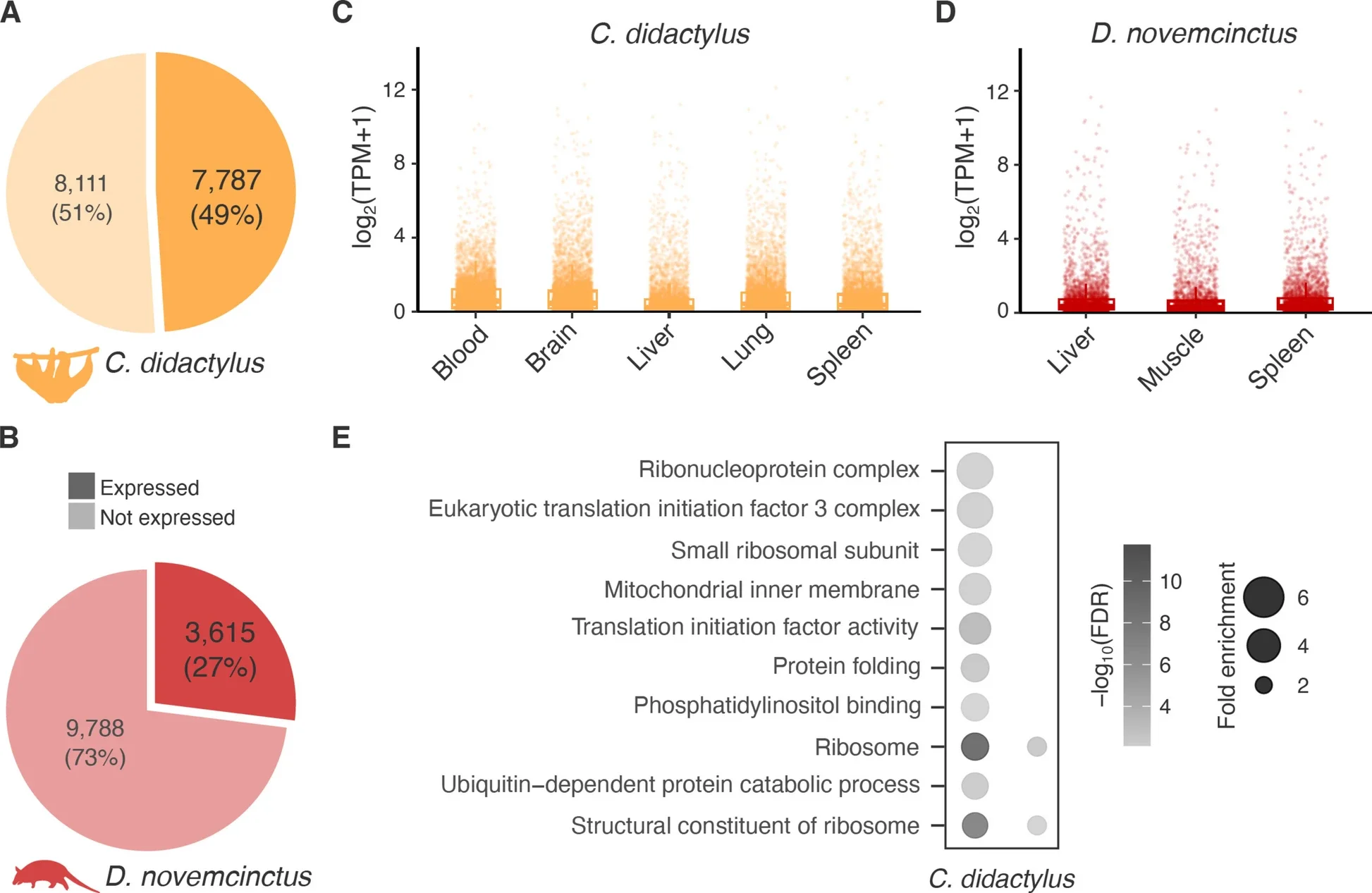
Many of the identified genes are linked to mitochondria, the parts of cells responsible for producing energy. They are also tied to metabolic pathways that control how organisms use and store energy.
This link suggests that the unusual activity of transposable elements may have helped drive the evolution of the sloth’s slow metabolism.
Instead of simply slowing down, sloths appear to have rewired their cellular systems over millions of years. Their bodies operate efficiently at low energy levels, allowing them to survive on limited food.
This adaptation helps them thrive in environments where resources can be scarce.
Most animals rely on speed, strength, or high energy output to survive. Sloths take a different approach. They reduce their energy needs and avoid detection by predators through stillness and camouflage.
Their slow digestion and low activity levels reflect a strategy built around conservation. Leaves, their primary food source, provide limited nutrients. By lowering their energy demands, sloths make the most of what they consume.
The genetic findings suggest that this lifestyle is deeply rooted in their DNA. It is not simply behavior but a complex biological system shaped by evolution.
The implications of this research extend far beyond sloths themselves. Many human diseases involve problems with metabolism and energy production.
Conditions such as diabetes, neurodegenerative disorders, and muscle wasting all relate to how cells generate and use energy.
Dr Pedro Galante, co-lead author at Hospital Sírio Libanês, explained the broader significance. “Many human conditions involve problems with energy production and mitochondrial function.”
He added that studying sloth biology may offer new ways to understand how organisms cope with low-energy states.
By examining how sloths manage energy so efficiently, scientists may uncover new strategies for treating diseases or preserving tissues.
The study also points toward new research opportunities. Scientists plan to examine these genes more closely using laboratory experiments and advanced techniques such as single-cell sequencing.
Sloth cells may become valuable models for studying metabolism and aging. Their ability to function at low energy levels could reveal new biological pathways that are difficult to observe in other species.
Researchers are especially interested in how these genes interact with cellular processes over time. This could shed light on aging and how organisms maintain stability under stress.
The findings also highlight how evolution can shape life in unexpected ways. Rather than following a single path, different species develop unique strategies to survive.
In sloths, the activity of transposable elements appears to have created new genetic possibilities. Over millions of years, these changes became part of a stable system that supports their slow lifestyle.
This challenges the idea that mobile DNA is always harmful. While it can cause problems in humans, such as cancer, it may also drive beneficial changes in other species.
By studying these processes, scientists gain a deeper understanding of how genomes evolve and adapt.
While the study answers many questions, it also opens new ones. Researchers still need to confirm how these “jumping genes” directly influence metabolism.
Future work will explore how these genetic elements function in living cells and how they interact with other biological systems.
Expanding the research to include more species could also reveal whether similar mechanisms exist elsewhere in the animal kingdom.
For now, the study provides a powerful example of how modern genetics can uncover hidden stories within DNA.
This research could reshape how scientists understand metabolism and energy use across species. By studying how sloths function with extremely low energy levels, researchers may identify new biological pathways that could help treat metabolic disorders in humans.
The findings may also contribute to research on aging. Since energy production is closely linked to cellular health, understanding how sloths maintain stability could offer insights into slowing age-related decline.
In medicine, these discoveries could influence approaches to critical care and tissue preservation. Cells that function efficiently under low energy conditions may inspire new techniques for protecting organs or improving recovery after injury.
The research may even have applications in extreme environments, such as space travel, where managing energy and maintaining biological stability are essential.
Overall, the study highlights how understanding unusual species can lead to broader advances. By learning from nature’s most unique adaptations, scientists can develop new tools to improve human health and resilience.
Research findings are available online in the journal BMC Biology.
The original story “Sloth genome study reveals how ‘jumping genes’ shape metabolism” is published in The Brighter Side of News.
Like these kind of feel good stories? Get The Brighter Side of News’ newsletter.
The post Sloth genome study reveals how ‘jumping genes’ shape metabolism appeared first on The Brighter Side of News.


Leave a comment
You must be logged in to post a comment.