Life beneath the ocean surface often hides in plain sight. Along the seafloor near Tanegashima Island in southern Japan, what appears to be scattered pink stones is actually something far more remarkable. These pebble-like forms, known as rhodoliths, are living algae that build entire underwater habitats and quietly store carbon for decades.
A new study led by researchers at Hiroshima University reveals that these “living rocks” are far more diverse than expected. Scientists identified at least 12 species of coralline algae in a small patch of seafloor, including four species never seen before.
The findings show that deeper ocean zones can host entirely different ecosystems, even when located just a short distance from shallow waters.
Rhodoliths are formed by coralline algae, a type of red algae that builds hard, calcified structures. Over time, these algae grow into rounded nodules that roll along the seafloor, shaped by currents and waves.
Though small, rhodolith beds cover vast areas of the ocean floor. They provide shelter for fish, invertebrates, and other marine organisms. Many species depend on them for food, protection, and breeding grounds.
Aki Kato, associate professor at Hiroshima University, explained their importance clearly. “In marine ecosystems, rhodolith beds represent the largest areal extent among seaweed habitats.”
These structures also play a role in climate regulation. Because they are made of calcium carbonate, they trap carbon in marine sediments. This process contributes to long-term carbon storage, making them part of what scientists call “blue carbon” systems.
The study focused on waters about 30 to 40 meters deep, an area known as the mesophotic zone. This region lies between bright, shallow waters and the darker depths below.
Light still reaches this zone, but at much lower levels. These conditions create a unique environment where specialized species can thrive.
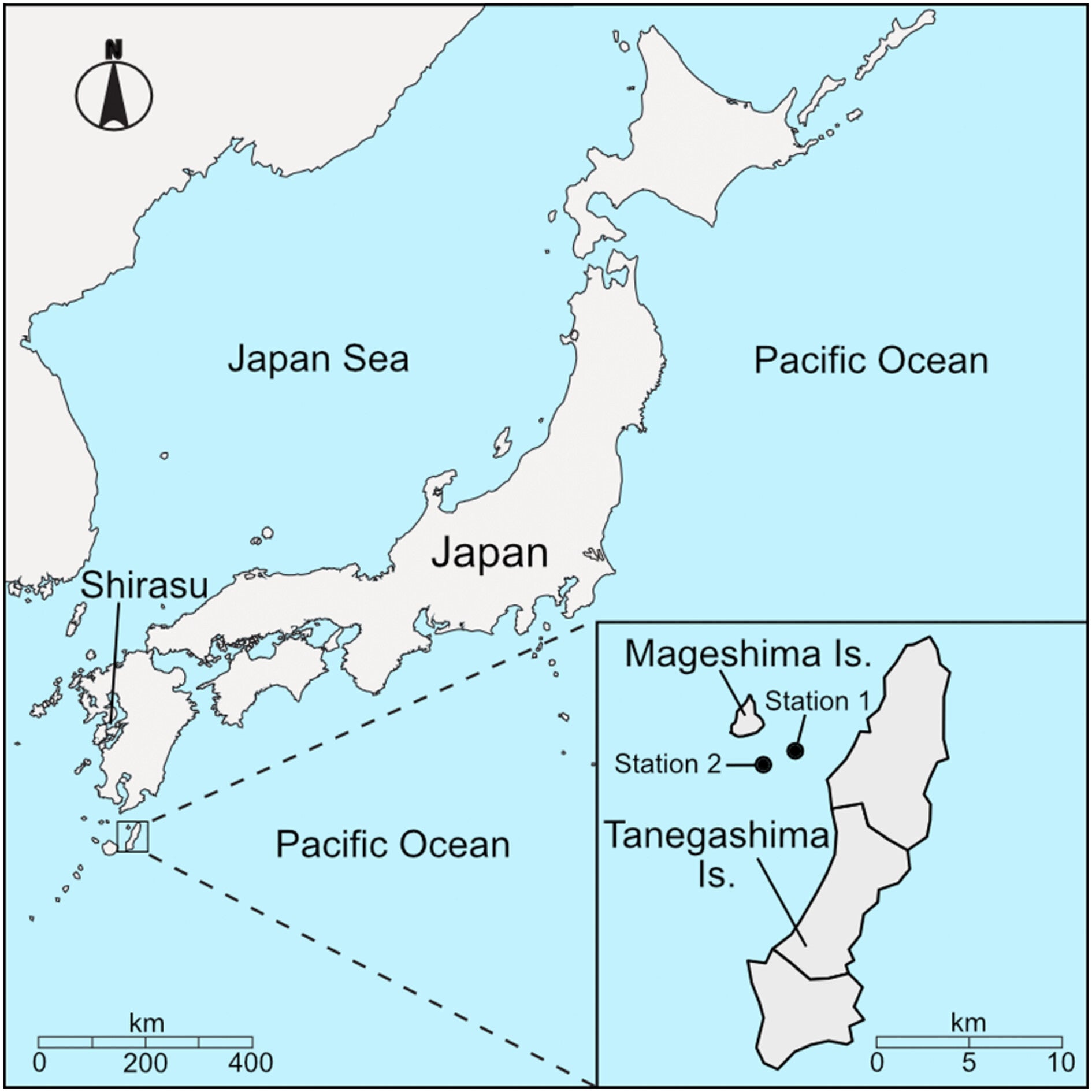
The waters around Tanegashima Island, located near Kyushu in Kagoshima Prefecture, are especially rich in marine life. The warm Kuroshio Current flows through the region, bringing nutrients and supporting high biodiversity.
Still, scientists have only begun to understand the full range of life in these deeper habitats.
To investigate, researchers collected samples from the seafloor using dredging techniques. The samples came from two sites about 10 kilometers offshore, at depths between 35 and 38 meters.
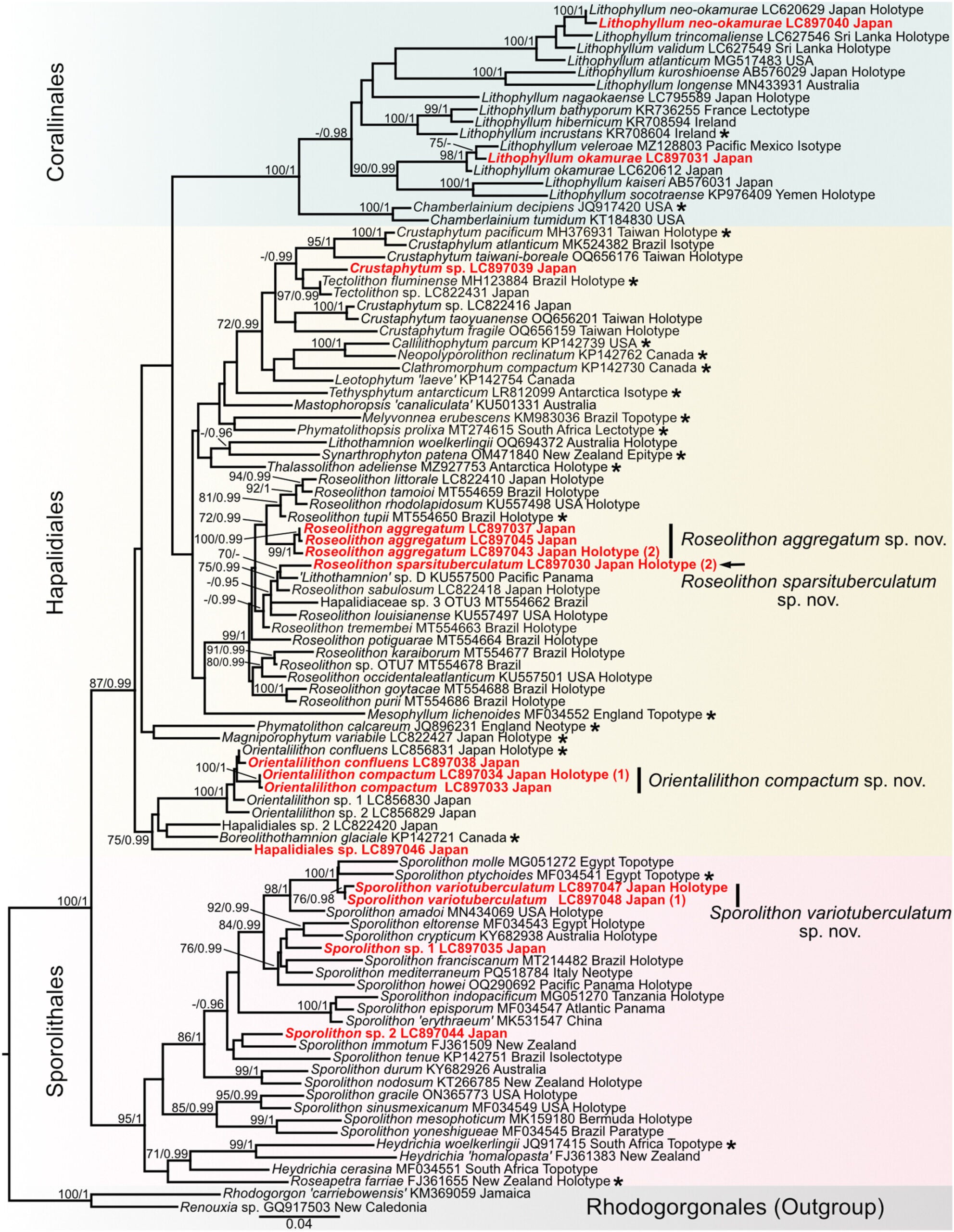
Back in the lab, scientists combined traditional microscopy with modern genetic analysis. They examined physical structures under light and electron microscopes while also sequencing key genes to identify species.
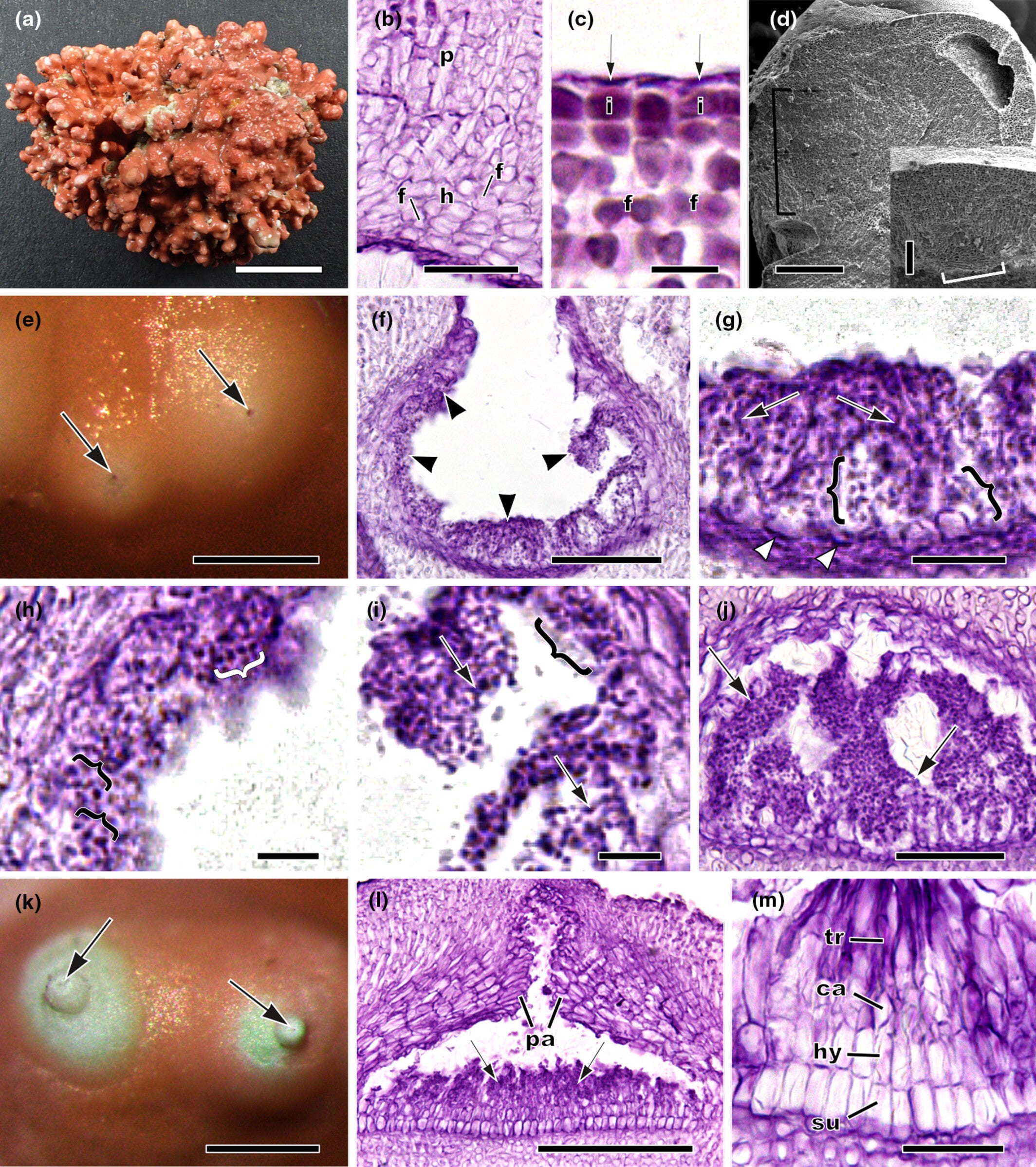
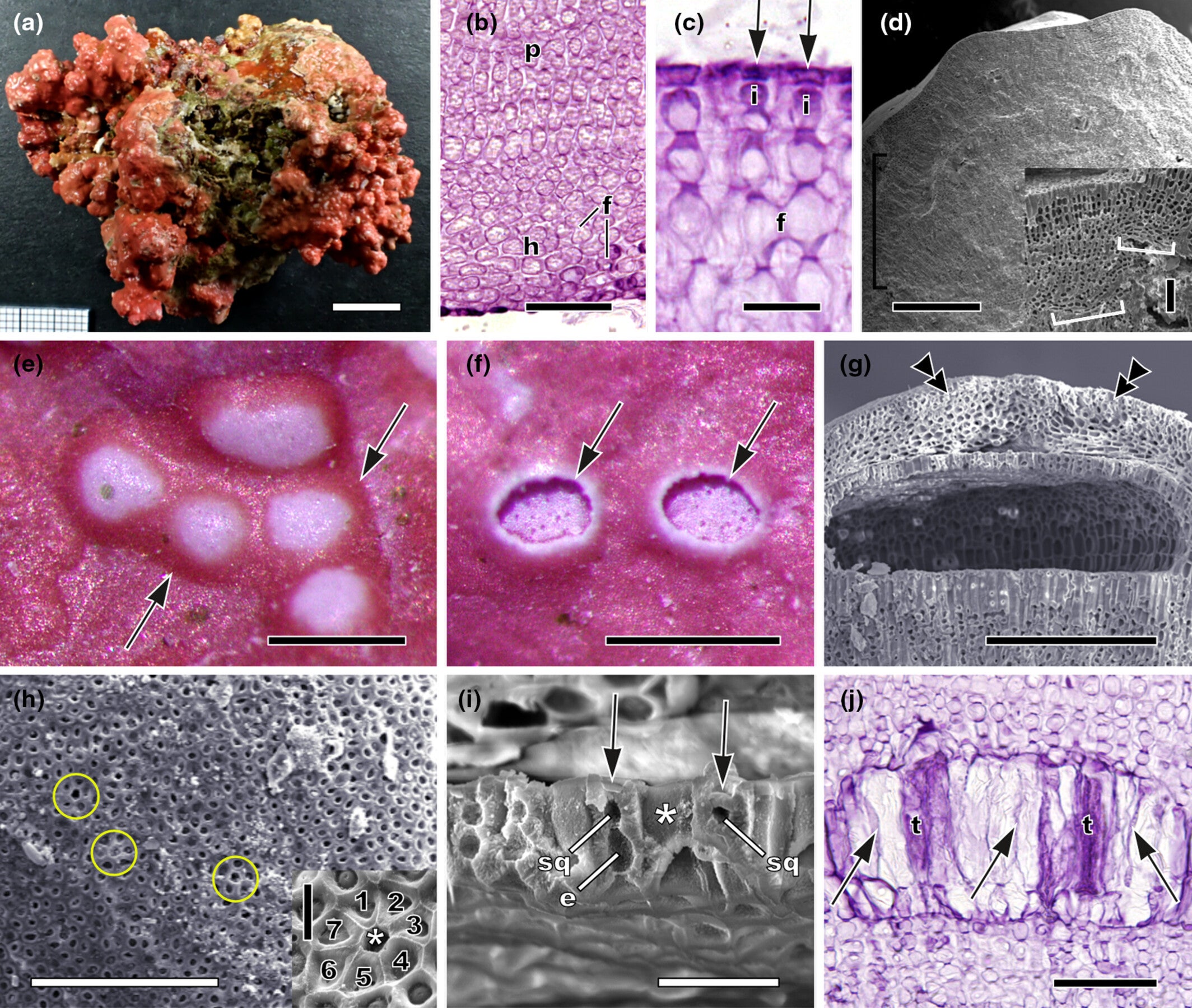
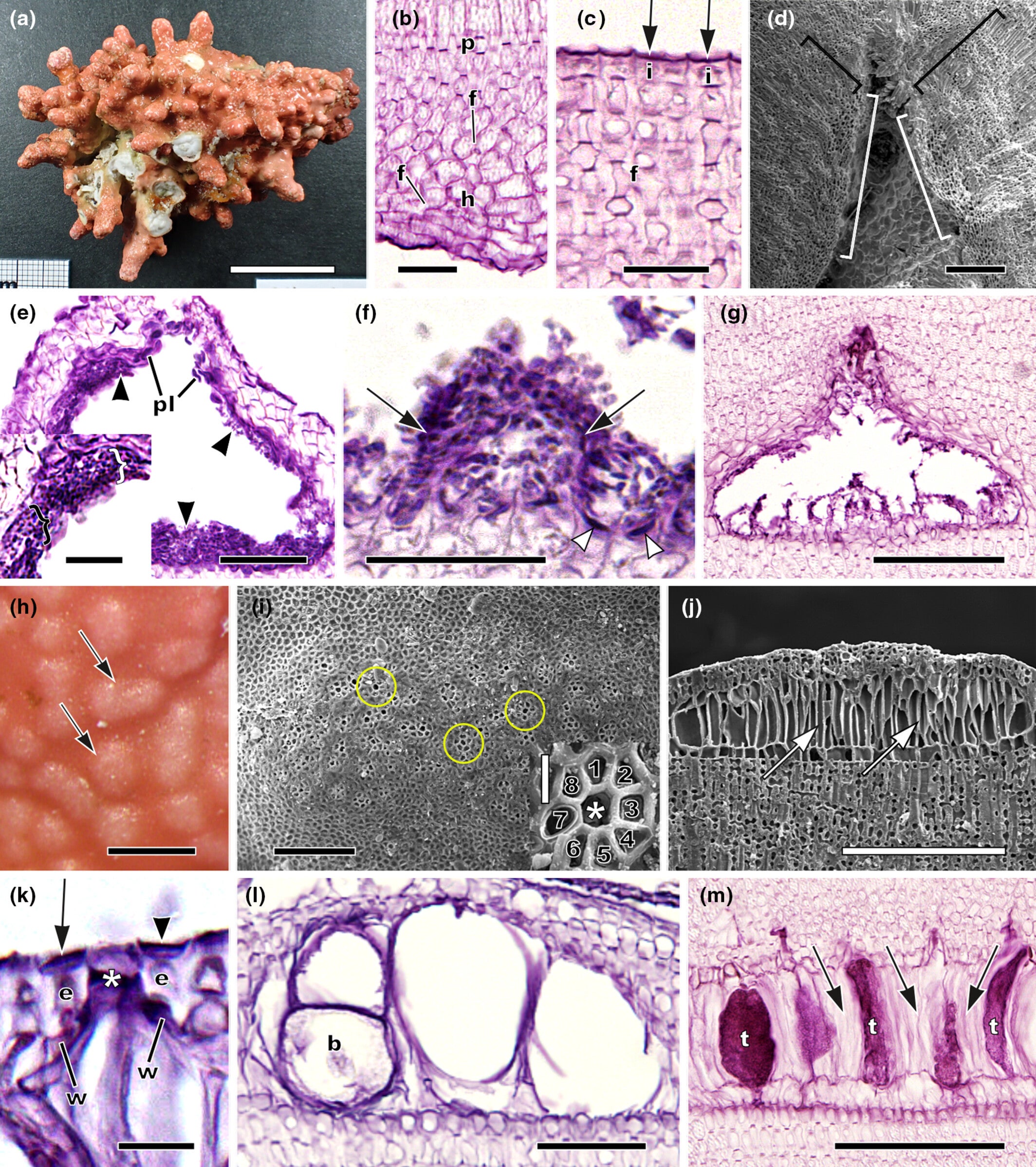
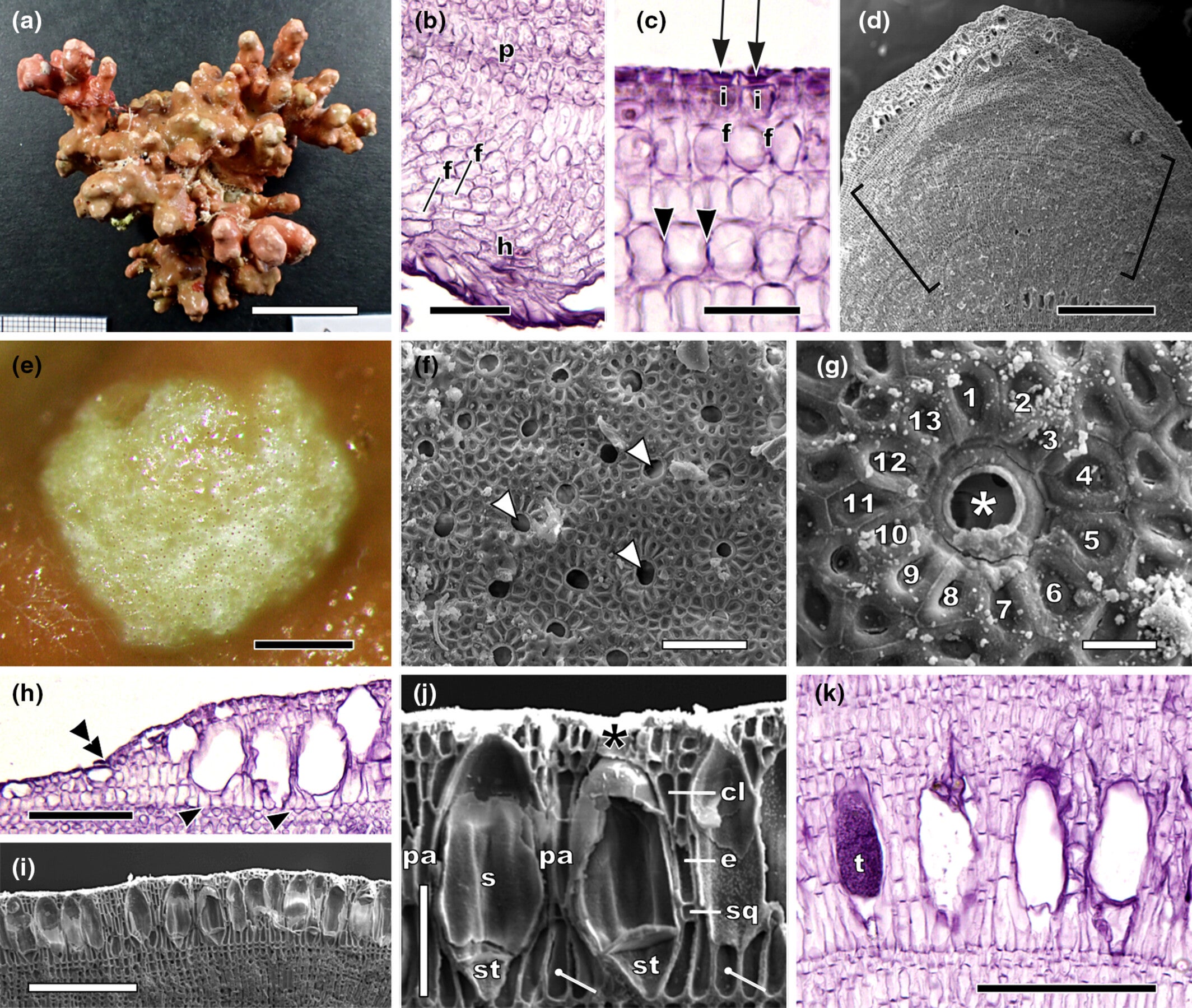
This careful approach revealed at least 12 distinct species of coralline algae. Among them were four entirely new species: Orientalilithon compactum, Roseolithon aggregatum, Roseolithon sparsituberculatum, and Sporolithon variotuberculatum.
Each new species showed unique features, from growth patterns to reproductive structures. In one case, the team provided the first detailed description of both male and female reproductive organs within a genus.
Kato emphasized the importance of this work. “Taxonomy provides an essential framework for making biodiversity visible and for defining the biological units that are the subject of scientific investigation.”
One of the most striking findings was how different the deep-water community was from nearby shallow areas.
Of the 12 species found in deeper waters, only three also appeared in shallow rhodolith beds just one meter below the surface. This suggests that the deeper habitat is not simply an extension of the shallow one.
Instead, it forms its own distinct ecosystem.
Min Khant Kyaw, a postdoctoral researcher involved in the study, highlighted this contrast. “A striking finding of this study is that completely different biological communities can exist at different depths within the same marine area.”
This pattern differs from other types of seaweed. In many cases, up to 80 percent of shallow-water species also appear in deeper zones. Coralline algae, however, seem to follow a different rule.
Several factors may explain this sharp shift in species composition.
Light levels drop quickly with depth, limiting photosynthesis. Temperature also changes, with deeper waters often cooler than the surface.
In the Tanegashima region, clear water allows sunlight to reach deeper than usual. Combined with warm currents near the seafloor, this creates conditions that support a wide range of species.
Still, these conditions differ enough from shallow waters to favor entirely different communities.
Other factors may also play a role. These include barriers to dispersal, competition between species, and interactions with other marine organisms.
Together, these influences create a complex and layered ecosystem where depth shapes life in powerful ways.
Beyond biodiversity, rhodoliths play a crucial role in maintaining ocean health.
They act as natural engineers, building habitats that support marine life. They also help stabilize sediments and influence nutrient cycles.
Their ability to store carbon adds another layer of importance. By locking carbon into solid structures, they help reduce the amount of carbon dioxide in the water and atmosphere.
As climate change intensifies, understanding these systems becomes more urgent.
Despite their importance, rhodolith beds face growing threats.
Ocean warming can disrupt the delicate balance of temperature and light. Acidification, caused by rising carbon dioxide levels, can weaken their calcified structures.
Human activities also pose risks. Pollution, dredging, and destructive fishing practices can damage these habitats directly.
Because many species appear to exist only in specific locations, local disturbances could have lasting impacts.
The discovery of four new species in such a small area highlights how much remains unknown about the ocean.
Even in regions that have been studied for decades, new life forms continue to emerge. Advances in genetic analysis are helping scientists uncover this hidden diversity.
The study also shows that combining molecular data with traditional observation provides a more complete picture of marine life.
By identifying species accurately, researchers can better understand how ecosystems function and how to protect them.
Scientists plan to expand their research to nearby regions to determine whether the newly discovered species exist elsewhere.
They also aim to map the extent and abundance of rhodolith beds around Tanegashima Island. This will help assess their ecological importance and vulnerability.
In the long term, researchers hope to build a more complete understanding of coralline algae worldwide. Although more than 700 species have been identified globally, many have not been studied using modern genetic tools.
Kato noted that much work remains. Researchers aim to strengthen the scientific foundation needed to study and conserve marine biodiversity.
The findings offer a powerful reminder that the ocean is far from fully explored. Beneath the surface, even in dimly lit waters, complex ecosystems thrive.
These “living rocks” may seem small and unremarkable, but they support life, store carbon, and shape the marine environment in lasting ways.
As research continues, these hidden habitats may prove essential to understanding both biodiversity and the future of the planet.
This research could reshape how scientists approach marine conservation and climate studies. By revealing that deep-water rhodolith beds host unique species, it highlights the need to protect not only shallow ecosystems but also less visible, deeper habitats.
The discovery of new species suggests that many organisms remain undocumented, especially in hard-to-reach environments. Expanding genetic analysis could help identify biodiversity hotspots and guide conservation priorities more effectively.
In climate science, the role of rhodoliths in long-term carbon storage adds new importance to their preservation. Protecting these systems could help maintain natural carbon sinks and support efforts to manage global carbon levels.
For fisheries and marine resource management, understanding these habitats may improve strategies for sustaining fish populations. Since many species rely on rhodolith beds as nurseries, their health directly affects marine food systems.
Overall, the study underscores the need for continued exploration and protection of ocean ecosystems. It shows that even small discoveries can have wide-reaching impacts for science, conservation, and climate resilience.
Research findings are available online in the Journal of Phycology.
The original story “‘Pink ‘living rocks’ reveal hidden ecosystem beneath Japan’s coast” is published in The Brighter Side of News.
Like these kind of feel good stories? Get The Brighter Side of News’ newsletter.
The post Pink ‘living rocks’ reveal hidden ecosystem beneath Japan’s coast appeared first on The Brighter Side of News.


Leave a comment
You must be logged in to post a comment.