The number of candles on a birthday cake marks time, but it does not tell the full story of aging. Two people born in the same year can look and feel very different decades later. Scientists now say the difference may come from how quickly individual organs age inside the body.
A new study led by researchers at Stanford Medicine shows that a simple blood test can estimate the biological age of major organs. The findings suggest that aging does not happen evenly. Instead, different parts of the body age at different speeds, and those differences can predict disease and even lifespan.
“We’ve developed a blood-based indicator of the age of your organs,” said Tony Wyss-Coray, professor of neurology at Stanford. “With this indicator, we can assess the age of an organ today and predict the odds of your getting a disease associated with that organ 10 years later.”
Doctors have long relied on chronological age to estimate health risks. However, that number does not capture how well the body is actually functioning. Biological age offers a deeper measure. It reflects how tissues and organs change over time.
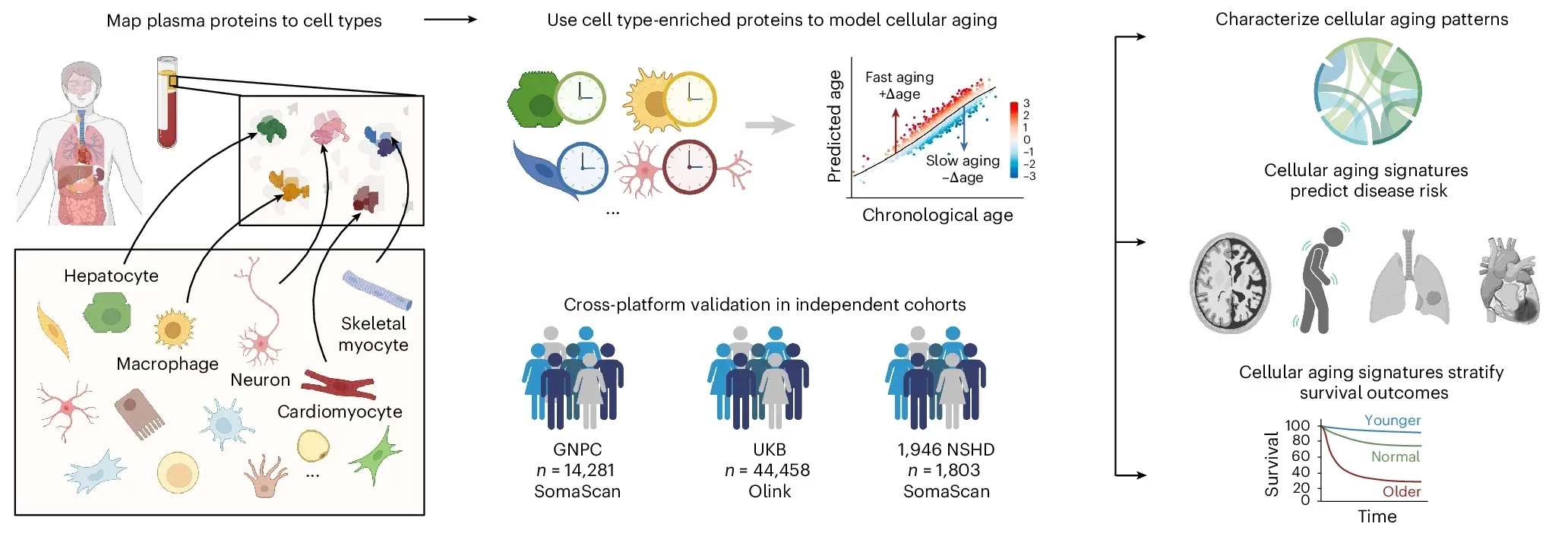
To explore this, scientists analyzed blood samples from 44,498 adults between ages 40 and 70. These participants were part of the UK Biobank, a large project that tracks health data over many years.
Researchers measured nearly 3,000 proteins in each sample. Many of these proteins originate from specific organs, such as the heart, brain, or liver. By studying patterns in these proteins, scientists created a profile for each organ.
Using computer models, they compared each person’s protein levels to typical levels for their age. This allowed them to estimate whether an organ was aging faster or slower than expected.
The team focused on 11 organ systems, including the brain, heart, lungs, kidneys, and immune system. Each organ received its own biological age score.
The results showed that aging varies widely across the body. About one-third of participants had at least one organ that was aging significantly faster or slower than average. Around one in four had multiple organs showing extreme differences.
An organ was considered “extremely aged” if it deviated strongly from the norm. Others were labeled “extremely youthful” if they appeared biologically younger.
These differences were not just interesting, they were meaningful. They revealed hidden risks that standard health measures often miss.
Among all organs studied, the brain showed the strongest link to overall survival. Researchers found that brain age plays a central role in determining lifespan.
“The brain is the gatekeeper of longevity,” Wyss-Coray said. “If you’ve got an old brain, you have an increased likelihood of mortality. If you’ve got a young brain, you’re probably going to live longer.”
People with extremely aged brains faced a much higher risk of death over time. Their risk increased by 182 percent over about 15 years. In contrast, those with younger brains saw their risk drop by 40 percent.
The brain also showed a strong connection to Alzheimer’s disease. Individuals with older brain profiles were more than three times as likely to develop the condition. When compared to people with youthful brains, the risk difference became even more striking.
The study did more than measure aging. It also predicted future health outcomes.
Researchers tracked participants for up to 17 years. They examined how organ age related to diseases such as heart failure, lung disease, diabetes, and neurological disorders.
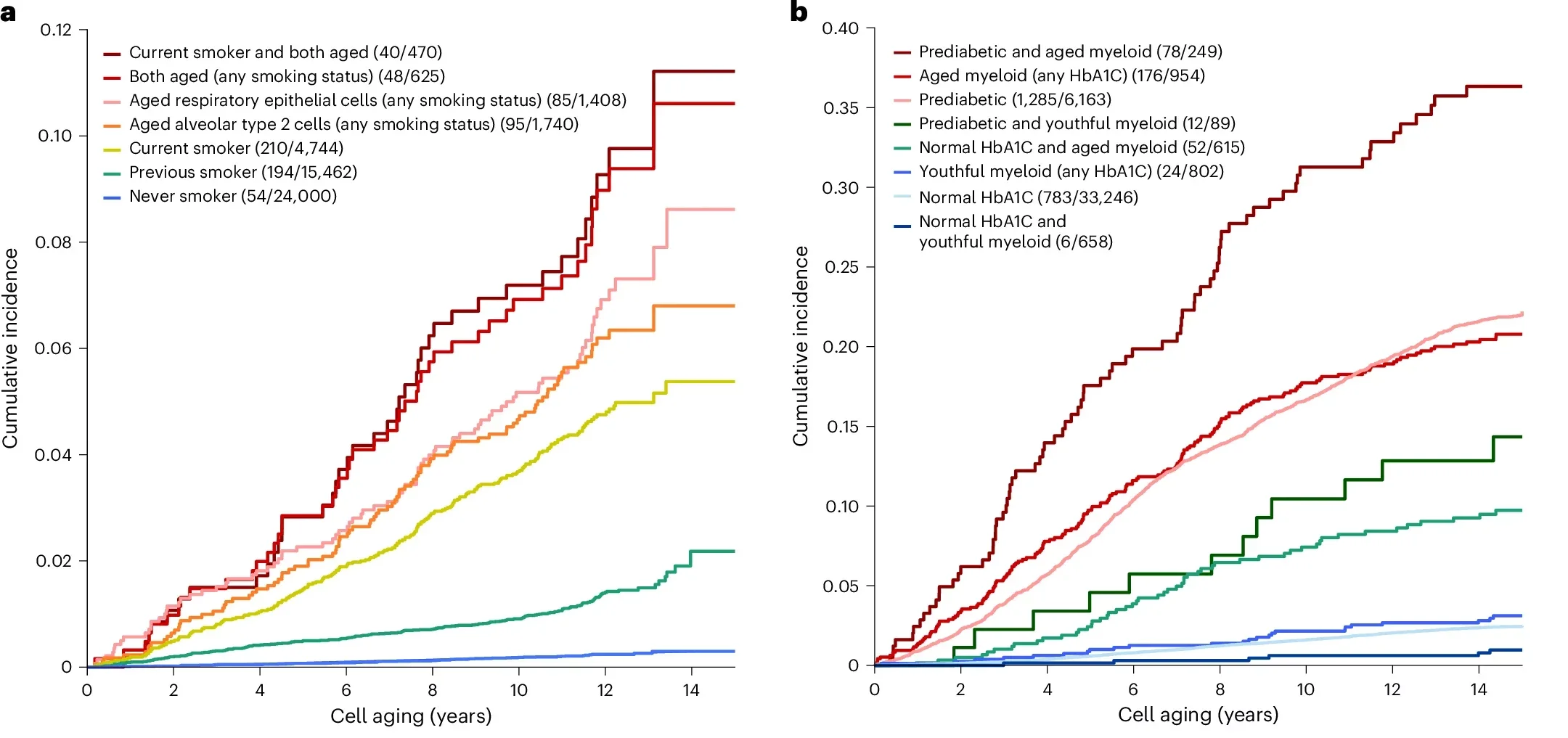
The results showed clear patterns. An older heart increased the risk of heart conditions like atrial fibrillation. Aging lungs predicted higher chances of chronic respiratory disease. Older kidneys pointed to a greater likelihood of kidney failure.
Each organ’s biological age strongly linked to diseases tied to that organ. This suggests that the test could serve as an early warning system.
In some cases, the predictive power was dramatic. For example, an aged brain significantly increased the chance of developing Alzheimer’s disease within a decade.
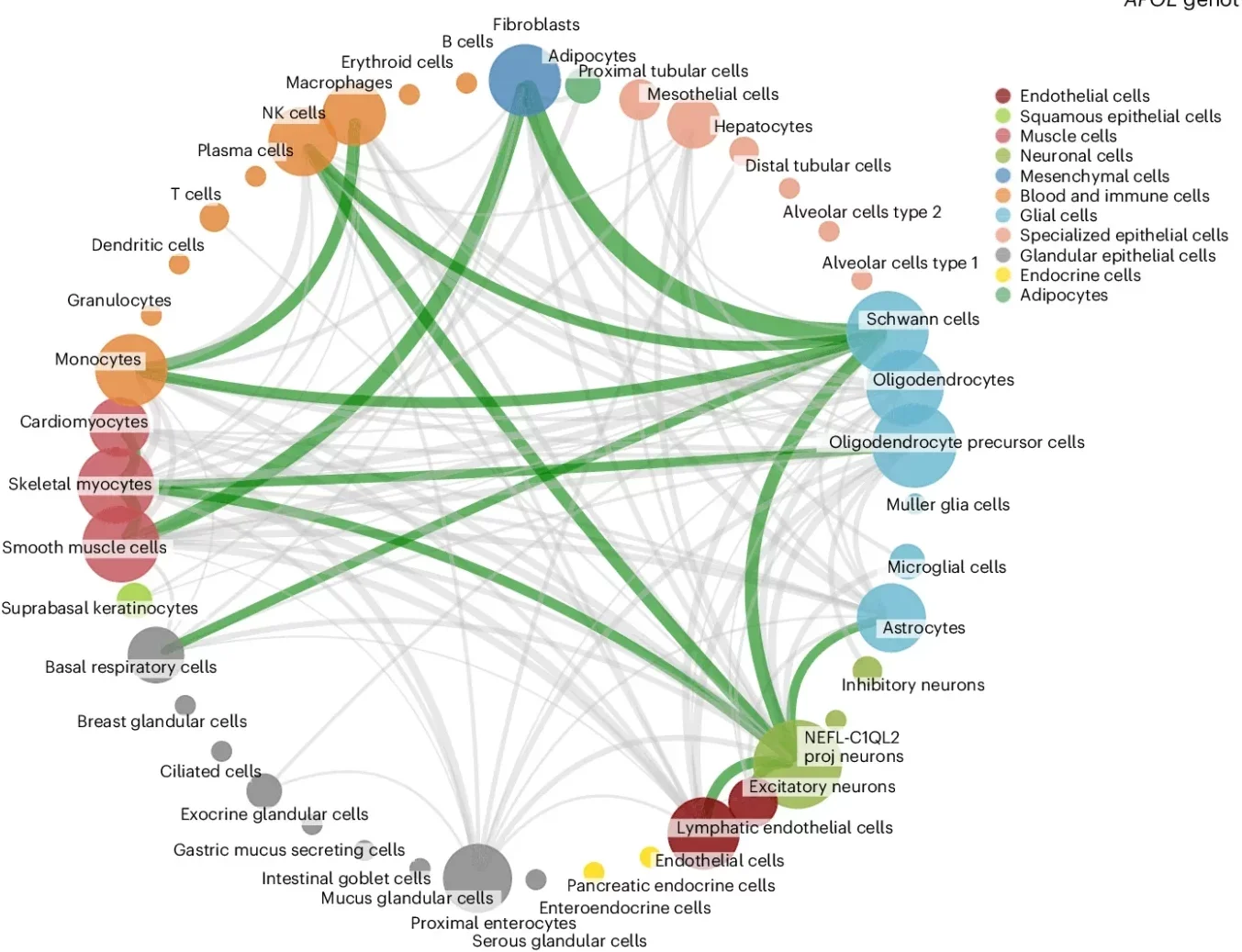
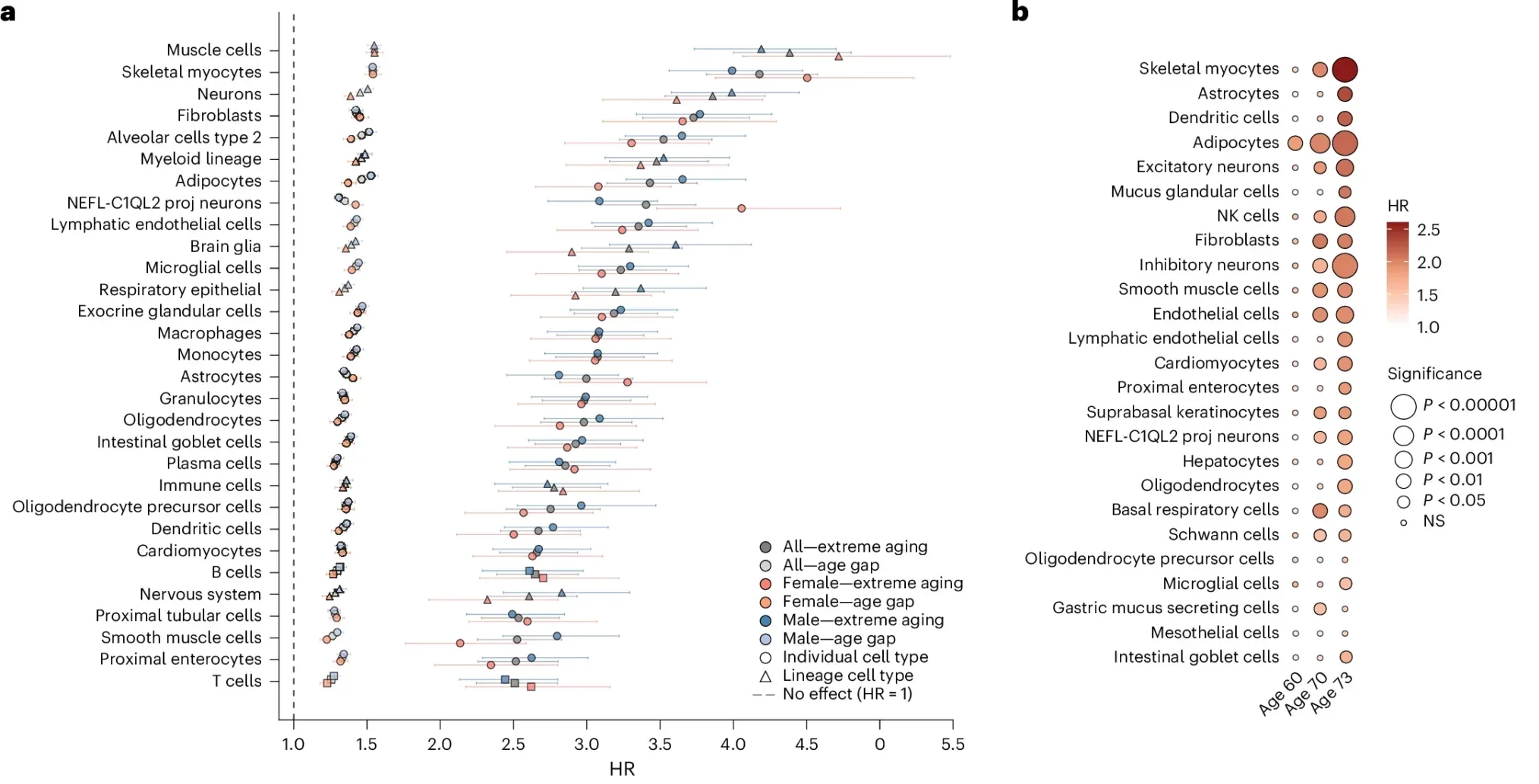
In a related study, researchers took the idea further. They examined not just organs, but individual cell types within those organs.
This work revealed that aging also varies at the cellular level. Some cells may age faster than others, even within the same organ.
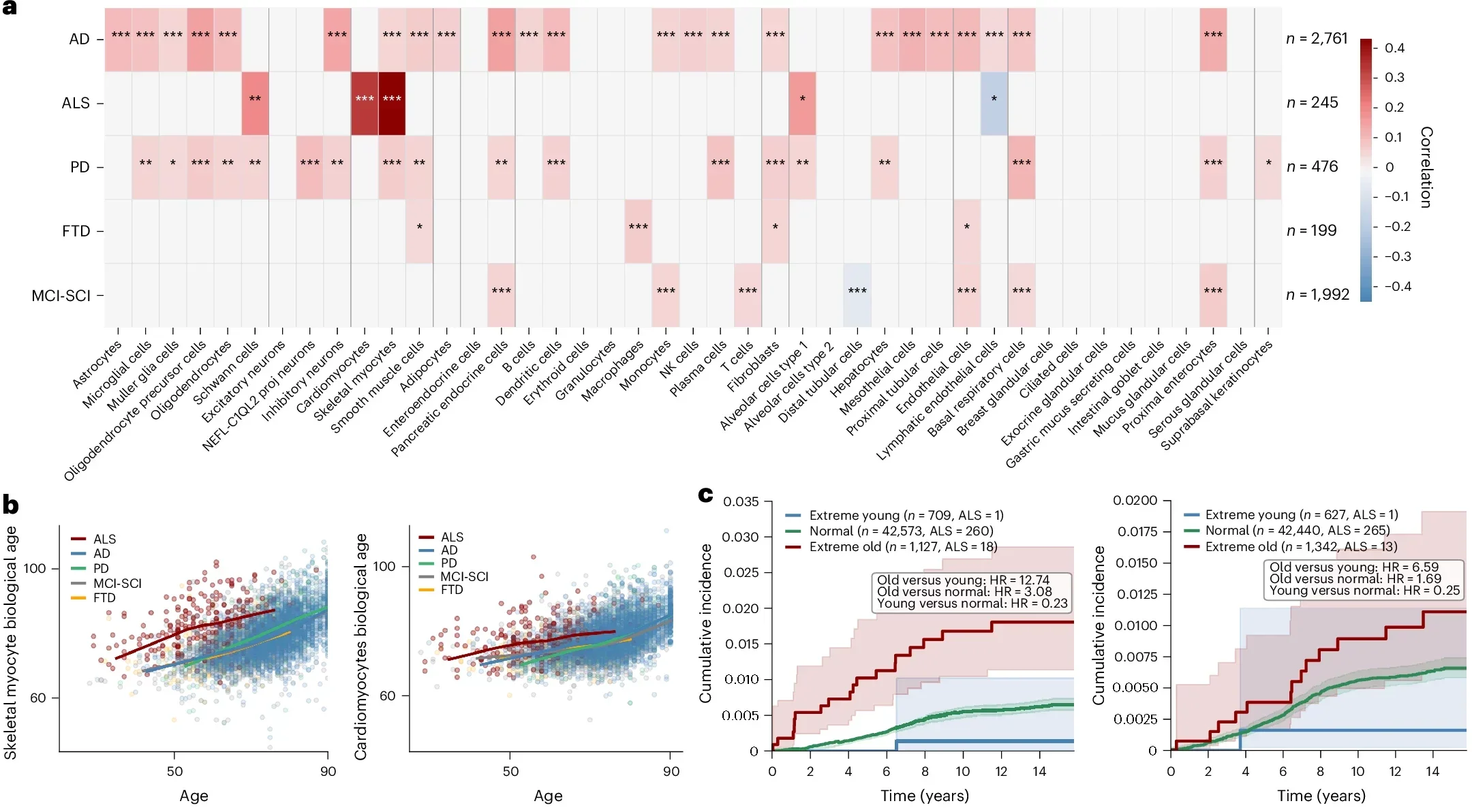
One key finding involved astrocytes, support cells in the brain. People with a high genetic risk for Alzheimer’s often had older astrocytes. However, those with younger astrocytes showed much lower risk, despite their genetics.
This suggests that biological aging can modify genetic risk. It may help explain why some people develop disease while others do not.
Another finding involved muscle cells. Individuals with aged muscle cell profiles had a much higher risk of amyotrophic lateral sclerosis, also known as ALS. This increased risk could be detected years before symptoms appeared.
The ability to measure organ age could change how medicine approaches disease. Instead of waiting for symptoms, doctors may be able to act earlier.
“This is, ideally, the future of medicine,” Wyss-Coray said. “Today, you go to the doctor because something aches, and they take a look to see what’s broken.”
Researchers hope to shift from reactive care to preventive care. By identifying aging patterns early, doctors could intervene before damage becomes severe.
This approach may also help test new treatments. Scientists could measure how therapies affect the biological age of organs, rather than waiting years to see clinical outcomes.
The study also suggests that lifestyle may influence how organs age. Although the research focused on biological markers, it opens the door to deeper questions.
Factors such as diet, exercise, and sleep may affect different organs in different ways. Future studies could explore how these choices shape biological age.
Researchers believe that combining lifestyle data with organ-age measurements could reveal powerful insights. It may show how daily habits contribute to long-term health.
While promising, the test is still in the research stage. Scientists need to refine the technology and confirm results in broader populations.
Wyss-Coray and his team plan to focus on key organs such as the brain, heart, and immune system. This could improve accuracy and reduce costs.
The goal is to make the test widely available within the next few years. As the technology advances, it may become part of routine health care.
The findings challenge the idea that aging is a single, uniform process. Instead, aging appears as a collection of overlapping changes across the body.
Some organs may remain strong, while others decline more quickly. These differences shape health outcomes in ways that are only now becoming clear.
For many, the research offers a new perspective. Aging is not just about years lived. It is about how the body changes beneath the surface.
This research could transform how doctors detect and manage disease. A blood test that measures organ age may allow earlier diagnosis of conditions such as Alzheimer’s disease, heart failure, and kidney disease. Detecting risk years in advance gives patients and doctors more time to act.
The findings also support a shift toward preventive medicine. Instead of treating disease after symptoms appear, care could focus on maintaining organ health before damage occurs. This could reduce healthcare costs and improve quality of life.
For researchers, the study provides a powerful new tool. It allows scientists to test how drugs, diets, and lifestyle changes affect specific organs. This could speed up the development of treatments and improve their effectiveness.
In the long term, the ability to measure biological age may lead to more personalized healthcare. Treatments could be tailored to each person’s unique aging profile, improving outcomes and reducing unnecessary interventions.
Research findings are available online in the journal Nature Medicine.
The original story “New blood test finds different body parts age at different speeds” is published in The Brighter Side of News.
Like these kind of feel good stories? Get The Brighter Side of News’ newsletter.
The post New blood test finds different body parts age at different speeds appeared first on The Brighter Side of News.


Leave a comment
You must be logged in to post a comment.