Traffic leaves more behind than exhaust. Every mile also grinds away tiny bits of tire rubber, and when one common tire chemical meets ozone, it transforms into a pollutant called 6PPD-quinone. A new study suggests that substance may have troubling ties to Alzheimer’s disease.
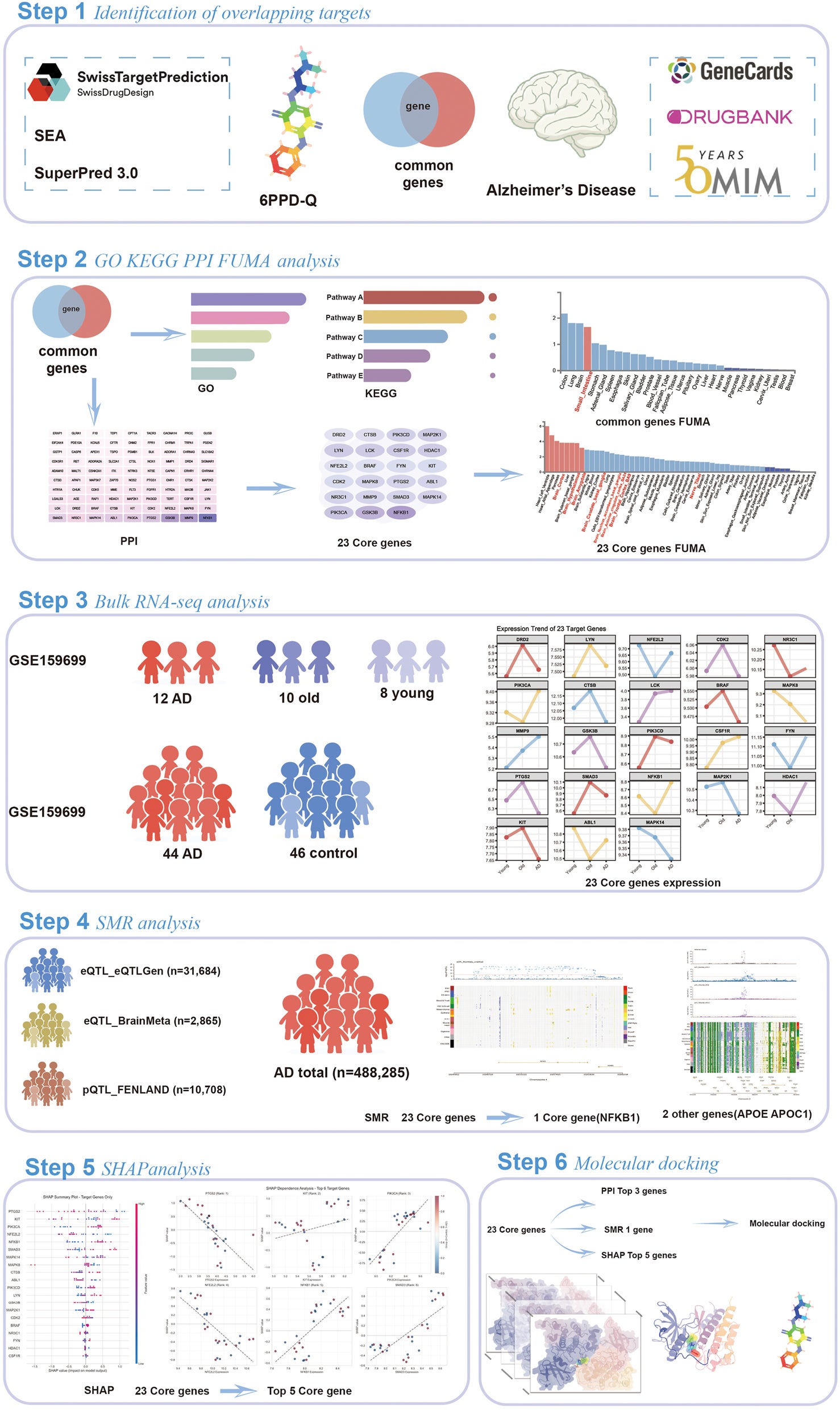
The research, published in Open Medicine, is the first to systematically test that connection using a broad computational approach. By combining network pharmacology, transcriptomics, machine learning, Mendelian randomization, and molecular docking, the authors traced how 6PPD-quinone might interact with genes and proteins involved in the disease.
That matters because exposure does not appear to be rare. The compound has already been detected in water, soil, road dust, and human biological samples, suggesting that ordinary traffic pollution may be one route by which people come into contact with it.
Alzheimer’s disease is the most common neurodegenerative disorder in the world. The World Health Organization estimates that about 55 million people live with dementia globally, with Alzheimer’s accounting for 60 to 70 percent of cases. That total is projected to reach 139 million by 2050.
Current treatments can ease symptoms, but they do not stop the disease itself. That has pushed researchers to look beyond genetics and ask whether environmental exposures may also help drive the damage.
6PPD-quinone comes from 6PPD, a chemical added to tires to protect rubber from breaking down. Once released through tire wear and transformed in the environment, it has already drawn intense concern for its ecological effects, especially after researchers found it could kill coho salmon at environmentally relevant concentrations.
Its chemistry also makes it worth watching in people. Quinone-containing compounds can generate reactive oxygen species and modify proteins, two processes that fit uneasily with what is already known about Alzheimer’s. The brain is especially vulnerable to oxidative damage because it burns large amounts of energy and has limited antioxidant defenses.
The paper points to another reason for concern: earlier studies have shown that 6PPD-quinone can cross the blood-brain barrier in mice within half an hour of exposure. If it can reach the central nervous system, the question becomes what it might do once it gets there.
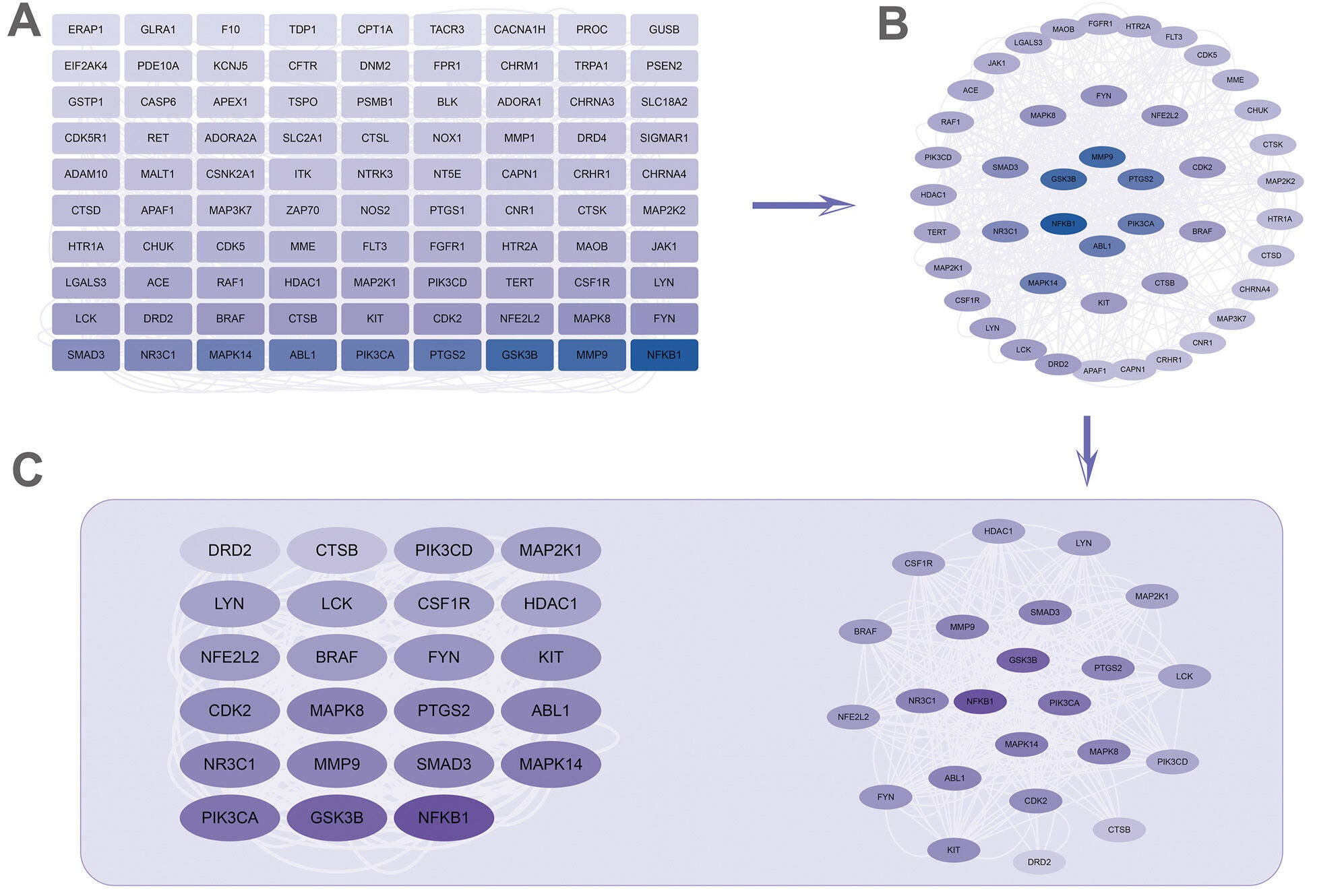
To examine that, the team first searched for overlap between predicted targets of 6PPD-quinone and genes associated with Alzheimer’s disease. They identified 92 shared targets. From there, they narrowed the network to 23 core genes that appeared most central to the relationship.
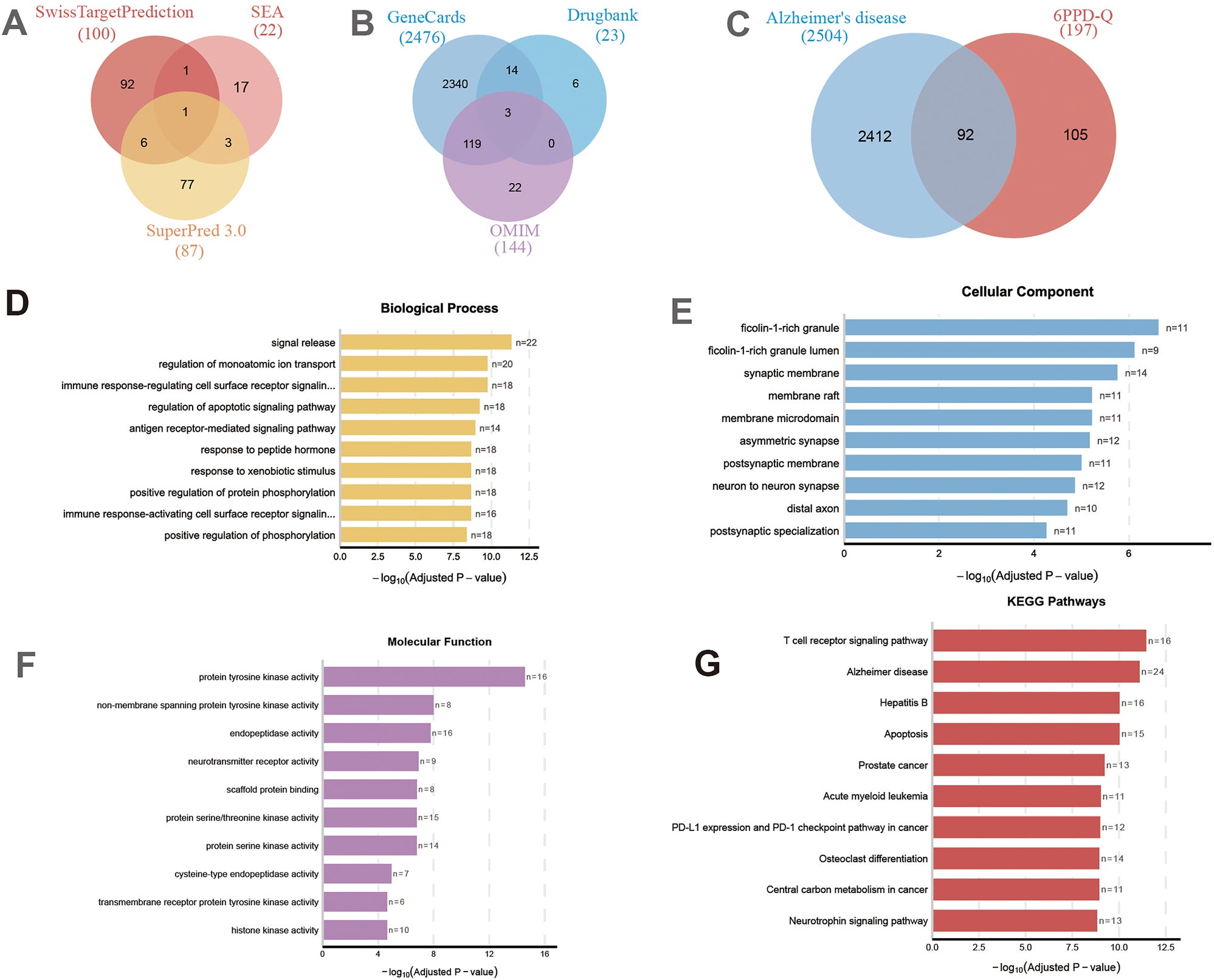
Those genes were not randomly scattered across the body. The broader set showed enrichment in tissues such as the small intestine, but the core targets clustered in brain-related regions, including the cortex, amygdala, hypothalamus, basal ganglia, and frontal cortex, along with peripheral nerve tissue.
Several of the strongest signals pointed toward familiar Alzheimer’s themes: inflammation, oxidative stress, abnormal phosphorylation, cell death, and damage at the synapse, where neurons communicate.
Among the core targets, NFKB1, GSK3B, and PIK3CA ranked as the top hub genes in the protein interaction network. NFKB1 stood out most strongly. The study’s Mendelian randomization analysis also supported a potential causal association between NFKB1 expression in brain tissue and Alzheimer’s risk.
The machine learning portion of the study sharpened that picture. Using an XGBoost classifier and SHAP analysis, the researchers identified five genes with the highest predictive value for distinguishing Alzheimer’s samples from controls: PTGS2, KIT, PIK3CA, NFE2L2, and NFKB1.
Each gene seemed to push the model in a different direction. Higher expression of KIT, PIK3CA, and NFKB1 leaned predictions toward Alzheimer’s. Higher PTGS2 and NFE2L2 expression leaned them toward control status.
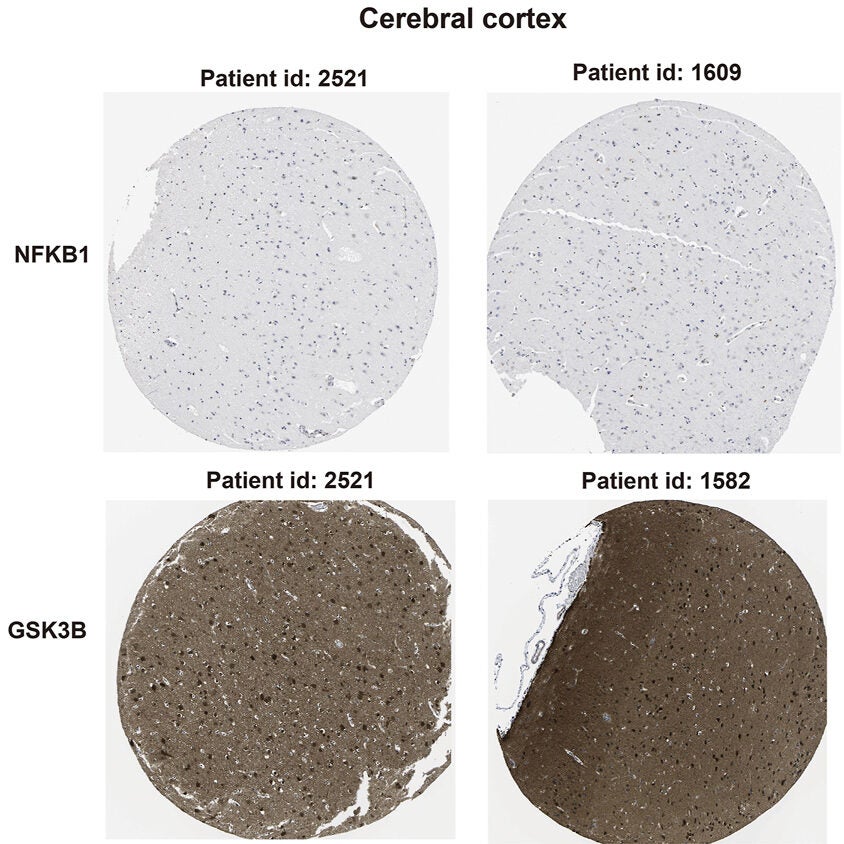
The transcriptomic results offered more support. Across two independent brain datasets, NFKB1 tended to be higher in Alzheimer’s tissue, while GSK3B was lower. PTGS2 also showed altered expression, though not in a perfectly simple pattern across datasets. Protein data from the Human Protein Atlas further confirmed that NFKB1 and GSK3B are expressed in human brain tissue, especially in the cerebral cortex.
The authors argue that 6PPD-quinone may feed into Alzheimer’s through several connected routes rather than one isolated pathway.
One is inflammation. NFKB1 is a major regulator of inflammatory responses, and sustained activation of NF-kappaB signaling has long been implicated in microglial activation and amyloid-related pathology. Another is oxidative stress, where NFE2L2, a key regulator of antioxidant defense, may represent part of the brain’s attempt to compensate.
Kinase signaling also emerged as a likely pressure point. GSK3B is well known for its role in tau hyperphosphorylation, while PIK3CA sits within the PI3K/AKT pathway, which helps support synaptic plasticity and memory. The study’s enrichment analyses tied many of the shared targets to synaptic membranes, postsynaptic structures, and neurotransmitter-related functions, suggesting that the final injury may show up where brain cells must communicate cleanly and continuously.
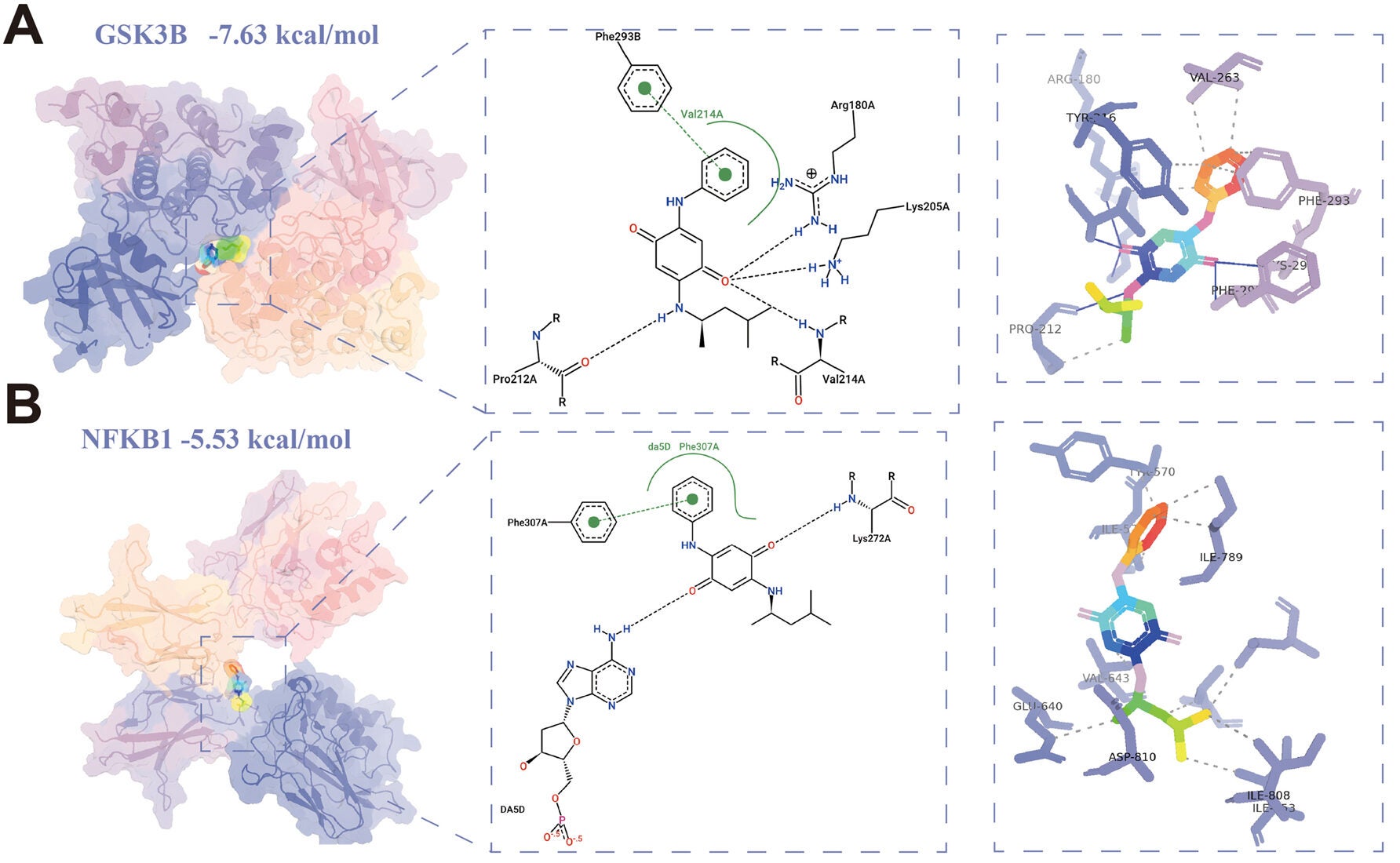
Molecular docking added another piece. The simulations suggested that 6PPD-quinone can bind to several key proteins, with relatively strong affinities reported for PTGS2, NFE2L2, GSK3B, KIT, and PIK3CA. NFKB1 showed more moderate binding. These are still modeled interactions, not proof of what happens in living tissue, but they offer a plausible molecular map for future experiments.
The team also ran in silico perturbation analyses in microglia from a single-nucleus RNA sequencing dataset of human prefrontal cortex tissue. GSK3B and NFE2L2 produced the largest predicted transcriptional effects, with some changes appearing slightly stronger in Alzheimer’s microglia than in controls. That pattern hints that disease-state cells may be especially sensitive to disruption.
The paper is careful about its limits. This was primarily a computational study, not a direct exposure experiment in people or animals. The brain transcriptomic data came from postmortem tissue and do not measure any individual’s 6PPD-quinone exposure. One of the datasets also included only 12 Alzheimer’s cases.
That means the work does not prove that traffic pollution causes Alzheimer’s disease, or even that 6PPD-quinone directly damages human brain tissue in the way the models predict. It offers a framework, not a verdict.
Still, the authors say their work “provides the first systematic characterization of the molecular mechanisms by which 6PPD-Q may contribute to Altzheimer’s disease pathogenesis”.
The next steps are straightforward, if not easy. Researchers will need cell studies, animal studies, and human tissue work to test whether these predicted interactions are biologically real. Epidemiological studies will also be needed to answer the most pressing public question: whether everyday exposure to 6PPD-quinone measurably changes Alzheimer’s risk.
If the link holds up, the study could widen how researchers and public health officials think about Alzheimer’s risk. It points attention toward tire-wear pollution, a common but less visible form of traffic contamination that may reach people through air, dust, and runoff.
It also highlights a set of genes and pathways that could help guide future lab experiments, exposure studies, and possibly prevention strategies.
For now, the findings are best read as an early warning that a widespread pollutant deserves much closer scrutiny.
Research findings are available online in the journal Open Medicine.
The original story “Vehicle tire wear pollution linked to Alzheimer’s risk – impacting over 30 million people globally” is published in The Brighter Side of News.
Like these kind of feel good stories? Get The Brighter Side of News’ newsletter.
The post Vehicle tire wear pollution linked to Alzheimer’s risk – impacting over 30 million people globally appeared first on The Brighter Side of News.


Leave a comment
You must be logged in to post a comment.