A brief period of exercise may do more for your brain than you expect. New research led by the University of Iowa shows that even a single workout can rapidly shift how your brain processes memory. The findings offer the first direct look at how exercise changes electrical activity in the human brain tied to learning and recall.
For years, scientists believed exercise improved memory, but they lacked direct proof from human brain activity. This study changes that. By recording signals inside the brain, researchers captured real-time changes in neural patterns after physical activity. What they saw suggests your brain becomes more connected and active in key memory networks almost immediately after exercise.
Studying brain activity at this level is difficult. Most research relies on imaging tools that track blood flow, not actual electrical signals. These methods show trends but miss the fast bursts of activity that happen in milliseconds.
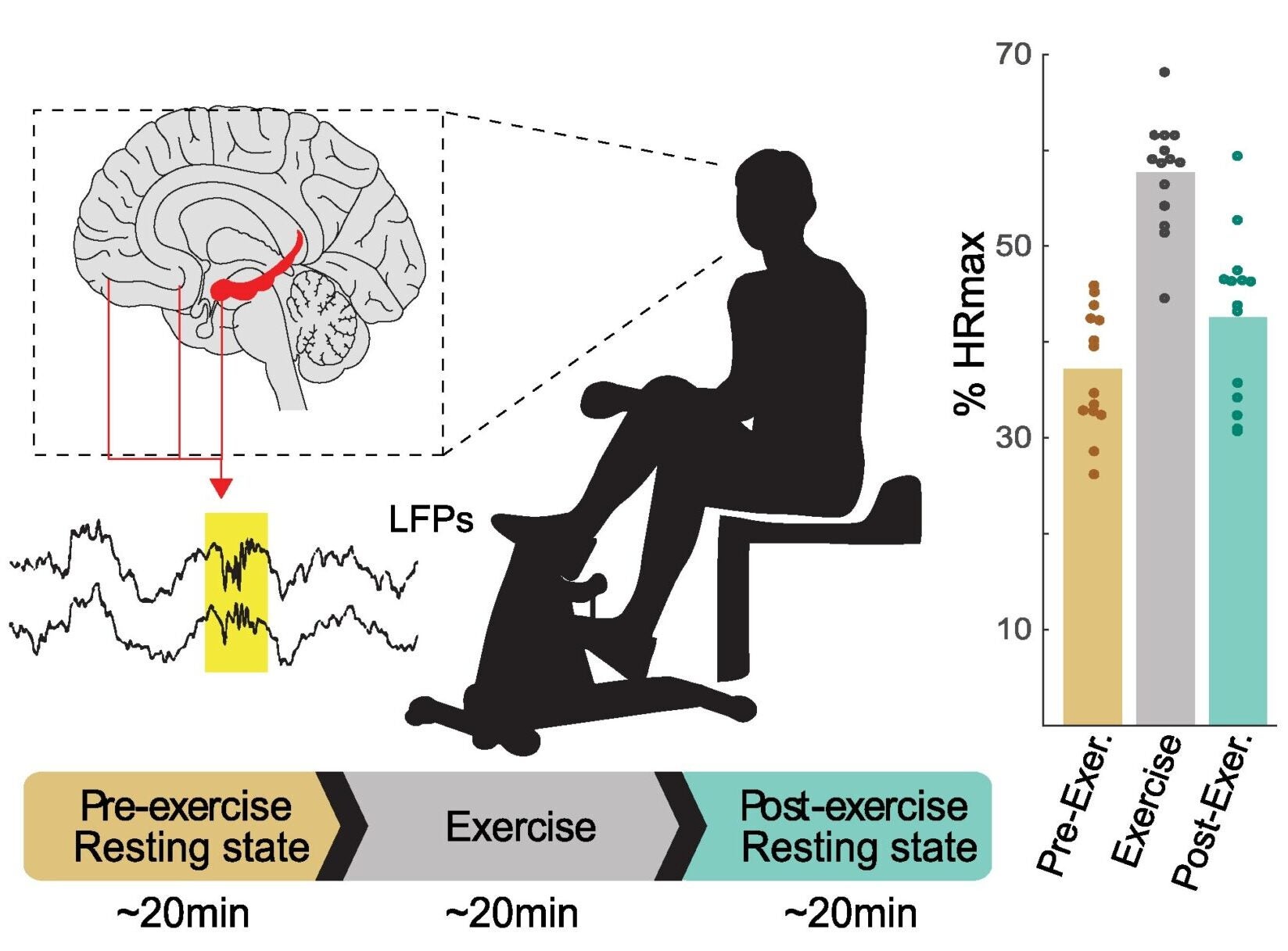
To overcome this, the research team worked with 14 patients receiving care at University of Iowa Health Care Medical Center. These individuals had epilepsy and already had electrodes implanted in their brains for clinical monitoring. This setup gave scientists a rare chance to observe neural activity directly.
Participants ranged in age from 17 to 50. Each completed a structured session that included rest, exercise, and recovery. They began with quiet rest, then cycled on a stationary bike for 20 minutes at a steady pace. Afterward, they rested again while researchers recorded changes in brain activity.
The exercise intensity remained moderate. On average, participants reached about 57.7 percent of their maximum heart rate. This level reflects a manageable effort, similar to a brisk walk or light jog.
At the center of the study are bursts of electrical activity called ripples. These high-frequency waves occur in the hippocampus, a region critical for memory. Scientists have long linked ripples to how the brain stores and organizes experiences.
Before this study, evidence of ripples came mainly from animal research. In humans, scientists could only infer their role. Now, researchers have directly observed these signals in action after exercise.
The results showed a clear increase in ripple activity following the cycling session. These bursts became more frequent in the hippocampus, suggesting heightened memory processing.
“We’ve known for years that physical exercise is often good for cognitive functions like memory, and this benefit is associated with changes in brain health, largely from behavioral studies and noninvasive brain imaging,” said Michelle Voss, professor in the Department of Psychological and Brain Sciences. “By directly recording brain activity, our study shows, for the first time in humans, that even a single bout of exercise can rapidly alter the neural rhythms and brain networks involved in memory and cognitive function.”
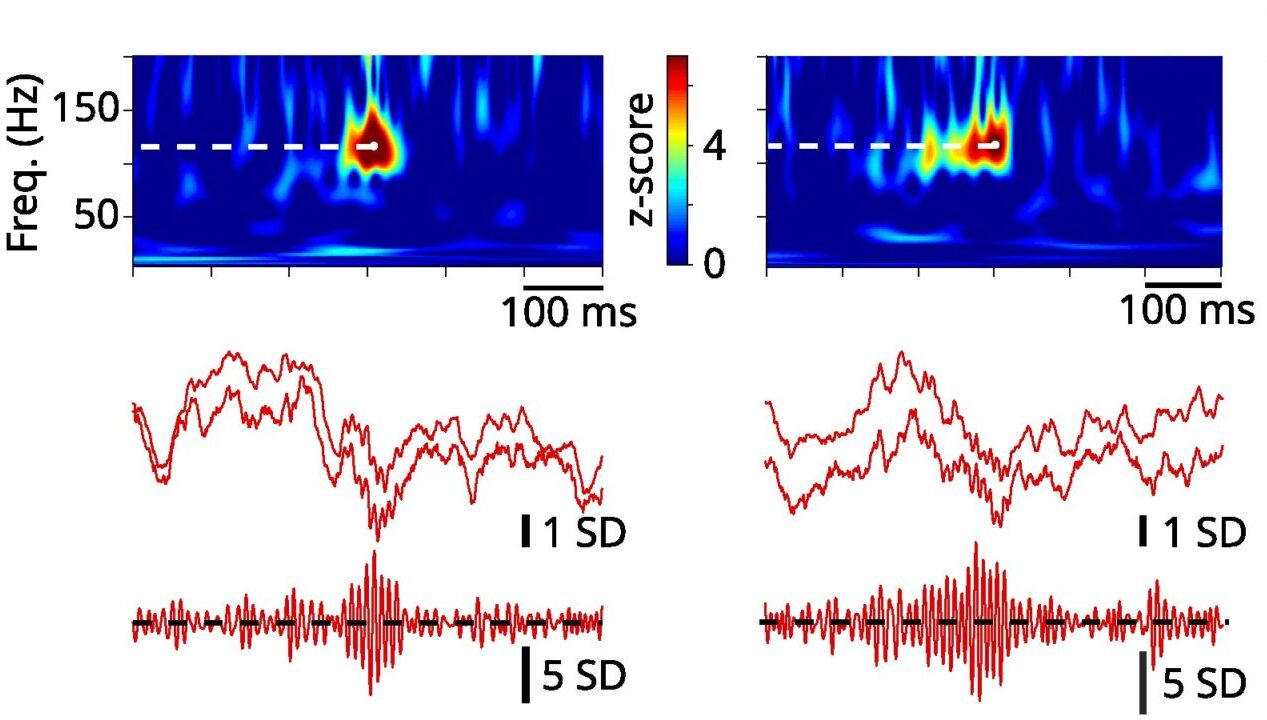
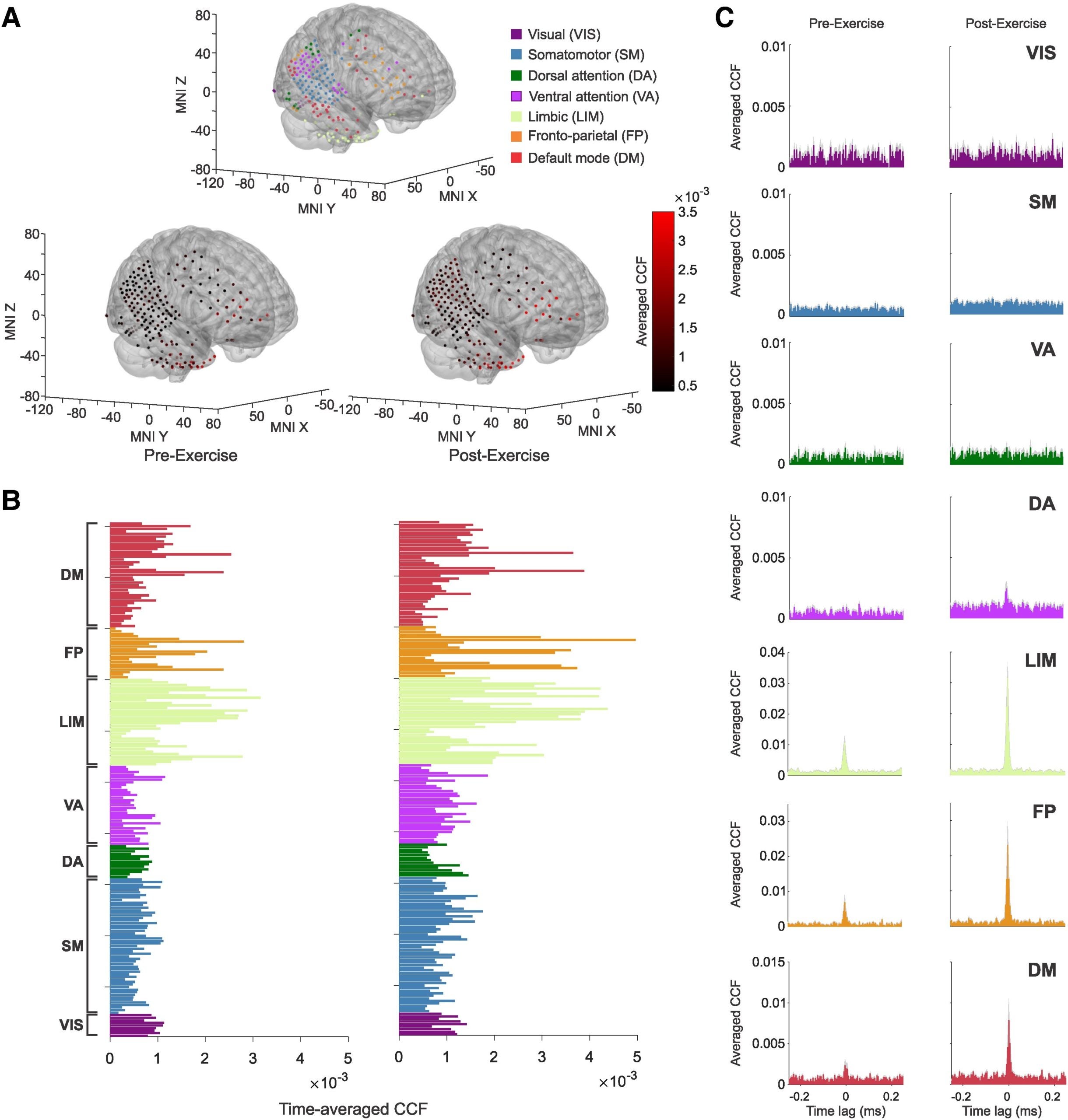
The study did not stop at ripple frequency. Researchers also examined how different brain regions communicated during these bursts. Memory relies on coordination between the hippocampus and other areas, especially regions tied to reflection and recall.
After exercise, ripple activity became more synchronized between the hippocampus and these cortical networks. This included areas involved in inward thought and memory retrieval.
This stronger coordination suggests that exercise helps the brain share information more efficiently. Instead of working in isolation, different regions appear to align their activity more closely.
The Default Mode Network, often active during reflection and imagination, showed notable changes. Ripple signals in this network increased in frequency, duration, and intensity. These shifts point to a brain that is more engaged in processing and organizing information after physical activity.
Not all workouts produced the same effect. The study found that heart rate during exercise influenced the degree of neural change.
Participants who reached higher heart rates during cycling showed larger increases in ripple activity. This pattern appeared in several brain networks linked to attention and memory.
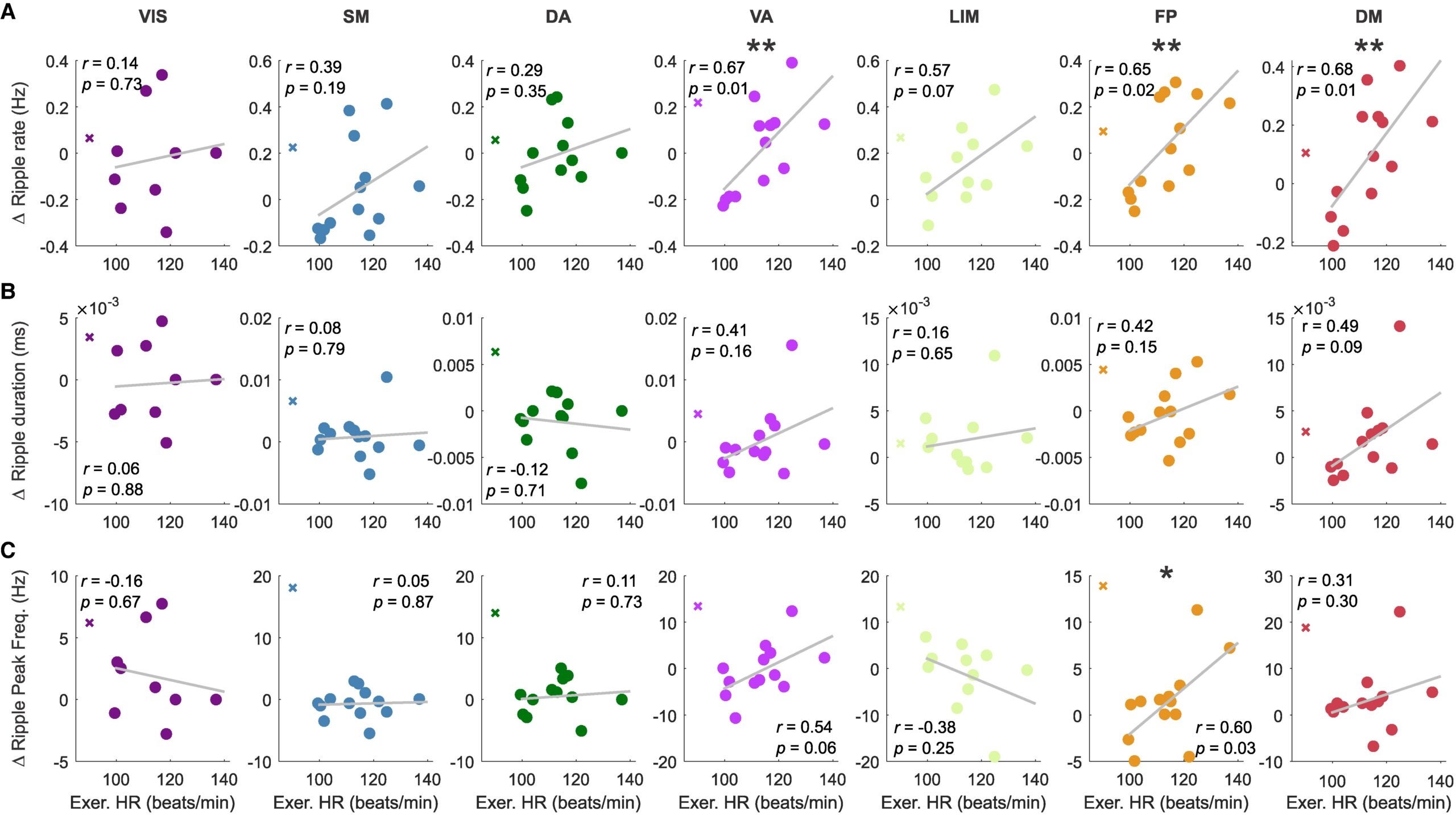
The relationship was strongest in areas tied to internal thought processes. This suggests that pushing slightly harder during exercise may amplify the brain’s response.
However, the researchers did not find similar links with other ripple features, such as duration or peak frequency. The key factor appeared to be how often these bursts occurred.
The brain’s activity is not only about frequency; timing also matters. Researchers measured how precisely signals aligned across different regions. This concept, known as phase synchrony, reflects how well brain areas coordinate their rhythms.
After exercise, synchrony increased between the hippocampus and several networks. These included regions tied to emotion, planning, and memory.
This tighter timing suggests a more organized brain state. Signals arrive together, making communication more effective. In practical terms, this may support better learning and recall.
The findings help explain why exercise often sharpens thinking. Ripples are widely considered markers of memory processing. In animal studies, more frequent ripples often lead to better learning outcomes.
The increase in ripple activity after exercise points to a similar effect in humans. Even without a memory test, the neural changes suggest the brain is primed for learning.
Michelle Voss noted that the results extend beyond the patient group studied. “The patterns we see after exercise closely match what’s been observed in healthy adults using noninvasive brain imaging, like fMRI. That convergence across very different methods is one of the strongest indicators that the effects are not specific to epilepsy but reflect a more general human brain response to exercise,” she said.
This alignment strengthens confidence that the findings apply broadly. It suggests that your brain may respond in similar ways after physical activity.
While the results are compelling, the study has limits. The sample size was small, and all participants had epilepsy. Electrode placement also varied based on medical needs.
Even so, the consistency of the findings across participants adds weight to the conclusions. Researchers carefully excluded areas affected by seizures to focus on typical brain activity.
Future studies aim to connect these neural changes directly to memory performance. The team plans to test participants on learning tasks while recording brain activity after exercise.
They also want to explore how long these effects last. It remains unclear whether repeated exercise could lead to lasting improvements in brain function.
This research suggests that even a short session of moderate exercise can quickly enhance how your brain processes memory. The findings may influence how educators, clinicians, and individuals approach learning and mental performance. A brief workout before studying or working could help prepare the brain for better focus and recall.
For healthcare, the study offers insight into non-drug ways to support cognitive health. Exercise may serve as a simple tool to strengthen brain networks tied to memory, especially in aging populations or those at risk for cognitive decline.
The research also opens new directions for neuroscience. By identifying ripples as a key mechanism, scientists can better understand how physical activity affects the brain at a cellular level. This knowledge may guide future treatments for memory disorders and neurological conditions.
Over time, these findings could shape recommendations for daily routines, combining physical movement with tasks that require learning and problem-solving. The connection between body and brain appears stronger and more immediate than previously understood.
Research findings are available online in the journal Brain Communications.
The original story “A single workout can rewire your brain’s memory circuits” is published in The Brighter Side of News.
Like these kind of feel good stories? Get The Brighter Side of News’ newsletter.
The post A single workout can rewire your brain’s memory circuits appeared first on The Brighter Side of News.


Leave a comment
You must be logged in to post a comment.