Dust swirls around scaffolding. Cranes swing massive beams. On paper, the schedule says everything should move smoothly, but somewhere, a delayed delivery or an overlooked safety hazard is quietly threatening the plan.
Now, imagine if the construction site could respond on its own, adjusting timelines the moment a problem appears. That’s the vision outlined in a new study by researchers at the University of East London (UEL), suggesting artificial intelligence could connect warning signals to planning software in real time.
Construction projects already generate an enormous amount of data daily—alerts from safety monitoring, notes on design clashes, updates about supply deliveries. Yet most of this information never automatically changes the schedule.
“Projects generate enormous amounts of warning data every day, but nothing in the schedule actually changes when these signals appear,” said Dr. Jawed Qureshi, Senior Lecturer in Structural Engineering at UEL and lead author. “Our work shows how those signals can be converted into scheduling constraints so the plan adapts before delays escalate.”
Part of the problem lies in how tools currently operate. Safety systems, digital risk registers, and scheduling platforms function mostly in isolation. One dashboard might detect a potential material delay. Another keeps track of task sequences. But they rarely talk to each other. When an alert pops up, it’s left to humans to notice, interpret, and adjust the plan—a process slow enough for small issues to snowball into major setbacks.
The researchers describe this as a “socio-technical gap”: a mismatch between the social aspects of construction—people, decisions, and teams—and the technical systems collecting and analyzing data. Left unresolved, this gap contributes to delayed projects, rising costs, and frustration for workers and the public alike.
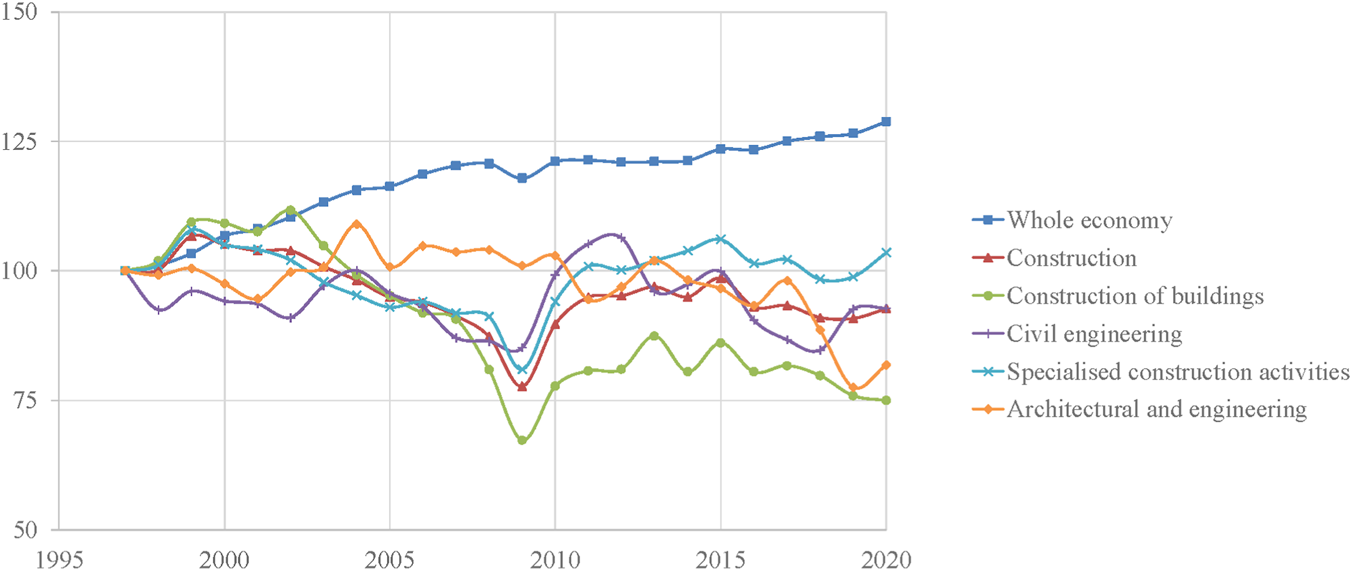
UK construction has struggled with productivity for decades. Between 1997 and 2020, overall UK productivity rose by nearly 29 percent, but construction fell by over 7 percent, leaving it 21 percent below the national average. Major infrastructure projects, including Crossrail and HS2, exemplify the consequences: schedules missed, budgets overshot, and complex programs running years behind plan.
The study presents a bold solution: a framework that integrates risk detection and scheduling so that emerging problems trigger automatic adjustments. Central to this system is what the authors call a “risk-to-constraint translation engine.” Instead of logging a hazard for later review, the system converts it into an actionable constraint that the project schedule can respond to immediately.
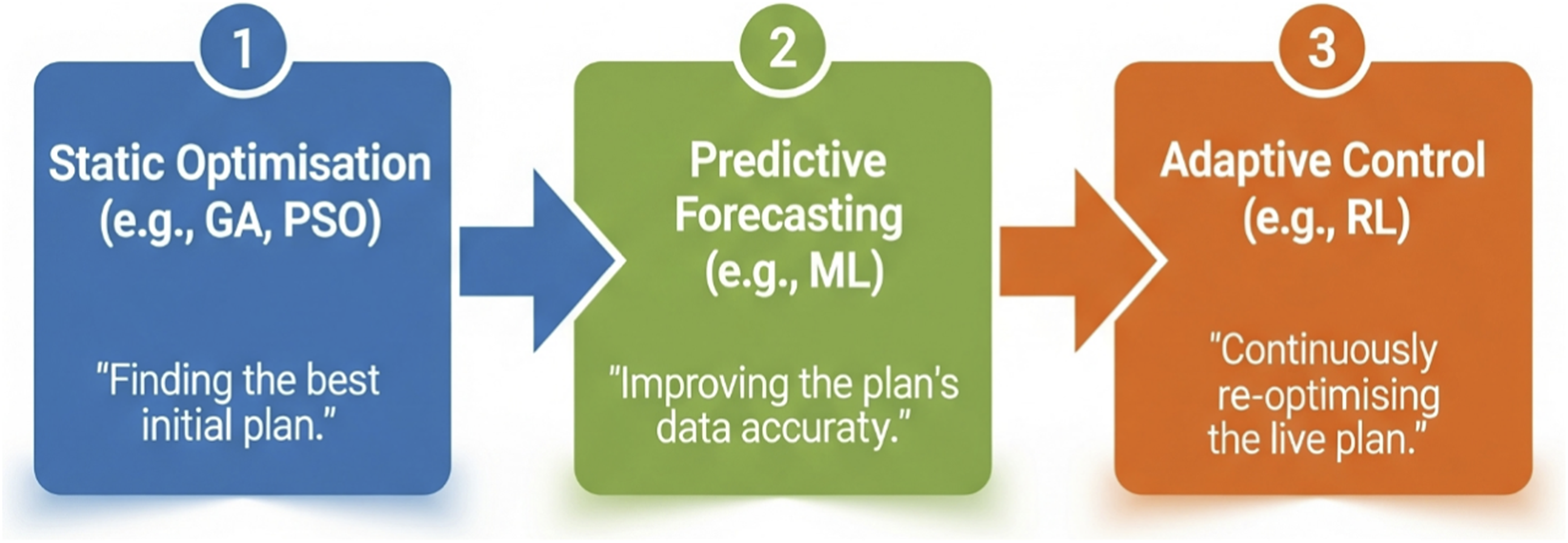
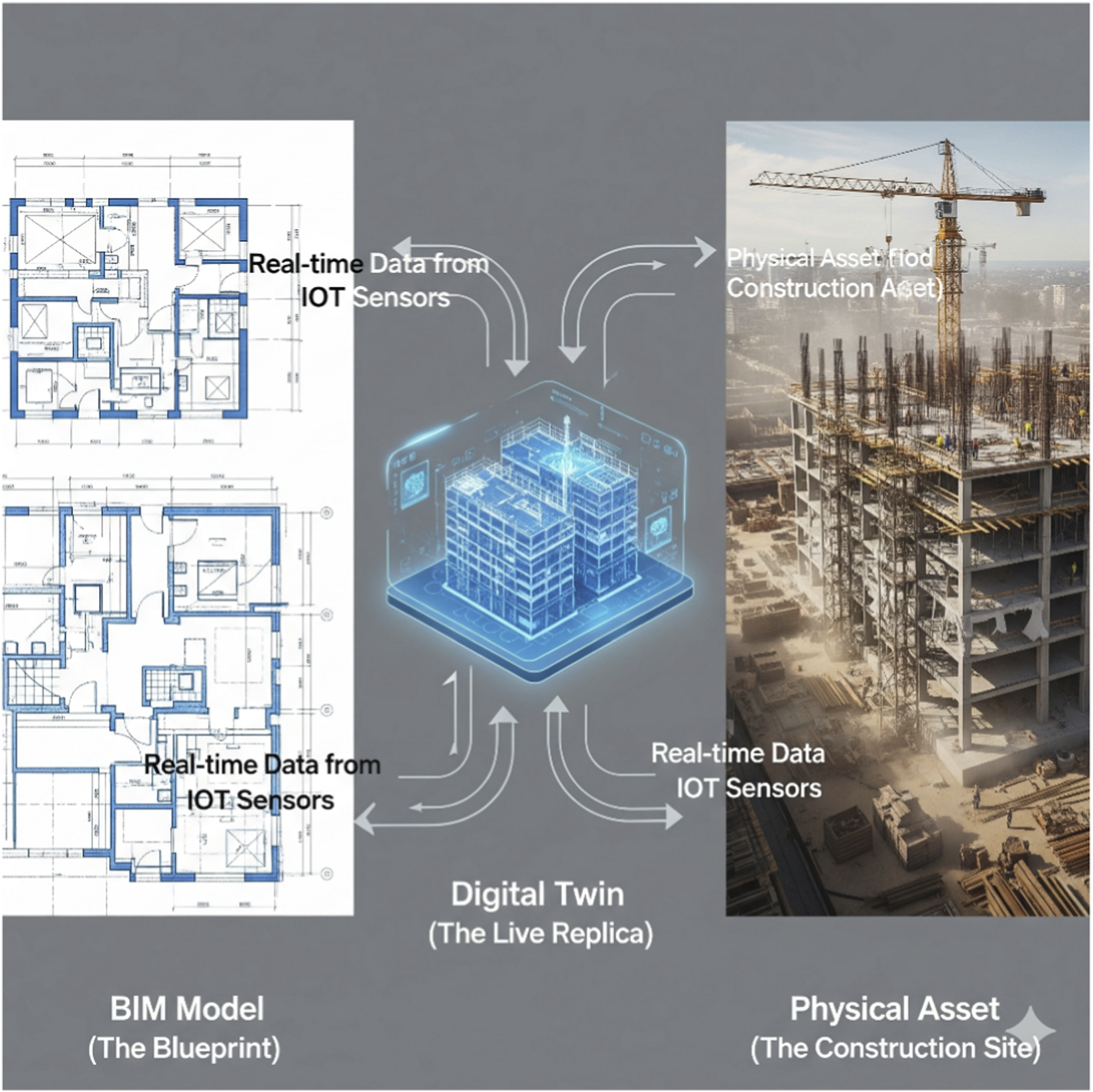
Practical examples illustrate the approach. A safety hazard identified by a camera could pause specific tasks until resolved. A predicted material delay might prompt the system to re-sequence dependent activities. Contractual risks detected from natural language analysis could insert extra time allowances where needed. Each scenario would then be tested in a digital twin—a virtual replica of the construction site—allowing managers to review and approve the optimal path before any real-world impact occurs.
“At the moment we manage projects like we drive while looking in the rear-view mirror,” Qureshi said. “This approach creates a forward-looking process where risk detection and planning become one continuous activity.”
At present, AI in construction tends to focus on either predicting risks or optimizing schedules, with little overlap. The UEL framework seeks to connect the two. By pulling data from multiple sources—including Building Information Modelling (BIM), enterprise resource planning (ERP) platforms, and IoT sensors—the system can build a live picture of project health. This unified view allows early warnings to translate directly into actionable schedule adjustments.
Human oversight remains integral. While AI could suggest new task sequences or constraints, managers would review decisions and guide priorities. This “human-in-the-loop” design balances automation with judgment, ensuring technology enhances rather than replaces decision-making.
The modular design of the framework allows flexibility. Smaller projects with limited digital infrastructure could implement simplified versions, while major infrastructure programs could adopt full-scale integration. The goal is to make construction more adaptive without requiring a complete technological overhaul.
If applied successfully, the framework could reshape how construction projects respond to disruptions. Small issues would no longer cascade into major delays because the system continuously translates risk signals into proactive schedule adjustments. Supply shortages, safety concerns, and design conflicts could be addressed before impacting the overall project timeline.
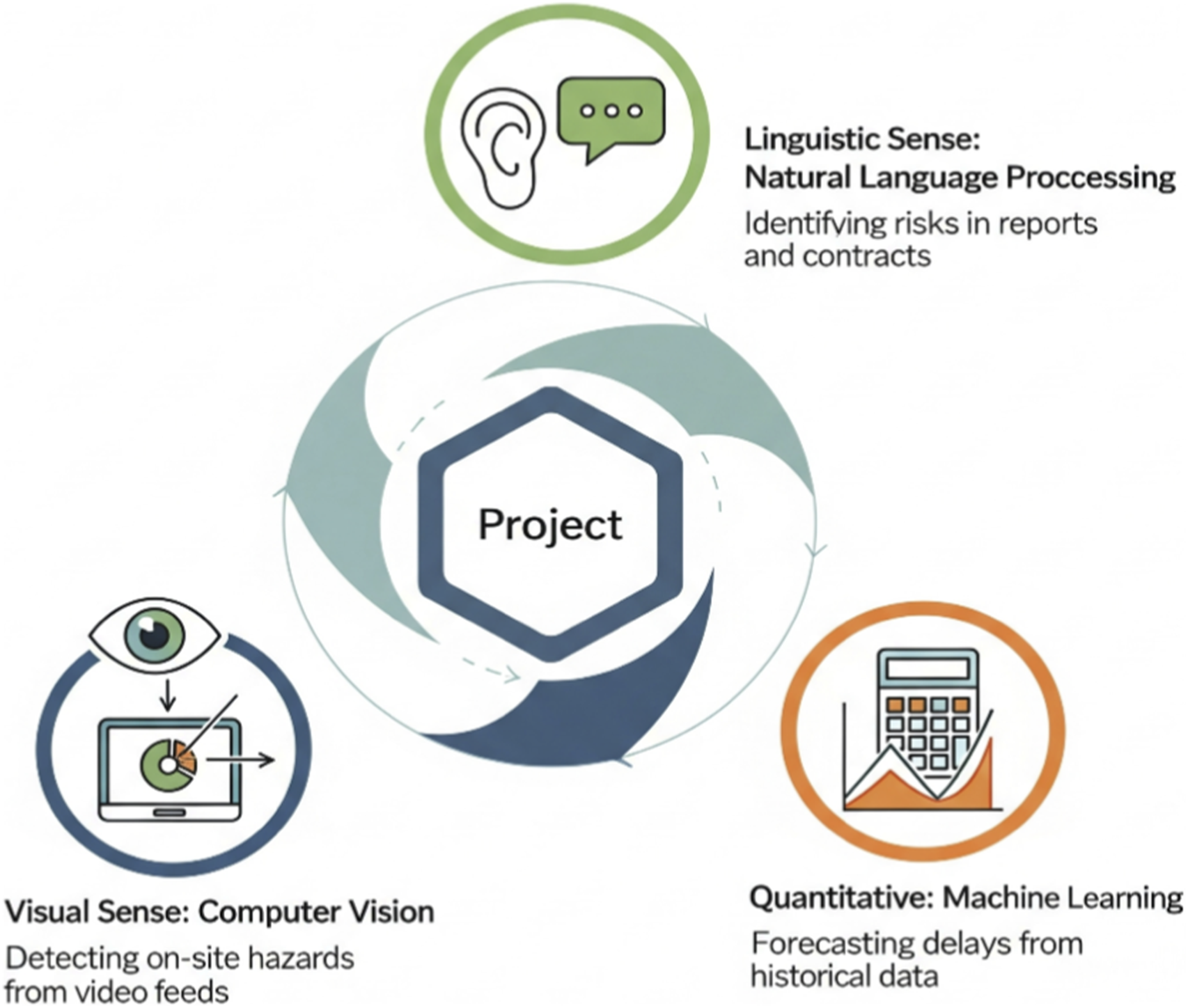
“By connecting prediction directly to action, projects could adapt as challenges emerge rather than after delays accumulate,” the study notes. Early adaptation could also improve safety, reduce costs, and help deliver better value for public infrastructure projects.
The framework’s impact is potentially wide-ranging. By making schedules responsive rather than reactive, it could help the UK construction industry close the productivity gap with other sectors. Real-time risk integration might also aid in meeting government standards for digital and coordinated workflows, including guidance from the Construction Playbook and the Transforming Infrastructure Performance Roadmap.
The research is conceptual, not yet implemented in the field. Before AI can take over real-time scheduling, prototype development and testing are required. Construction sites are complex, with unpredictable human behavior, environmental factors, and supply chain fluctuations. Demonstrating that the framework can function reliably under these conditions will be crucial.
The study also highlights the importance of trust and adoption. AI suggestions must be interpretable and accepted by project managers. Coordinated trials, feedback loops, and refinements will likely be necessary before large-scale deployment.
Despite these hurdles, the framework provides a clear roadmap for integrating AI into construction management. It combines risk prediction, automated decision-making, and digital twins to offer a proactive, data-driven approach.
Artificial intelligence has long promised smarter construction. This study provides a concrete mechanism to realize that promise. By turning warnings into actionable constraints, project teams could shift from reactive firefighting to forward-looking planning. Construction would become more resilient, schedules more reliable, and costly overruns less frequent.
Dr. Qureshi emphasized the potential impact: “If technology can shift us from reacting to problems toward preventing them, it fundamentally changes how projects are managed.” For an industry responsible for designing and building schools, hospitals, and railways, such a transformation could be significant—not just in efficiency, but in safety and public trust.
This framework suggests a future where construction sites continuously adapt to emerging risks. AI-driven adjustments could reduce delays, enhance safety, and improve cost management.
If widely implemented, the approach might help the industry reach the productivity levels other sectors enjoy and support better delivery of large infrastructure projects.
Research findings are available online in the journal Frontiers.
The original story “AI could transform how construction projects are managed” is published in The Brighter Side of News.
Like these kind of feel good stories? Get The Brighter Side of News’ newsletter.
The post AI could transform how construction projects are managed appeared first on The Brighter Side of News.

