Long before there were maps or names for continents, a handful of people stood at the edge of the world. Picture them on a frozen shoreline in what’s now Japan or Russia, staring east across the gray Pacific. The air was sharp, the sea restless. They carried tools chipped from stone—thin, double-flaked blades that gleamed like ice.
Those tools, forgotten beneath layers of earth, have begun to speak again. And the story they tell may rewrite the first chapter of America’s human history.
For decades, schoolbooks told a tidy version: people followed mammoths across a land bridge from Siberia into Alaska about 13,000 years ago, after the glaciers began to melt. It made sense, until new discoveries started poking holes in it.
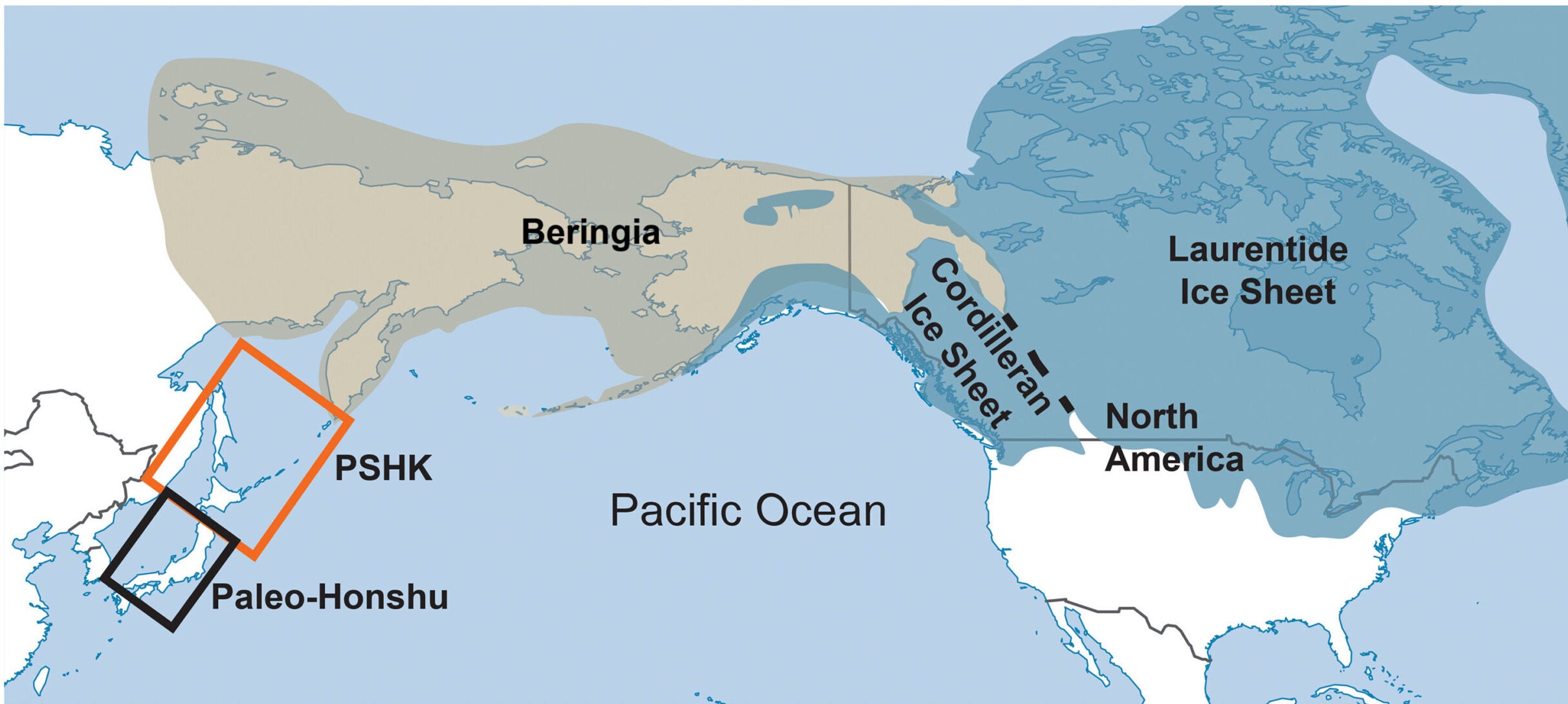
Loren Davis, an anthropology professor at Oregon State University, and archaeologist David B. Madsen think the truth is much older and wetter. Their new study in Science Advances suggests that the first Americans arrived not by foot, but by sea—sailing along the icy Pacific rim more than 20,000 years ago.
“This study puts the First Americans back into the global story of the Paleolithic,” Davis said. “They weren’t outliers—they were part of a shared technological legacy.”
It’s a bold claim, one that pulls the story of the Americas into a much larger web of human history stretching across northern Asia and the Pacific.
During the last Ice Age, much of the world’s water was locked in glaciers, and sea levels were hundreds of feet lower. The northern Pacific looked different then. Japan’s Hokkaido, Russia’s Kamchatka Peninsula, and the Kuril Islands formed a single vast landmass scientists now call the PSHK region. Here, early mariners had already learned to shape stone and steer boats through treacherous coastal waters.
Madsen’s team compared thousands of ancient tools from Japan, Russia, and North America. What they found wasn’t coincidence. The earliest American toolmakers, those from the American Upper Paleolithic (AUP), used the same blade-making methods as people across the Pacific. That similarity doesn’t happen by accident.
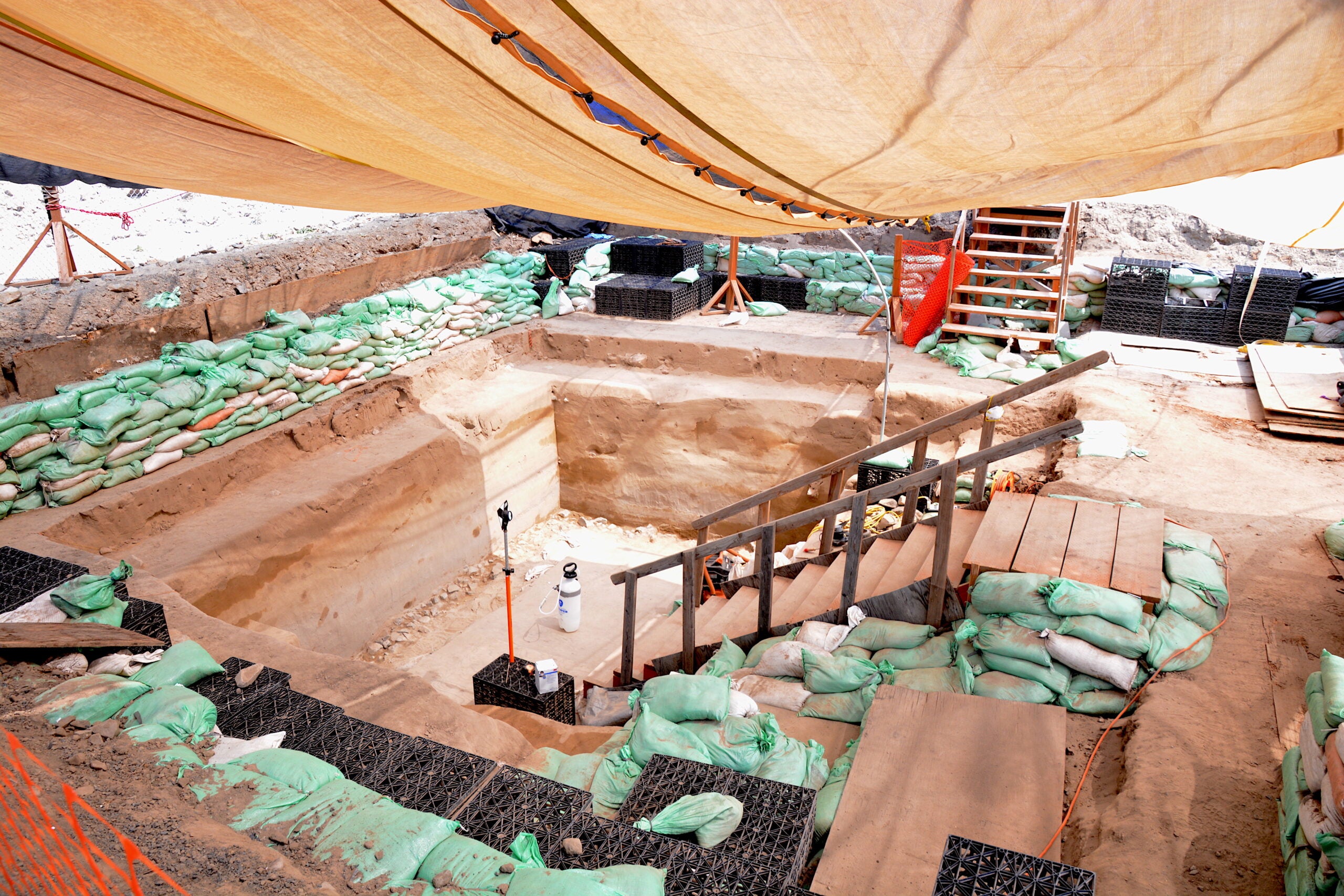
“They were using identical techniques,” Madsen said. “It points to a cultural connection across the Pacific Rim, not just a migration.”
You can almost imagine the journey—small groups following the edge of the ice, moving east generation by generation, hunting seals, catching fish, maybe wondering what lay beyond the horizon. It wasn’t a single bold expedition; it was persistence, survival, and curiosity stretched over centuries.
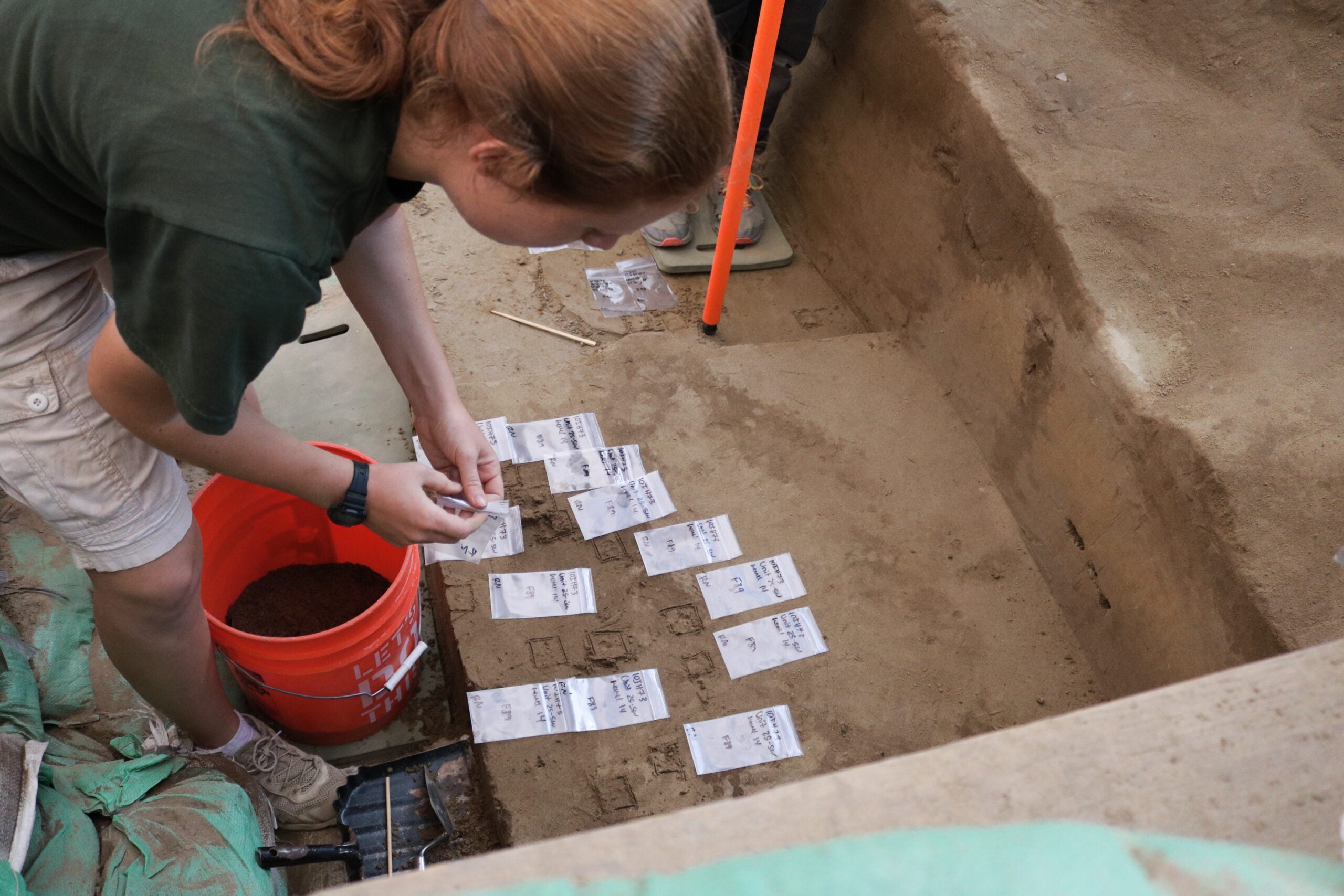
If you pick up one of those blades—say, from Cactus Hill in Virginia or Cooper’s Ferry in Idaho—it looks surprisingly modern. The craftsmanship is clean and deliberate, as if the maker cared deeply about every edge. Archaeologists have found these artifacts buried deep beneath younger layers of soil, dated between 16,000 and 20,000 years old—thousands of years before the so-called “Clovis” hunters arrived.
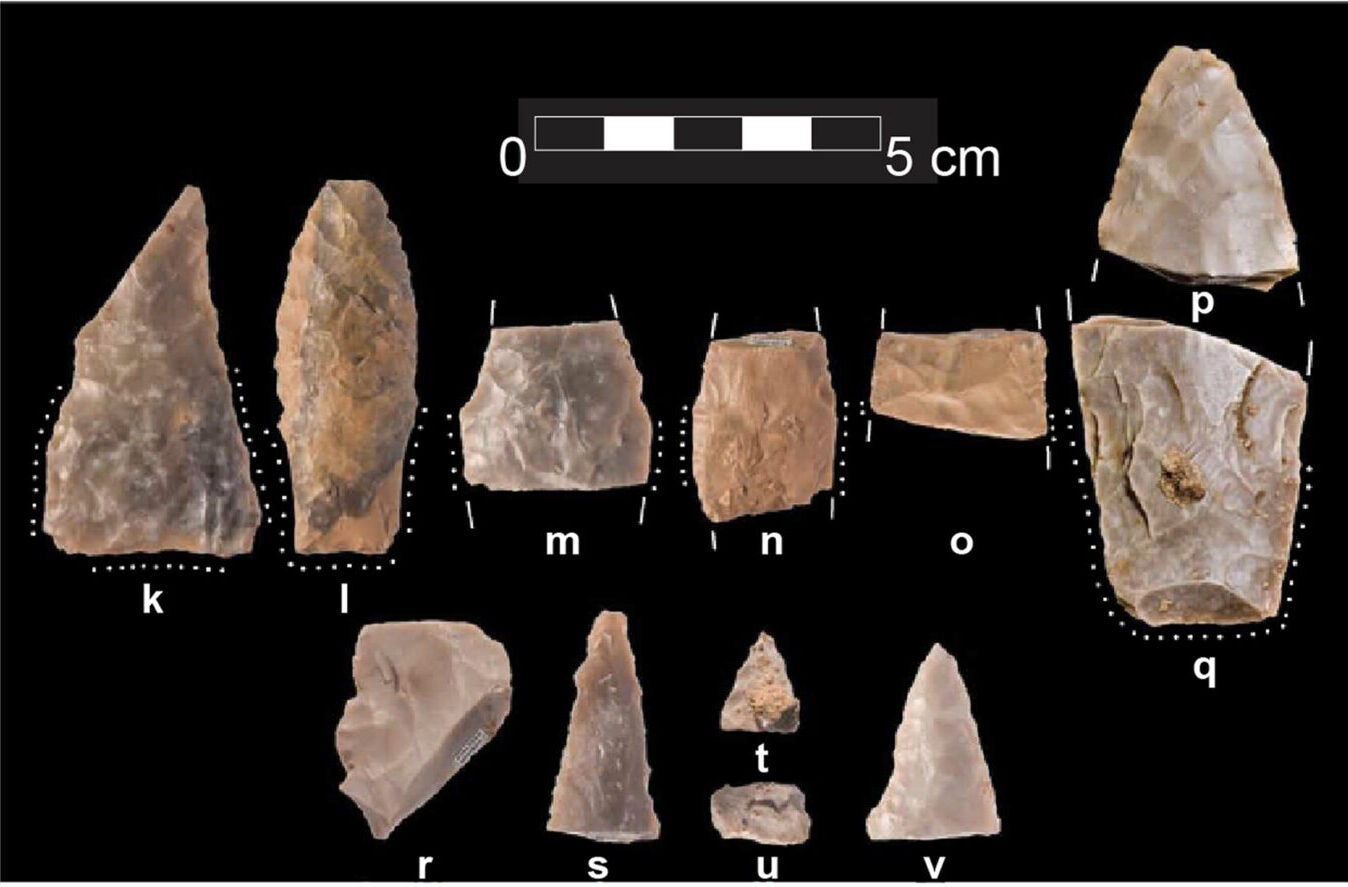
Davis describes two main methods behind their work: core-and-blade production, where thin blades were struck from a larger stone, and bifacial flaking, which shaped both sides of a point with careful, rhythmic blows. The results were light, efficient weapons—perfect for a world where food fought back.
“These advanced tools represent a technological fingerprint,” Davis said. “They connect the American Upper Paleolithic directly to its roots in Northeast Asia.”
In other words, every chipped stone carries memory, evidence of hands that once worked in sync across oceans.
If the first Americans really walked across the land bridge, there should be evidence frozen in the Alaskan permafrost: campsites, bones, hearths. But none have turned up. The oldest known sites are farther south, below the ice sheets that once swallowed most of Canada.
That’s why Davis and Madsen’s seafaring theory makes sense. When the Ice Age ended and sea levels rose, any coastal settlements these people built would have slipped beneath the Pacific. The earliest traces of American history might still lie there, buried under miles of silt and seawater.
“Additional evidence is probably submerged along the Pacific Rim,” Davis noted. “But even without it, the tools we have tell a clear story.”
It’s a haunting idea: a sunken coastline dotted with camps, fire rings, and boats, sealed away by time. Somewhere under the waves, the first American footprints may still rest in the sand.
For generations, history books painted the continent’s first people as nomadic hunters chasing herds across frozen plains. But the picture emerging now is different, more nuanced, more human. These weren’t just wanderers. They were sailors and innovators who knew how to read tides and stars, who passed down stories through craft and tradition.
Their blades weren’t just tools; they were heirlooms of knowledge. Each one carried lessons about survival, craftsmanship, and shared identity. That continuity still echoes in indigenous cultures today, connecting the peoples of North America with their ancient kin across the Pacific.
“Migration, innovation, and cultural sharing have always been part of what it means to be human,” Madsen said. It’s not just a story about where we came from—it’s about how we think, how we adapt, how we carry ideas across impossible distances.
For archaeologists, this study changes the map. The focus shifts from a single frozen bridge to a complex web of ocean routes and coastal refuges.
For indigenous communities, it deepens the timeline of ancestry, proof that their roots reach even farther back than anyone imagined. And for the rest of us, it’s a reminder that the urge to explore isn’t new. It’s ancient, stitched into our DNA.
Somewhere out there, under the Pacific’s cold gray surface, pieces of that story remain—stone, bone, and memory waiting for daylight.
Research findings are available online in the journal Science Advances.
Like these kind of feel good stories? Get The Brighter Side of News’ newsletter.
The post Ancient stone tools reveal how early seafarers from Asia became America’s first people appeared first on The Brighter Side of News.

