Four miles of tidal river can feel long even to seasoned rowers. Now consider doing it without using your legs.
That is the task Becky Coleman has set for herself.
Next month, the 35-year-old plans to row the full Oxford–Cambridge Boat Race course on the River Thames using only her arms. No wheelchair user has completed the 6.8-kilometer stretch in this way before. For Coleman, the challenge carries weight far beyond distance or time.
Just two years ago, she was fighting for her life.
Sepsis left her unable to speak clearly, read, or manage simple daily tasks after she left the hospital. Recovery was slow and uneven. Crossing a road or writing an email became obstacles. The idea of competing in any sport, let alone attempting a record-setting row, felt distant.
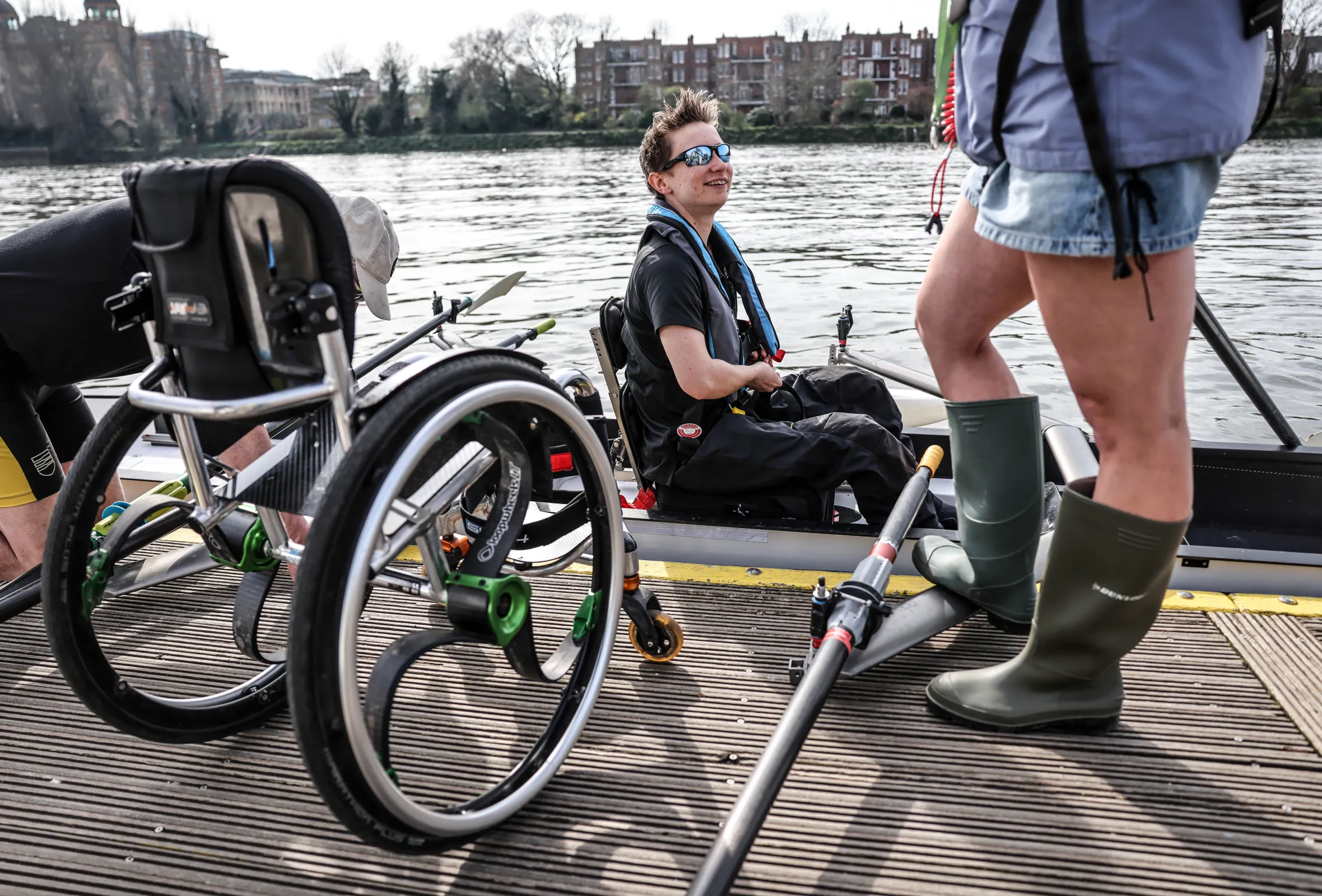
“It was exhausting, physically and cognitively,” she said. “It took a long time to build myself back up.”
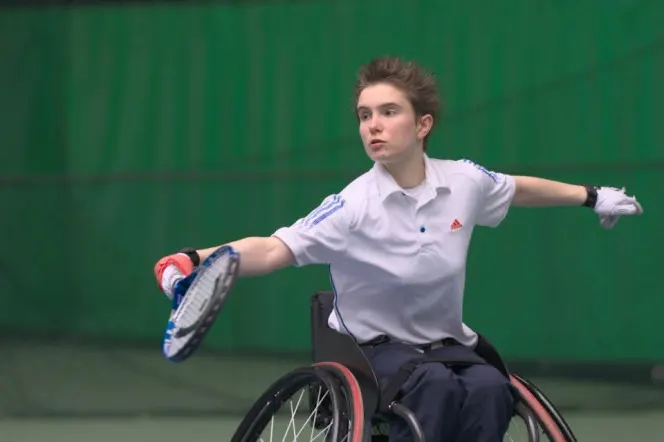
Coleman had already built a life shaped by persistence. After an accident in her early teens left her using a wheelchair, she went on to earn two university degrees, had a career in human resources, and rose to the top ranks of wheelchair tennis.
Then another setback forced a change.
A spinal injury made it difficult for her to rotate, a movement essential for tennis. She began searching for something new. Rowing machines, at first, were just part of her rehabilitation after sepsis.
Within a year, they became something more.
“I was desperate to find a new sport,” she said.
With a few adjustments, rowing offered a solution. Instead of a sliding seat, she uses a fixed carbon-fiber seat secured with Velcro straps. Stability comes from additional floats attached to the sides of the boat. Safety is built in, too. A lifejacket, a nearby safety boat, and the ability to release the straps quickly all factor into her preparation.
The setup may look different, but the motion remains powerful.
Coleman will row in a coxed double scull, alongside a non-disabled volunteer and a cox who steers. Her slight frame, just 42 kilograms, stands in contrast to the larger physiques often associated with the sport.
“Everybody has been shocked by that because I’m not your typically big, muscly rower,” she said with a laugh.
The attempt is not only personal.
Coleman hopes it will serve as proof that rowing can become far more accessible than it is today. In Britain, only about 80 rowers with disabilities are currently registered with the sport’s governing body. That number could soon grow.
With support from Fulham Reach Boat Club, which recently secured three years of National Lottery funding, plans are underway to train around 50 people with disabilities this summer. The longer-term goal is to have about 150 adaptive rowers on the river by 2028.
That would double current participation.
“Becky is a superstar,” said Adam Freeman-Pask, chief executive of the club and a former Team GB Olympian. “The challenge she is taking on is huge.”
He noted that no one has completed the full Boat Race course using only their arms, calling her effort an “impressive benchmark,” especially given her recent health struggles.
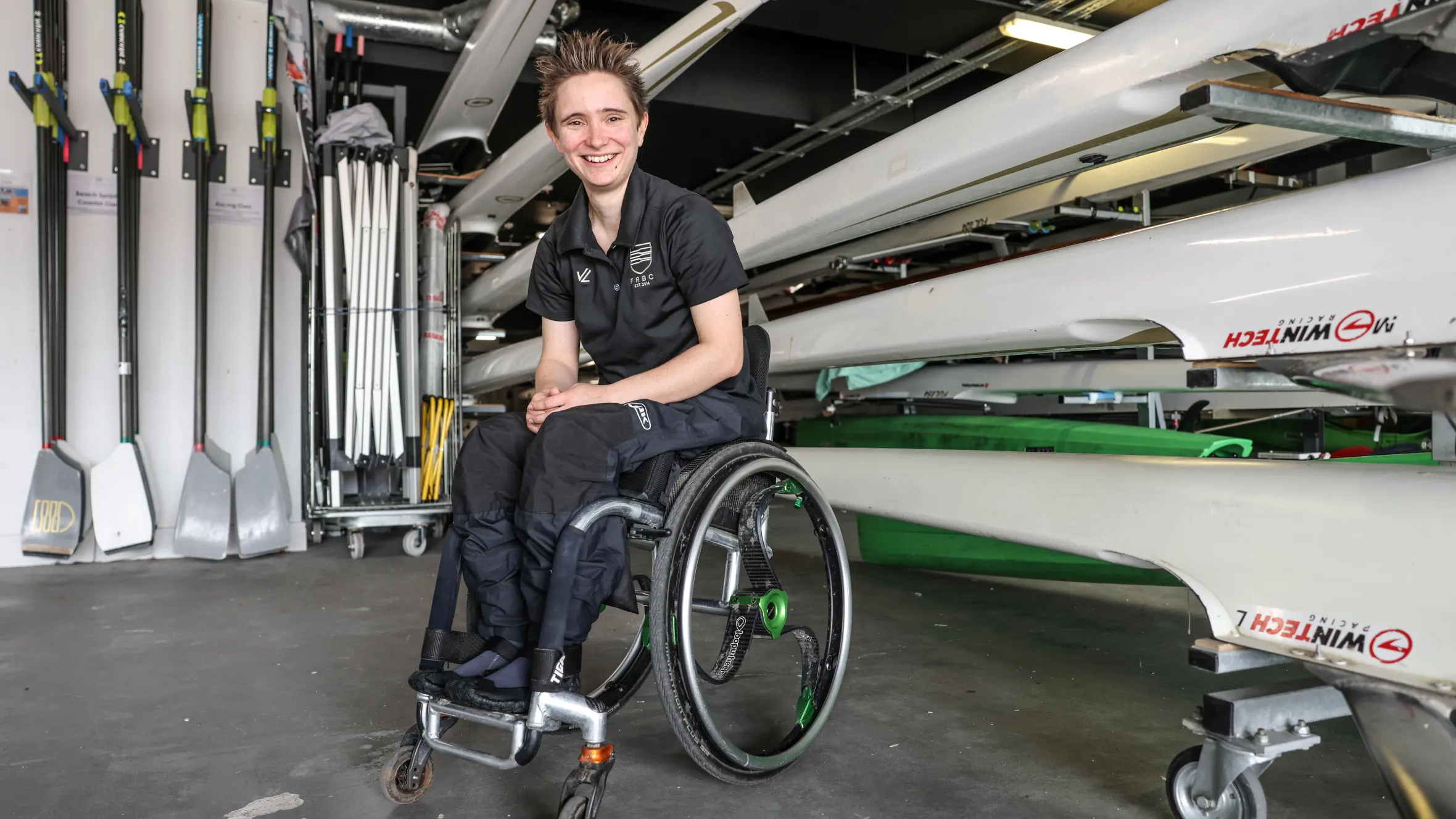
Coleman’s ambition even further. She envisions an adaptive rowing race running alongside the traditional Boat Race, mirroring the relationship between the Paralympics and the Olympics.
“That would be the dream,” she said. “We want to build up a squad, open it up to more classifications of disability and schedule regular fixtures.”
The Boat Race itself carries nearly two centuries of history. First held in 1829 after a challenge between friends from Oxford and Cambridge, it has grown into one of Britain’s most recognizable sporting events. The course, stretching from Putney to Mortlake, is known for its unpredictable tides and shifting conditions.
Crowds line the banks each year. Millions watch from afar.
Coleman plans to row the same stretch just days before this year’s race, placing her effort in direct conversation with that long-standing tradition.
Her aim is not to compete with it, but to expand it.
“I’ve been told all my life of all the things I might not be able to do,” she said. “But I’m ambitious. If there is a will to do something, I’ll just do it.”
Training has become part athletic routine, part personal milestone. Coleman’s parents will be on the riverbank when she sets off, alongside supporters who followed her recovery.
She is also raising funds for the UK Sepsis Trust, crediting its helpline nurses for guiding her through the hardest stages after her illness.
Halfway to her £1,500 goal, she sees the row as both a thank-you and a turning point.
Still, what draws her most to the water is not competition.
It is the quiet.
Moments with herons, the sound of geese landing nearby, the sun rising over Hammersmith Bridge. These are details she says no court can match.
“There is something special about rowing,” she said. “About being out on the water, for your mental health as well as your physical health.”
The original story “Becky Coleman sets sights on becoming first wheelchair athlete to row Oxford–Cambridge course” is published in The Brighter Side of News.
Like these kind of feel good stories? Get The Brighter Side of News’ newsletter.
The post Becky Coleman sets sights on becoming first wheelchair athlete to row Oxford–Cambridge course appeared first on The Brighter Side of News.


Leave a comment
You must be logged in to post a comment.