Cancer cells possess a remarkable quality called plasticity. This means they can change their form. This ability helps them survive and spread.
Cancer cells act like young cells. They can adapt to different body parts. They can also resist drug treatments. But what if this very quality could be used against them? Scientists are exploring this idea. They want to make cancer cells more like normal cells. This could stop their dangerous growth.
Breast cancer is a major health concern for women. A very aggressive type is triple-negative breast cancer (TNBC). It is hard to treat. This cancer lacks important markers. These include the estrogen receptor alpha (ERα). Its high plasticity makes it very dangerous. It has a poor outlook. But new research offers hope. Scientists found a way to target this plasticity. They aim to make these aggressive cells less harmful.
Normal breast cells have ERα. These cells are mature. They do not grow uncontrollably. In contrast, many breast cancers have ERα. But these cells grow too much. They can be treated with anti-estrogen drugs. These treatments work well. However, TNBC does not respond to these drugs. It often affects younger women. It has limited treatment choices.
Researchers at the University of Basel and the University Hospital Basel wanted to change this. They wondered if TNBC cells could be made to express ERα. This could make them treatable. Professor Mohamed Bentires-Alj leads this research group. They published their findings in the journal Oncogene.
The team had a clever idea. They wanted to turn TNBC into a more treatable type. Dr. Milica Vulin, the lead author, explained their goal. “Our initial idea was to induce estrogen receptor expression in order to convert triple-negative breast cancer into estrogen-receptor positive breast cancer because of more effective treatment options available for this subtype,” she stated.
Related Stories
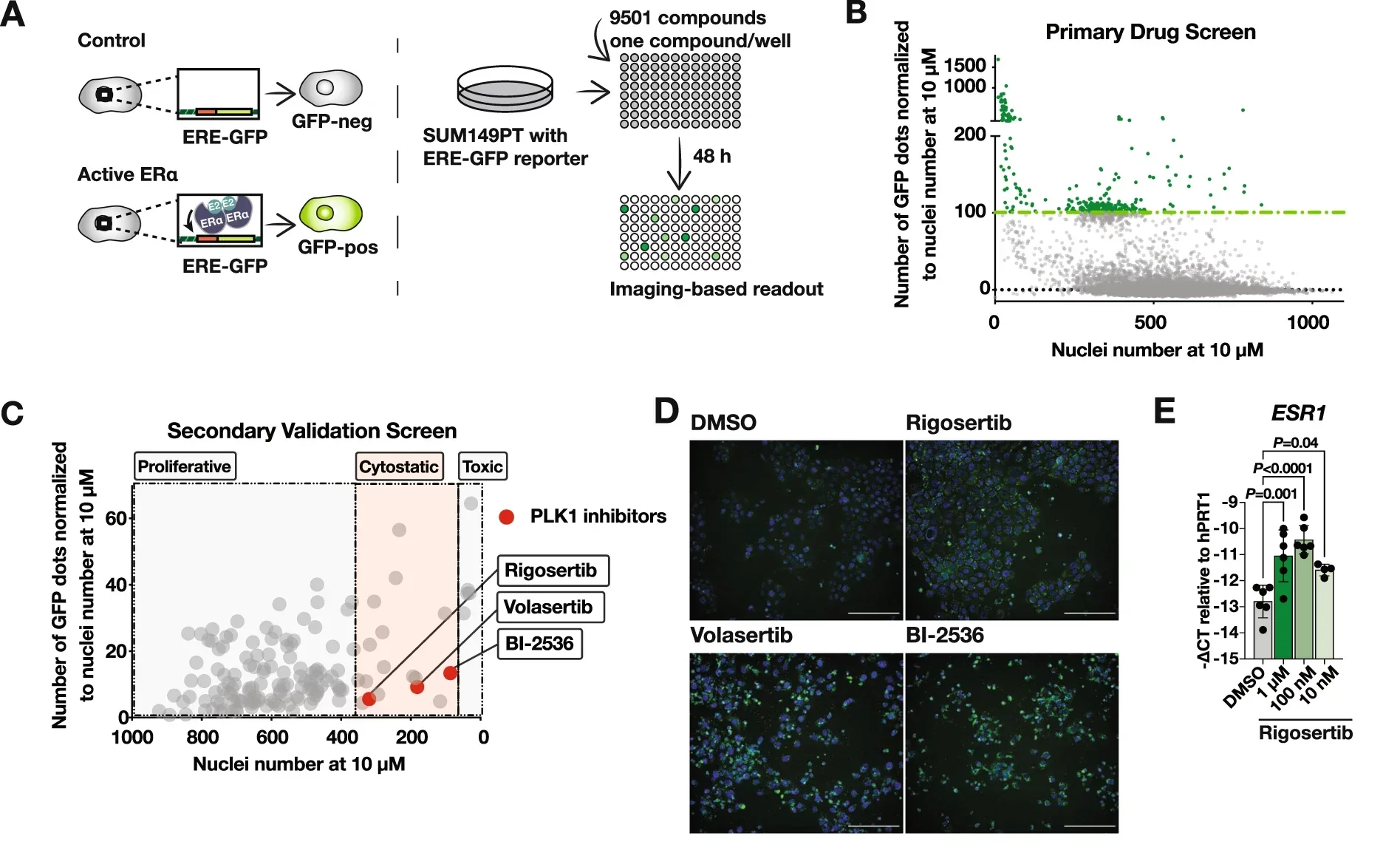
They screened many compounds. Over 9,500 substances were tested. They looked for those that could increase ERα. They found three strong candidates. These were inhibitors of a protein. This protein is called polo-like kinase 1 (PLK1). PLK1 is vital for cell division.
What happened next was a big surprise. Inhibiting PLK1 did more than expected. It increased ERα. But it also pushed the cancer cells. It made them differentiate. This means they became more like normal cells. They stopped growing. They even started to die. This was a major breakthrough. It suggested a new way to fight TNBC.
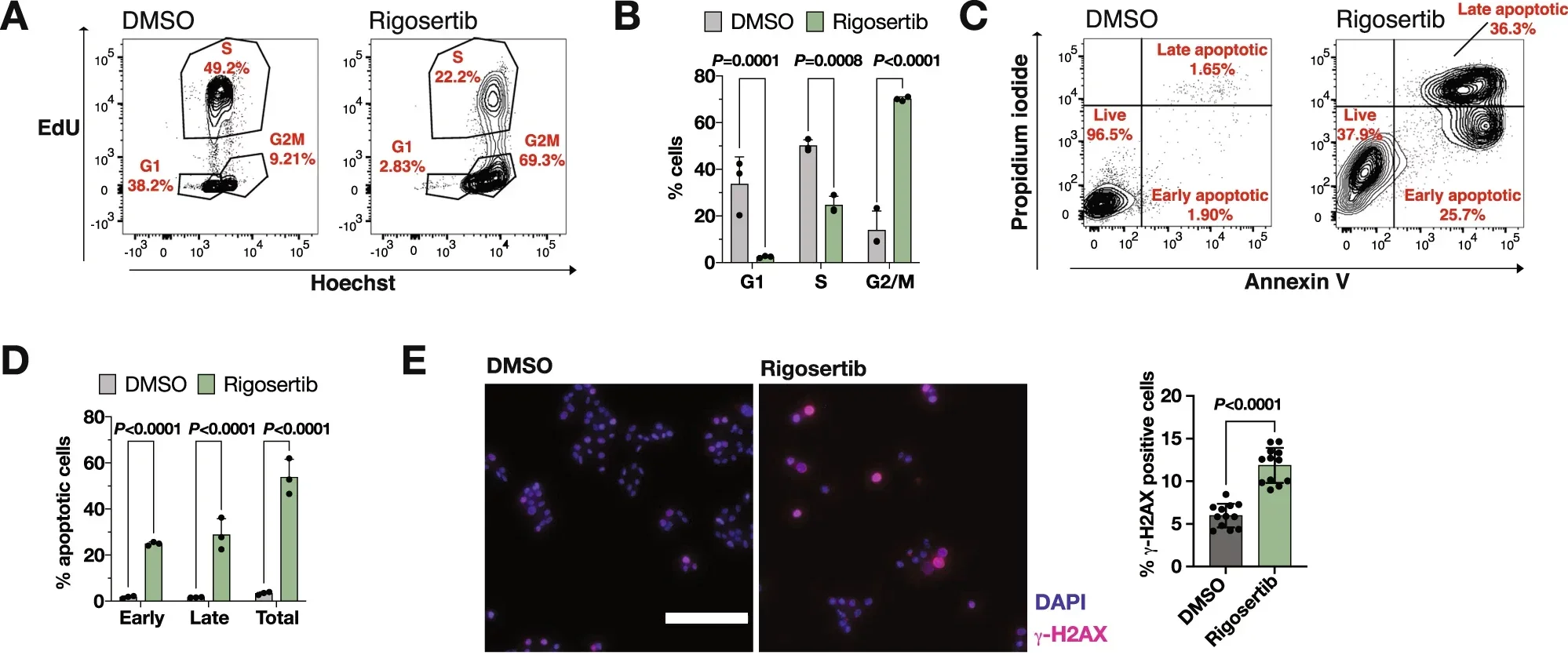
PLK1 inhibition sets off a chain of events. It causes DNA damage. It stops cell division. This leads to cell death. Even cells that survive change. They lose their ability to form tumors. This was seen in lab tests. It was also seen in patient-derived models. Targeting PLK1 slowed tumor growth. It made cancer cells less dangerous.
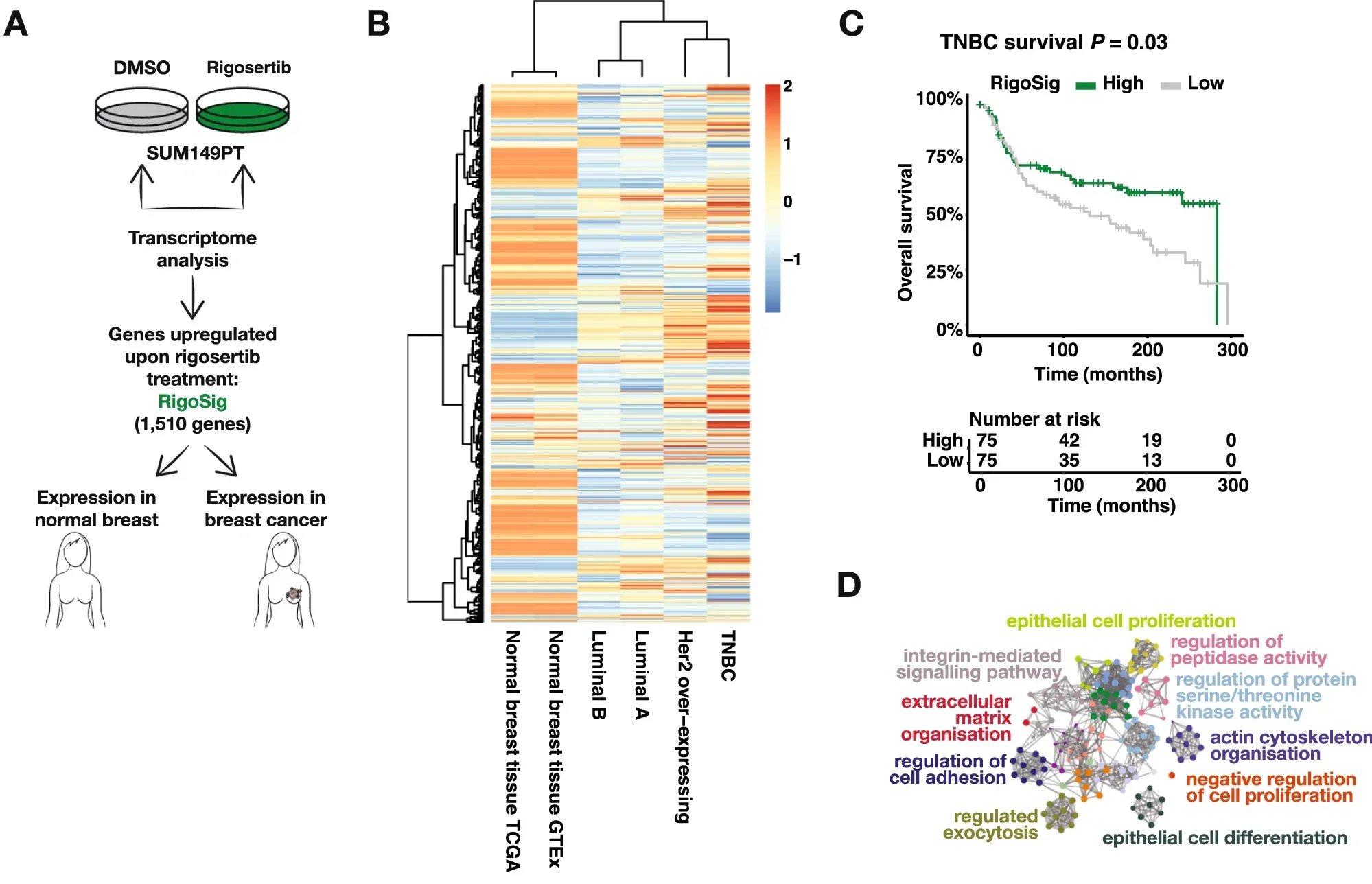
The changes upon PLK1 inhibition are significant. Genes that turn on also appear in normal breast tissue. Their expression links to better survival. This provides strong evidence. PLK1 inhibition could be a new therapy. It’s called differentiation therapy. This type of therapy has worked for blood cancers. Now, it shows promise for solid tumors.
Understanding cancer is key. Knowing how cancer cells differ from normal ones helps. Professor Bentires-Alj emphasized this. “Understanding the cellular and molecular mechanisms that define cancer and how these mechanisms differ from normal cells is crucial for developing new innovative therapies,” he said. This research opens a new door. It offers hope for TNBC patients.
The compounds used are already in trials. They are being tested for other cancers. These include blood, lung, and pancreatic cancers. This means they could be tested soon for breast cancer. This speeds up the process. It brings new treatments closer to patients.
There’s another exciting possibility. Combining differentiation therapy with immunotherapy. Immunotherapy uses the body’s immune system. It helps fight cancer. Normal-like cells might be easier targets. Immune cells could clear them away. Cancer cells often evade the immune system. Making them more normal could change this. The researchers are hopeful. They are pursuing these strategies. They believe that with time and resources, more progress will be made.
Note: The article above provided above by The Brighter Side of News.
Like these kind of feel good stories? Get The Brighter Side of News’ newsletter.
The post Breakthrough cancer treatment reverts cancer cells to their normal state appeared first on The Brighter Side of News.

