The ground beneath northern South America holds memories far older than any city or road. Locked inside ancient volcanic rocks is a record of when continents collided, mountains rose, and the shape of the Americas began to change. A new scientific study suggests that one of the most important tectonic events in this region happened earlier than scientists once believed.
Research shows that the collision between Central America and South America was largely complete before about 10 million years ago. That timing challenges long-standing ideas about how and when the northern Andes were formed.
The study was led by Victor Piedrahita and J. Li, working with an international team of geoscientists. Their work focuses on Colombia’s Northern Andes, where layers of volcanic rock act like a geological diary. By reading those layers in a new way, the researchers uncovered evidence that major crustal deformation had already slowed by the late Miocene.
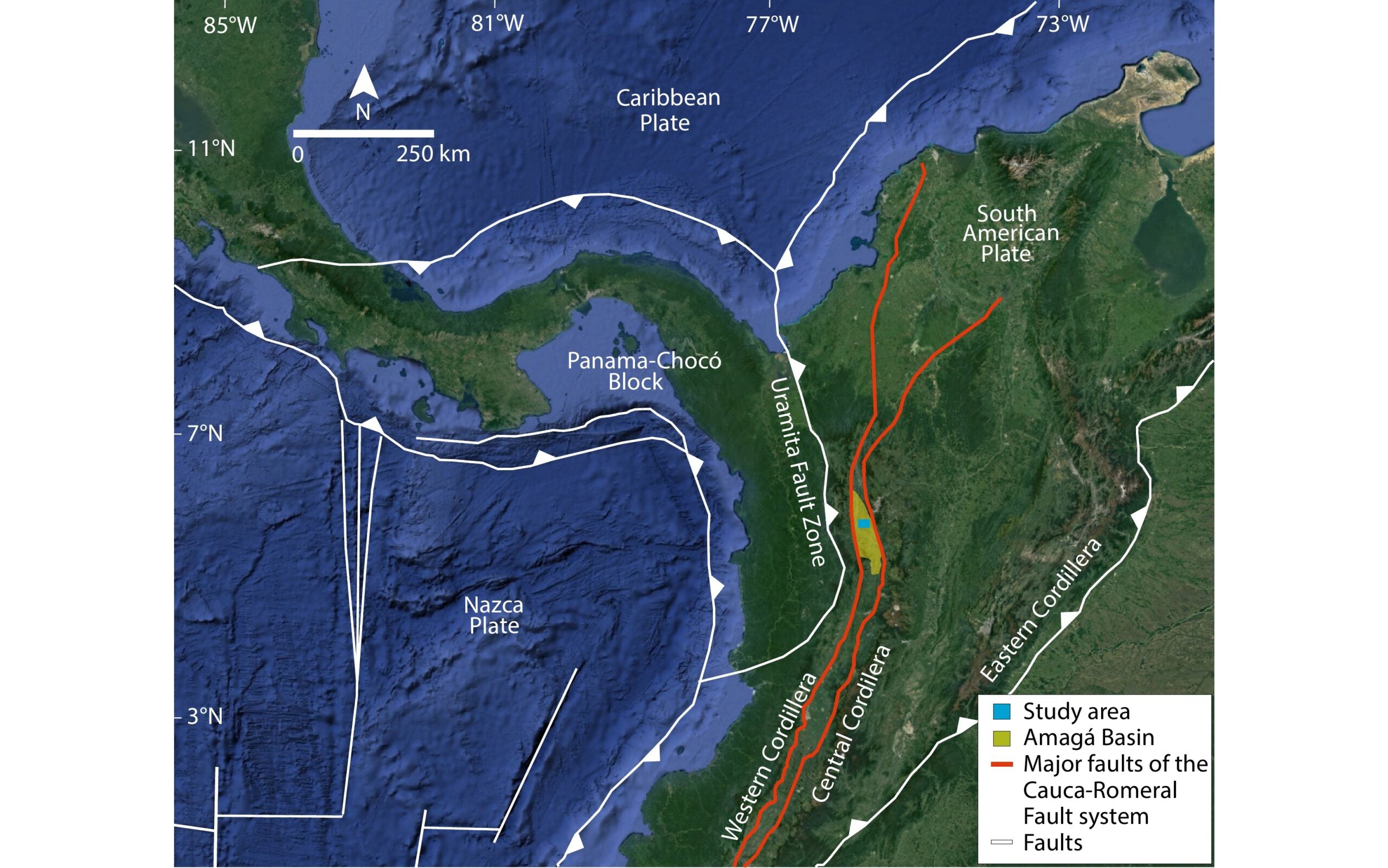
The rocks at the center of the study come from the Combia Volcanic Province in central Colombia. These volcanic deposits formed between about 12 and 6 million years ago, during a time when the South American Plate was interacting with the continental edge of Central America.
Volcanic rocks are especially valuable to geologists because they form quickly and preserve details of their origin. As molten material cools, tiny magnetic minerals inside the rock align with Earth’s magnetic field. That alignment can remain stable for millions of years.
“Volcanic rocks can preserve a remarkably detailed record of geological processes,” said Dr. Victor A. Piedrahita. “Their magnetic fabrics help us determine whether deformation occurred before, during, or after the rocks were emplaced.”
By studying how those magnetic grains are arranged, scientists can tell whether rocks were later squeezed, bent, or twisted by tectonic forces.
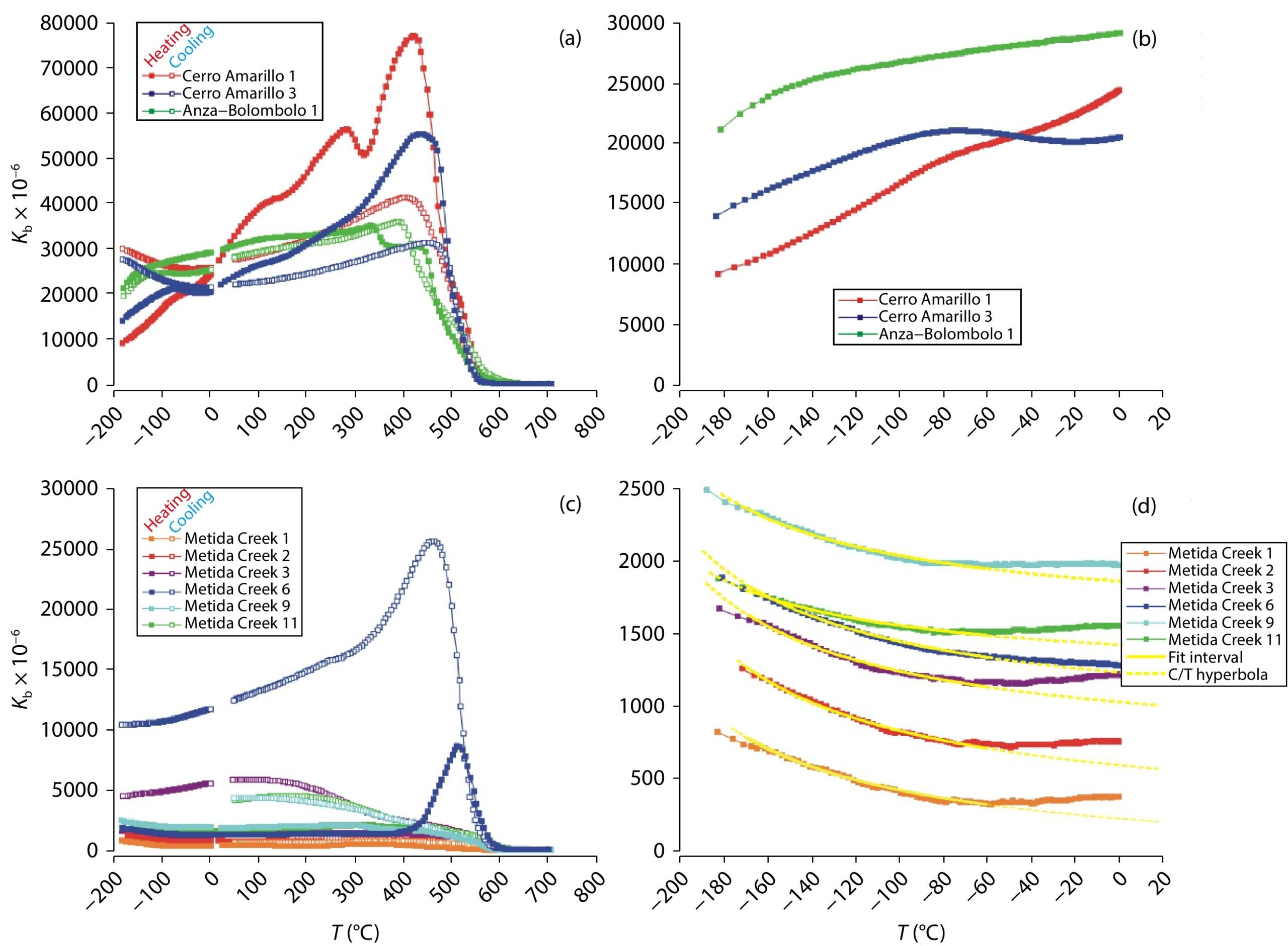
The research team used a method called magnetic fabric analysis. This technique examines the preferred alignment of magnetic minerals within a rock. The patterns reveal whether the rock reflects original volcanic flow or later tectonic stress.
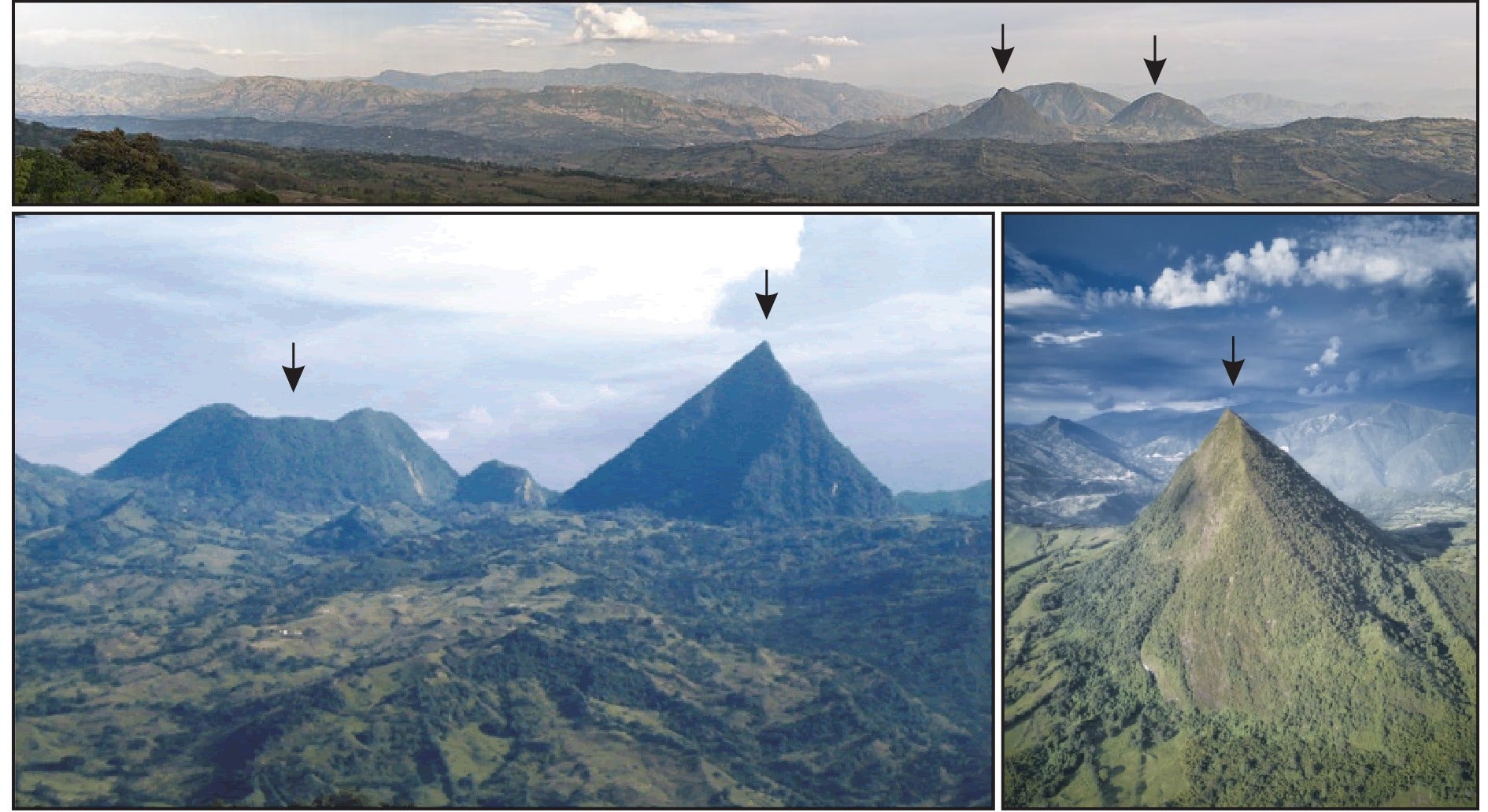
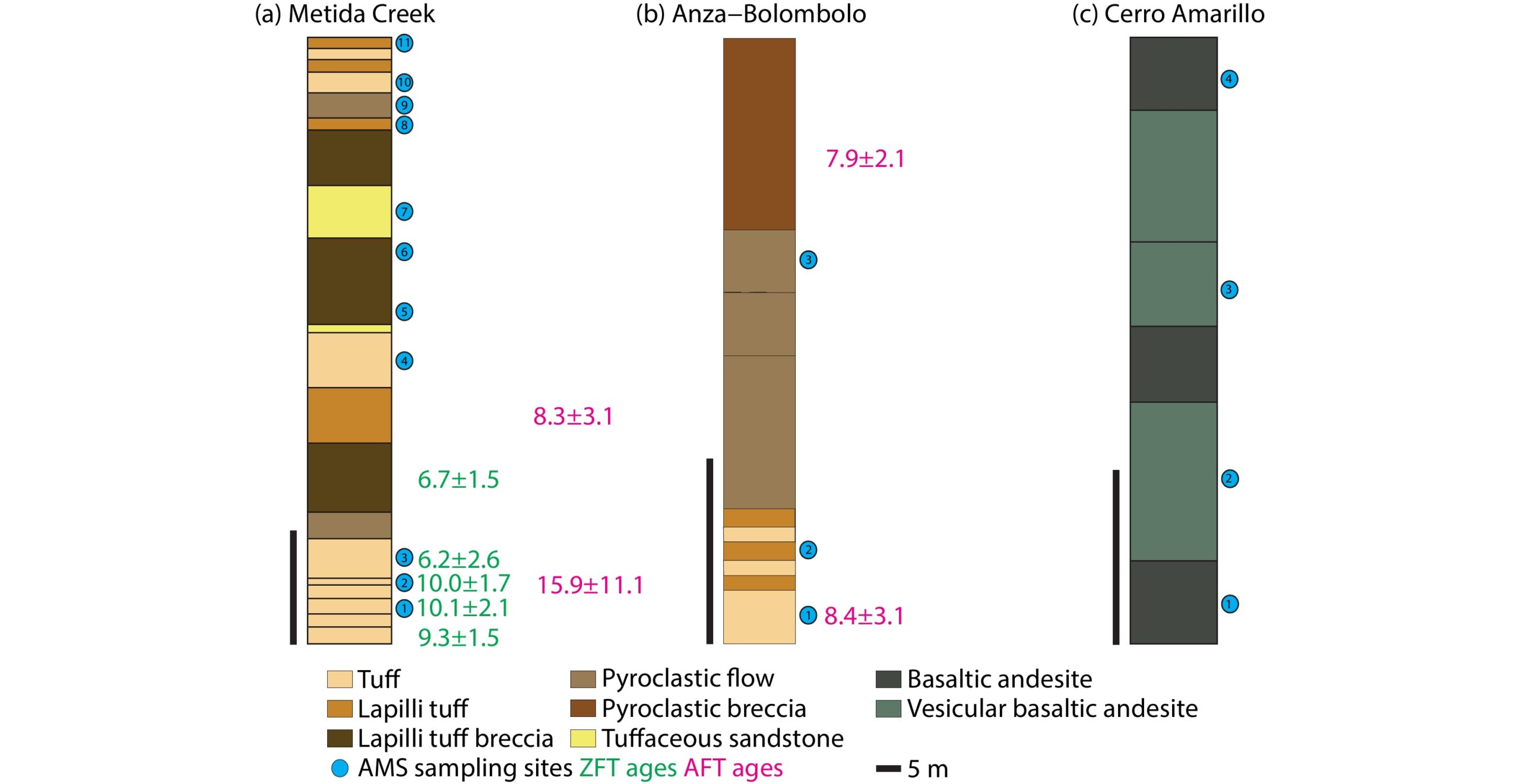
The team collected samples from multiple sites across the Combia Volcanic Province. They then analyzed the samples in laboratories, measuring the orientation and strength of magnetic signals.
Many samples showed magnetic patterns linked to lava flow or volcanic debris movement. These signals suggest the rocks were not heavily altered after they formed. Some locations showed signs of localized deformation, but those changes were limited and uneven.
Together, the findings point to a key conclusion. By the time these volcanic rocks formed, large-scale crustal shortening had already declined.
For decades, many tectonic models suggested that the collision between Central and South America intensified during the late Miocene. That collision helped build the northern Andes and reshape regional landscapes.
The new data tells a different story.
“Our data indicate that the most significant collisional events between Central and South America occurred earlier than we previously thought, mainly during the Oligocene to middle Miocene,” Piedrahita and Li explained. “By the time these volcanic rocks formed, tectonic deformation had become weaker and more localized.”
This means that much of the mountain building and crustal compression had already taken place before 10 million years ago. The late Miocene, once thought to be a peak collision period, may instead represent a quieter tectonic phase.
Understanding when tectonic events occurred helps scientists explain how landscapes formed. It also affects how researchers model earthquake risk, volcanic activity, and long-term climate patterns.
The Andes influence rainfall, river systems, and ecosystems across South America. Their rise altered wind patterns and helped shape the Amazon basin. Shifting the timeline of mountain growth changes how scientists interpret those connections.
Accurate timing also improves plate motion models. Knowing when plates collided, slowed, or changed direction allows geologists to better reconstruct Earth’s past movements.
This study adds a key piece to that puzzle by narrowing the window when major deformation occurred in the Northern Andes.
The research highlights the growing power of magnetic methods in geology. Magnetic fabric analysis allows scientists to separate original volcanic features from later tectonic changes.
That distinction matters in regions with complex histories. Without it, deformation signals can be misread, leading to incorrect conclusions about when forces acted.
The approach used in this study may help resolve other debates in volcanic and tectonic regions around the world. Areas with layered lava flows often hold untapped magnetic records.
By applying these techniques more widely, scientists may refine timelines for mountain building in other continents.
The authors note that their findings are based on samples from a specific region. Other parts of the Andes may show different patterns. Continued sampling across broader areas will help confirm how widespread the early timing may be.
The study also focuses on crustal deformation recorded in volcanic rocks. Other geological evidence, such as sediment layers or fossil records, can add further context.
Still, the results offer a strong case for rethinking how and when Central America collided with South America.
The research was supported by grants from the National Natural Science Foundation of China, awarded to J. Li and Victor Piedrahita.
Refining the timing of continental collisions helps scientists better assess seismic and volcanic risk in tectonically active regions. Improved models can guide hazard planning and infrastructure design.
The findings also strengthen tools used to study Earth’s history. Magnetic fabric analysis may help unlock hidden records in volcanic terrains worldwide.
For humanity, understanding how continents evolve deepens knowledge of climate shifts, natural resources, and long-term environmental change. These insights shape how societies prepare for future geological risks.
Research findings are available online in the journal Earth and Planetary Physics.
The original story “Central and South America collided much earlier than previously thought” is published on The Brighter Side of News.
Like these kind of feel good stories? Get The Brighter Side of News’ newsletter.
The post Central and South America collided much earlier than previously thought appeared first on The Brighter Side of News.

