A medication long used to help people breathe may soon help protect the liver as well. Researchers at the Medical University of South Carolina, or MUSC, have discovered that formoterol, a common asthma drug, may reverse key signs of MASH, a dangerous liver disease affecting millions worldwide.
MASH, short for metabolic dysfunction-associated steatohepatitis, develops when excess fat builds up in the liver and triggers inflammation and injury. Over time, the disease can scar the liver, cause organ failure and increase the need for transplantation. Cases continue to rise alongside obesity and Type 2 diabetes, creating a growing global health burden.
Despite the seriousness of the disease, treatment options remain limited. Researchers say the new findings, published in the journal npj Metabolic Health and Disease, could open the door to a new and potentially faster treatment path because formoterol already has a long safety history in humans.
The discovery began almost by accident.
Scientists in the lab of Joshua Lipschutz, M.D., originally studied formoterol for diabetic kidney injury. The team wanted to know whether the drug could improve damage linked to diabetes in the kidneys.
During those experiments, researchers noticed something surprising. Mice treated with formoterol not only showed kidney improvement, but also appeared to have less fat in their livers.
“Kind of unexpectedly, we found that the liver damage also reversed,” said Lipschutz, Division director of Nephrology and the Arthur Williams Endowed Chair in Nephrology at MUSC.
That observation launched a second line of research focused specifically on the liver. Scientists wanted to know whether the same biological pathway could influence metabolic disease across several organs at once.
The work involved collaboration between Lipschutz, Jessica Hartman, Ph.D., and Don Rockey, M.D. Brennan Winkler and Kristina Stayer served as co-first authors on the study.
To study the liver effects, researchers used a mouse model designed to mimic MASH. Male mice consumed a high-fat diet in which 60% of calories came from fat. After 16 weeks, the animals developed clear signs of liver steatosis, meaning dangerous fat accumulation in the liver.
At that point, some mice received daily injections of formoterol for four weeks. Other mice received a control treatment instead.
Under the microscope, the difference was striking.
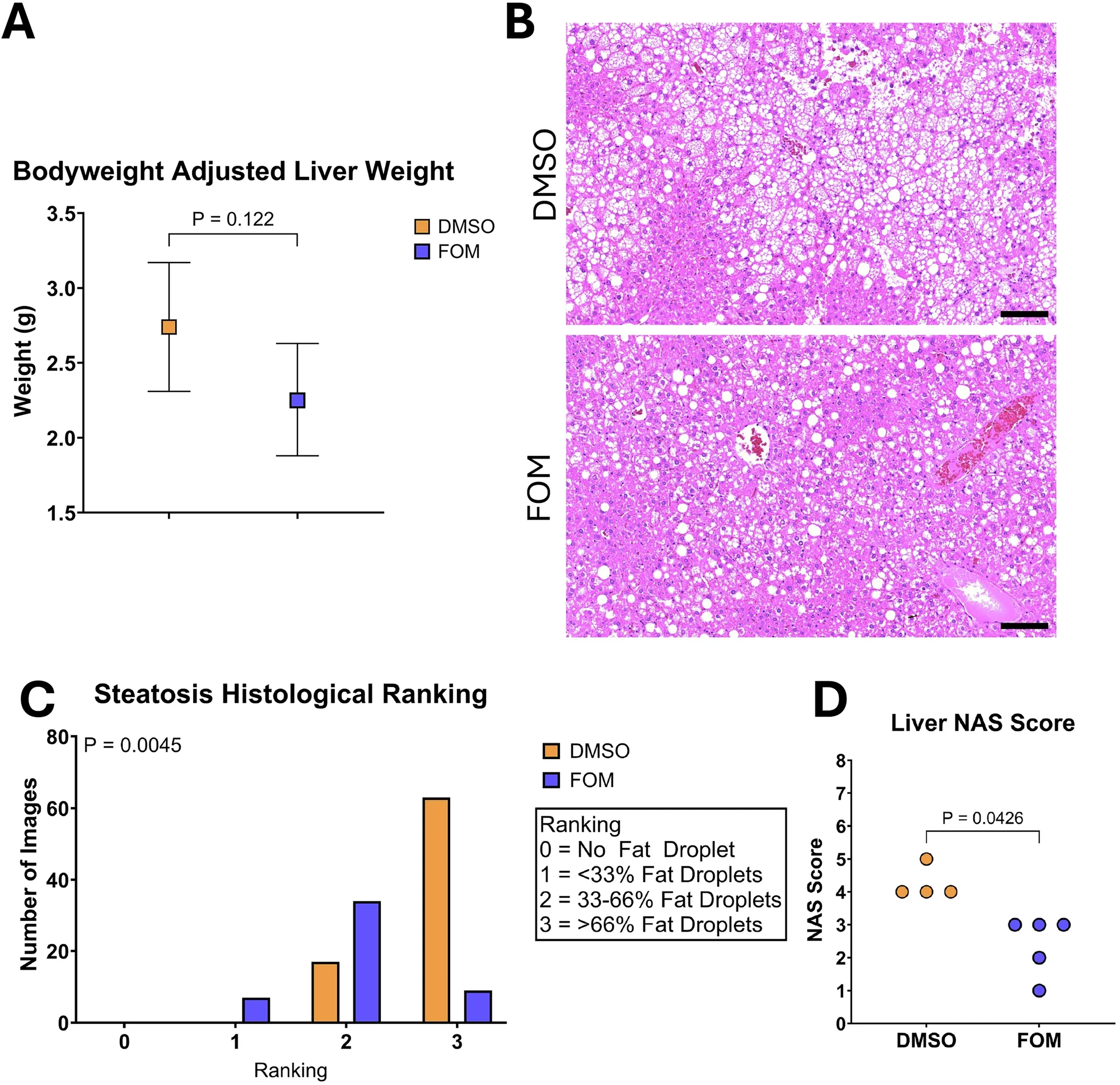
Untreated mice showed heavy fat buildup throughout liver tissue. In contrast, mice treated with formoterol had far less fat accumulation. Researchers confirmed the changes using the NAFLD Activity Score, or NAS, which measures fat buildup, inflammation and cell injury.
“This actually reversed the pathology on multiple different levels,” Lipschutz said.
The drug did not significantly change body weight or liver weight during the study period. However, the liver tissue itself appeared healthier and less damaged.
Researchers then investigated how formoterol might be working. Earlier kidney research suggested the drug could improve mitochondrial function.
Mitochondria are often described as the power plants inside cells because they generate energy. When mitochondria fail to function properly, cells struggle to process fat and maintain healthy metabolism.
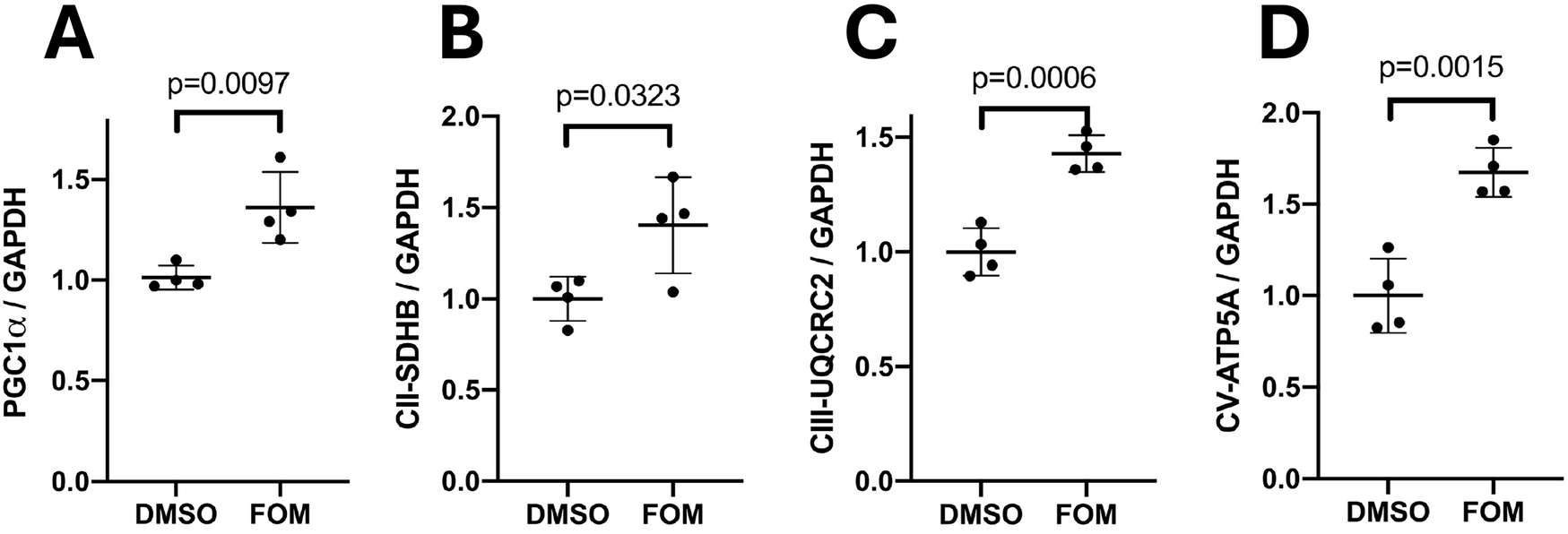
In treated mice, researchers found higher levels of PGC-1 alpha, a protein that controls mitochondrial biogenesis, the process of creating new mitochondria. They also observed increases in proteins from electron transport chain complexes that help cells produce energy.
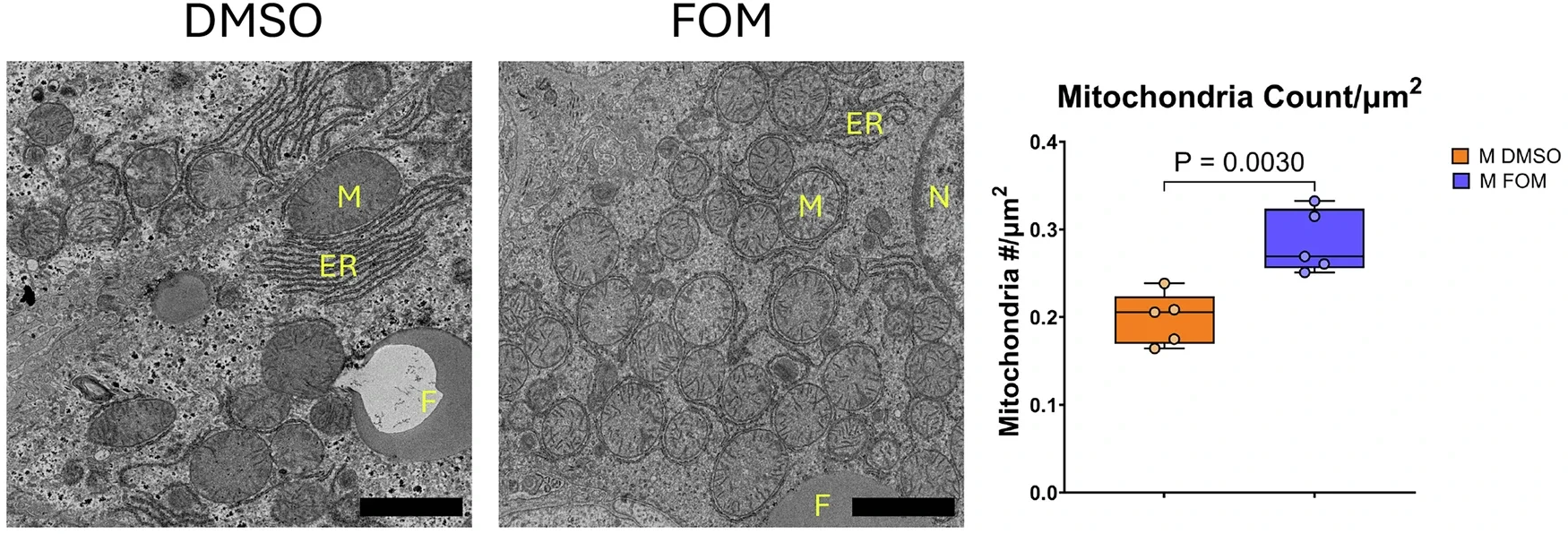
Using electron microscopy, the team counted mitochondria inside liver cells. Mice receiving formoterol had significantly more mitochondria than untreated animals.
“It looked like formoterol was rescuing the injury by increasing mitochondrial biogenesis,” Lipschutz explained. “It kind of revs up the mitochondria so they work better.”
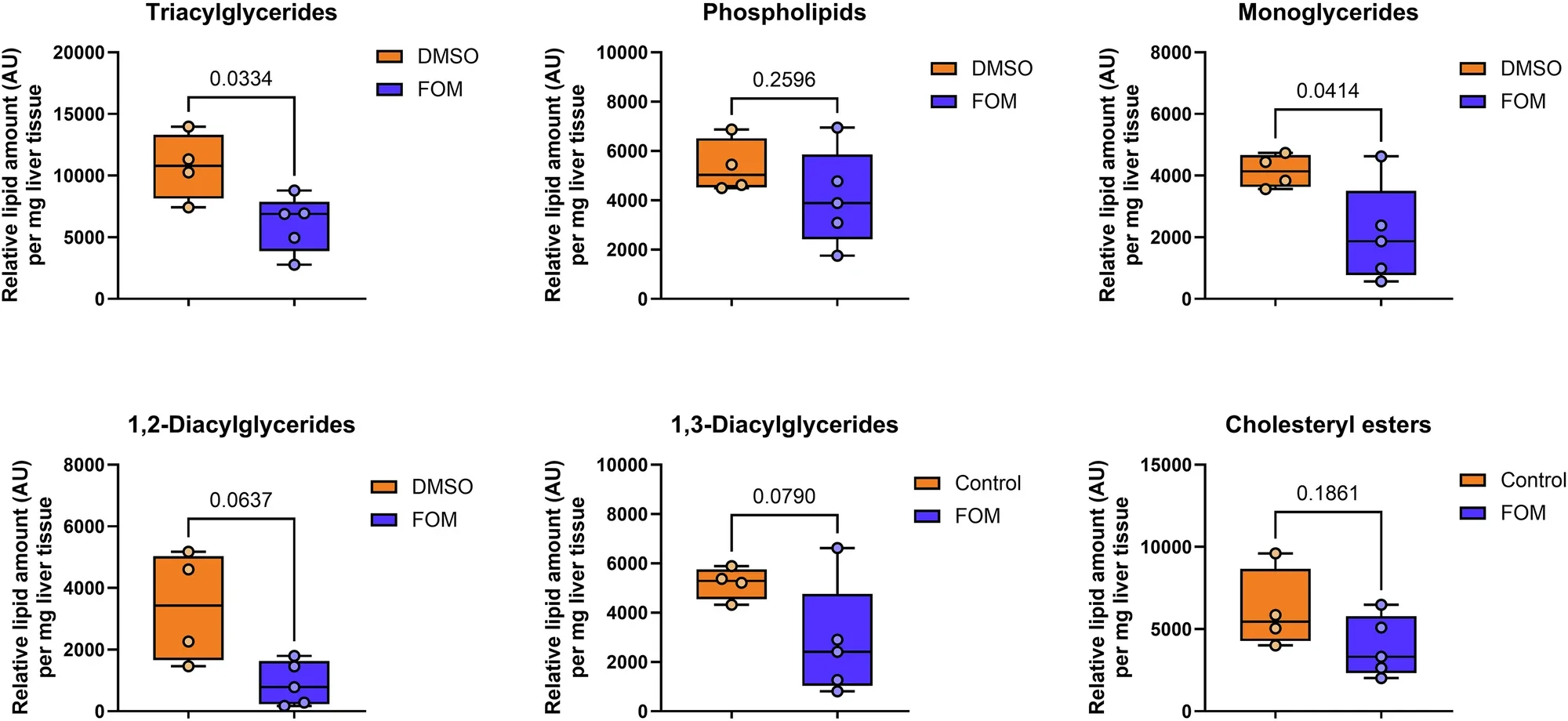
The team also measured fat molecules in liver tissue. Levels of triglycerides and monoglycerides dropped significantly in treated mice, suggesting the drug reduced harmful fat storage.
To understand the broader biological effects, researchers analyzed liver gene activity using RNA sequencing. They found that formoterol changed several important metabolic pathways.
Genes involved in energy production and oxidative phosphorylation became more active. At the same time, genes linked to inflammation, fat synthesis and tissue remodeling became less active.
The drug also reduced activity in genes associated with lipid uptake and fat droplet formation. These included genes such as Cd36, Gpam and Plin2, all of which contribute to liver fat accumulation.
Interestingly, while the mouse model did not develop major fibrosis, or scarring, researchers still observed suppression of genes tied to extracellular matrix production. This raises the possibility that longer treatment periods could eventually reduce liver scarring as well.
The researchers next tested formoterol in human liver cells known as HepaRG cells. They exposed these cells to palmitic and oleic acids, two fats commonly found in Western diets. The fatty acids caused large lipid droplets to build up inside the cells.
When formoterol was added, fat accumulation dropped sharply.
The team also measured oxygen consumption, which reflects cellular respiration and energy production. Cells treated with both fatty acids and formoterol showed the highest levels of ATP-linked respiration, meaning the mitochondria produced more usable energy.
The drug also increased expression of CPS1, a key mitochondrial enzyme often reduced in fatty liver disease. At the same time, formoterol lowered expression of inflammatory and tissue remodeling genes linked to liver injury.
Together, the results suggest the medication improves both metabolism and cellular resilience under fat-rich conditions.
To see whether these findings might matter in real patients, the researchers analyzed records from the TriNetX U.S. Collaborative Network, which contains de-identified health data from more than 120 million patients.
The team identified nearly 60,000 adults with MASH between 2016 and 2025. After matching patients based on demographics, medications and disease severity, they compared outcomes between those prescribed long-acting beta-2 agonists and those who were not.
Patients taking these drugs showed significantly lower rates of cirrhosis, ascites, variceal bleeding, spontaneous bacterial peritonitis and hepatorenal syndrome. They also had lower overall mortality rates.
Researchers caution that the data only show associations, not direct proof of cause and effect. Still, the findings strengthened confidence that the drug deserved further study.
One major advantage of formoterol is that doctors already understand its safety profile. The drug has treated asthma and chronic obstructive pulmonary disease for decades.
“If you can repurpose something that’s approved and already being used safely, that’s kind of our dream as physician-scientists,” Lipschutz said.
At the time the research began, no drugs had been approved for MASH. Two therapies, resmetirom and semaglutide, are now available, but they remain only moderately effective and can cause side effects.
Researchers believe repurposing an existing medication could shorten development timelines and lower costs for patients.
Still, important questions remain. Scientists need to determine the most effective dose for liver disease, whether inhaled delivery reaches the liver adequately and how durable the benefits remain over time.
“Not everything that works in mice works in humans,” Lipschutz noted.
This study could help reshape how doctors think about treating metabolic diseases. MASH and diabetic kidney disease often occur together because both stem from insulin resistance and metabolic dysfunction. A single therapy that targets both conditions could improve care for millions of patients.
The findings also highlight the growing importance of drug repurposing. Because formoterol already has an established safety history, successful clinical trials could speed access to new treatments much faster than developing an entirely new medication.
Researchers are currently enrolling patients in a clinical trial focused on diabetic kidney disease. Since more than 60% of those patients also have MASH, the study may provide valuable insight into the drug’s liver effects as well.
“If you could be treating them with a repurposed, relatively safe, inexpensive drug that could be a really good thing,” Lipschutz said.
Research findings are available online in the journal npj Metabolic Health and Disease.
The original story “Common asthma drug may reverse dangerous fatty liver disease” is published in The Brighter Side of News.
Like these kind of feel good stories? Get The Brighter Side of News’ newsletter.
The post Common asthma drug may reverse dangerous fatty liver disease appeared first on The Brighter Side of News.

