A flame goes out, and something in the room shifts with it.
Not because matter has vanished, but because a structure has ended. The candle’s wax remains, the heat disperses, and the air carries what used to be a steady glow. What disappears is the pattern that held it all together.
That same tension sits at the center of how physics approaches death.
Richard Feynman returned often to a simple statement in his lectures: everything is made of atoms. It sounds basic until you follow the consequences. Atoms obey strict physical laws. They do not vanish. Energy does not disappear. So when a person dies, the idea of complete erasure runs into a problem.
Something ends, but not in the way people tend to imagine.
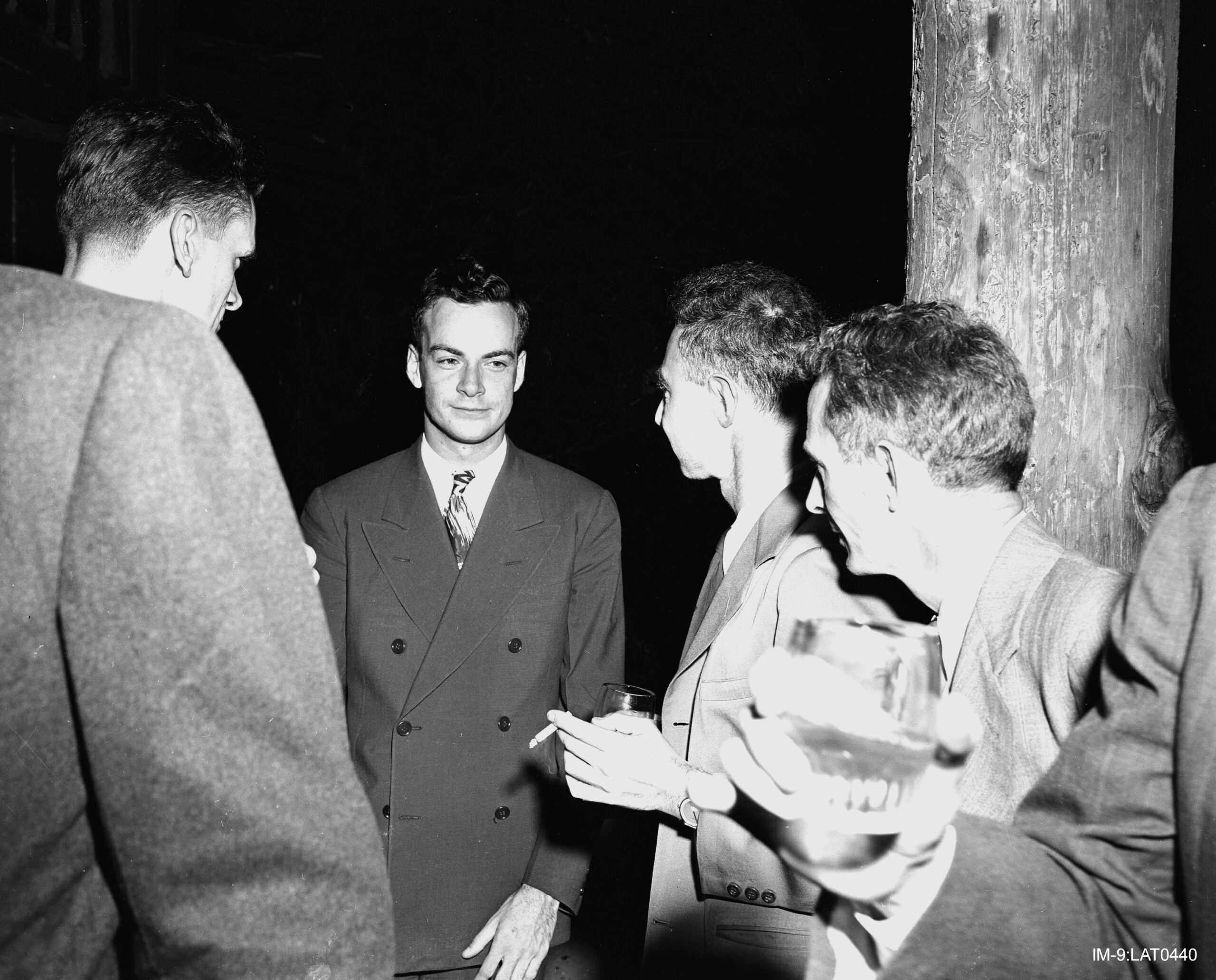
Feynman described a human being less like a solid object and more like a process. The atoms in your body are not permanent residents. They cycle in and out through food, air, and constant exchange with the environment.
The surprising part is that your sense of self persists anyway.
Memories, habits, and personality do not depend on specific atoms staying in place. They depend on how those atoms are arranged. Feynman referred to this as a “pattern or dance.” The dancers change, but the choreography holds for a time.
That framing shifts something subtle. It suggests that you are not a static collection of matter, but a stable arrangement that matter temporarily sustains.
It is closer to a whirlpool than a statue.
Physics draws a clear line between matter and organization.
The first law of thermodynamics says energy cannot be created or destroyed. Atomic theory makes a similar claim for matter under ordinary conditions. When a person dies, the atoms that made up their body do not vanish. They move into new forms, spreading into soil, air, water, and other living systems.
That part is straightforward.
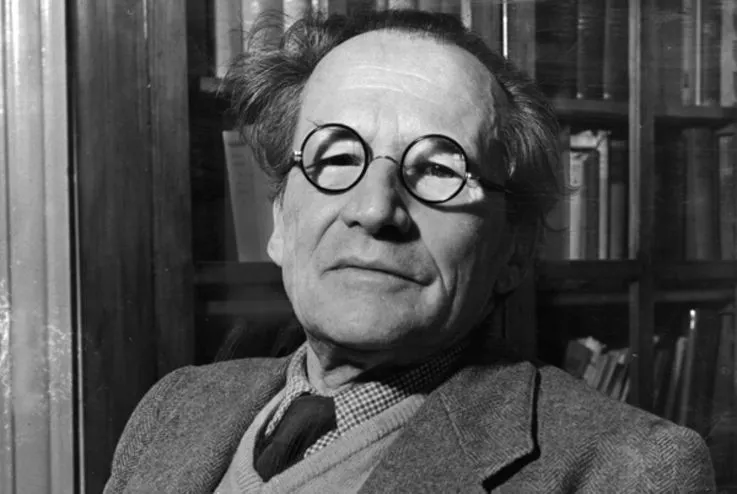
The harder piece comes from the second law of thermodynamics. Erwin Schrödinger described life as a system that maintains order by constantly pushing against entropy, the natural drift toward disorder.
Living systems hold themselves together through continuous energy flow. When that flow stops, the structure breaks down.
That breakdown is death.
Not the loss of atoms. The loss of arrangement.
The phrase “death is not the end” carries some truth, but it can also mislead.
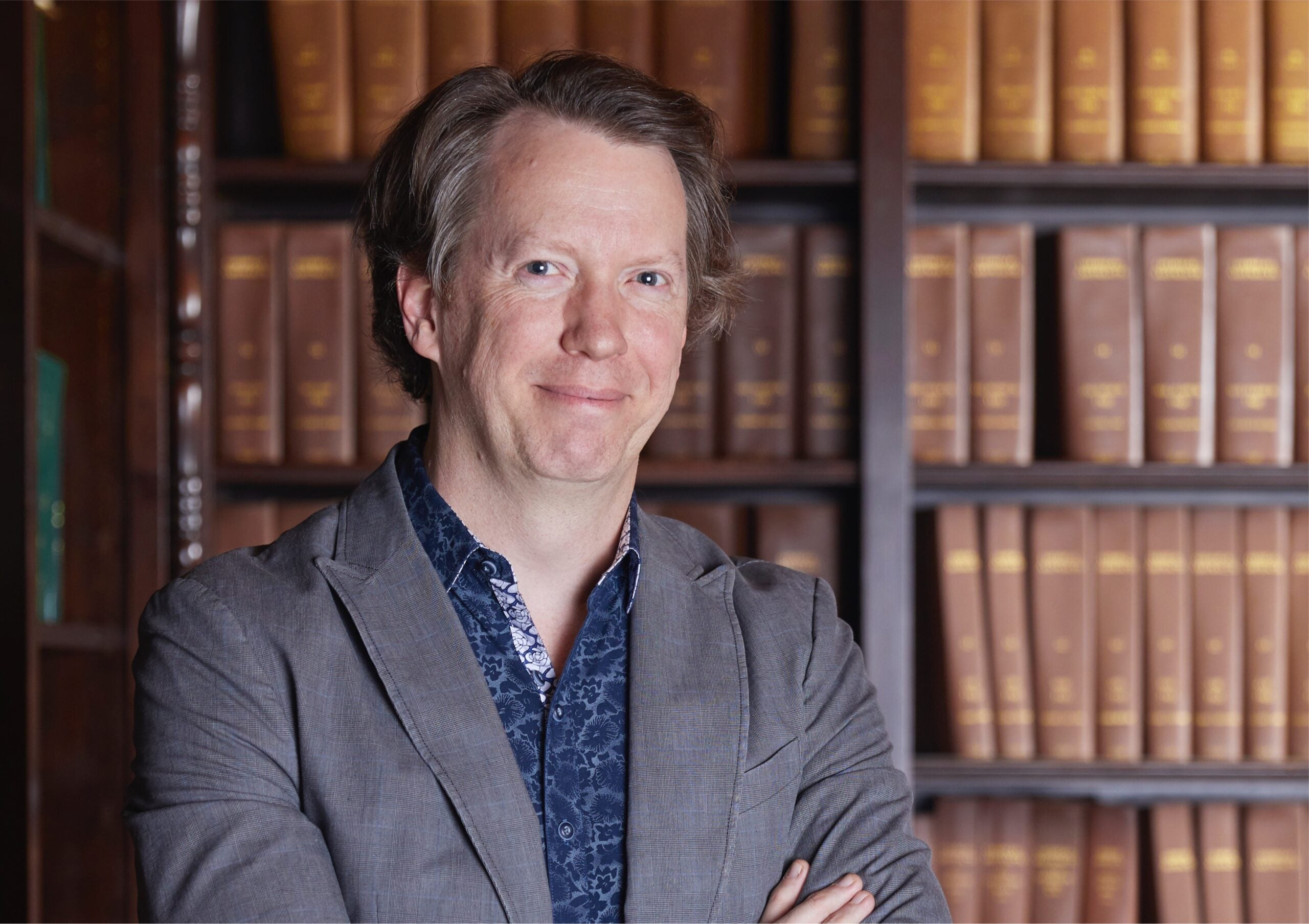
Sean Carroll has pointed out that thoughts and memories are encoded in the physical structure of the brain. When that structure degrades, there is no known mechanism for the information to persist independently.
The atoms remain. The organization does not.
That distinction matters. What you recognize as a person is not just a collection of particles. It is a highly specific configuration, holding information in a delicate balance. Once that arrangement collapses, the continuity of the mind ends with it.
Physics keeps the ingredients. It does not preserve the recipe.
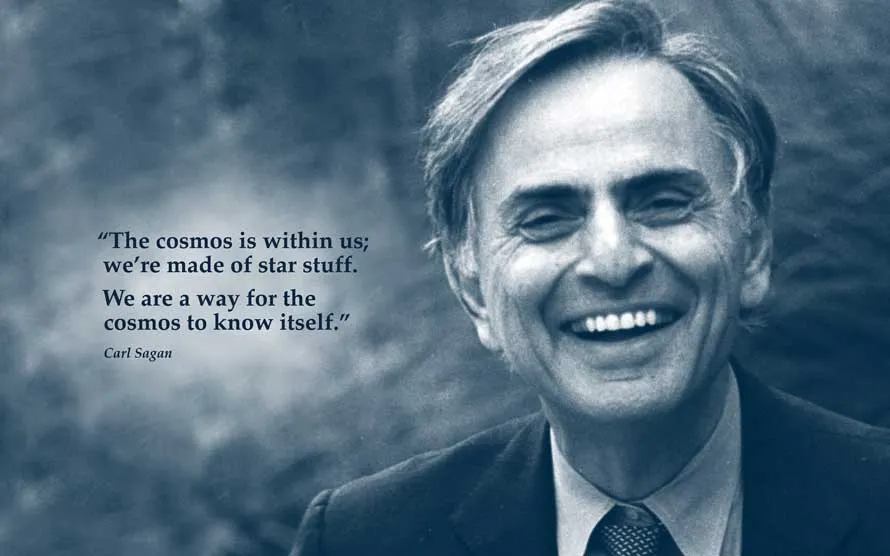
Carl Sagan made the idea widely known that humans are made of “starstuff.” The phrase carries real physical meaning. Many of the heavier elements in your body formed in stars long before Earth existed.
Those atoms have already lived other histories.
After death, they continue moving through new ones. A carbon atom that once sat in a neuron might later become part of a plant or another organism. The continuity is real, but it is not personal. The atom carries no memory of where it has been.
You are part of a much larger circulation, one that does not track individual identity.
If death is not annihilation, what is it?
Reorganization.
The pattern dissolves. The components disperse. New patterns form later from the same material. The universe does not delete anything, but it does not hold onto specific arrangements either.
That balance can feel uneasy. It removes the idea of total disappearance, but it also removes the idea of persistence as the same self.
Feynman once described human beings as “arrangements of atoms capable of awareness.” The phrase captures both sides of the equation. The material is ordinary. The arrangement is not.
For most of the universe’s history, atoms did not think. They moved, combined, and separated without awareness. Only under certain conditions did they organize into systems capable of consciousness.
That is the rare part.
The original story “Death is not the end: What physics says about dying” is published in The Brighter Side of News.
Like these kind of feel good stories? Get The Brighter Side of News’ newsletter.
The post Death is not the end: What physics says about dying appeared first on The Brighter Side of News.


Leave a comment
You must be logged in to post a comment.