Almost 13,000 years ago, North America underwent drastic changes at a rapid rate. Mammoths, mastodons, giant ground sloths, and many other large animals went extinct. Around the same time, the Clovis Culture, famous for its well-made fluted stone tools, also disappeared from North America.
During this time, the Earth experienced an abrupt return to nearly ice-age conditions, known as the Younger Dryas, due to a prolonged cold spell. There has been substantial debate among scientists over the years as to whether the extinction of large animals and the disappearance of the Clovis culture were linked or simply a coincidence.
A new study published in PLOS ONE adds to the growing body of research indicating that a comet-like object impacted Earth, triggering the massive changes seen in North America at this time. James Kennett, an Emeritus Professor of Earth Science at the University of California, Santa Barbara, along with an international team of geologists and archaeologists, conducted the study.
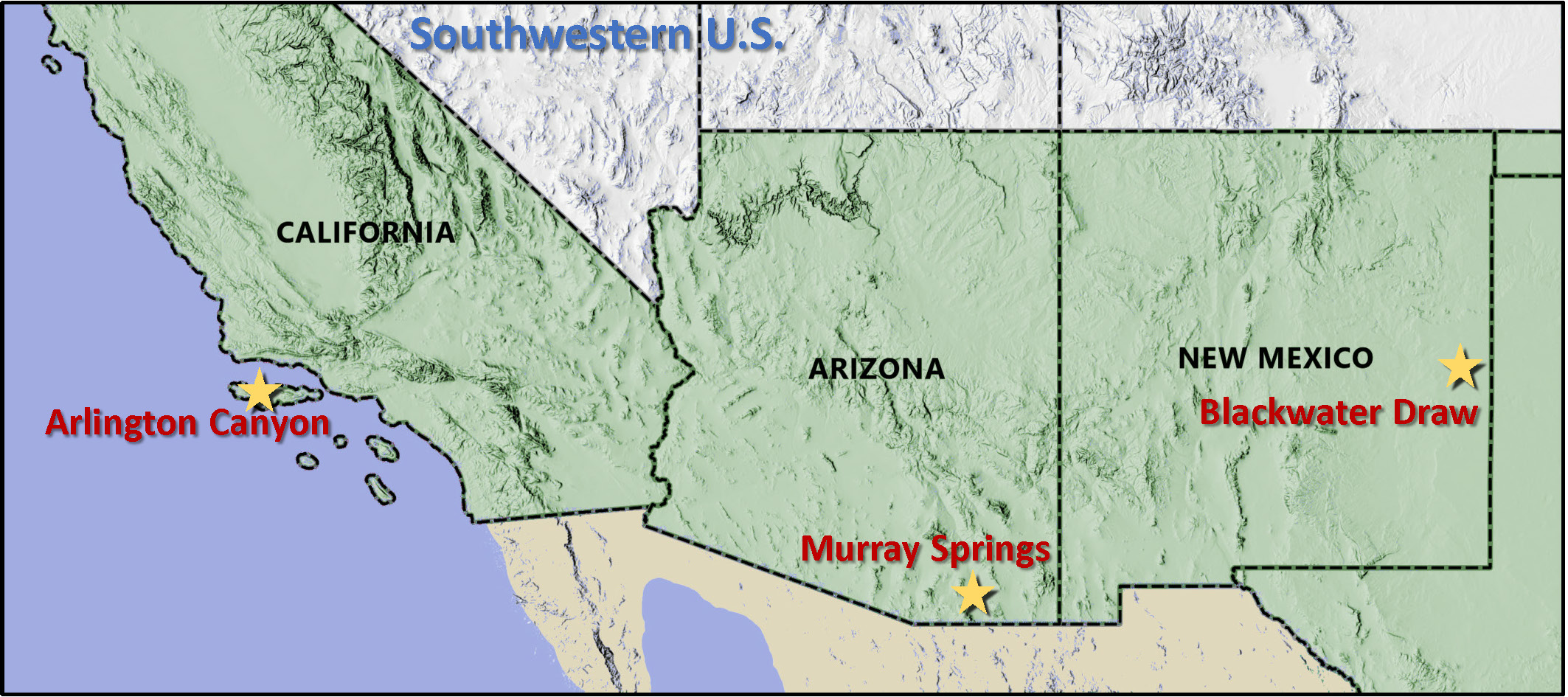
The study utilized microscopic evidence found within the grains of sand collected from several major archeological locations to create a theory that a fragmented comet exploded in Earth’s atmosphere at the start of the Younger Dryas, causing a chain reaction of changes.
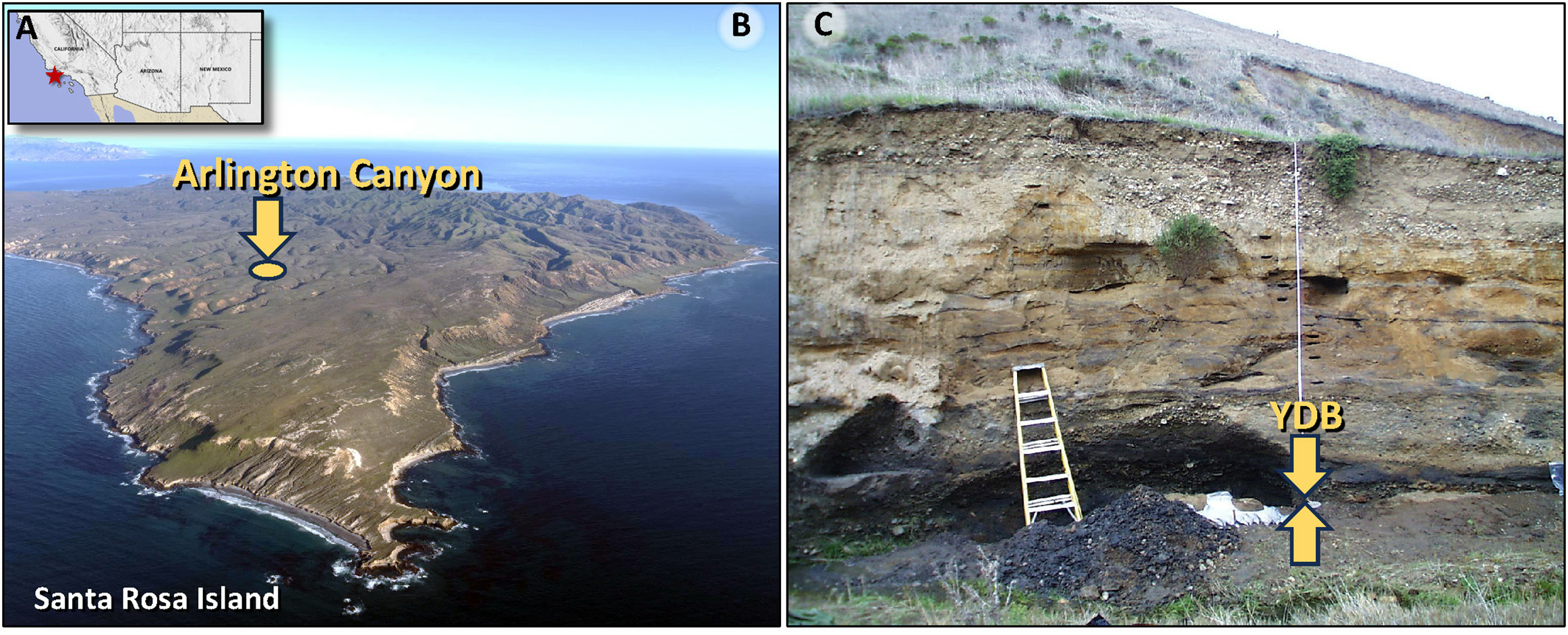
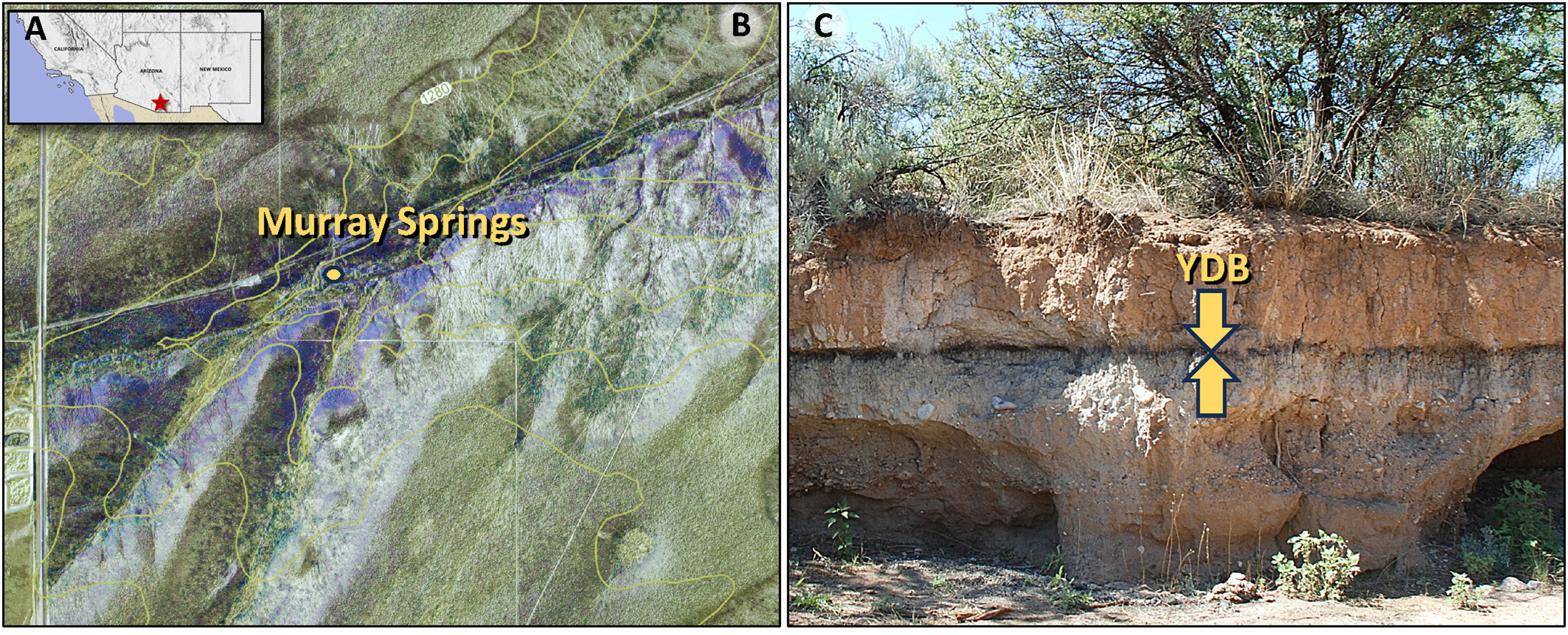
“I think of those three sites [Murray Springs, Blackwater Draw, and Arlington Canyon] as having been instrumental in both the initial discovery of, and the subsequent documentation of the Megafaunal Extinction in North America and the disappearance of the Clovis Culture,” Kenett said.
These three sites are significant because of their association with the Clovis culture and are well-known locations for understanding early human habitation in North America. The Murray Spring and Blackwater Draw sites in Arizona and New Mexico, respectively, are two of the most prominent sites for investigating and interpreting the Clovis period, while the Arlington Canyon site in the Channel Islands off California’s Santa Rosa Island is an unusual coastal site documenting the same time period as the Clovis culture.
There is a thin sedimentary layer in each site that is dated to approximately 12,800 years ago. This layer is often identified by researchers as the Younger Dryas Boundary and is typically described as the point at which there was a clear separation between archaeological/fossil records. Clovis tools and remains of extinct animals are found in abundance beneath the Younger Dryas Boundary, while such items are virtually non-existent above this boundary.
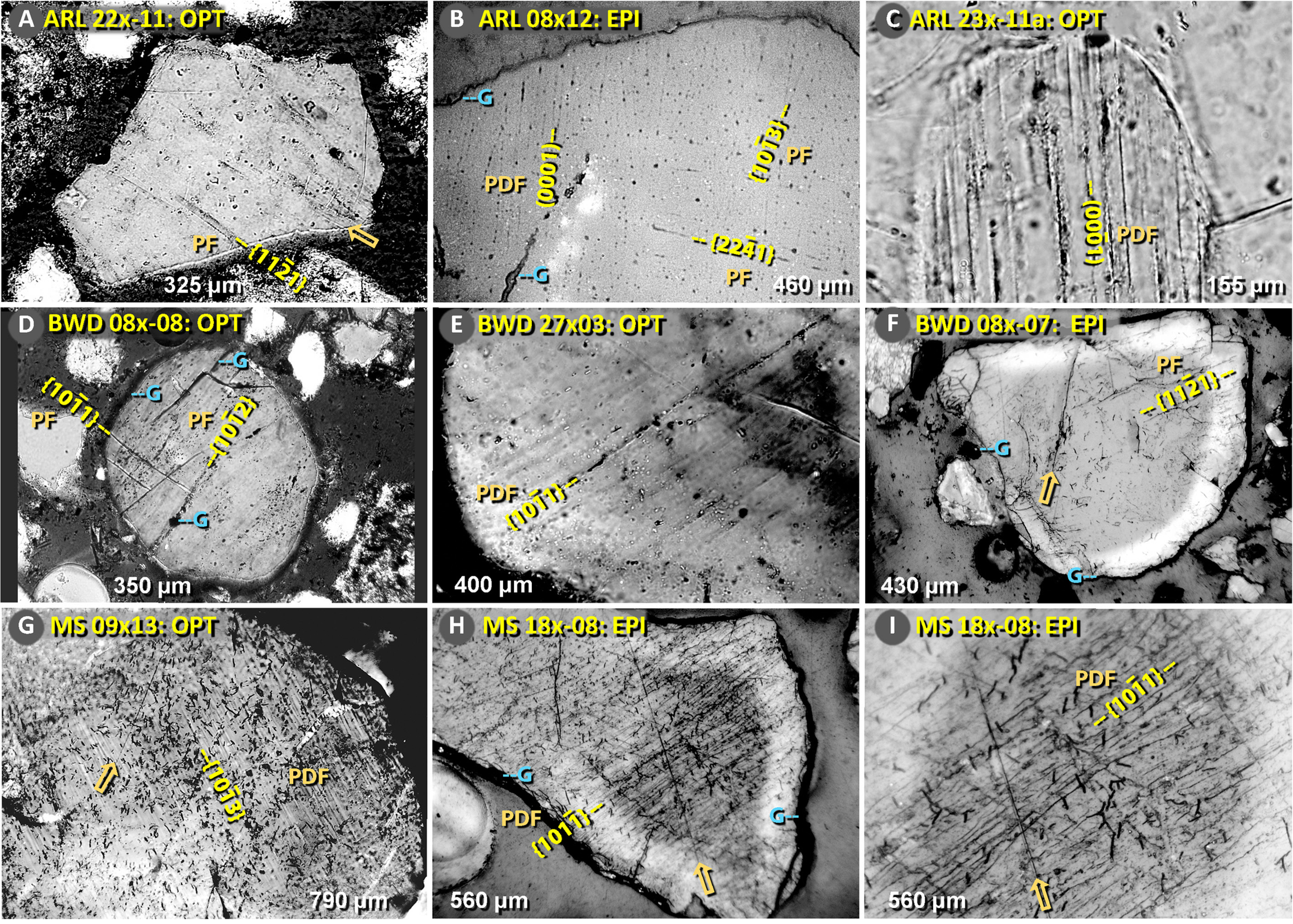
All three sites included in Kennett’s study showed evidence of shocked quartz. Shocked quartz is a mineral that has been damaged internally by extreme heat and pressure. No known natural processes (fire, tectonics or volcanic activity) produce such features.
The Younger Dryas was an abrupt interruption of the warming trend after the last glacial period. Temperatures in some areas of the Northern Hemisphere dropped drastically during the Younger Dryas and remained at low levels for a period of about 1,200 years. This period of cooling coincided with a loss of over 70% of the large mammal genera in North America and a decline in Clovis technology.
Numerous theories have been put forward to account for these biotic extinctions. While some researchers claim that the presence of humans hunting reduced the numbers of megafauna, others suggest that natural climate change caused by the melting of glacial ice sheets and the reorganization of ocean currents also played a role. Kennett and his co-workers believe there is a third possibility, referred to as the Younger Dryas Impact Hypothesis.
Under this hypothesis, the Earth passed through a large comet or a series of small comet fragments that exploded in the atmosphere rather than impacting the Earth directly.
“Everything went crazy,” Kennett stated. As a result of the comet explosions, tremendous heating and shockwaves would have produced widespread fires. Smoke, soot, and dust were so abundant that they blocked sunlight and caused an extremely rapid cooling of Earth’s surface. Melting water created additional stresses on the climate (climate systems) due to melting glaciers and ice sheets from changing climate conditions.
While numerous clues point toward an asteroid collision, the most important support for this theory is shocked quartz. Quartz is found everywhere on Earth, but it will only deform during extremely high pressures and temperatures and will do so in a limited number of ways. Shocked quartz contains unique fracture patterns and areas in which part of the quartz crystal has melted to glass.
Using scanning electron microscopy and cathodoluminescence imaging, many quartz grains were analysed in detail; the groups were able to locate a few unusual quartz grains that contain complete fracture fills of melted silica. Glassy areas created from melting can only be seen in the Younger Dryas Boundary layer of sedimentation, and not in any sediments either above or below.
Although the melted glass material is chemically identical to quartz and therefore contains the same elements of silicon and oxygen that comprise quartz, there is no longer an ordered arrangement of atoms and molecules that exists in the quartz crystals. As a consequence of these findings, scientists can reasonably conclude that the glasses’ melting occurred suddenly, followed by rapid cooling.
“One of the standard arguments against the Pluto/asteroid impact theory is the absence of a large impact crater, as is normally expected from asteroid impacts, including the one associated with the extinction of the dinosaurs. There have been no identifiable impact craters created by the Younger Dryas Boundary age asteroids (i.e., 12,800 years ago),’ Kennett shared with The Brighter Side of News.
“This study directly addresses this issue. We believe that if the impact had occurred as a result of low-altitude airbursts created by an asteroidal object striking at a high velocity, there would not have been a large crater created. These explosions happen when a substance from space hits the Earth and explodes before it reaches the surface of the planet,” he continued.
According to Kennett’s research, there are various degrees of “shocked quartz” (i.e., quartz that has been “shocked” by the explosion). Some pieces will have been subjected to a highly “shocked” environment when compared against other pieces of the same material, whereas there may also be pieces that show low “shocked” quartz characteristics. This type of distinction will most likely be evident.
A team of researchers tested their hypothesis by creating computer models of a comet fragment exploding at an altitude of several hundred meters above Earth’s surface. Their simulations demonstrated that a comet’s explosion at this height could generate the heat and pressure required to shock the quartz to the point of melting and create large, fragmented areas without producing deep craters.
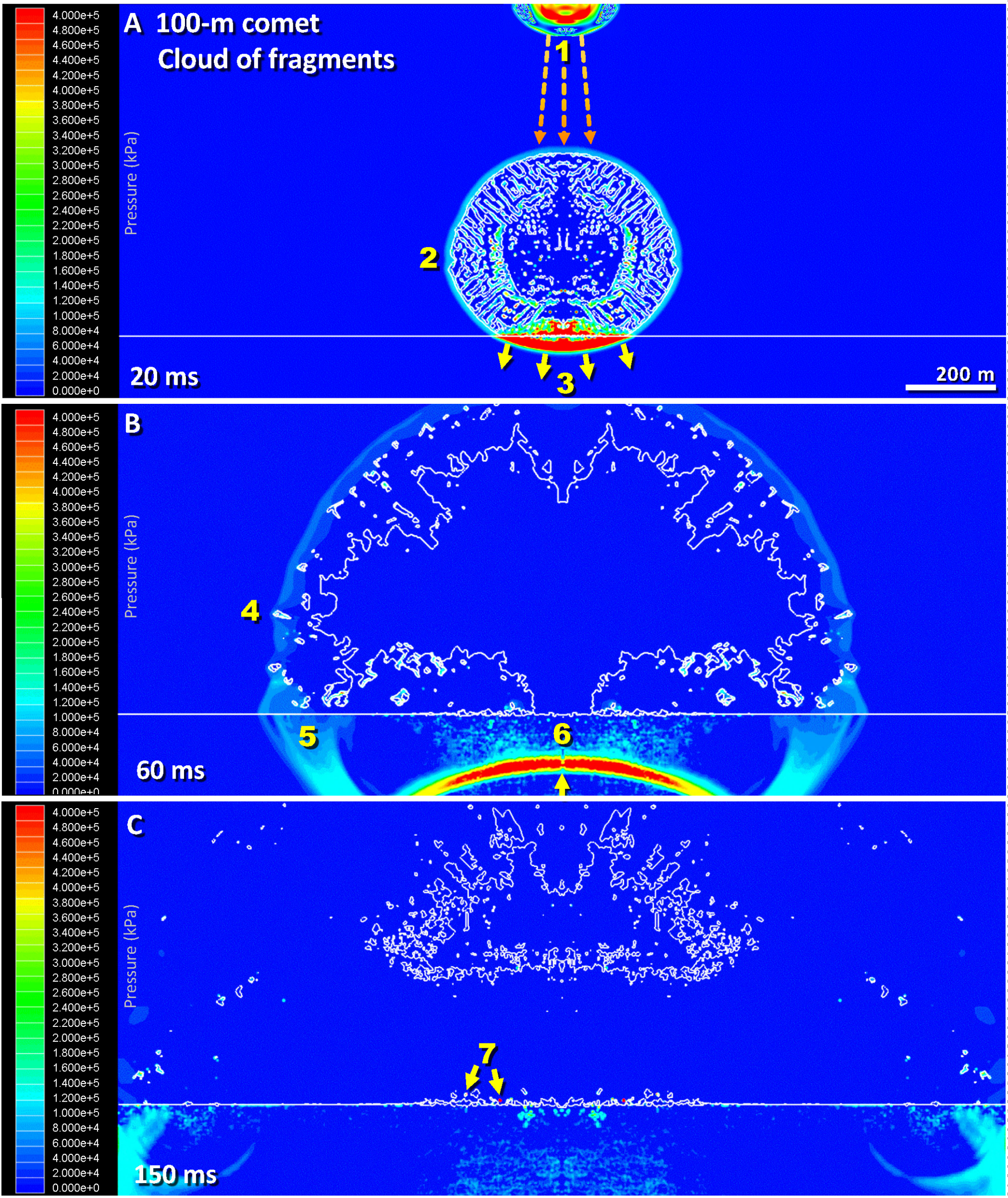
The researchers examined and considered alternative explanations of the results (including tectonic stress causing cracks in quartz). Many other processes can generate heat, but do not create the pressure pattern necessary to produce crystals within the cracks. It also seems unlikely that reworking older impact debris has occurred to produce the shocked quartz because there is no evidence of this occurring, except for the fact that shocked quartz grains are restricted to the narrow stratigraphic interval associated with the Younger Dryas Boundary.
The authors evaluated the microscopic structure of the shocked quartz against quartz derived from other meteor impact events, as well as against the structures of quartz formed through nuclear explosions, and all have revealed that their structures share many commonalities, providing further evidence of a sudden high-energy release event.
In conjunction with a variety of evidence that has been documented at the same Younger Dryas Boundary stratigraphic layer, including nanodiamonds, spherules of metal and elevated concentrations of rare earth elements (platinum), the shocked quartz represents strong evidence of a potential cosmic trigger.
At the site located at Murray Springs, there are mammoth bones with evidence of cut marks on the bones located directly below the Younger Dryas Boundary, as well as numerous preserved footprints located at the same location. The archaeological record at the site of Blackwater Draw indicates that the artifacts produced by the Clovis culture and bones of butchered animals found at this site end abruptly at the Younger Dryas Boundary.
The archaeological record from Arlington Canyon demonstrates that human remains and pygmy mammoths disappear from the record just before the Younger Dryas Boundary, and continue for several centuries with no archaeological record.
The radiocarbon dates from all three archaeological sites are very close in time to each other, confirming that these changes occurred nearly simultaneously, even though they are located many miles apart from one another.
Although the research does not indicate that a comet impact was the only reason for the extinction of the terrestrial megafauna, nor cultural changes among Clovis cultures living across a vast area of North America, the authors conclude that the presence of this impact likely served as an additional stressor to the already prevailing environmental stressors affecting these species at the time.
The study’s findings continue to improve our understanding of how quickly human and terrestrial ecosystems can be affected by short-term, intense environmental events, and how life can respond to these events. By providing evidence of the existence of extreme physical conditions created by the explosion of a comet in a narrow window of time in geological history, researchers are able to better understand the impacts of rapid environmental change on life.
The understanding of how fast environmental change occurs will assist in the development of future models that describe the response of life to environmental disruptions, including multiple stressors. The study also has practical implications for helping to increase the knowledge base regarding planetary defense against airbursts, which are a real threat today.
In the long run, this research will improve research models regarding resilience, risk, and adaptability against rare, severe natural events.
Research findings are available online in the journal PLOS ONE.
Like these kind of feel good stories? Get The Brighter Side of News’ newsletter.
The post Did an exploding comet end the age of the wooly mammoths? New evidence says yes appeared first on The Brighter Side of News.

