On a hot summer day, rooftops shimmer in the sunlight, blasting heat into houses and streets. But that might change thanks to a paint-like coating developed by the University of Sydney that can cool buildings while extracting clean water from the atmosphere.
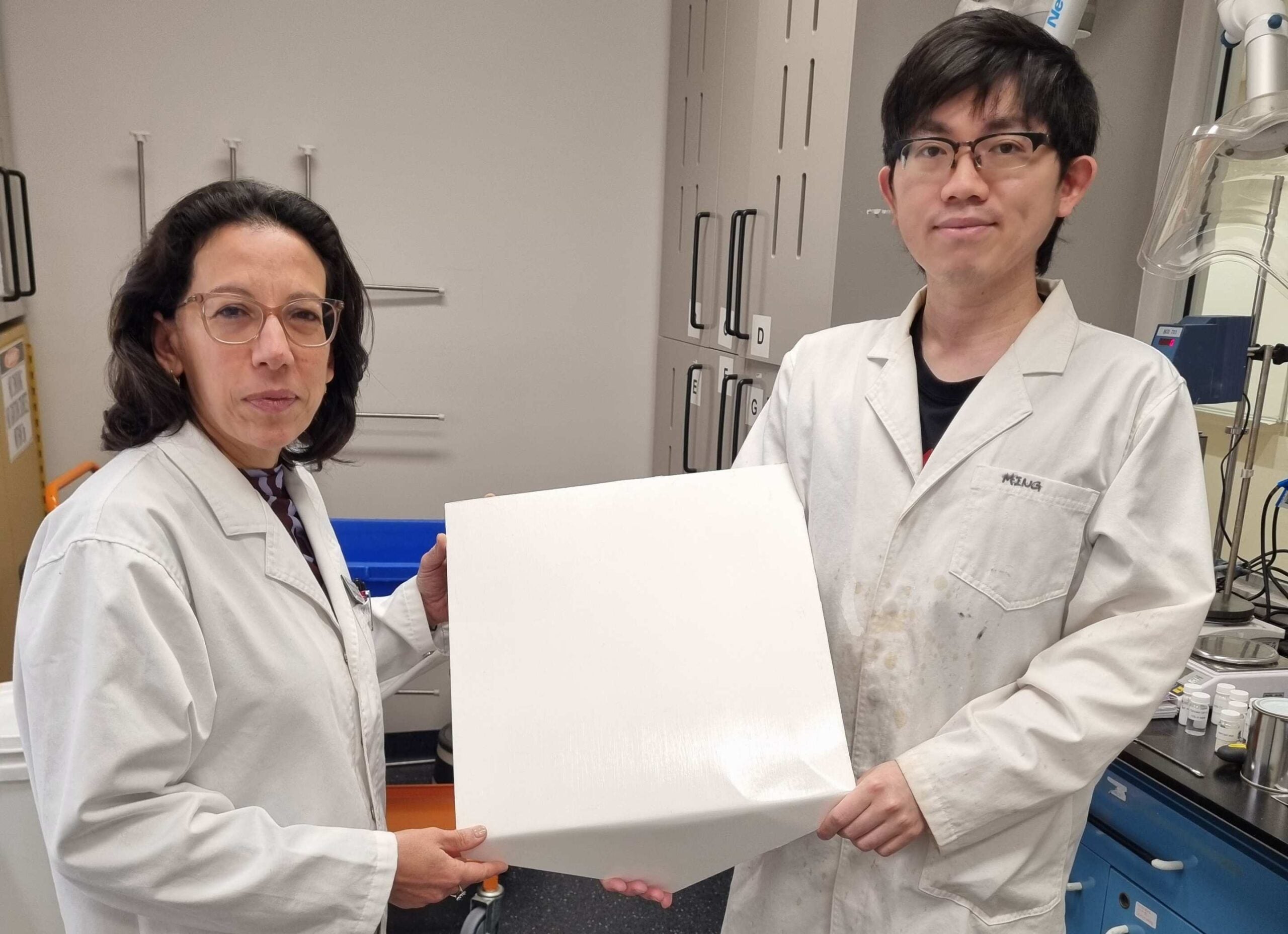
An interdisciplinary team of researchers led by Professor Chiara Neto has developed a nano-engineered polymer coating that reflects up to 97% of sunlight and emits heat to the atmosphere in partnership with the startup Dewpoint Innovations.
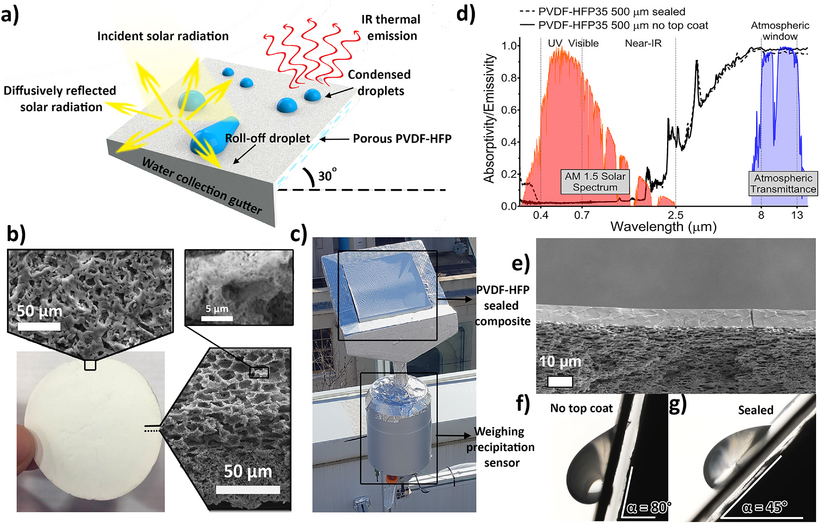
The coating can reduce a building’s surface temperature by up to six degrees Celsius under direct sunlight, relative to the air temperature, allowing water vapor to condense into droplets. This is analogous to fog condensing on the bathroom mirror after a hot shower. In the end, it’s a rooftop that both protects from the heat and produces fresh water directly from the air.
“This is not only a huge step in the science of cool roof coatings—it really provides a pathway to a sustainable, low-cost and decentralized approach to fresh water, which is incredibly important given the impacts of climate change and water scarcity,” said Neto from the University of Sydney Nano Institute and School of Chemistry.
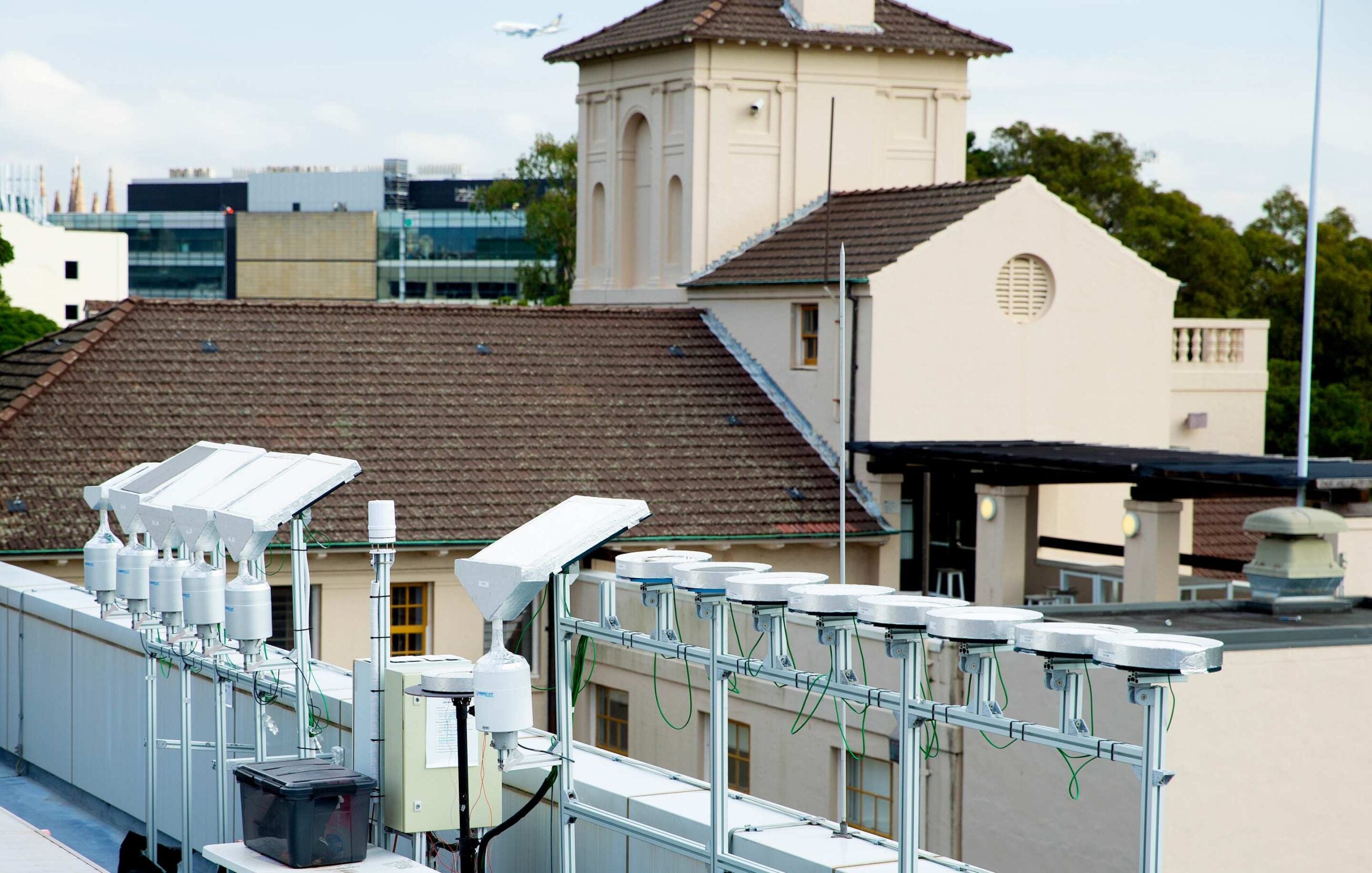
For those living in areas where rainfall is scarce and/or water is costly, being able to collect moisture from the atmosphere can be life-changing. Neto’s team tested the polymer coating for six months on the roof of the Sydney Nanoscience Hub, and the coating produced dew on more than thirty percent of the days.
Under ideal circumstances, one square meter of the coated area could harvest as much as 390 milliliters of water daily. This implies a 12-square-meter section of a roof, similar to the size of a small bedroom, could yield enough drinking water for one person each day.
Additionally, the coating does not use any electricity or moving parts. Instead, the internal porous framework cools and captures the humidity naturally. Larger surfaces, such as a warehouse roof or greenhouse covering, could create liters of fresh water daily. The uses of the paint go beyond rooftops and into agricultural uses, where it provides water to crops or cools livestock, as well as applications across industries where there is a need for clean water in hydrogen fuel production.
The unique property of the coating is determined by its structure, not a pigment. Traditional white paints utilize titanium dioxide to reflect ultraviolet light; however, those pigments degrade under the extreme sun and can be detrimental to the environment. Instead, Dewpoint Innovations creates a coating utilizing a very different material.
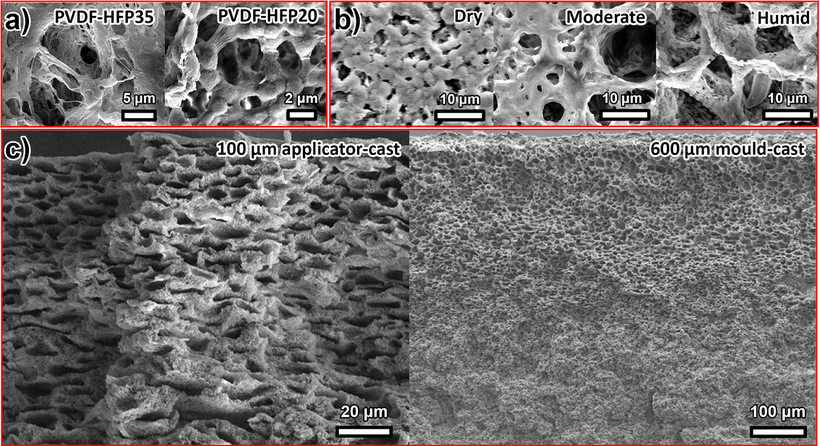
The coating uses polyvinylidene fluoride-co-hexafluoropropene, or PVDF-HFP. The structure of the coating, which is porous, allows for multiple scattering of sunlight in many directions and creates high reflectivity without needing UV-absorbing chemicals.
“Our work shows that high reflectivity can be obtained through an internal porous structure alone that provides durability, without the environmental drawbacks of pigments,” said Dr. Ming Chiu, the lead author of the study and Chief Technology Officer of Dewpoint Innovations. “Through eliminating UV-absorbing materials, our designs transcend the limiting factor in solar reflectivity while maintaining diffuse reflection to prevent glare. “This equilibrium between efficiency and visual comfort assists in integrating and appealing to real-world applications.”
In the outdoor trials, the team evaluated the cooling and water-collection performance of the coating minute by minute. Since the beginning of the trial more than 3 months ago, the coating has been exposed to bright sunlight and variable weather and has shown no signs of damage or loss of effectiveness. This durability is essential for materials to be successfully used outdoors at a larger scale in hot, dry environments where other materials can deteriorate rapidly.
In addition to its promise for individual homes, the coating could help address one of the more challenging aspects of living in modern cities, the heat island effect. Cities act as heat sinks, filled with dense concrete and asphalt, meaning they become unbearably hot, and not to mention the increased use of energy for air conditioning. Passive coatings that reflect sunlight and cool rooftops could lower indoor temperatures and lessen the need for energy-intensive cooling systems.
For communities facing severe water shortages, the paint could also act as an emergency backup source. Neto noted that dew collection isn’t limited to tropical regions. “Humid conditions are ideal, but you can get dew in arid and semi-arid climates when the humidity rises at night. It’s not about rain replacing dew but providing water where rain may only have previously limited use,” she said.
The team imagines rooftops across Australia, and eventually the world, that are covered in this paint that passively collects water without using any energy. More than two million homes in Australia already have rainwater collection systems, and Dewpoint’s dew-collecting paint could supplement the water supply in tanks throughout dry seasons.
“At Dewpoint, we are proud to be a partner with the University of Sydney to enable a breakthrough in passive atmospheric water harvesting with advanced paint-based coatings,” said Perzaan Mehta, CEO of Dewpoint Innovations. “It is a scalable, energy-free solution that converts rooftops and remote infrastructures into reliable sources of clean water, taking small steps to address an urgent challenge of our time.”
The coating itself is an extension of many years of research on passive cooling, condensation, and thermal dynamics. Scientists have long understood that air has a significant amount of water vapor in it. For instance, at 30 degrees Celsius and 70 percent relative humidity, air can contain roughly 20 milliliters of water vapor per cubic meter of air. The challenge is getting the right materials to remove water and not rely on expensive refrigerator systems or electricity.
Older designs used polyethylene sheets embedded with reflective pigments, known as OPUR sheets, which became the comparative standard in dew harvesting studies. However, those materials failed under UV exposure within six months, and it is simply easier to apply the other coating to existing buildings.
The University of Sydney’s coating solves those issues; PVDF-HFP is resistant to UV, weather-proof, and applied to most surfaces with the use of everyday rollers and sprayers. Dewpoint Innovations, which licensed the technology in 2022, is already in the process of developing a water-based formulation for commercial products.
“Just picture roofs that not only remain cool but are always making their own fresh water–that’s what this particular technology could achieve,” said Neto. “It could make a real difference for people who are living on the edge of water scarcity and heat, which are rapidly becoming daily realities.”
Research findings are available online in Advanced Functional Materials.
Like these kind of feel good stories? Get The Brighter Side of News’ newsletter.
The post Eco-friendly roof paint cools homes and extracts fresh water from the air appeared first on The Brighter Side of News.

