Halfway through life, the body starts changing in ways that are easy to miss at first.
Muscle mass begins to thin. Strength can slip gradually. Daily movement, once automatic, may take more planning than it did years earlier. A new study suggests that what women do during that stretch of life can shape what comes next in a very serious way: those who consistently met exercise guidelines in their 50s and 60s were about half as likely to die early as women who did not.
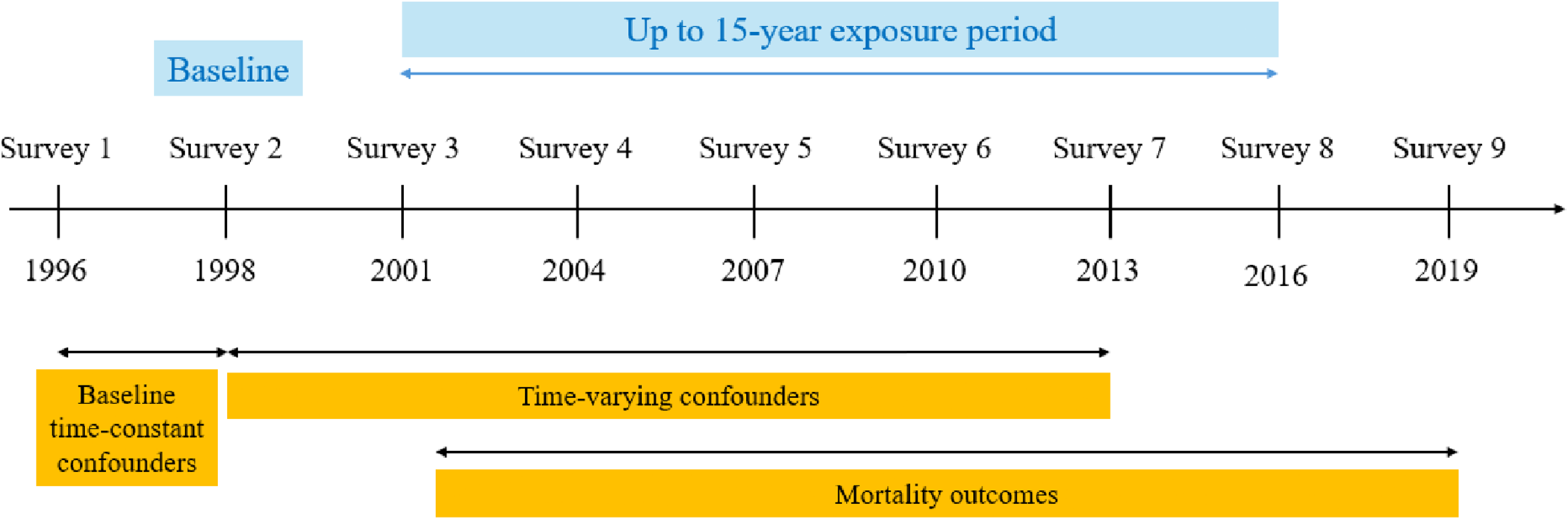
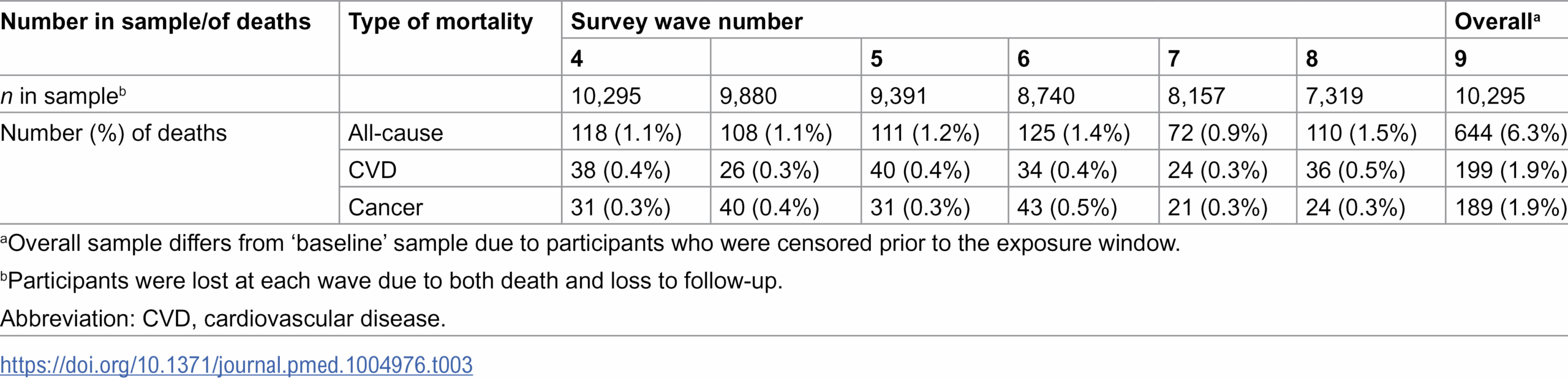
The research, published in PLOS Medicine, followed 11,169 Australian women born between 1946 and 1951. Over 15 years, researchers tracked whether they were meeting the World Health Organization’s recommendation of at least 150 minutes a week of moderate-to-vigorous physical activity. The strongest finding was not about a short burst of fitness or a temporary health kick. It was about consistency.
Women who kept meeting those activity targets across midlife had half the risk of death from any cause compared with women who consistently fell short. The study also found signs of protection against deaths from heart disease and cancer, though those results were less certain because there were fewer such cases.
Many earlier studies on exercise and health have relied on one-time measurements. That can flatten a person’s actual life into a single moment. People change jobs, retire, care for children, move, get sick, recover, and adjust their routines. This study tried to capture that messier reality.
Researchers from Sydney School of Public Health and the University of Queensland checked in with participants every three years rather than depending on one survey. They looked at walking, moderate leisure activity, and vigorous activity, then calculated whether each woman met the 150-minute weekly threshold.
The team used a method called target trial emulation, which is designed to make observational data behave more like a controlled experiment. In plain terms, it tries to answer a harder question than whether active women happen to live longer. It asks what might happen if women followed different long-term exercise patterns over time.
That matters because exercise and health influence each other. Body weight, for instance, can affect physical activity, but activity can also change body weight later on. Traditional statistical approaches can struggle with that kind of back-and-forth relationship. This study tried to account for it.
Researchers also adjusted for a long list of factors that could shape both exercise habits and health outcomes, including smoking, fruit and vegetable intake, alcohol use, stress, depression, marital status, education, body mass index, and prior diagnoses such as cancer, stroke, arthritis, anxiety, and depression.
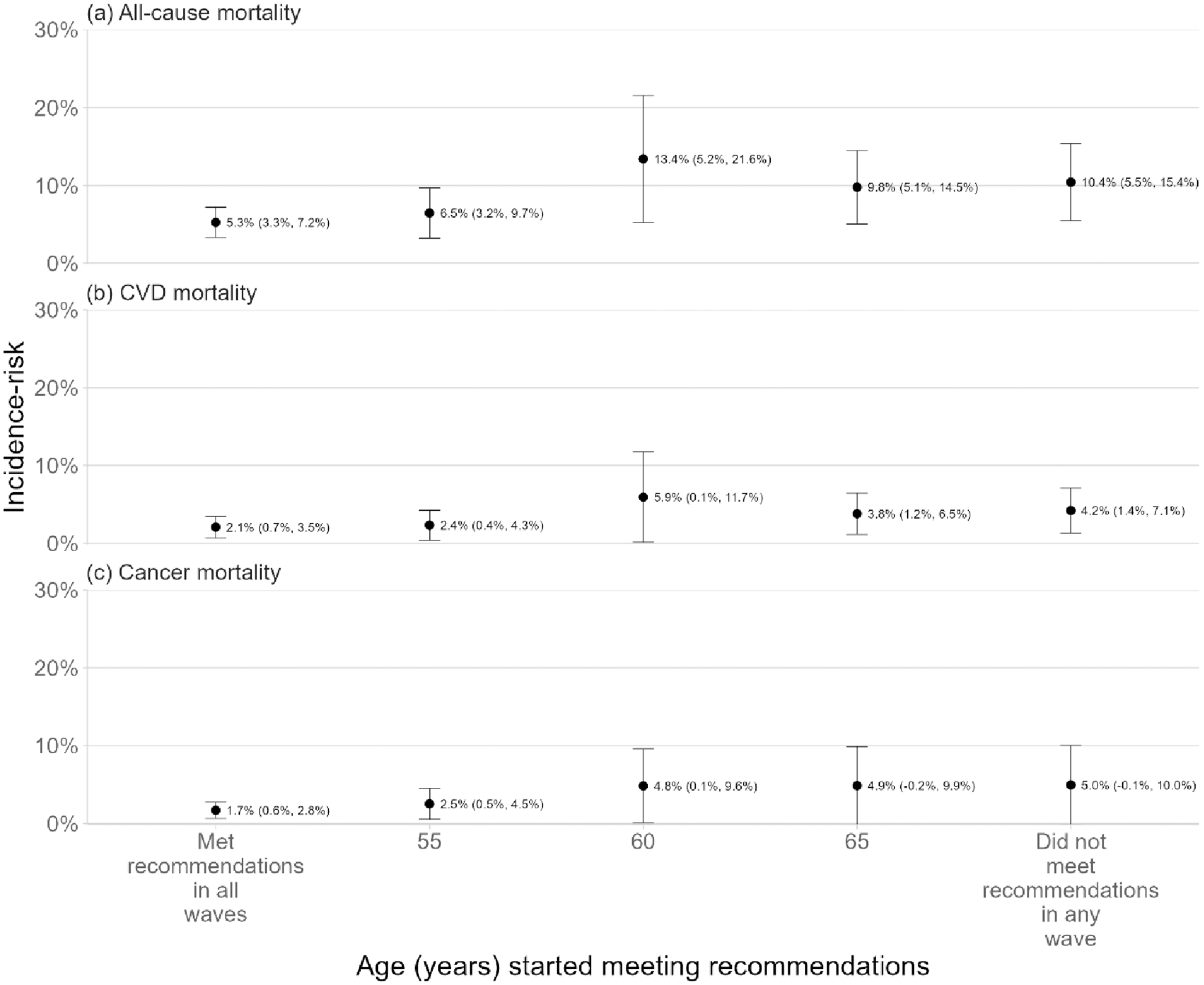
During the years when deaths were measured, 5.8% of the women in the baseline sample died from any cause. Among women who consistently met exercise recommendations, the estimated risk of death from any cause was 5.3%. Among those who consistently did not, it was 10.4%.
That gap is the headline finding.
The study also asked a more forgiving question: what if a woman did not meet exercise guidelines at first, but started at 55, 60, or 65?
Here, the answers were much less clear.
Starting by age 55 appeared to point in a helpful direction, but the evidence was not strong enough to draw a firm conclusion. Starting at 60 or 65 did not show a clear mortality benefit by the end of the study period. That does not mean later-life exercise is pointless. It means this study could not say with confidence that beginning at those ages lowered the risk of dying before roughly age 70.
The authors offered a few possible reasons. There may not have been enough cases to detect a clear effect. Benefits might take longer to appear than the follow-up allowed. Or the timing may matter more than many people would like to hear.
One sentence from the paper captures the practical message: maintaining recommended activity through midlife seems to matter most.
This was a large and carefully designed study, but it was not perfect.
The women reported their own exercise habits, which opens the door to error. People can forget, round up, or describe their routines more generously than a fitness tracker would. The study also focused only on moderate-to-vigorous aerobic activity. It did not include data on strength training, even though the WHO recommends muscle-strengthening activity on two or more days a week.
That missing piece is important, especially for women in midlife.
Jennifer Timmons, MD, a longevity physician and founder and medical director of Timmons Wellness, was not involved in the research, but she said maintaining muscle mass and staying active are among the most important things women can do for long-term health.
“Having enough muscle mass allows you to continue doing the activities you love, such as walking, running, bending, and playing on the ground with your grandkids,” Timmons said.
She added that muscle mass supports bone and joint health and may even lower dementia risk. The source material notes that women can lose about 3% to 5% of muscle mass each decade starting around age 30.
“It is essential to take steps to maintain muscle mass,” Timmons said.
The number itself, 150 minutes a week, can sound heavy when dropped into a packed life.
Jamie Bovay, DPT, founder of KinetikChain Denver and author of Adding Insight to Injury, said the target does not need to be reached in one sweep. He pointed to the same activity standard used in the study and noted that people can also aim for 75 minutes of vigorous activity per week.
“Perfection isn’t realistic, so find a workout you can do consistently 80% of the time and be ok when things aren’t perfect,” Bovay said. “Stay consistent for long-term results.”
Bovay suggested smaller “exercise snacks” during the day, even as little as 10 minutes to start. That might mean walking instead of taking a short car ride, or using stairs instead of an elevator. He also recommended thinking in terms of function rather than performance: getting off the floor easily, carrying groceries, balancing on one leg.
That advice fits the study well. Its clearest lesson was not that women need extreme workouts or athletic goals. It was that regular movement, kept up over years, appears tied to a much better shot at reaching older age.
For women in midlife, this study strengthens a message that can sometimes get buried under trendier health advice. Regular physical activity is not just about weight, appearance, or short-term fitness. In this research, keeping up recommended exercise levels through the 50s and 60s was linked to a much lower risk of early death.
The study also points to a more grounded public health message. Waiting for the perfect routine may matter less than building a habit that lasts. Walking, swimming, tennis, and other moderate or vigorous activities all counted here.
Strength training was not measured, but the source material makes clear that preserving muscle mass also matters as women age. The practical takeaway is simple: steady movement in midlife looks less like a bonus and more like part of basic long-term health care.
Research findings are available online in the journal PLOS Medicine.
The original story “Midlife exercise linked to a 50% longer life for women” is published in The Brighter Side of News.
Like these kind of feel good stories? Get The Brighter Side of News’ newsletter.
The post Midlife exercise linked to a 50% longer life for women appeared first on The Brighter Side of News.


Leave a comment
You must be logged in to post a comment.