In Top Gun: Maverick, fighter pilots remind each other of a simple rule when the going gets tough: don’t think, just fly. Overthinking can lower your ability to concentrate right at that critical moment and elite athletes are no exception.
A gymnast might be doing a flip. A quarterback scanning the defense or a football player preparing to take a penalty kick must all react quickly and with little thought. If they have locked up mentally, everything they trained for over the years may all of a sudden seem unreliable. This concept is becoming more obvious as time goes on.
An example of this was seen during the Tokyo Olympics when U.S. gymnast Simone Biles withdrew from five of the six event finals because she developed the “twisties,” a mental block that prevented her from being aware of where she was in space during aerial maneuvers. The potential for serious injury exists any time a gymnast makes a mistake on the balance beam or uneven bars. The announcement by Simone Biles shocked fans and caused a debate concerning mental health in sport.
Figure skater Alysa Liu went through a different psychological process. Liu left competitive skating earlier in her career after feeling tremendous pressure from the sport of figure skating, only to return to capture gold at the 2026 Winter Olympics in Milan. This break forced Liu to reconsider her connection to the sport, and when she returned, she took a different approach to training and competition.

Liu now emphasizes being in the moment rather than being able to achieve perfection. When Alysa Liu won gold in Milan, it was one of the most talked-about highlights of the Games.
Athletes in elite sports have always been rewarded for appearing to have total confidence in themselves. Many athletes feel that acknowledging doubt is a way of admitting weakness in front of their competitors and fans. Competitors may feel pressured to hide their struggles and not openly address them.
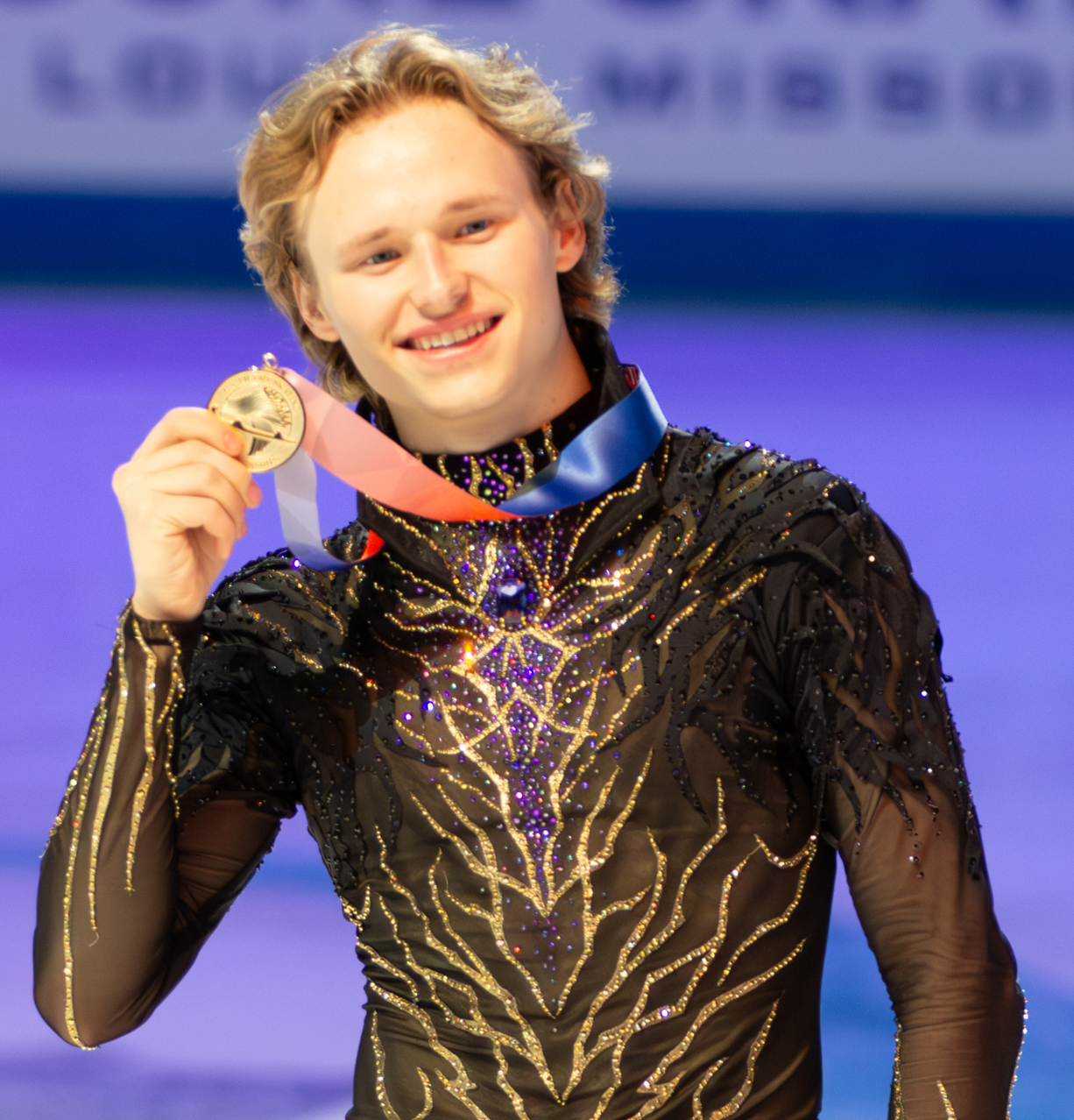
Figure skater Ilia Malinin has commented on his mental struggles with competing at such a high level. Malinin has been known for pushing the limits of technical skating, and he has said that in order to succeed, you need to learn how to reset yourself after making a mistake. Otherwise, you can get stuck in frustration during your program.
If an athlete makes one mistake, they may start second-guessing themselves. That can lead to making even more mistakes.
Malinin emphasized the importance of focusing on the next moves and not dwelling on the last mistake. He continues to perform at a very high level, even if the jump or landing is not successful, because he can remain mentally present.
In general, this mindset about mental preparation is becoming a more accepted way to view sport competition.
João Mauricio Castaldelli-Maia (consistently referred to as Castaldelli for the rest of this article) is a psychiatrist and part of the Mental Health Group at the University of São Paulo. He points out that the stigma associated with mental health discourages many athletes from seeking help for their mental health problems. Evidence supports the fact that many athletes experience both anxiety and depression at about the same rate as anyone else.
In addition, research indicates that female athletes tend to experience eating disorders at higher rates than male athletes.
Slowly but surely, attitudes are starting to change. The International Olympic Committee and the USOPC (U.S. Olympic and Paralympic Committee) have both placed a strong emphasis on the necessity for mental health support in athletes. Just because an athlete is in peak physical condition does not mean they will be able to perform at an optimal level under extreme pressure.
One approach that is becoming widely accepted and utilized to aid athletes with developing and maintaining a positive mental outlook is called mindfulness. Mindfulness encourages the athlete to focus on what is happening now without judging their thoughts, feelings, or actions. Although the technique may appear easy, sustaining this type of awareness while competing can be challenging for most athletes.
Often, athletes start their preparation with simple breathing exercises and body awareness. With practice, this same level of awareness is applied to the whole body in motion, whether walking, stretching, or performing drills related to their sport.
By using mindfulness in this way, athletes can remain grounded in what they are currently doing instead of replaying past mistakes or worrying about what may come next.

Once an athlete has mastered this form of mindfulness, they will typically enter what is known as a flow state.
Within the flow state, an athlete’s movements become automatic. Their response time improves, and the internal dialogue they engage in begins to fade away.
Many teams utilize mindfulness training and have found that players experience a reduction in anxiety while playing. They also show an increased ability to bounce back from mistakes. They do not contemplate the missed shot or turnover but instead refocus immediately on the next play.
Mindfulness training is an essential component of attention for competitive athletes.
“Attention is the fuel for our ability to perform not only cognitively demanding tasks but to regulate our emotions and create connections,” says neuroscientist Amishi Jha, who researches the impact of intense focus on performance.
The development of attention helps athletes sustain focus through stressful competitions.
An additional mental tool used to help athletes address a unique form of mental challenge involves managing their inner voice, or self-talk.
Acceptance and Commitment Therapy (ACT) helps athletes acknowledge their negative inner voices without becoming overwhelmed by them. Instead of trying to erase negative thoughts like “I am having a really bad day,” athletes now see those thoughts as passing thoughts. By changing the way they view their thoughts and feelings about themselves, they are able to concentrate on their performance.
Endurance events, in particular, are notorious for athletes encountering fatigue, negative feelings, doubts, and frustration throughout the course of the event.
Athletes who incorporate this approach into their training focus on how they physically feel while performing. They focus on their breath, their stride, and their technique.
By focusing on those physical details, the athlete can continue competing even when their confidence has decreased. Many competitors say that this new approach has changed the way they react to setbacks in training or competition.
Athletes now see emotions as just that: emotions. When they feel frustration or doubt creeping into their thoughts, they identify that emotion and acknowledge it instead of spiraling further into frustration.
Practicing mental training is similar to physical conditioning. It requires practice in order to strengthen the mind just as it requires practice to strengthen the body.
By practicing exercises that develop greater attention and emotional awareness, an athlete can develop a greater degree of discipline over time.
“You cannot meditate for 10 minutes on one occasion and then claim to be present and mindful.” According to mindfulness researcher Tommy Minkler at West Virginia University, “You must put in ongoing discipline and effort; you cannot stop at just 10 minutes.”
There is much information available on how athletes develop a system of refocusing their minds prior to competing. Some use their breath. Others rub their thumbs and index fingers together to refocus their minds.
The benefits of practicing mindfulness extend beyond the field or rink. Many athletes also gain advantages in school and improve communication with teammates, family, and friends.
Researchers have indicated that although mindfulness techniques can be useful, they will not work for some individuals. Breathing exercises may trigger difficult memories or feelings. In such cases, a trained mental health professional should be consulted to assist the participant.
Although some psychological techniques continue to evolve, interest in mental training is increasing. There is a growing understanding throughout the world of sport that, despite their unique physical abilities, elite athletes experience many of the same mental challenges that people face in everyday life.
Research findings are available online in the journal Cell.
The original story “Mindfulness can give elite athletes a much needed mental edge” is published in The Brighter Side of News.
Like these kind of feel good stories? Get The Brighter Side of News’ newsletter.
The post Mindfulness can give elite athletes a much needed mental edge appeared first on The Brighter Side of News.

In Top Gun: Maverick, fighter pilots remind each other of a simple rule when the going gets tough: don’t think, just fly. Overthinking can lower your ability to concentrate right at that critical moment and elite athletes are no exception.
A gymnast might be doing a flip. A quarterback scanning the defense or a football player preparing to take a penalty kick must all react quickly and with little thought. If they have locked up mentally, everything they trained for over the years may all of a sudden seem unreliable. This concept is becoming more obvious as time goes on.
An example of this was seen during the Tokyo Olympics when U.S. gymnast Simone Biles withdrew from five of the six event finals because she developed the “twisties,” a mental block that prevented her from being aware of where she was in space during aerial maneuvers. The potential for serious injury exists any time a gymnast makes a mistake on the balance beam or uneven bars. The announcement by Simone Biles shocked fans and caused a debate concerning mental health in sport.
Figure skater Alysa Liu went through a different psychological process. Liu left competitive skating earlier in her career after feeling tremendous pressure from the sport of figure skating, only to return to capture gold at the 2026 Winter Olympics in Milan. This break forced Liu to reconsider her connection to the sport, and when she returned, she took a different approach to training and competition.
Liu now emphasizes being in the moment rather than being able to achieve perfection. When Alysa Liu won gold in Milan, it was one of the most talked-about highlights of the Games.
Athletes in elite sports have always been rewarded for appearing to have total confidence in themselves. Many athletes feel that acknowledging doubt is a way of admitting weakness in front of their competitors and fans. Competitors may feel pressured to hide their struggles and not openly address them.
Figure skater Ilia Malinin has commented on his mental struggles with competing at such a high level. Malinin has been known for pushing the limits of technical skating, and he has said that in order to succeed, you need to learn how to reset yourself after making a mistake. Otherwise, you can get stuck in frustration during your program.
If an athlete makes one mistake, they may start second-guessing themselves. That can lead to making even more mistakes.
Malinin emphasized the importance of focusing on the next moves and not dwelling on the last mistake. He continues to perform at a very high level, even if the jump or landing is not successful, because he can remain mentally present.
In general, this mindset about mental preparation is becoming a more accepted way to view sport competition.
João Mauricio Castaldelli-Maia (consistently referred to as Castaldelli for the rest of this article) is a psychiatrist and part of the Mental Health Group at the University of São Paulo. He points out that the stigma associated with mental health discourages many athletes from seeking help for their mental health problems. Evidence supports the fact that many athletes experience both anxiety and depression at about the same rate as anyone else.
In addition, research indicates that female athletes tend to experience eating disorders at higher rates than male athletes.
Slowly but surely, attitudes are starting to change. The International Olympic Committee and the USOPC (U.S. Olympic and Paralympic Committee) have both placed a strong emphasis on the necessity for mental health support in athletes. Just because an athlete is in peak physical condition does not mean they will be able to perform at an optimal level under extreme pressure.
One approach that is becoming widely accepted and utilized to aid athletes with developing and maintaining a positive mental outlook is called mindfulness. Mindfulness encourages the athlete to focus on what is happening now without judging their thoughts, feelings, or actions. Although the technique may appear easy, sustaining this type of awareness while competing can be challenging for most athletes.
Often, athletes start their preparation with simple breathing exercises and body awareness. With practice, this same level of awareness is applied to the whole body in motion, whether walking, stretching, or performing drills related to their sport.
By using mindfulness in this way, athletes can remain grounded in what they are currently doing instead of replaying past mistakes or worrying about what may come next.
Once an athlete has mastered this form of mindfulness, they will typically enter what is known as a flow state.
Within the flow state, an athlete’s movements become automatic. Their response time improves, and the internal dialogue they engage in begins to fade away.
Many teams utilize mindfulness training and have found that players experience a reduction in anxiety while playing. They also show an increased ability to bounce back from mistakes. They do not contemplate the missed shot or turnover but instead refocus immediately on the next play.
Mindfulness training is an essential component of attention for competitive athletes.
“Attention is the fuel for our ability to perform not only cognitively demanding tasks but to regulate our emotions and create connections,” says neuroscientist Amishi Jha, who researches the impact of intense focus on performance.
The development of attention helps athletes sustain focus through stressful competitions.
An additional mental tool used to help athletes address a unique form of mental challenge involves managing their inner voice, or self-talk.
Acceptance and Commitment Therapy (ACT) helps athletes acknowledge their negative inner voices without becoming overwhelmed by them. Instead of trying to erase negative thoughts like “I am having a really bad day,” athletes now see those thoughts as passing thoughts. By changing the way they view their thoughts and feelings about themselves, they are able to concentrate on their performance.
Endurance events, in particular, are notorious for athletes encountering fatigue, negative feelings, doubts, and frustration throughout the course of the event.
Athletes who incorporate this approach into their training focus on how they physically feel while performing. They focus on their breath, their stride, and their technique.
By focusing on those physical details, the athlete can continue competing even when their confidence has decreased. Many competitors say that this new approach has changed the way they react to setbacks in training or competition.
Athletes now see emotions as just that: emotions. When they feel frustration or doubt creeping into their thoughts, they identify that emotion and acknowledge it instead of spiraling further into frustration.
Practicing mental training is similar to physical conditioning. It requires practice in order to strengthen the mind just as it requires practice to strengthen the body.
By practicing exercises that develop greater attention and emotional awareness, an athlete can develop a greater degree of discipline over time.
“You cannot meditate for 10 minutes on one occasion and then claim to be present and mindful.” According to mindfulness researcher Tommy Minkler at West Virginia University, “You must put in ongoing discipline and effort; you cannot stop at just 10 minutes.”
There is much information available on how athletes develop a system of refocusing their minds prior to competing. Some use their breath. Others rub their thumbs and index fingers together to refocus their minds.
The benefits of practicing mindfulness extend beyond the field or rink. Many athletes also gain advantages in school and improve communication with teammates, family, and friends.
Researchers have indicated that although mindfulness techniques can be useful, they will not work for some individuals. Breathing exercises may trigger difficult memories or feelings. In such cases, a trained mental health professional should be consulted to assist the participant.
Although some psychological techniques continue to evolve, interest in mental training is increasing. There is a growing understanding throughout the world of sport that, despite their unique physical abilities, elite athletes experience many of the same mental challenges that people face in everyday life.
Research findings are available online in the journal Cell.
The original story “Mindfulness can give elite athletes a much needed mental edge” is published in The Brighter Side of News.
Like these kind of feel good stories? Get The Brighter Side of News’ newsletter.
The post Mindfulness can give elite athletes a much needed mental edge appeared first on The Brighter Side of News.
