Fewer babies are being born in many wealthy countries, while more households are adding a dog. That overlap has helped popularize the idea of “fur children,” and it raises a blunt question: Are dogs taking the place of kids?
Researchers at ELTE Eötvös Loránd University in Budapest tackled that question by reviewing studies across psychology, sociology, behavior, canine science, and evolutionary biology. The work, led by the Department of Ethology and published in European Psychologist, argues that dogs usually do not replace children. Instead, dogs can sometimes satisfy a nurturing urge that feels a lot like parenting, while asking less of you than raising a child.
The review’s senior author, Eniko Kubinyi, heads the MTA-ELTE ‘Momentum’ Companion Animals Research Group. Laura Gillet, a PhD student in the department, also helped lead the analysis. Together, they frame dog parenting as a flexible social role, shaped by personal circumstances and by local norms.
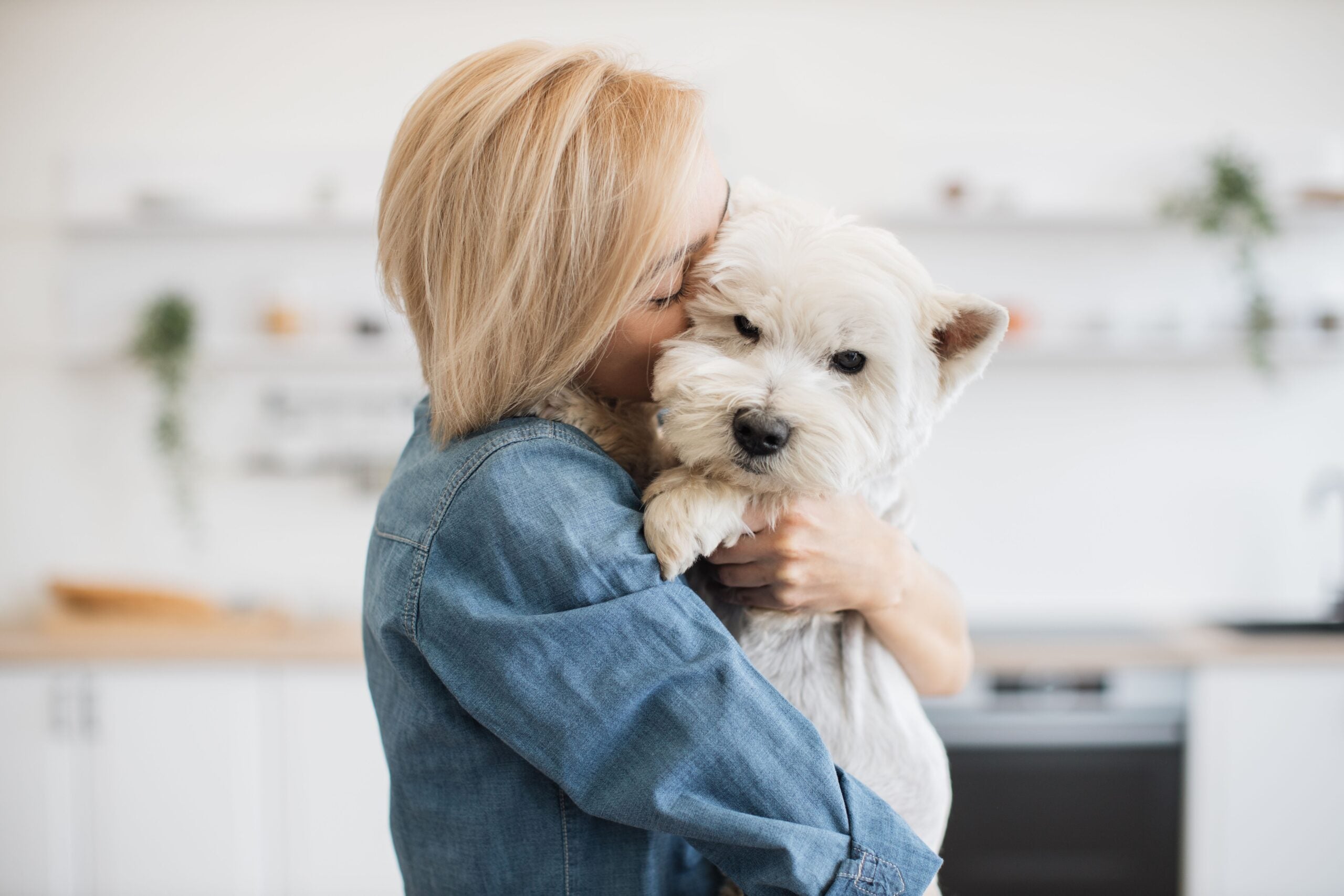
In much of Europe, North America, and East Asia, many countries now fall below “replacement” birth rates. At the same time, dog ownership has climbed. In many European nations, a quarter to half of households have a dog, and plenty of owners treat that animal as a real family member.
The review suggests one reason dogs fit so easily into modern homes is that they can plug into a basic caregiving drive. Dogs offer closeness with a dependent being, daily routines, and a sense of purpose. Those rewards can resemble what parents report feeling, even if the relationships are not the same.
Why dogs, specifically? The researchers point to a blend of behavior and appearance. Dogs are highly tuned to human cues. They track your attention, respond to voice tone, and often show social behaviors that remind people of very young children. Many owners also respond strongly to “baby-like” features, such as big eyes and round faces. Small flat-faced breeds, including pugs and French bulldogs, can look especially infant-like, which may intensify caretaking instincts.
Dependency adds another layer. Many pet dogs cannot choose their food, freedom, social life, or daily schedule. That reality puts you in a role that can feel parental, because your choices shape almost everything about the dog’s welfare.
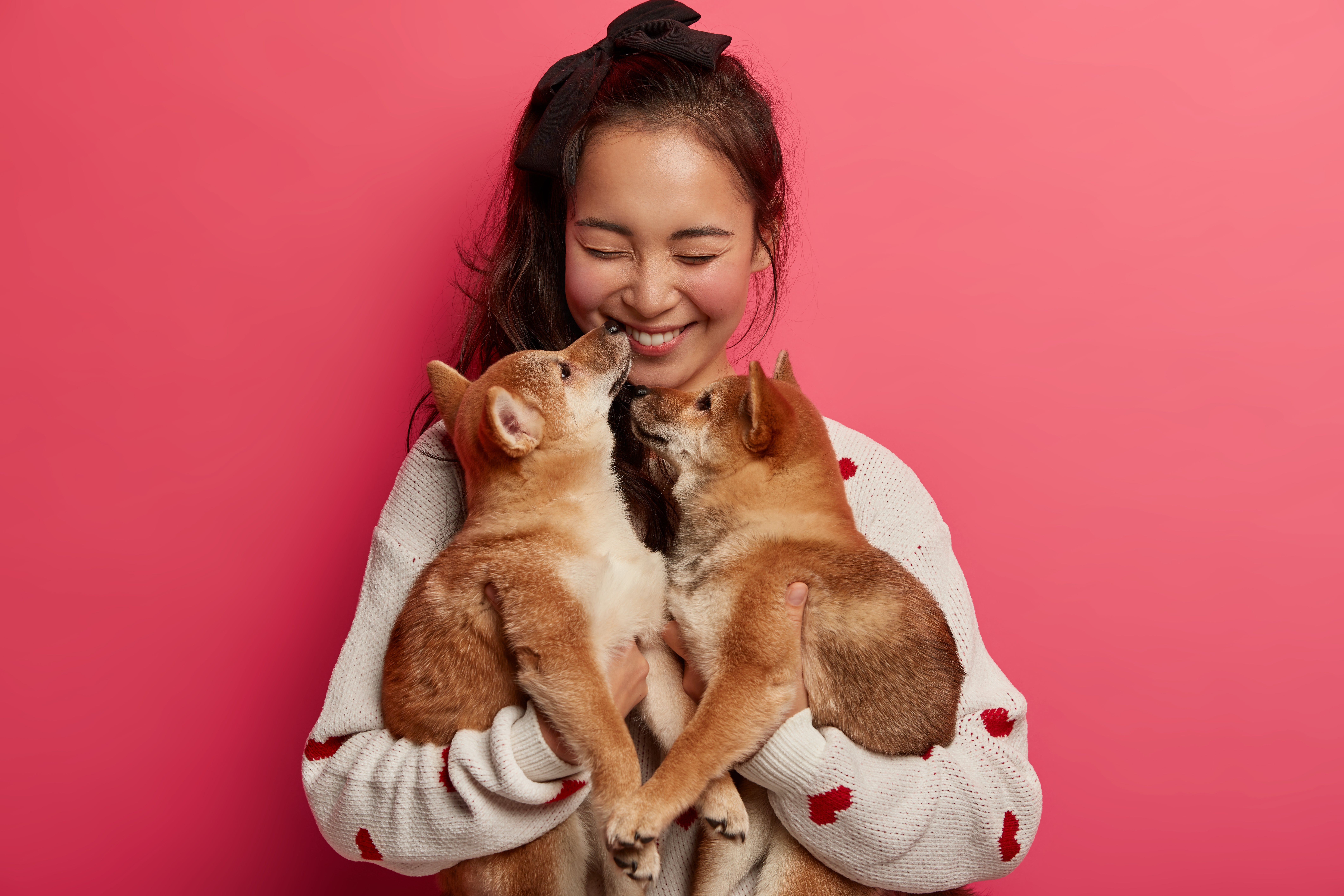
Gillet and Kubinyi emphasize that dog ownership can carry deep attachment, yet still feel less overwhelming than raising a child. Gillet explains why some people see it that way: « Despite the high dependency and attachment of dogs to their caregivers, in the eyes of many, commitments coming with dog ownership remain less burdensome than child parenting ». She adds, « Among many factors, the relatively short lifespan of dogs might contribute to it, as most people expect to outlive their dog, but not their child ».
The review also leans on research showing that cultural values matter. In many Western, traditionally Christian-influenced societies, human life is often treated as more valuable than animal life. That social backdrop can shape how people talk about pets, what sacrifices feel “normal,” and how far caretaking goes during hardship.
Kubinyi cautions against a common assumption. « We would like to point out that, contrary to popular belief, only a small minority of dog owners actually treat their pets like human children. In most cases, dog parents choose dogs precisely because they are not like children, and they acknowledge their species-specific needs ».
The research review draws a line between feeling close to a dog and treating a dog like a child in ways that ignore canine needs. That line matters for animal welfare.
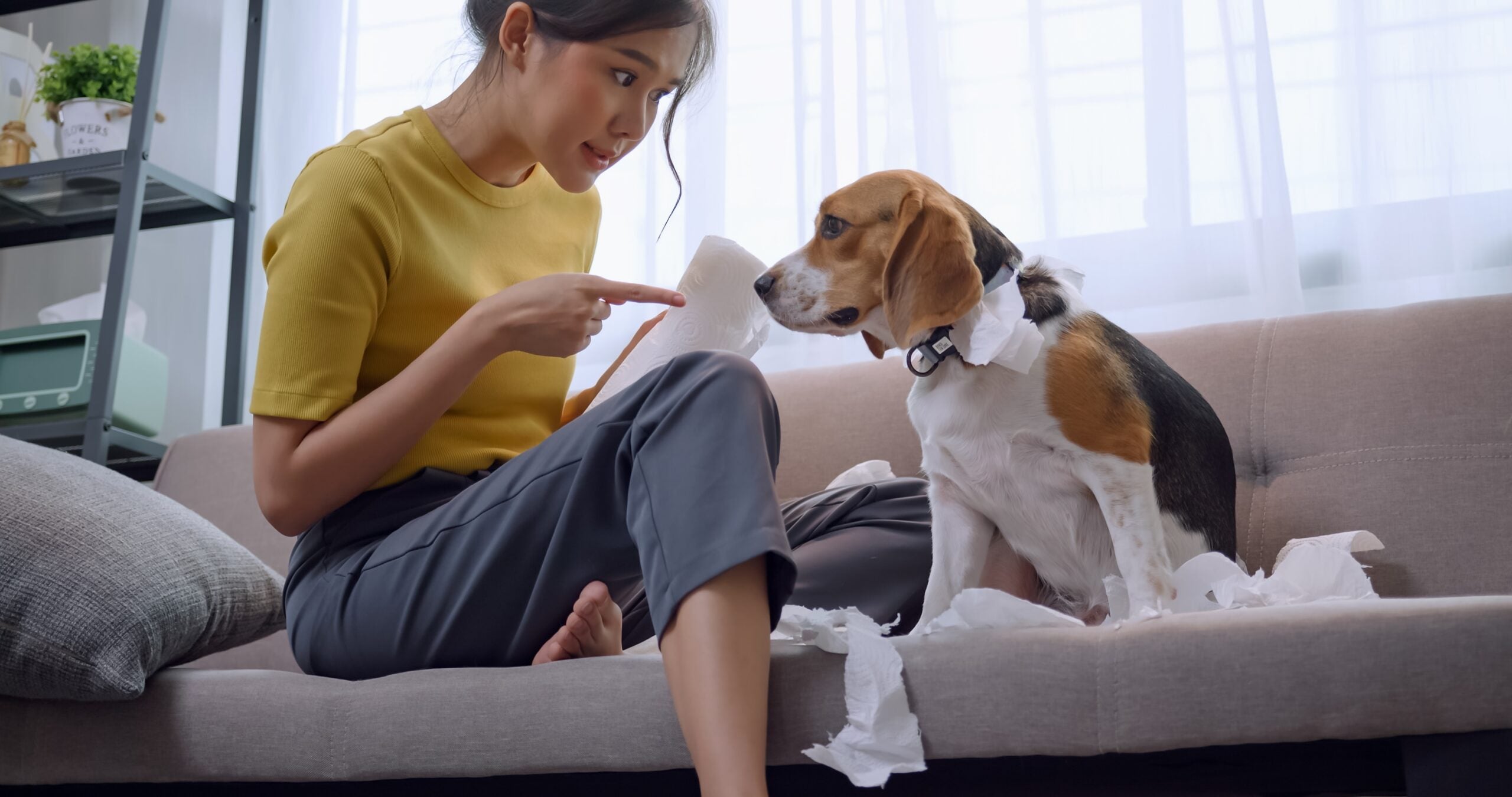
“One concern involves selective breeding for extreme infant-like traits. Flat-faced breeds can face serious health problems linked to airway issues and other complications. Another concern is overprotection. When an owner reads normal dog behavior through a human lens, it can lead to stress for the animal. Physical affection that feels comforting to you, like hugging or kissing, may overwhelm some dogs. Punishing a dog for anxiety-driven behavior can also backfire, because the dog may not connect the punishment to the cause in the way you assume,” Kubinyi told The Brighter Side of News.
The review also highlights how owner behavior can shape a dog’s attachment and confidence. Studies that adapt infant attachment tests find that dogs often show distress when a caregiver leaves and relief when they return. Owners who are inconsistent, emotionally distant, or overly permissive can influence how secure that bond becomes.
Parenting-style research shows another parallel. Warmth and rule-setting help define common human parenting styles, and similar patterns can show up in dog care. The balance between affection and limits can affect a dog’s social behavior and problem-solving skills.
Rather than treating dog parenting as one fixed identity, the authors argue it can shift. A dog can be a “pre-child” in one life stage, then a sibling-like figure once kids arrive, and later a steady companion after children leave home. The bond can also resemble friendship or partnership, depending on what you need and what you project onto the relationship.
The review ultimately frames this cultural shift as part of a larger story about modern life. Loneliness, weaker community ties, and changing family structures all shape why dogs matter so much to so many people.
Research findings are available online in the journal European Psychologist.
Like these kind of feel good stories? Get The Brighter Side of News’ newsletter.
The post Modern dog ownership has redefined family and parenting appeared first on The Brighter Side of News.

