When your arm moves inside a loose shirt, the fabric does not simply follow along. It ripples, folds, and shifts in ways that exaggerate motion. Those subtle distortions, long treated as measurement errors, may actually carry more useful information than the movement of the body itself.
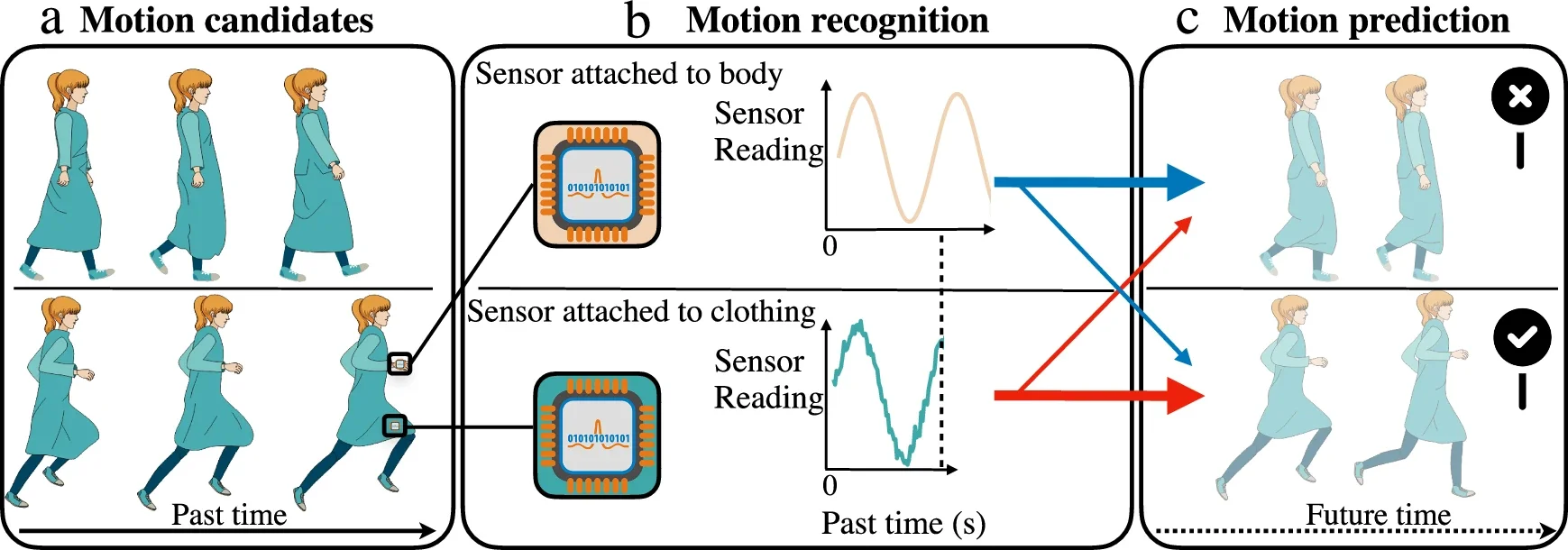
That idea sits at the center of new research from King’s College London, published in Nature Communications, which challenges a basic assumption behind modern motion tracking. Sensors do not have to be tight against the skin to work well. In many cases, they perform better when attached to loose clothing.
The findings suggest a different future for wearable technology, one that could make health monitoring devices less intrusive while improving accuracy across fields ranging from medicine to robotics.
Researchers found that sensors attached to loose fabric predicted and captured human movement with about 40 percent greater accuracy while requiring roughly 80 percent less data than sensors fixed directly to the body.
Dr Matthew Howard, a reader in engineering at King’s College London and co-author of the study, said the results overturned expectations that have shaped the industry for years.
“When we think about technology that tracks movement – like a Fitbit on your wrist or the suits actors wear to play CGI characters – we had thought that the sensors need to be tight against the body to produce the most accurate results. The common belief is that if a sensor is loose, the data will be “noisy” or messy,” he said.
“However, our research has proven over multiple experiments that loose, flowing clothing actually makes motion tracking significantly more accurate. Meaning, we could move away from “wearable tech” that feels like medical equipment and toward “smart clothing” – like a simple button or pin on a dress – that tracks your health while you feel completely natural going about your day.”
The key insight lies in how flexible materials respond to movement.
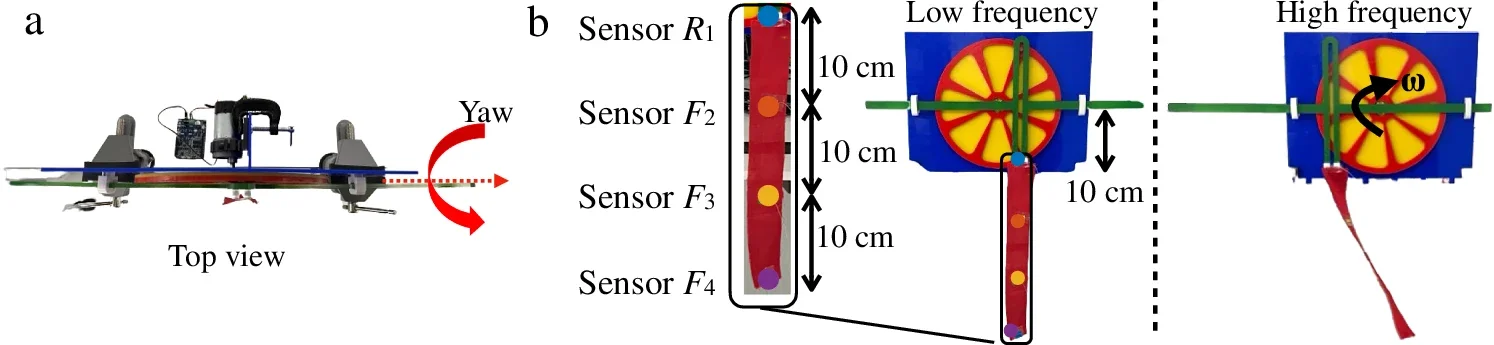
Loose fabric acts as what researchers describe as a mechanical amplifier. Instead of moving rigidly with the body, clothing shifts in multiple directions, creating richer motion patterns that sensors can detect.
Dr Howard explained the phenomenon in practical terms.
“When you start to move your arm, a loose sleeve doesn’t just sit there; it folds, billows, and shifts in complex ways – reacting more sensitively to the movements than a tighter fitting sensor.”
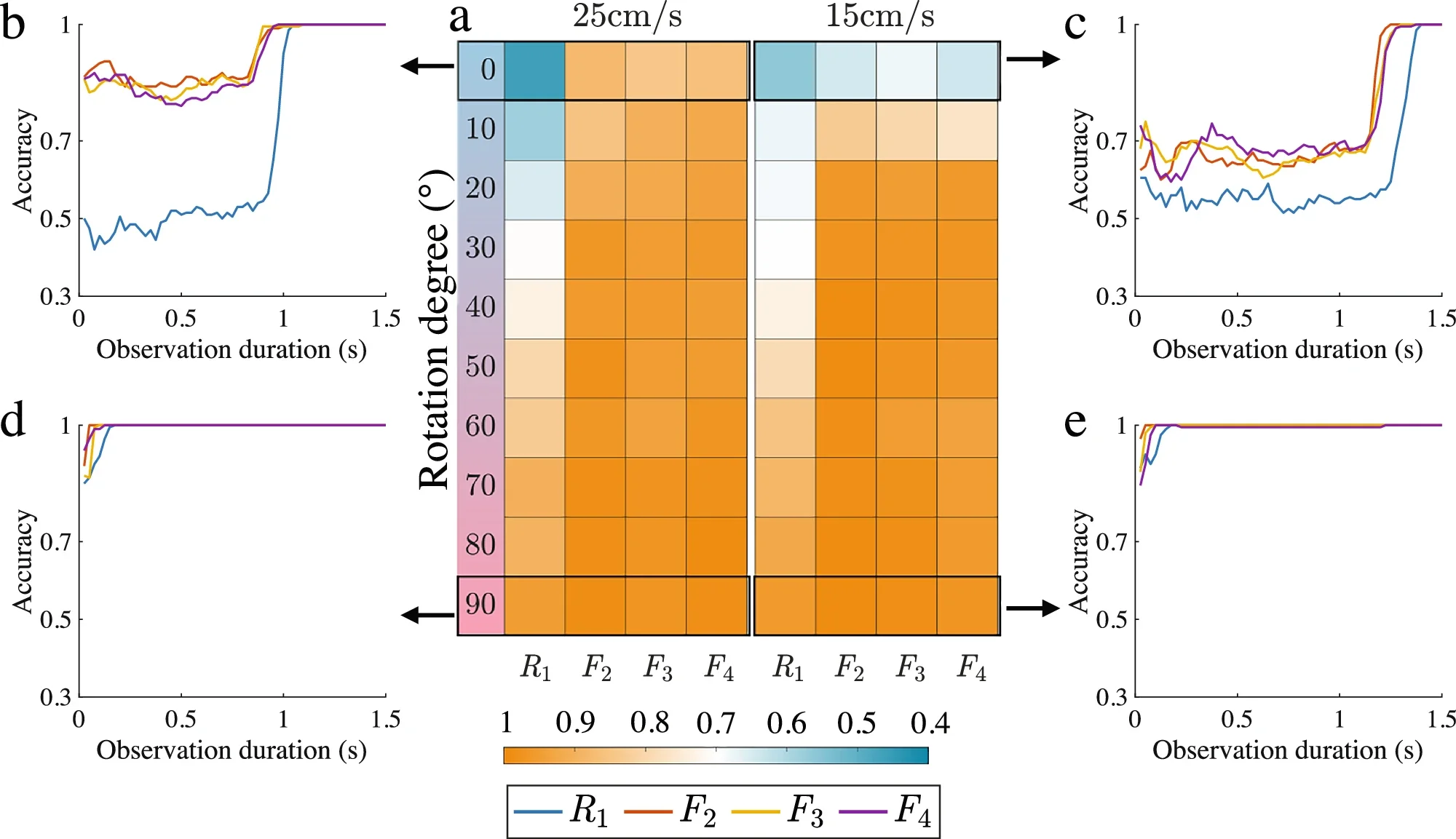
Those amplified signals help algorithms distinguish between similar motions and recognize patterns faster. The study showed that sensors on loose clothing could identify movements more quickly and with higher precision than sensors attached to tight straps or body suits.
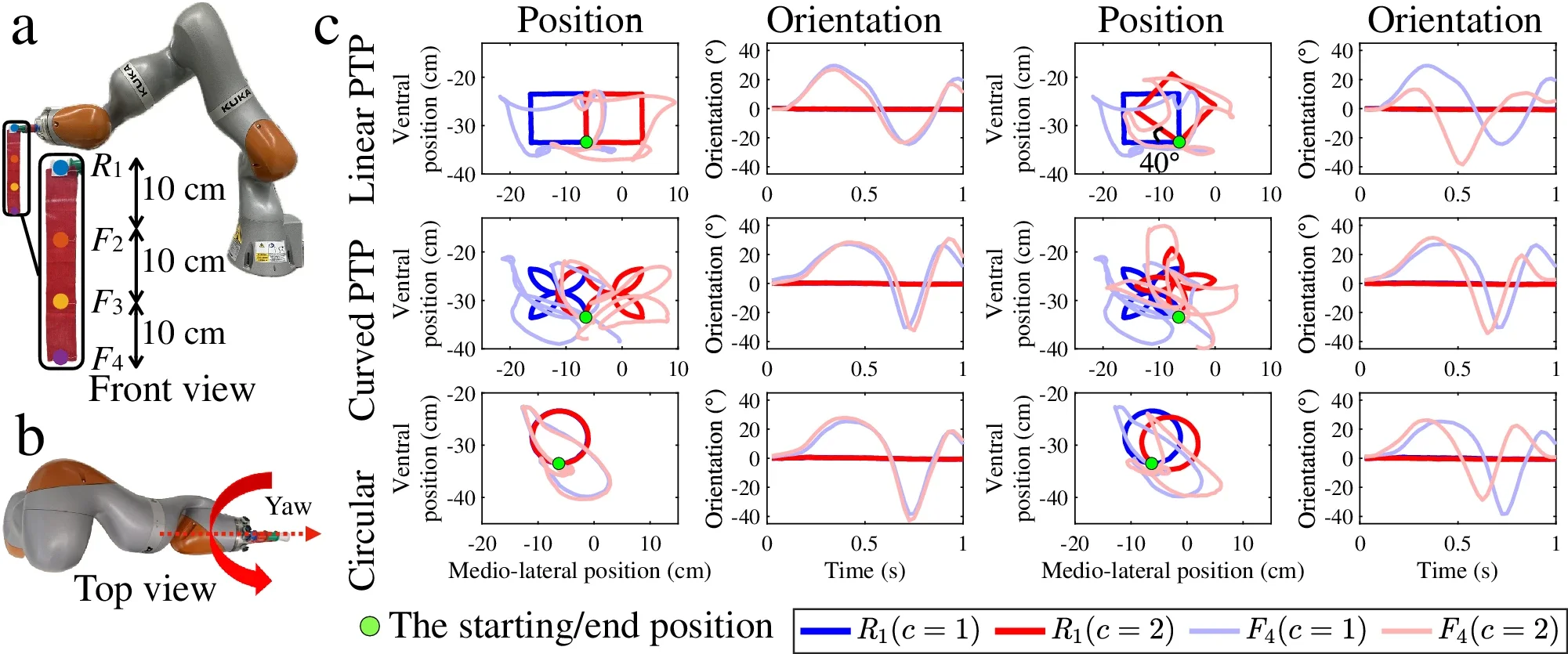
Scientists tested the approach across multiple fabrics and movement types using both human participants and robotic systems. In every comparison, the fabric-based method detected motion more efficiently and required less historical data to predict what would happen next.
That efficiency matters. Motion recognition systems often depend on large amounts of past movement data before making reliable predictions. Reducing that requirement could make real-time tracking systems more responsive and practical outside laboratory settings.
The approach could have particular value in medical monitoring, especially for conditions that affect movement.
Co-author Dr Irene Di Giulio, Senior Lecturer in Anatomy and Biomechanics at King’s College London, pointed to challenges faced when studying disorders such as Parkinson’s disease.
“Sometimes, a patient’s movements are too small for a tight wristband to catch and therefore we can’t always get the most accurate data on how conditions like Parkinson’s are affecting people’s everyday lives,” she said.
“Through this approach we could ‘amplify’ people’s movement, which will help capture them even when they are smaller than typical abled-bodied movements. This could allow us to track people in the comfort of their own homes or a care home, in their everyday clothing. It could become easier for doctors to monitor their patients, as well as medical researchers to gather vital data needed to inform our understanding of these conditions and develop new therapies including wearable technologies that cater for these kinds of disabilities.”
Current motion capture systems often require precise sensor placement, specialized environments, or uncomfortable equipment attached directly to the body. Those barriers limit long-term monitoring and reduce participation in research studies.
Sensors integrated into everyday clothing could change that dynamic by allowing people to move naturally while data is collected continuously.
The technology also intersects with robotics and human-machine interaction.
For robots to mimic human behavior, engineers need large datasets showing how people move in everyday situations. Collecting that information has proven difficult because few people want to wear tight sensor suits during normal activities.
Dr Howard said the new approach could expand data collection dramatically.
“A lot of robotics research is about learning from human behaviour for robots to mimic, but to do this you need huge amounts of data collected from every day human movements, and not many people are willing to strap up in a Lycra suit and go about their daily business,” he said.
“This research offers the possibility of attaching discreet sensors to everyday clothing, so we can start to collect the internet-scale of human behaviour data, needed to revolutionise the field of robotics.”
Gesture-based control systems could also benefit. Technologies that allow people to turn on lights, operate devices, or interact with machines using body movements rely on accurate motion recognition. Better sensing could improve reliability in real-world environments.
The timing aligns with rapid growth in the wearable sensor market. Industry projections estimate a compound annual growth rate of 18.3 percent, expanding from about 840 million dollars in 2021 to roughly 3.7 billion dollars by 2030.
Applications span medical diagnosis and rehabilitation, fitness monitoring, entertainment, and workplace safety. All depend on capturing human motion accurately and comfortably.
Advances in electronic textiles already allow sensors to be embedded directly into garments. The remaining challenge has been separating useful motion signals from noise created by clothing movement. This research suggests that the so-called noise may actually contain valuable information.
The study also explored the statistical reasons behind the effect. Flexible materials increase the distinction between different movement patterns, making it easier for algorithms to classify actions such as reaching or walking. Researchers used hidden Markov models, a common approach for analyzing time-based data, to recognize and predict motion based on sensor readings.
The results challenge a long-standing assumption in motion tracking: that tighter sensors always mean better data.
Research findings are available online in the journal Nature Communications.
The original story “Motion sensors perform better when attached to loose clothing” is published in The Brighter Side of News.
Like these kind of feel good stories? Get The Brighter Side of News’ newsletter.
The post Motion sensors perform better when attached to loose clothing appeared first on The Brighter Side of News.


Leave a comment
You must be logged in to post a comment.