Breathing can feel normal for weeks, then suddenly turn into a race for air. That uncertainty is one of the hardest parts of living with asthma. Even when symptoms seem quiet, an attack can still arrive fast, sending you to urgent care or worse.
A new study from researchers at Mass General Brigham and Karolinska Institutet suggests doctors may be closer to predicting those dangerous flare-ups before they happen. The research points to a blood-based signal that forecasted future asthma exacerbations with high accuracy, and sometimes separated high- and low-risk groups by almost a year in the timing of a first attack.
Asthma ranks among the most common chronic diseases worldwide and affects more than 500 million people, the researchers said. Asthma exacerbations, often called asthma attacks, drive much of the illness burden and healthcare cost. Yet clinicians still lack reliable biomarkers that can flag which patients face a high risk of serious attacks. Many current tools struggle to tell the difference between someone who is stable and someone who only looks stable.
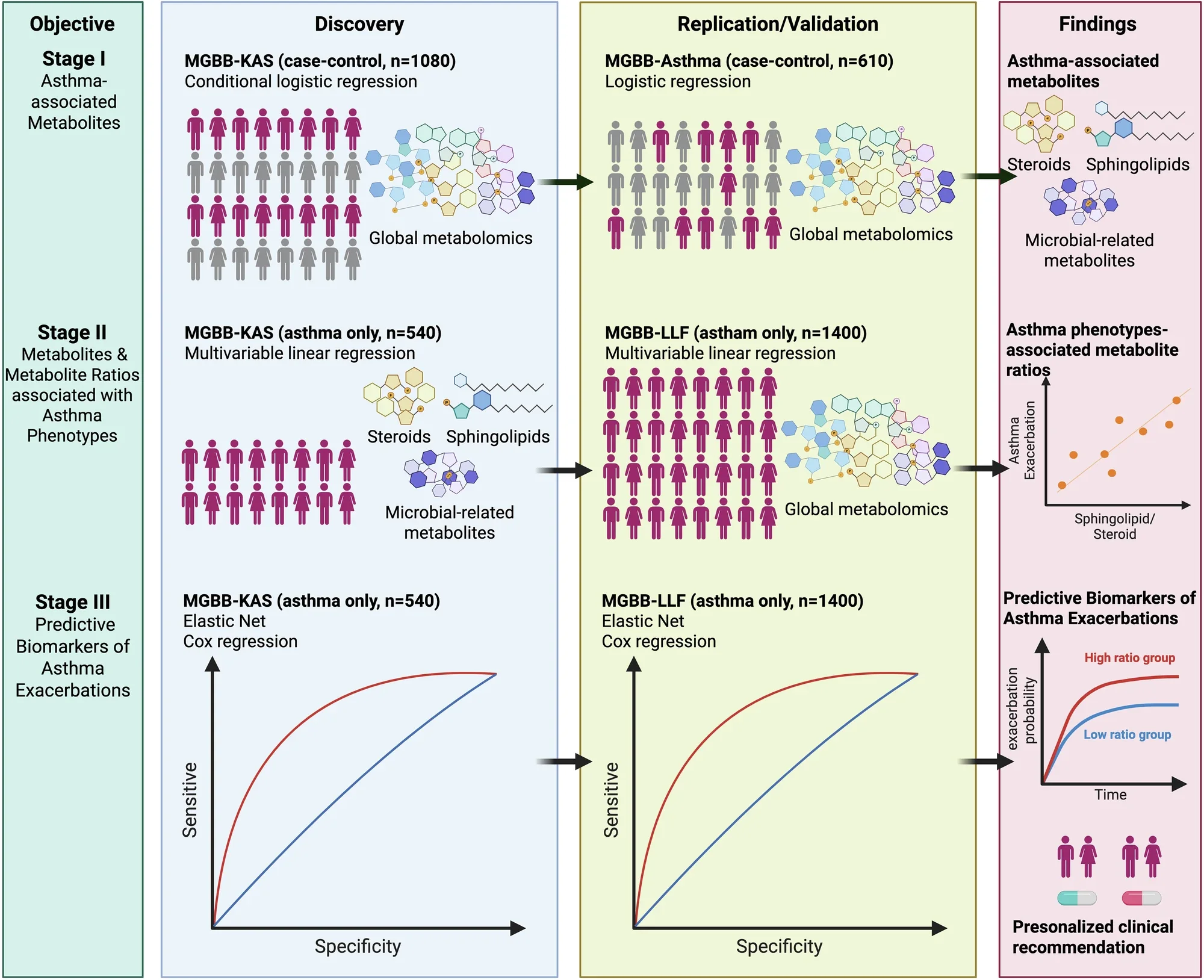
The new work takes a different angle. Instead of relying only on symptoms, lung tests, or past medication patterns, the team measured small molecules in blood and looked for patterns tied to future risk.
“One of the biggest challenges in treating asthma is that we currently have no effective way to tell which patient is going to have a severe attack in the near future,” said Jessica Lasky-Su, associate professor at the Channing Division of Network Medicine at Mass General Brigham and Harvard Medical School. “Our findings solve a critical unmet need. By measuring the balance between specific sphingolipids and steroids in the blood, we can identify high-risk patients with 90 per cent accuracy, allowing clinicians to intervene before an attack occurs.”
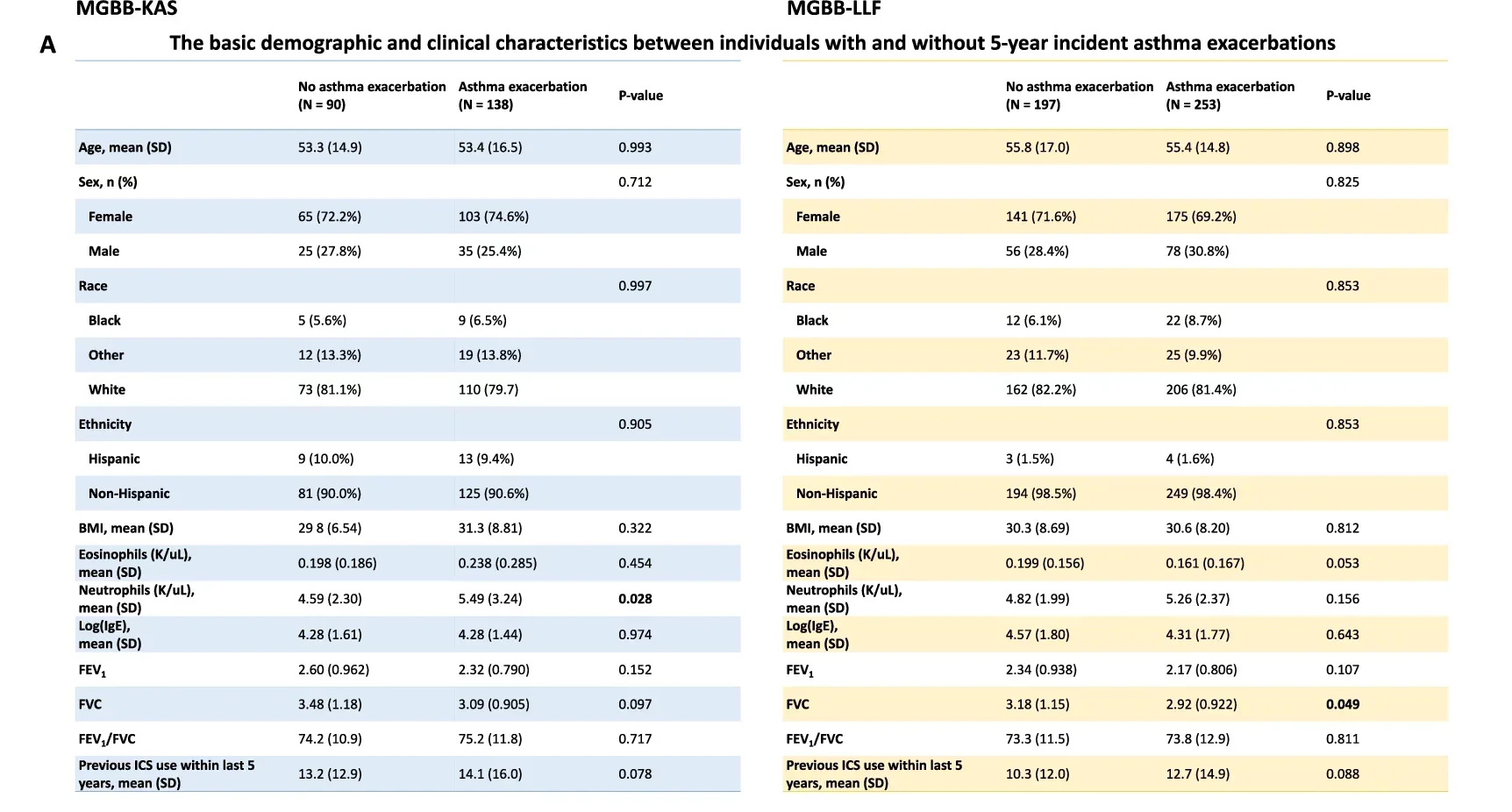
The researchers drew from three large asthma cohorts totaling more than 2,500 participants. Those cohorts were supported by decades of electronic medical records, giving the team a long window to track outcomes over time.
They used metabolomics, a high-throughput method that measures many small molecules in blood. These molecules, called metabolites, reflect what your body is doing moment to moment, including how it handles inflammation, stress, and energy.
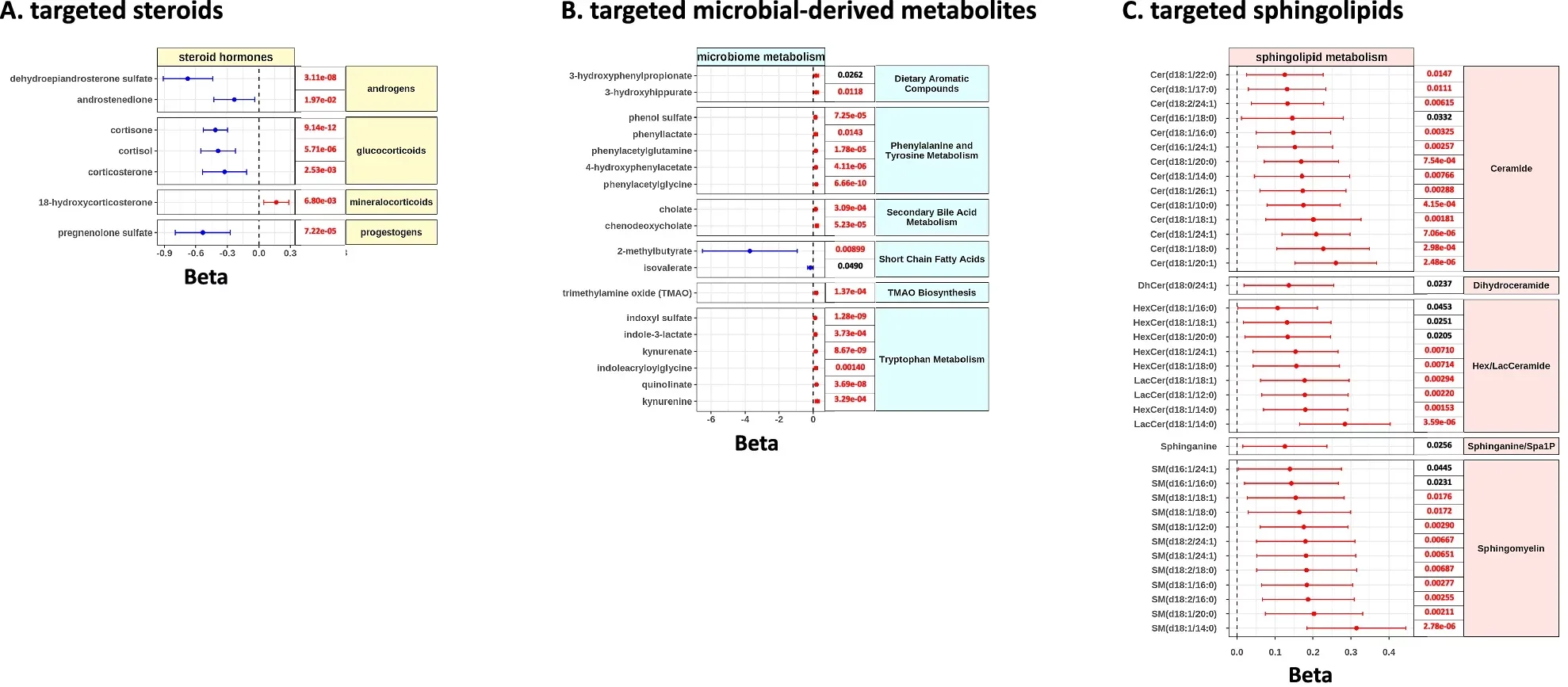
In the data, two classes of metabolites stood out: sphingolipids and steroids. Sphingolipids are a group of fat-like molecules. Steroids are another class of molecules that include compounds tied to the body’s hormone systems. The team found a meaningful relationship between asthma control and the balance between these two groups.
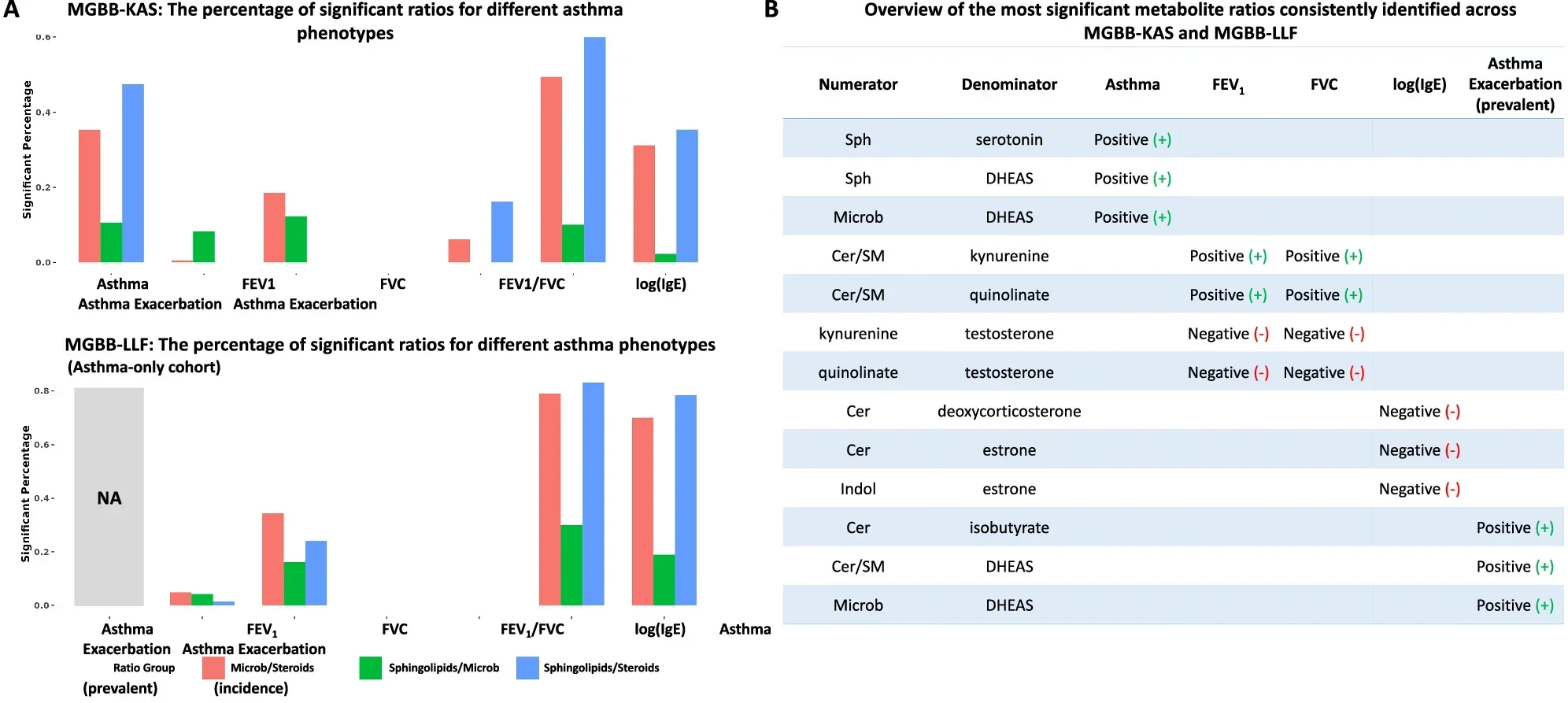
The strongest signal did not come from any one metabolite on its own. It came from ratios. Specifically, sphingolipid-to-steroid ratios predicted exacerbation risk across a five-year period. In some cases, the model could separate the time to a first exacerbation between high- and low-risk groups by nearly a year.
That difference matters in real life. A year can mean extra time in school or work without crisis visits. It can mean fewer sleepless nights spent listening for wheezing. It can also mean more time for a clinician to adjust care before a scary spiral begins.
The study found that individual metabolite levels gave some insight, but the ratio between sphingolipids and steroids carried the most power. It is a reminder that biology often works through balance, not isolated signals.
“We found that the interaction between sphingolipids and steroids drives the risk profile. This ratio approach is not only biologically meaningful but also analytically robust, making it highly suitable for development into a practical cost-effective clinical test,” said Craig E. Wheelock, principal researcher at the Institute of Environmental Medicine at Karolinska Institutet.
In other words, the same sphingolipid number might mean different things depending on what the steroid levels look like at the same time. A ratio can capture that push and pull.
The researchers also said a clinical assay based on these ratios could fit into standard lab workflows. That matters because a discovery is only useful if it can move from a research bench to routine care.
The goal is not just prediction for prediction’s sake. It is to identify patients who seem stable but carry an underlying metabolic imbalance. Those are the people who can fall through the cracks. They may not look like an emergency waiting to happen, yet their biology may already be leaning toward risk.
If you have asthma, the care plan you get today often reflects how you feel right now and what has happened recently. That approach helps, but it leaves gaps. Many patients cycle between calm periods and sudden attacks. Clinicians cannot always see the next one coming.
The researchers describe this work as a step toward precision medicine for asthma. The idea is simple: if a blood test can flag higher risk, care can become more targeted. Monitoring could increase. Medication plans might shift sooner. Conversations about triggers, adherence, and early warning signs could become more urgent and specific.
At the same time, a better risk signal could also prevent overtreatment. If you are truly at low risk, you may not need aggressive steps that bring cost or side effects.
The study also includes an important caution. The researchers said the results need more validation before the test can be used in routine clinical practice. They called for additional studies, including direct clinical trials and cost-effectiveness analyses.
The research was a collaboration between Karolinska Institutet in Sweden and Mass General Brigham in the United States. It received support from the National Heart, Lung, and Blood Institute, the Swedish Research Council, and the Swedish Heart-Lung Foundation.
The team also disclosed conflicts of interest. The researchers have applied for a patent on the method. Lasky-Su serves as a scientific advisor to Precion Inc. and TruDiagnostic Inc. Co-author Scott T. Weiss receives royalties from UpToDate and sits on the board of Histolix. The other authors reported no relevant competing interests.
If further studies confirm these findings, the impact could reach beyond the clinic visit. A practical blood test that predicts asthma attacks could change how care is timed and how resources are used. Clinics could focus attention on patients who carry hidden risk, even when symptoms look controlled. That could reduce emergency visits and hospital care tied to sudden exacerbations.
For research, the ratio-based signal offers a new lens on asthma biology. It suggests that the balance between sphingolipids and steroids tracks meaningful differences in disease control. Future studies can test whether shifting that balance changes outcomes, or whether the ratio mainly serves as a warning sign. Either way, it provides a clear target for validation trials.
For humanity, better prediction means fewer surprises. It means more chances to prevent suffering before it spikes. When an attack is avoided, you do not just save money; you protect daily life, sleep, work, school, and peace of mind.
Research findings are available online in the journal Nature Communications.
The original story “New discovery can predict asthma attacks with high accuracy” is published in The Brighter Side of News.
Like these kind of feel good stories? Get The Brighter Side of News’ newsletter.
The post New discovery can predict asthma attacks with high accuracy appeared first on The Brighter Side of News.


Leave a comment
You must be logged in to post a comment.