Recent research findings indicate that many of the plant pathogens affecting agriculture today originated during an earlier era than originally believed. Analysis performed by an international team of scientists found that viruses classified as tymoviruses most likely emerged before the last Ice Age.
Evidence indicates that these viruses may have been present in some form among wild plants in Eurasia long before human agricultural practices were developed.
In a study published in Plant Disease, researchers reconstructed the evolutionary history of the tymovirus family by comparing the genetic structures of over 100 viral genomes. The results indicate that the origins of the earliest tymoviruses may be traced back approximately 23,000 years, around the time when glaciers were still present in the Northern Hemisphere.
Tymoviruses are known to infect flowering dicots, most commonly brassicaceous plants (e.g., cabbage, radish) and solanaceous plants (e.g., pepper, tomato, eggplant). Many tymoviruses are transmitted to new hosts by leaf-chewing beetles. Others can be spread by seed or through direct contact with infected plants.
The viruses found in wild populations of plants are also capable of infecting economically significant food crops. Infection of these crops is often indicated by mottled leaves, stunted growth, and mosaic virus patterns. Scientists have long been interested in the evolution and dispersal patterns of tymoviruses because they are transmitted among natural ecosystems and cultivated agricultural fields.
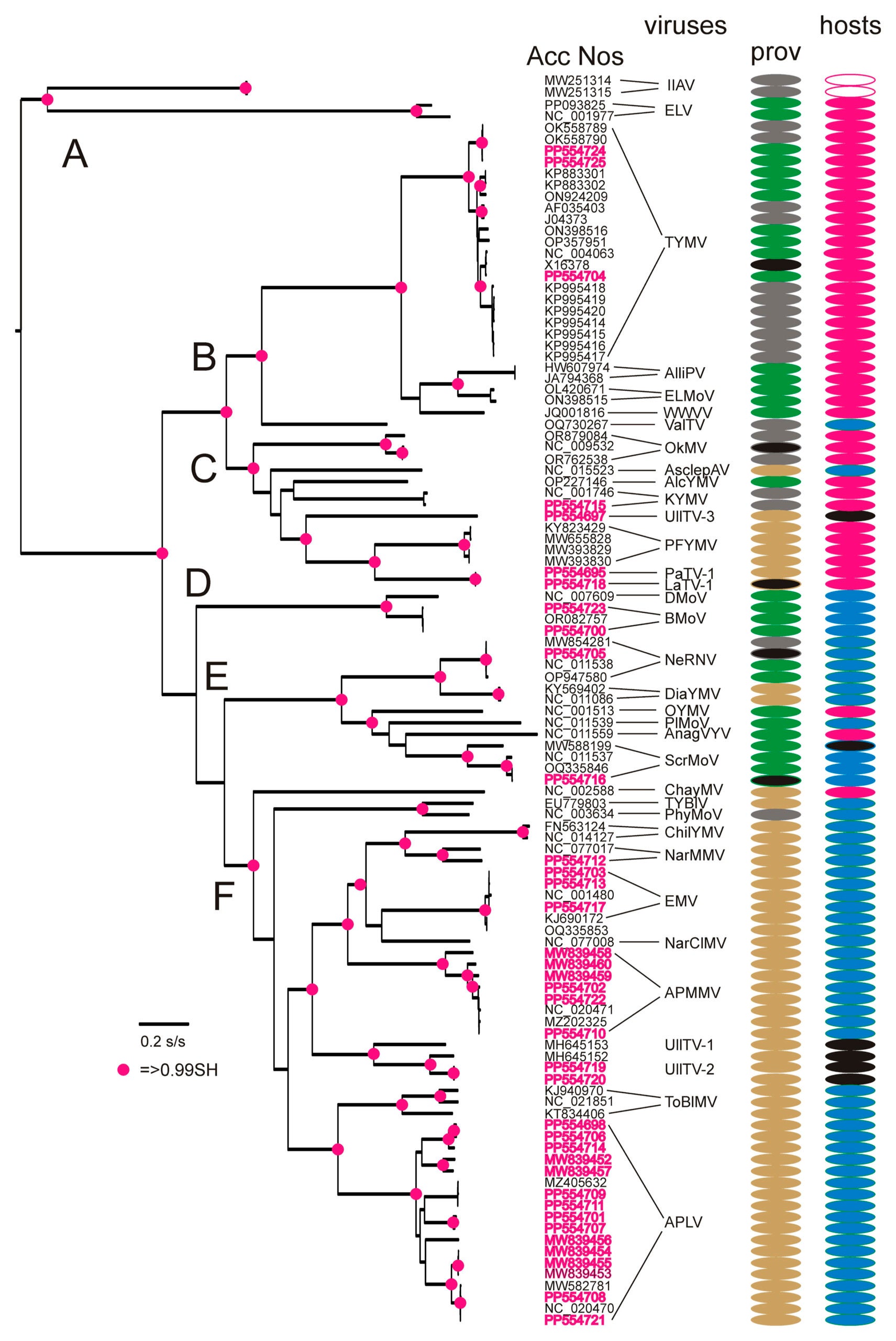
To investigate the evolutionary processes enabling tymovirus creation and dispersion, Dr. Adrian Gibbs and his co-authors from the Australian National University examined the genomics of 109 tymoviruses. This analysis included newly sequenced samples collected in the United Kingdom and Peru. The researchers also looked at a group of sequences from historical virus collections (1960–1980).
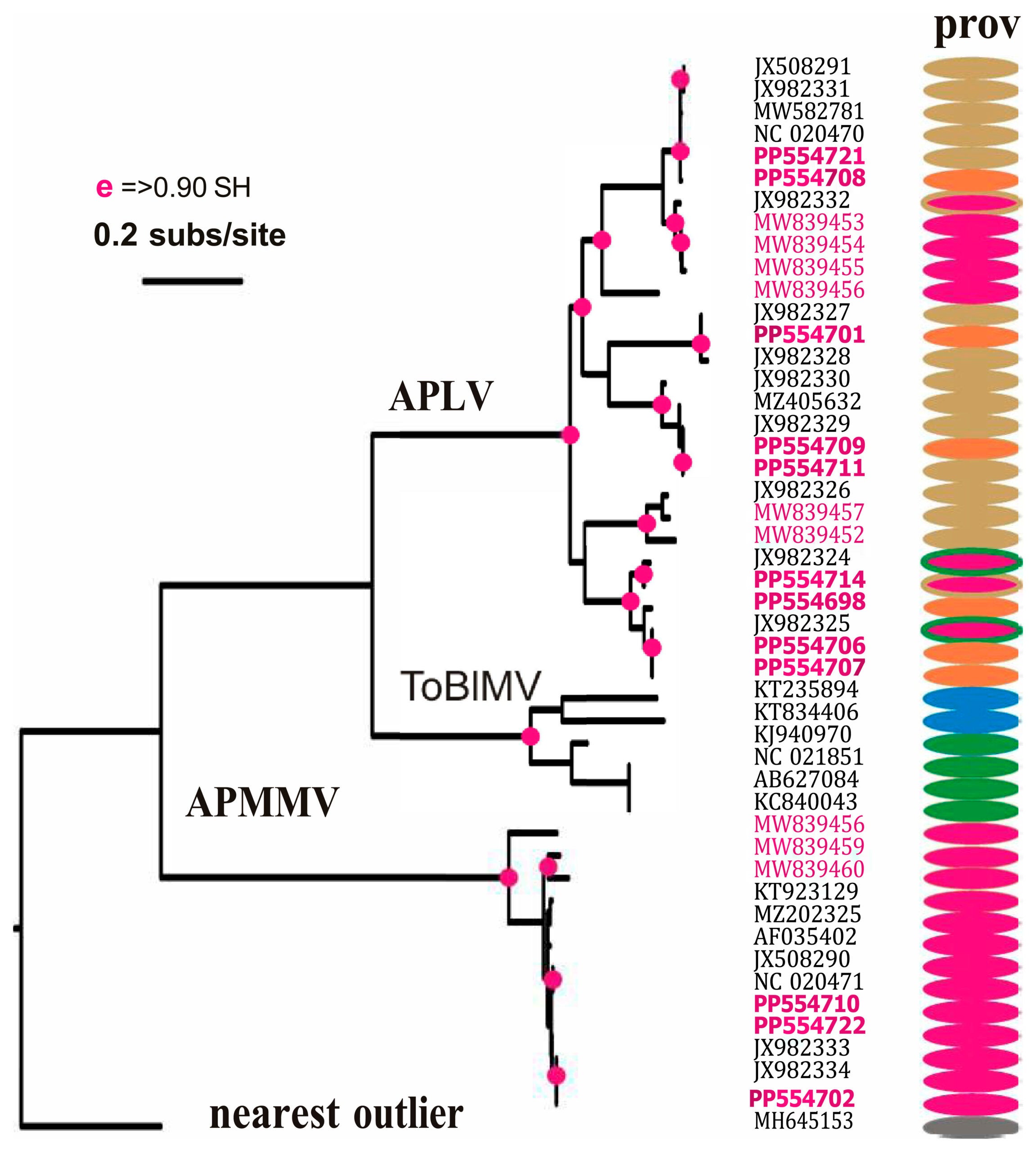
Through sequencing and creating evolutionary trees, researchers were able to identify evolutionary relationships of viruses infecting plants from many continents.
Their findings suggested that Eurasians were probably where brassica viruses (cabbage and mustard) originated as the host plant. These viruses then adapted to infect other plant types.
Researchers were able to estimate when the tymoviruses began to move away from their original areas based on their genetics.
By using genetic divergence to estimate timelines, one branch point on the evolutionary tree established a connection between tymoviruses found in Europe and tymoviruses found in North America approximately 16,000 years ago. This timeline corresponds to the height of the last Ice Age.
During this time, the land bridge that connected Asia and North America (Beringia) was exposed due to low ocean levels. This allowed movement between continents by plants, insects, and animals.
In contrast, the times when the few tymoviruses that now exist on multiple continents appear to have occurred much more recently. Genetic studies indicate that many of these global movement events occurred in the last two centuries. This coincides with the rapid expansion of international trade in crops and seeds.
Seeds likely acted as a transmission source for this modern-day movement. Some viruses called tymoviruses can live in seeds and spread to other plants when the seed grows.
This study not only looked at how viruses have changed over time, but it also examined how they have evolved.
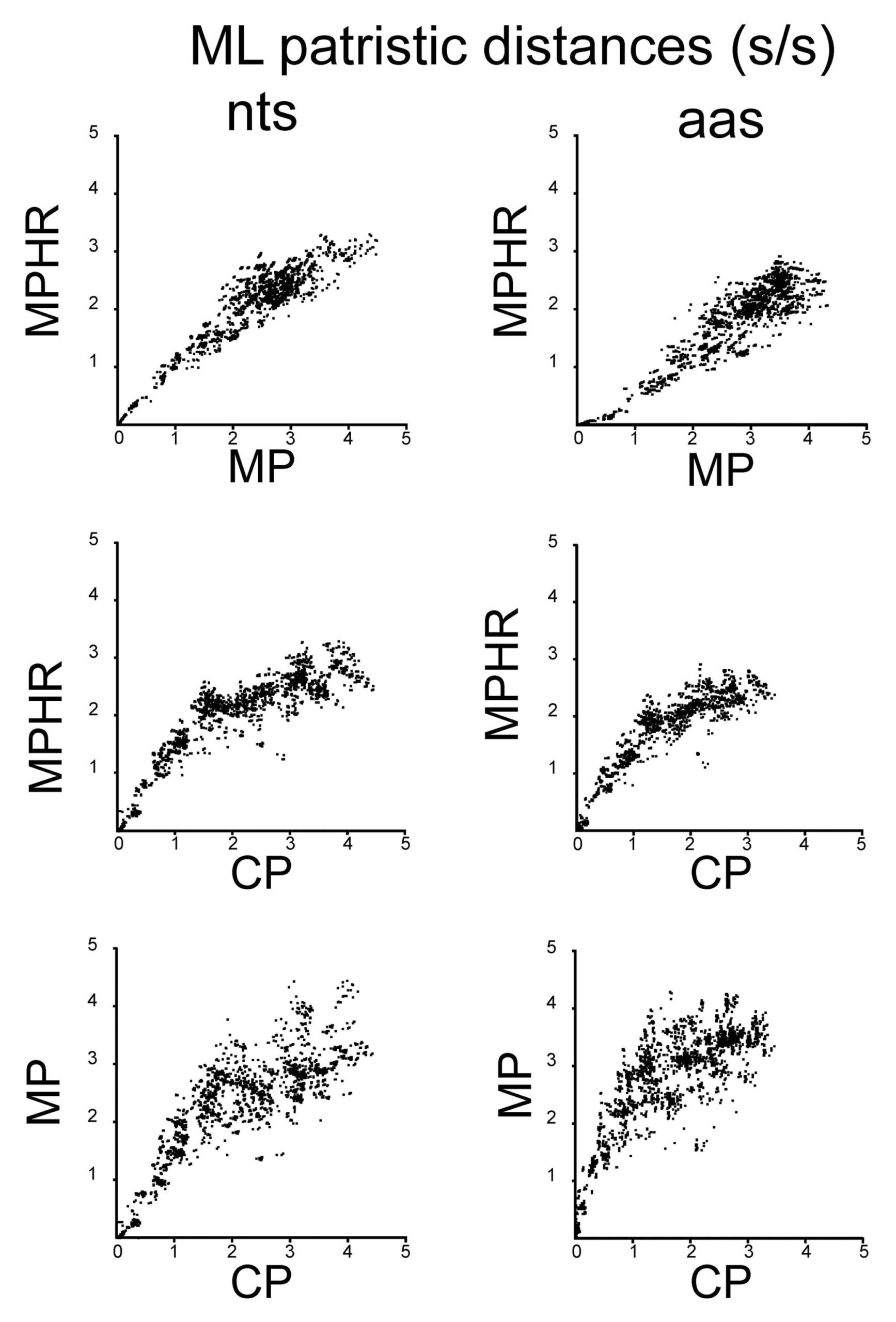
The genes that create the virus’s ability to reproduce and its protective materials show that they are under stabilizing selection. This means they will change slowly. If they did not, the virus would have a high chance of dying due to the mutation.
There was one specific part of the genome that does not share this pattern.
The gene that creates the protein that helps the virus move from cell to cell within the plant appears to undergo positive selection. This means it is evolving faster than other parts of the genome. This flexibility may allow tymoviruses to change their host species rapidly.
To many scientists, this pattern represents an evolutionary arms race that exists between pathogens and their respective hosts.
The study also illustrates the importance of historical virus samples to current research. Some of the samples used in this study were taken from archived collections that had previously been gathered over many years.
Dr. Gibbs provides a personal history, as he had a hand in conducting some of the early research on Andean plant viruses during the 1960s. He first described Andean potato latent virus in 1966. Some of the other research team members have been studying potato viruses in South America since the late 1970s.
This team was able to combine archived specimens with modern genome sequencing to produce one of the most complete databases available for viruses in the tymovirus group.
By understanding the long-term evolution of plant viruses, researchers can better prepare for the emergence of diseases.
As the data in this study illustrate, many of the pathogens affecting crops today were already established among wild plants prior to the introduction of agriculture. These viruses have continued to move between continents due to the development of modern agricultural practices and global trade.
Knowing how these types of viruses can move from plant to plant, whether through seeds or insects, can help agencies in the plant health industry develop more effective ways to monitor and control these pathogens. It may also help researchers collect data on new plant viruses before they negatively impact food production systems.
Research findings are available online in the journal Plant Disease.
The original story “New international study traces plant viruses back to the last Ice Age” is published in The Brighter Side of News.
Like these kind of feel good stories? Get The Brighter Side of News’ newsletter.
The post New international study traces plant viruses back to the last Ice Age appeared first on The Brighter Side of News.

