Every year, people throw away billions of kilograms of old electronics. Broken phones, outdated laptops, damaged televisions and discarded appliances continue piling up around the world. Much of this waste contains valuable materials, including silver and critical minerals, but recovering those resources remains difficult because electronic components are designed to stay permanently attached.
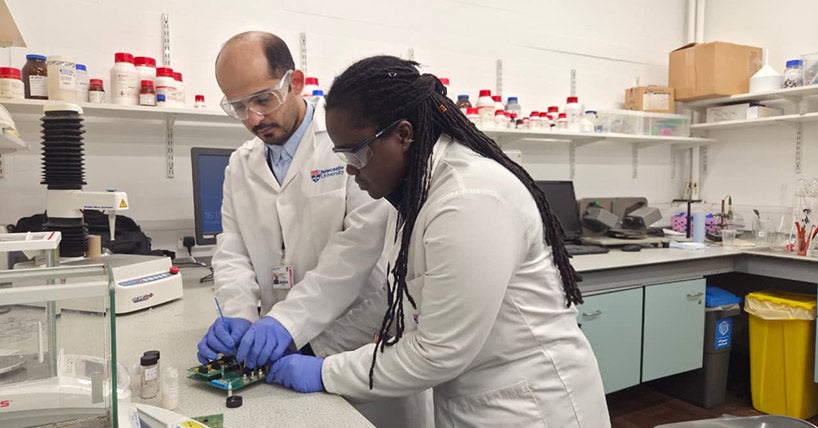
Now, engineers at Newcastle University have developed a new kind of electrically conductive glue that could change how electronics are built, repaired and recycled. The adhesive conducts electricity like solder, but unlike traditional bonding methods, it can later be safely separated using simple solutions such as acetone or alkaline water.
The researchers believe the technology could help industries recover valuable materials more easily while reducing the environmental burden of electronic waste.
“Electrically conductive adhesives have been around for a long time, and making them reversible provides the solution to a very real problem that urgently needs addressing,” said Bassam Aljohani, a PhD student at Newcastle University and first author of the paper.
Electronic waste has become one of the world’s fastest-growing environmental challenges. Researchers estimate that the world now produces about 62 billion kilograms of electronic waste every year. Less than one-quarter of that material gets properly recycled.
The remaining waste often ends up buried in landfills or shipped elsewhere for disposal. Many devices contain toxic materials and rare metals that can harm ecosystems if not recovered responsibly.
Modern electronics are also difficult to dismantle. Manufacturers commonly rely on permanent joining methods, including solder, industrial glues and screws. These methods help devices stay durable during use, but they create major obstacles during recycling.
“It’s not just about solder,” said Dr. Ama Asiedu-Asante, a researcher in Professor Volker Pickert’s group and co-author of the work. “The electronics industry relies on permanent joining methods, including screws, which can make automated recycling more difficult.”
The Newcastle team wanted to design a material that performs like existing conductive adhesives but can later come apart when recycling becomes necessary.
The new adhesive behaves similarly to industrial paint during production. Researchers create the glue using a water-based emulsion process. Instead of adding colored pigments, they mix silver particles into the solution to provide electrical conductivity.
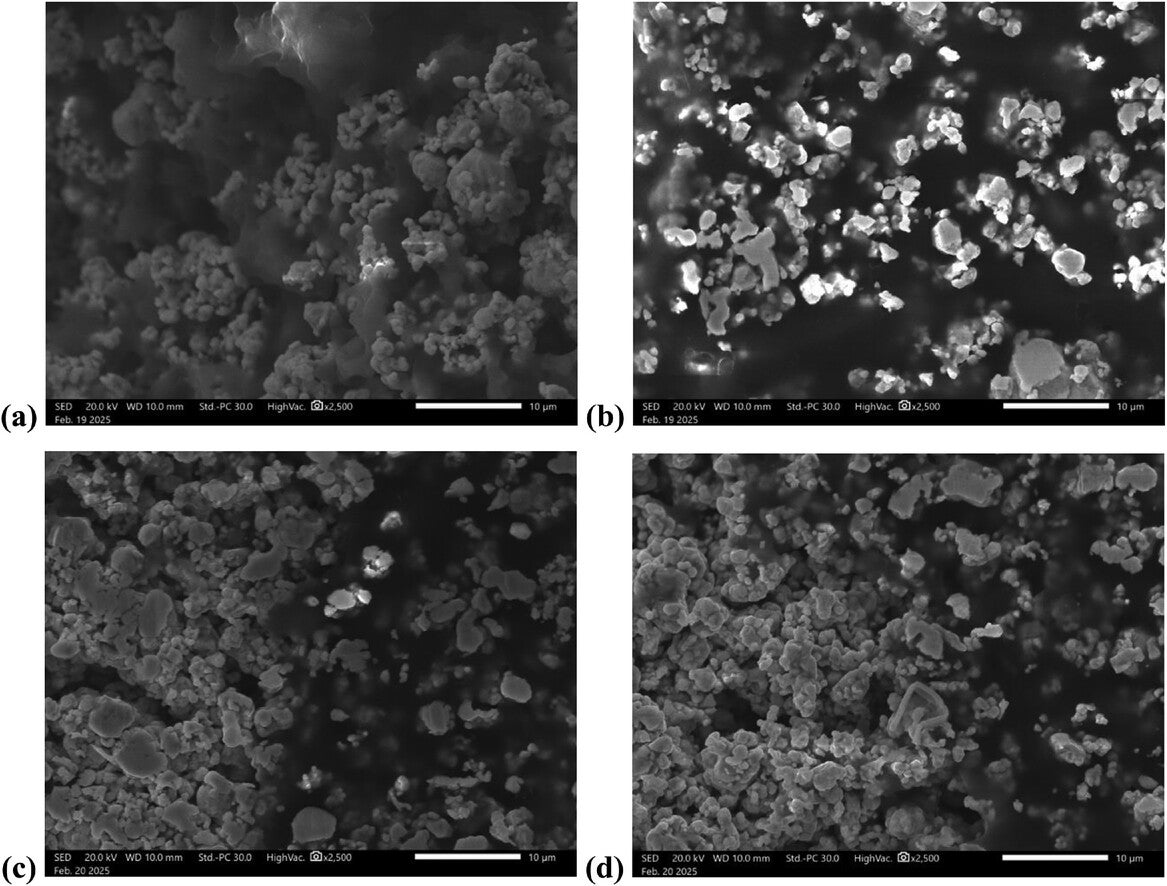
The silver creates conductive pathways that allow electricity to move through the adhesive. This lets the glue connect electronic components much like solder does.
Unlike many commercial adhesives, however, the bond does not need to remain permanent. When exposed to acetone or an alkaline solution, the glue weakens and releases the bonded components.
The technology relies on special polymer chemistry. The adhesive contains poly(acrylic acid), a material that changes shape under high pH conditions. When exposed to alkaline environments, the material absorbs water and swells. That swelling weakens the bond and allows the attached surfaces to separate.
The glue also avoids many problems associated with conventional adhesives. It is water-based, emits no harmful organic solvent vapors and does not require a separate hardener. Researchers said it remains durable even in humid environments, where many water-based adhesives fail.
Creating a reversible adhesive would mean little if it failed electrically or mechanically. To test performance, the researchers measured both conductivity and bonding strength.
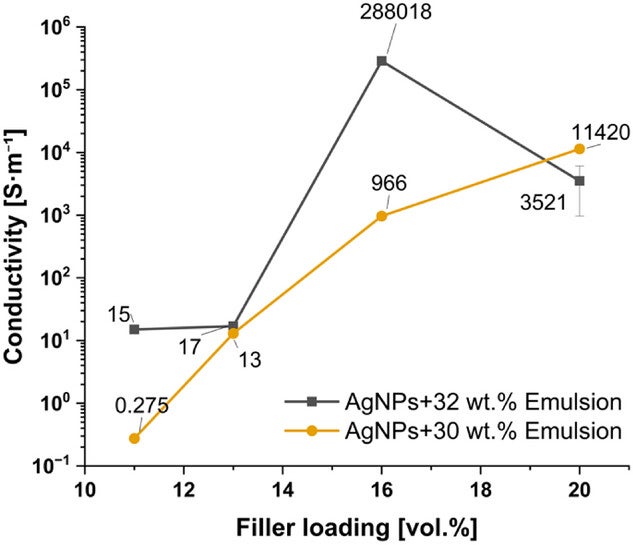
The adhesive reached electrical conductivity levels up to 2.88 × 10⁵ S m⁻¹. That places it within the same range as many commercially available conductive adhesives currently used in electronics manufacturing.
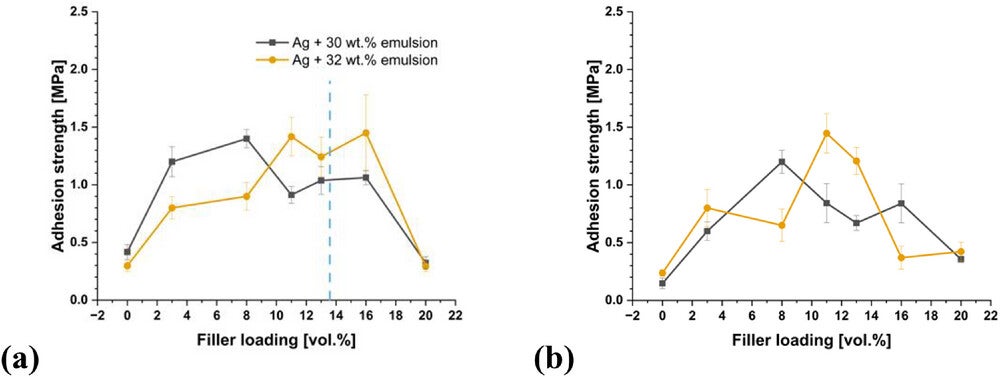
Researchers found the best conductivity occurred when silver particles reached about 16% of the adhesive volume. At this level, the particles formed a continuous conductive network that allowed electricity to move efficiently through the material.
The team also tested graphene nanoplatelets as another conductive filler. Graphene showed promising results, though silver delivered stronger and more stable electrical performance.
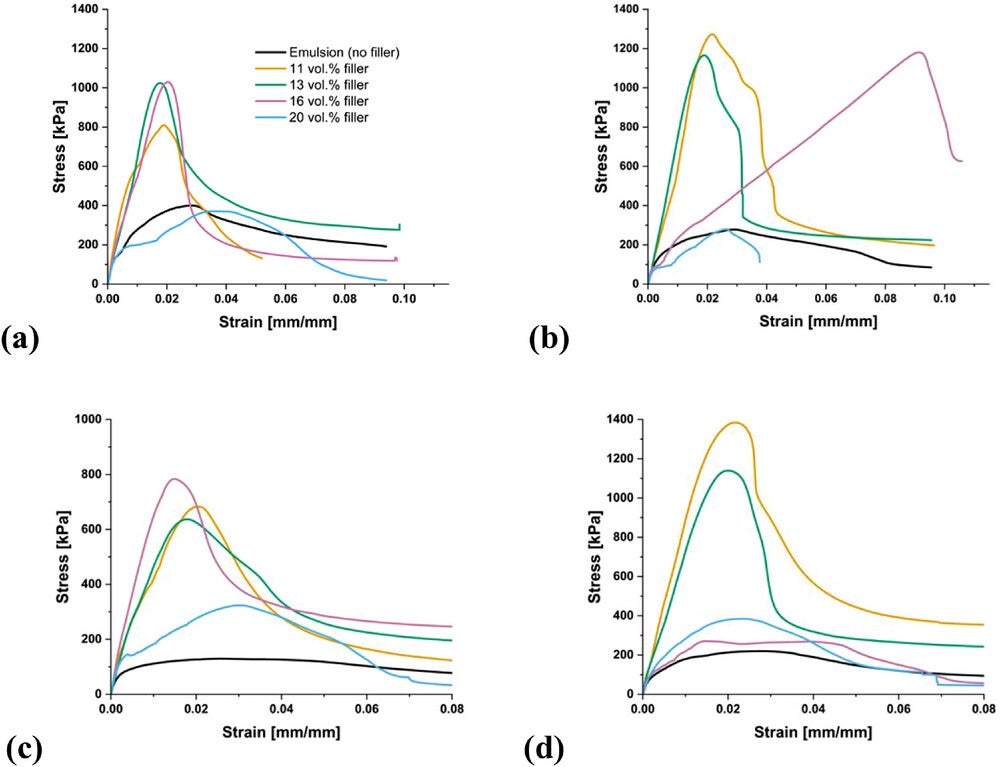
Mechanical tests also showed encouraging results. On aluminum surfaces, the adhesive reached bond strengths of about 1.75 MPa. On copper, it achieved around 1.6 MPa. Those values match many existing water-based adhesives used in electronics.
The adhesive bonded well not only to metals but also to plastics and printed circuit boards. That flexibility could make it useful across a wide range of electronic products.
The key breakthrough came during debonding tests. Researchers wanted to prove the adhesive could separate quickly without damaging the underlying materials.
When bonded samples were placed in alkaline solutions at high temperature, many separated within five to 30 minutes. Graphene-filled versions debonded even faster in some cases.
The team also tested acetone as a greener and simpler option. Copper samples separated in about five minutes at room temperature. Aluminum samples detached in roughly 25 minutes.
Importantly, the metal surfaces remained largely intact after separation. Conductivity measurements showed little damage to the electronic components themselves.
“One of the reasons that conducting glues are rarely used is because silver is expensive and toxic in the environment,” said Professor Mark Geoghegan, lead investigator on the project. “Being reversible, our glue means that the silver can be recovered and reused, which is important to keep costs down and the environment clean.”
For decades, solder has dominated electronics manufacturing because of its strong conductivity and durability. Traditional solder formulations often contained lead, though many industries now use lead-free versions due to health concerns.
Still, even lead-free solder presents environmental challenges. Once components are permanently soldered together, separating them during recycling becomes difficult and expensive.
Professor Volker Pickert said the new technology offers industries an opportunity to rethink how electronic systems are assembled.
“Solder has the best conductivity, but the best formulations contain lead and now companies need to ask themselves whether the conductivity outweighs environmental considerations,” Pickert said. “In some cases, it will, but there is an opportunity here to revisit how we join electrical components.”
Because the adhesive works within existing industrial manufacturing systems, researchers believe scaling it up could happen relatively easily. The material uses inexpensive ingredients and follows production methods already common in paint manufacturing.
The researchers see the technology as part of a broader shift toward repairable and reusable electronics. If devices become easier to disassemble, companies may recover more materials and reduce dependence on mining new resources.
This matters because many electronic components contain minerals sourced from politically unstable regions. Recovering those materials through recycling could improve supply security while lowering environmental damage.
Dr. Adriana Sierra-Romero, a co-author of the study, said the technology may support future repairable electronics systems.
“Alongside the article, the publication of our patent highlights the broader potential of this technology to enable more sustainable, repairable, and reusable electronic systems,” she said.
The researchers also emphasized that sustainability efforts remain critical even as global political priorities shift.
“As international policy focus shifts away from sustainability, we remain committed to advancing critical solutions for the unsustainable use of resources,” said Professor Katarina Novakovic.
This reversible conductive glue could make electronic recycling faster, safer and more efficient. Manufacturers may eventually use adhesives that allow valuable materials such as silver and circuit boards to be recovered without damaging components.
The technology could also support a more circular economy for electronics. Devices may become easier to repair, upgrade and disassemble instead of being discarded entirely. This could reduce pressure on landfills and decrease demand for newly mined metals.
For industries, the adhesive offers a potential alternative to permanent soldering methods while maintaining strong electrical performance. For researchers, the work opens new possibilities for sustainable materials engineering and environmentally friendly manufacturing.
If widely adopted, reversible conductive adhesives may help reduce the massive global burden of electronic waste while supporting cleaner and more responsible electronics production.
Research findings are available online in the journal Advanced Electronic Materials.
The original story “New reversible conductive glue could revolutionize electronic recycling” is published in The Brighter Side of News.
Like these kind of feel good stories? Get The Brighter Side of News’ newsletter.
The post New reversible conductive glue could revolutionize electronic recycling appeared first on The Brighter Side of News.


Leave a comment
You must be logged in to post a comment.