Researchers at Imperial College London and Kyushu Sangyo University have found that classic video games such as Super Mario Bros. and Yoshi may offer more than simple entertainment for young adults. According to a new study published in JMIR Serious Games, these games can spark childlike wonder, increase happiness, and lower the risk of burnout among university students.
The mixed-methods study examined how lighthearted, familiar games affect emotional well-being during a life stage marked by stress and uncertainty. The research focused on young adults navigating academic pressure, financial strain, and constant digital demands. The findings suggest that playful gaming experiences can act as small but meaningful emotional resets.
The study was led by Andreas B Eisingerich, who explored how everyday play connects to mental health. “This study suggests that the path to combating burnout in young adults may lie not just in traditional wellness but also in reclaiming joy. Games like Super Mario Bros. and Yoshi may offer a potent antidote to the cynicism and fatigue characteristic of burnout,” Eisingerich says.
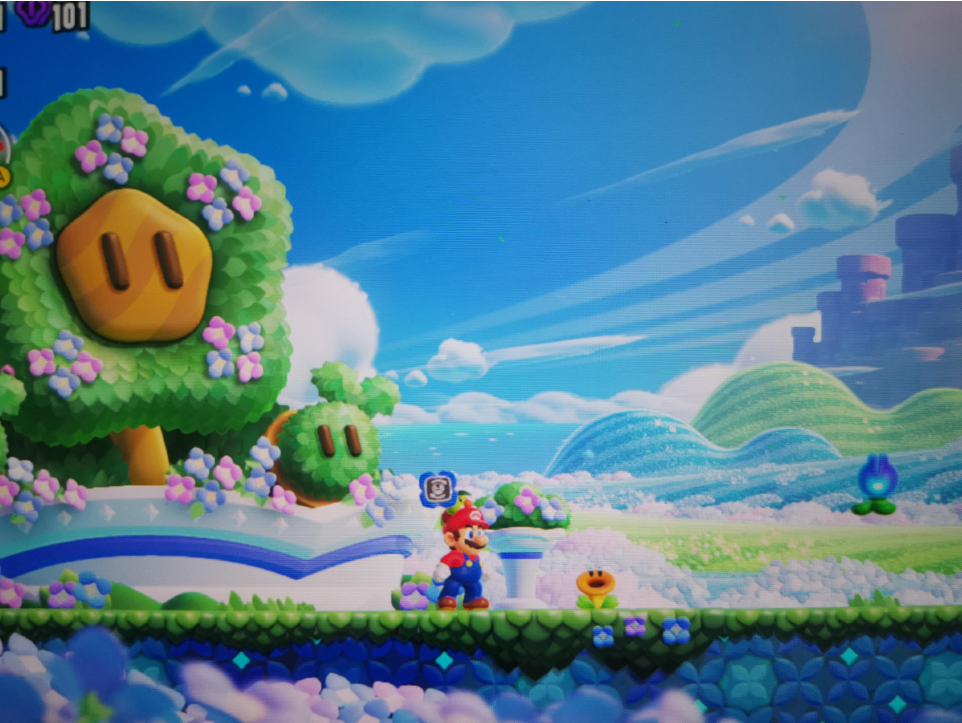
Rather than framing video games as distractions, the research treats them as accessible spaces where emotional recovery can begin.
Young adulthood often unfolds under intense pressure. Rising housing costs, expensive tuition, and long-term student debt make the future feel uncertain. Many young people struggle to reach traditional milestones such as stable careers or home ownership. These challenges can fuel frustration and a sense that the system is unfair.
Psychologists describe this period as emerging adulthood, which usually spans the late teens and twenties. It is a time of identity exploration and frequent instability. It is also when many mental health conditions first appear. Anxiety often surfaces early, while mood disorders such as depression may develop later.
Academic and career competition add another layer of strain. Students often feel pushed to excel at all times. Grades, internships, and résumés can seem to define self-worth. At the same time, social media keeps young adults plugged into constant comparison and bad news, making it harder to disconnect and rest.
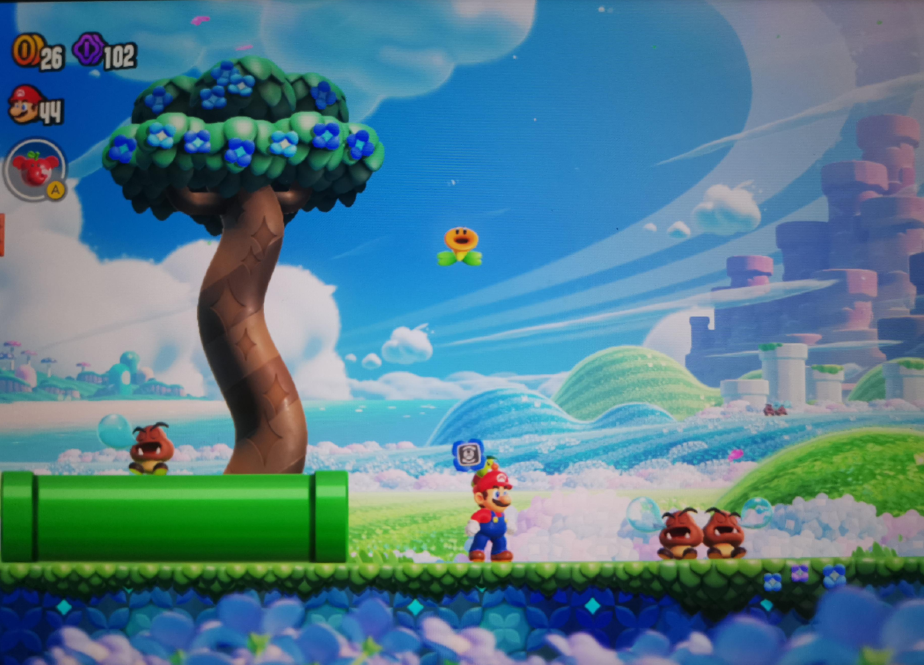
Against this backdrop, the researchers asked whether familiar video games could offer relief. Super Mario Bros. and Yoshi games place players in bright, predictable worlds filled with simple goals and cheerful characters. The rules are clear, the stakes are low, and mistakes carry no real-world cost.
Playing these games requires focus. Timing jumps and solving simple puzzles pulls attention away from worries about exams or finances. For a short time, players step into a space where effort leads to clear rewards.
The visual style plays a key role. Mario games use vibrant colors and upbeat music. Yoshi titles often feature handcrafted designs made to look like yarn or cardboard. Many players associate these elements with childhood creativity and safety.
“A central concept in the study is childlike wonder, defined as a sense of curiosity, openness, and delight toward ordinary experiences. During interviews, students often described feeling like children again while playing. They spoke to us about noticing small details and feeling less cynical,” Eisingerich said to The Brighter Side of News.
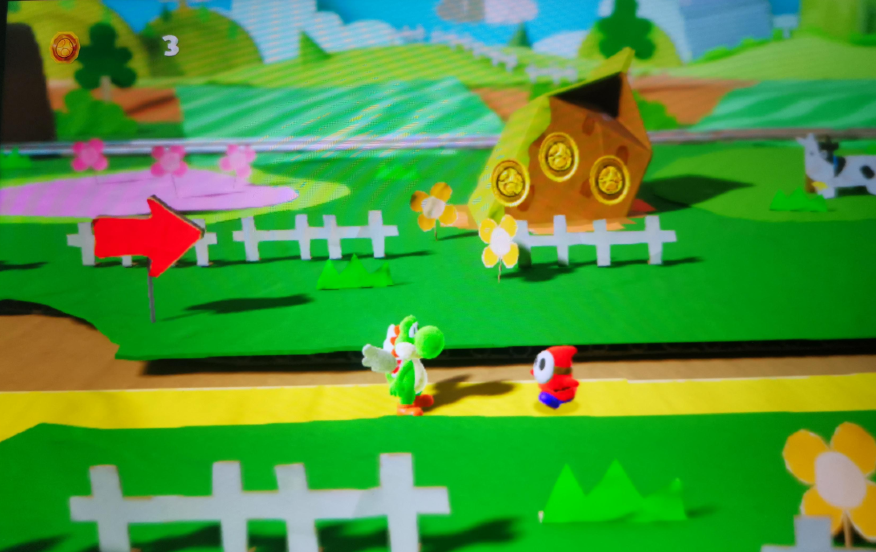
“Some participants said the games reminded them to appreciate nature. Cheerful landscapes filled with clouds, trees, and sky helped them notice similar details in real life. One student described finishing a game and suddenly paying attention to the moon outside,” he continued.
The first part of the study involved in-depth interviews with 41 full-time university students. The average age was 22.5 years. Interviews lasted up to 40 minutes and took place in a campus cafeteria. All participants had experience with at least one Mario or Yoshi game.
The second part of the research used a survey completed by 336 students. Participants rated burnout risk, happiness, and childlike wonder related to gameplay. The results showed a clear pattern. Students who felt more wonder while playing reported higher happiness. Happier students showed lower burnout risk.
Statistical analysis revealed that happiness fully explained the link between wonder and reduced burnout. In other words, the sense of joy sparked by gameplay increased happiness, which then lowered burnout risk. Gender did not significantly affect the results.

These findings suggest that simple, joyful play can support emotional resilience when used in moderation.
This research highlights how familiar games may support mental well-being without demanding major lifestyle changes. For students and young adults with limited time or resources, short periods of playful gaming could offer emotional relief.
The findings may also guide future research into digital wellness tools. Developers, educators, and mental health researchers could explore how low-pressure digital spaces support happiness and recovery from stress. While games are not a cure for burnout or structural problems, they may help individuals cope more effectively.
Research findings are available online in the journal JMIR Serious Games.
Like these kind of feel good stories? Get The Brighter Side of News’ newsletter.
The post New study links classic video game play to increased happiness appeared first on The Brighter Side of News.

