A new kind of supercomputer is now running at Sandia National Laboratories, and it does not look like the giants that usually grab headlines. It is smaller, experimental and built around an idea that challenges how you think computers should work. Instead of treating every task the same, this machine tries to decide which work matters most, moment by moment.
The prototype system, called Spectra, was created through a partnership between Sandia and the tech company NextSilicon. It is the first supercomputer to use a new type of processor designed to adapt on the fly. Engineers hope it will handle demanding calculations faster while using far less energy.
Spectra carries 128 of NextSilicon’s Maverick-2 accelerators, special chips built to analyze software as it runs. Each chip looks at the code and ranks what should go first. Most processors, including common CPUs and GPUs, treat information in a flat way. They work through tasks in set orders and follow strict rules. This new design aims to be flexible.
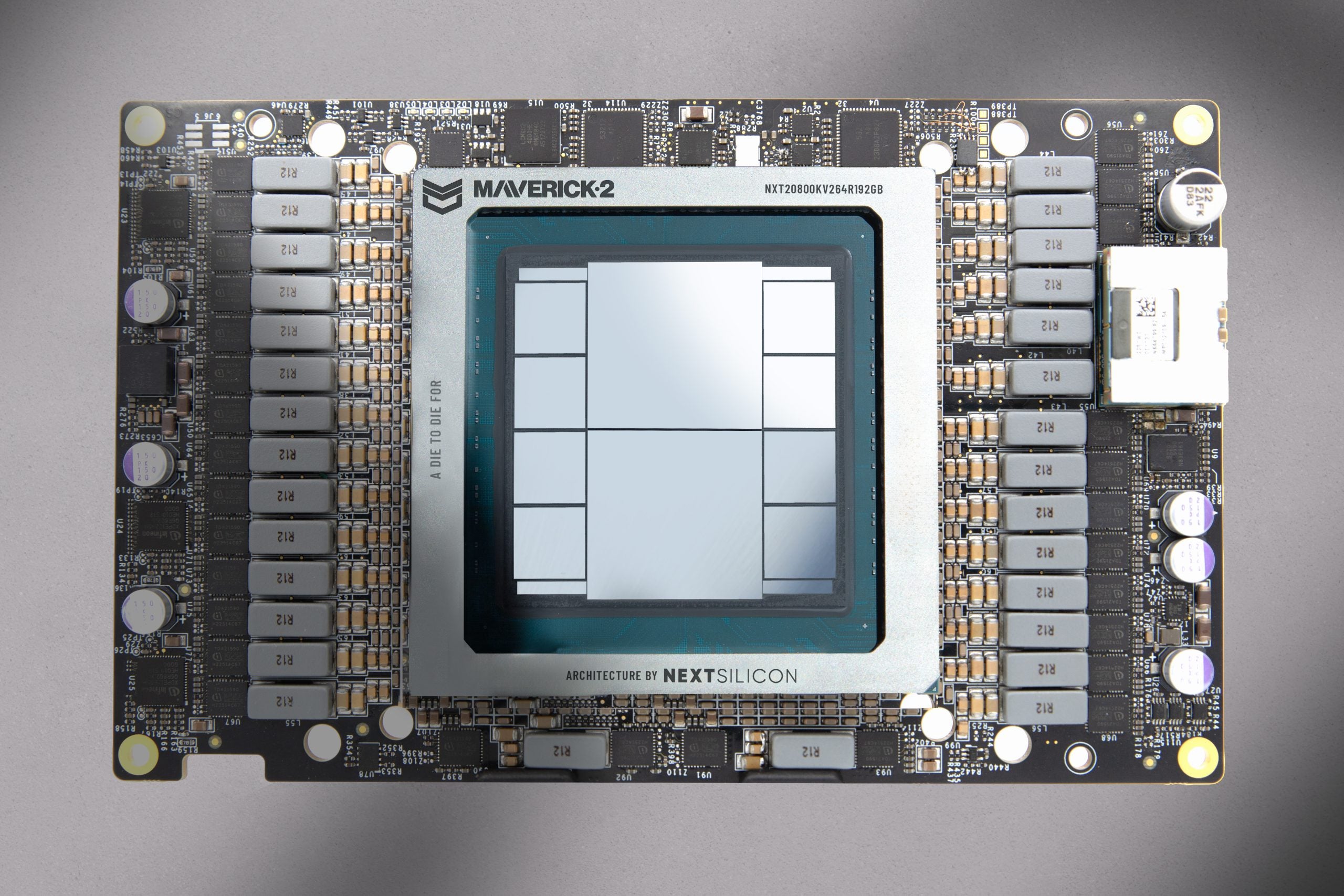
You are seeing a shift not in size, but in philosophy. The goal is not just more power, but better judgment inside the machine itself. If it works at scale, future supercomputers could be built around fewer chips that consume less electricity but solve problems faster.
The effort is tied to the Advanced Simulation and Computing program run by the National Nuclear Security Administration. That program supports simulations that help ensure the safety and reliability of the nation’s nuclear stockpile without underground testing. Those models demand precise calculations and vast computing power.
Sandia is leading a group that includes Lawrence Livermore and Los Alamos national laboratories. Together, they will push the system to see how well it handles sensitive workloads, including tough fluid motion problems used in weapons research.
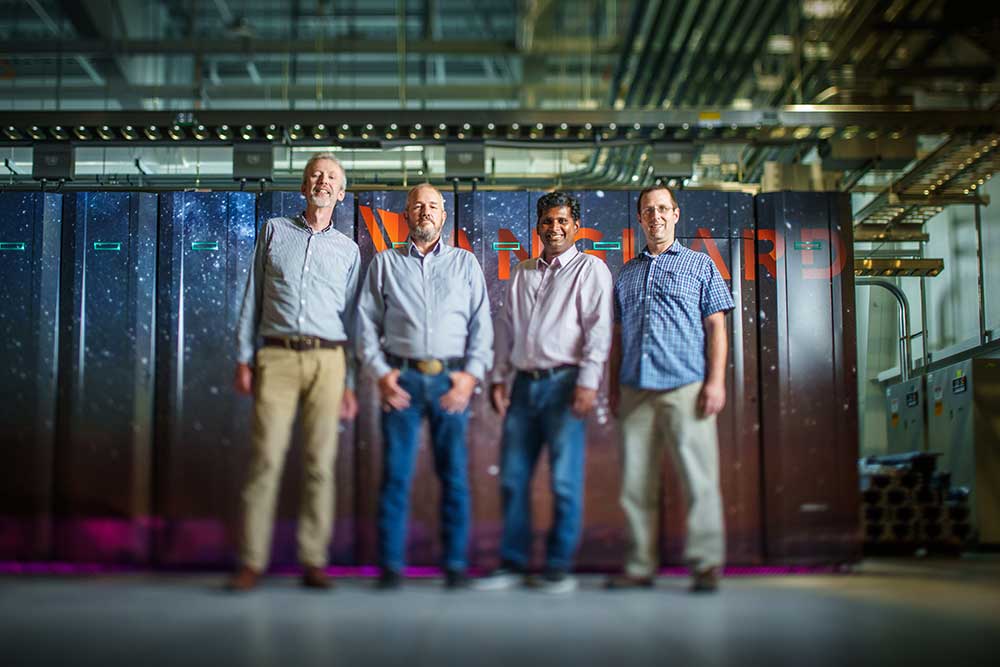
“We have deployed a first-of-its-kind computing capability,” said James Laros, a senior scientist at Sandia and the project leader. He credited teamwork between the lab and the company for turning an idea into running hardware.
If the system performs well, it could guide how future machines for national security are designed. Officials want answers about speed, accuracy and reliability. They also care about power use. Energy costs now shape what kind of machines labs can afford to operate.
The promise is a computer that does more with less. That could let you run more tests, explore more scenarios and reach results sooner.
Spectra is part of Sandia’s Vanguard program, which tests new technologies before adopting them widely. The program asks a simple question. Can a new idea work under real pressure?
The first Vanguard system, called Astra, arrived in 2018. It became the fastest computer of its kind to use Arm processors. Those chips were once meant for phones and cars, not huge labs. At the time, many experts doubted they could handle scientific workloads.
“While it seems obvious today that Arm-based processors can handle demanding workloads, at the time of Astra’s deployment the software stacks, compilers and libraries were untested and lacked necessary optimizations for production environments,” said Simon Hammond, who directs advanced computing programs for the agency.
Astra proved those doubts wrong. It also helped other labs adopt similar designs. Los Alamos followed with its Venado system in 2024, which included Arm processors in a full-scale machine.
Now Spectra takes on a new gamble. Instead of swapping one processor line for another, it shifts how the chips think about work itself. The system is less rigid and more reactive.
NextSilicon says its design brings speed without forcing scientists to rebuild their software. That promise matters. Porting code to new machines often takes months or years.
“Breakthrough scientific discoveries require breakthrough computing architectures,” said Elad Raz, the company’s chief executive. “We built Maverick-2 because when researchers wait hours for simulations that could unlock major breakthroughs, the bottleneck is computing efficiency.”
Raz said programs should see major speed gains while using about half the power. He also said users will not need to rewrite applications to benefit.
Sandia will test that claim. On day one, the system can run standard tools used across the labs. Those include the HPCG benchmark, the LAMMPS molecular dynamics program and the SPARTA code for modeling thin gases.
If those programs run well, it signals that the design could scale. It also means scientists can focus more on questions than on software issues.
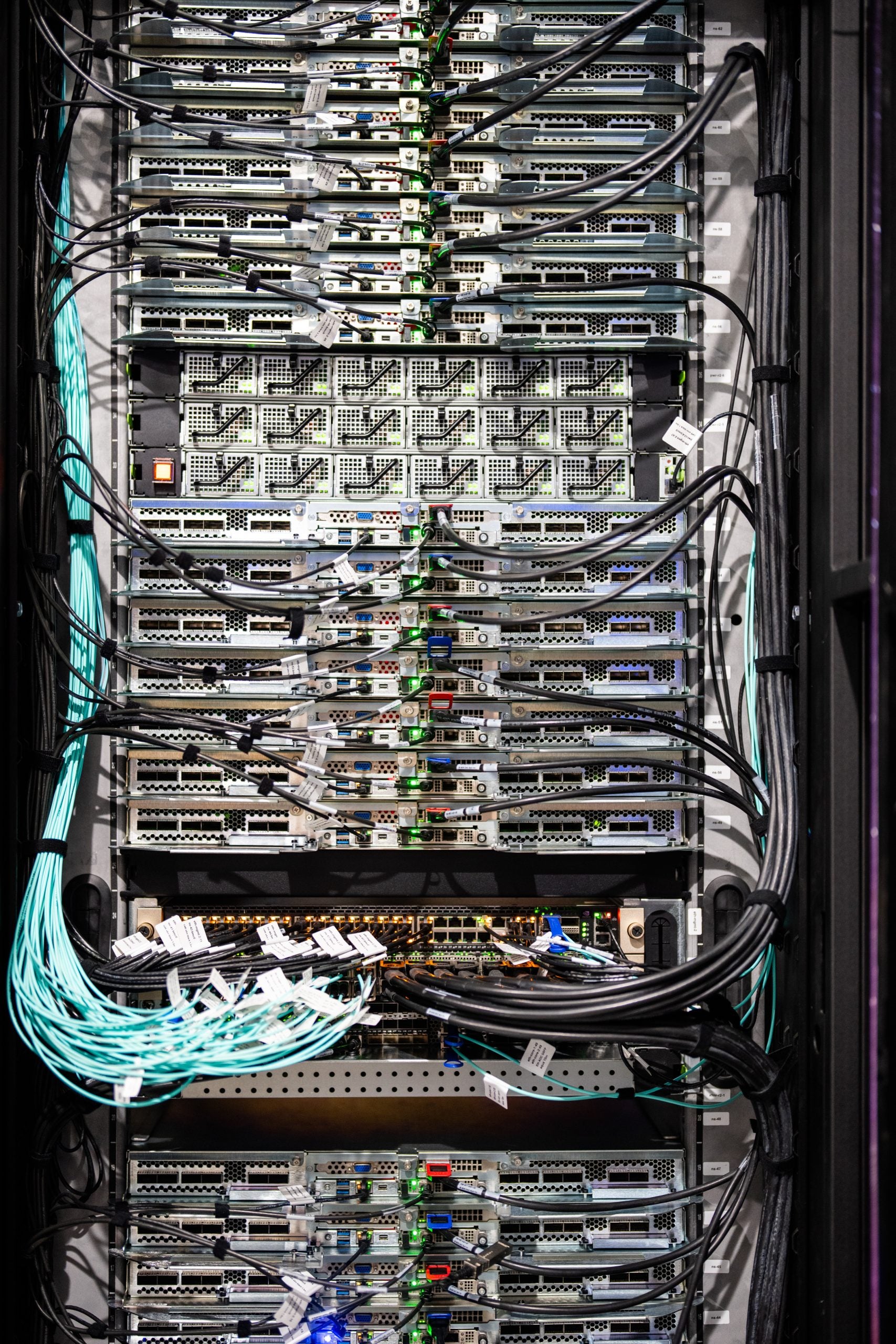
Spectra was installed by Penguin Solutions, which built room for expansion into the system. The company designed servers that can hold up to four of the new accelerator modules. This version uses two, leaving space to add more.
“We engineered a system with aggressive capabilities so that Sandia could fully explore the entire envelope of power and performance of the chips over time,” said Phil Pokorny, the company’s chief technology officer. He said the design lets the lab increase capacity without rebuilding the machine.
Cooling and power supply are handled through special systems that manage heat with liquid flows and control electricity use closely. Penguin adapted those tools to fit Sandia’s data center.
Pokorny said working on an untested design brought rare challenges and rewards. For engineers, it was a chance to help launch something new.
For researchers, the value lies in what comes next. They will measure how stable the system stays under load. They will track errors, power draw and speed. They will compare results to older machines.
If Spectra falls short, its lessons will still shape future designs. If it succeeds, it could push supercomputing toward smaller, smarter systems.
The machine stands as a trial run for a future where advances come from clever design as much as from raw size. Instead of stacking more chips, engineers may teach machines to decide better.
Like these kind of feel good stories? Get The Brighter Side of News’ newsletter.
The post Revolutionary supercomputer uses adaptive chips to boost speed and cut power appeared first on The Brighter Side of News.

