Memories rarely arrive as an unbroken stream. The brain quietly divides life into segments: entering a room, starting a conversation, or watching a new scene unfold. Each shift creates a mental boundary, separating one experience from the next.
Scientists increasingly believe those boundaries shape how well people remember events, especially as they age.
A research team led by Audrey Duarte, a cognitive neuroscientist at the University of Texas at Austin, has explored whether strengthening those natural divisions might improve memory. Their study introduces a simple method called “event tagging,” which asks people to briefly summarize what just happened using a few keywords.
The approach may sound trivial. Yet the findings suggest those short pauses can sharpen recall of recent experiences, including among older adults who often experience declines in episodic memory.
Episodic memory refers to the ability to remember personal events, from conversations to moments in a film. These memories guide daily routines, helping people recall appointments, instructions, and social interactions.
But episodic memory often weakens with age, and researchers have long tried to understand why.
Neuroscientists once treated cognitive aging as a single trajectory, a gradual downward slope shared by everyone. That idea has steadily fallen apart.
“Back in the day, we were really looking at age as young versus old, but when we would look at our data, two 70-year-olds could be incredibly different,” said Duarte.
Those differences extend across health, disease risk, and cognitive performance. As a result, researchers increasingly view aging as the outcome of many interacting factors rather than a single biological clock.
Randy McIntosh of Simon Fraser University describes that shift bluntly.
“We need to appreciate that how people age is as much a biological process as it is a social process,” he said. “It means there is no single molecule or a single protein that is a biomarker of healthy brain aging.”
Instead, he argues, brain resilience reflects an intersection of biology, environment, and culture.
New studies presented at the Cognitive Neuroscience Society meeting in Vancouver show how wide that lens has become. Researchers are now examining sleep patterns, vascular health, lifestyle habits, and even social factors such as religiosity alongside traditional brain imaging data.
These efforts are also widening who participates in neuroscience studies. Duarte’s team, for example, is conducting a five-year multisite project involving roughly 330 participants between ages 18 and 75 from diverse racial and ethnic backgrounds.
Early findings from that work suggest even minimal levels of depression may contribute to executive dysfunction that later affects memory performance.
Karen Campbell of Brock University came to aging research through a personal observation.
Her grandmother retained vivid memories late into life, recalling childhood in Poland, surviving Auschwitz during World War II, and later immigrating to Canada.
“That sparked my fascination with aging and memory and what makes some people resilient to age-related declines in the face of trauma,” Campbell said.
During her doctoral research, she noticed something odd. Laboratory memory tasks rarely resembled the way people use memory in daily life.
Participants often memorize lists of words or pictures and then attempt to recall them on command. Real life works differently. People rely heavily on context and knowledge of situations, allowing memories to surface without deliberate effort.
That gap led Campbell to study memory under more natural conditions.
One approach involves having participants watch films or read stories while researchers track how they perceive events unfolding over time.
In earlier work, Campbell’s group found that younger and older adults show more similar brain activity during natural viewing than many lab studies suggest.
“Most older people are functioning just fine in everyday life,” Campbell said, particularly when they rely on knowledge and experience accumulated over decades.
The new study examined whether reinforcing event boundaries could improve recall.
Researchers recruited 377 participants through an online platform. The sample included 181 younger adults with an average age of 25.5 and 196 older adults averaging 65.1. All participants lived in the United Kingdom and spoke English as their first language.
Participants watched a 23-minute segment from the BBC television series Sherlock. The film was divided into 26 scenes ranging from 12 seconds to just over three minutes.
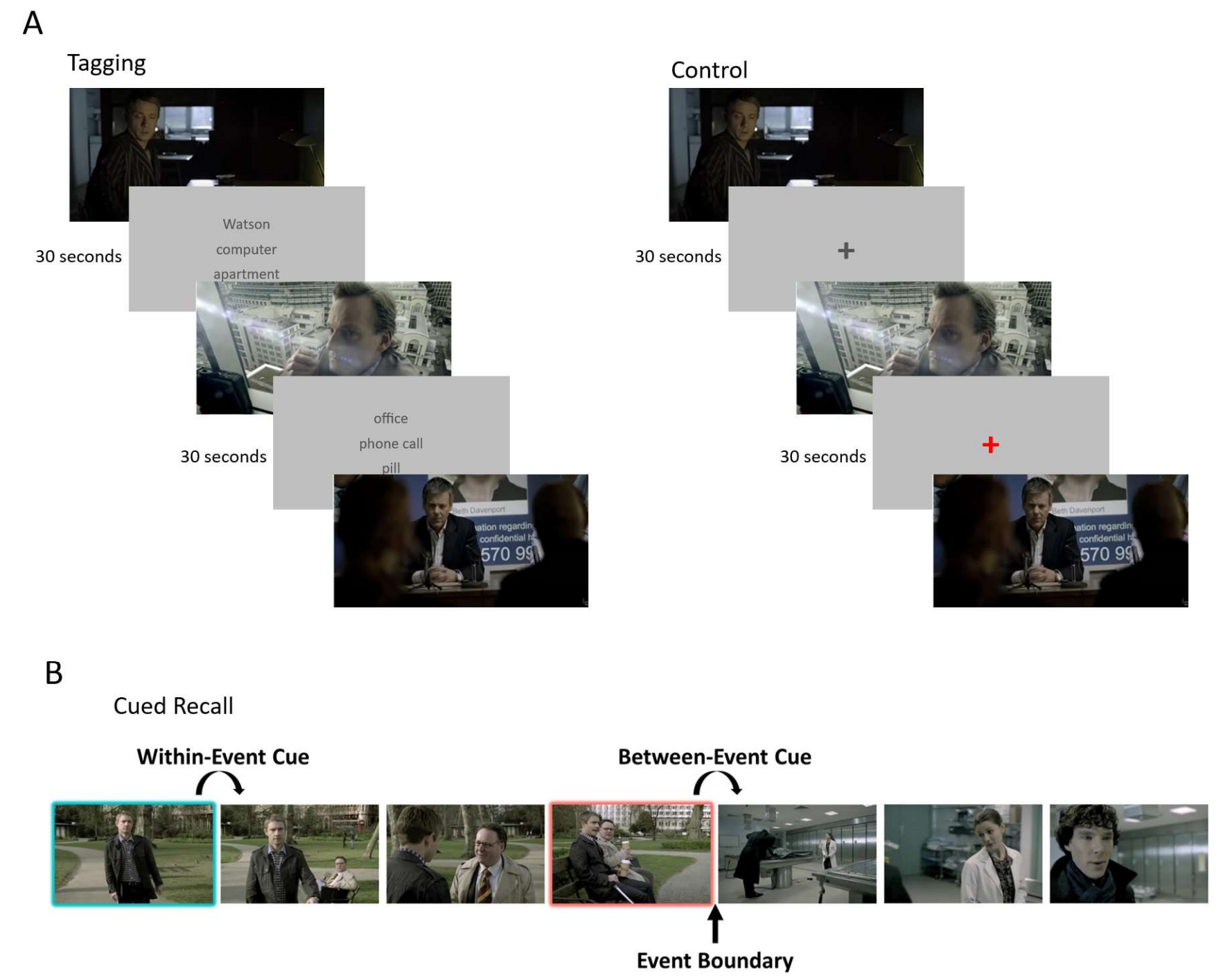
Some sections played continuously. Others paused briefly after each scene.
During those pauses, viewers either completed the event-tagging task or performed a control activity involving a fixation cross that changed color.
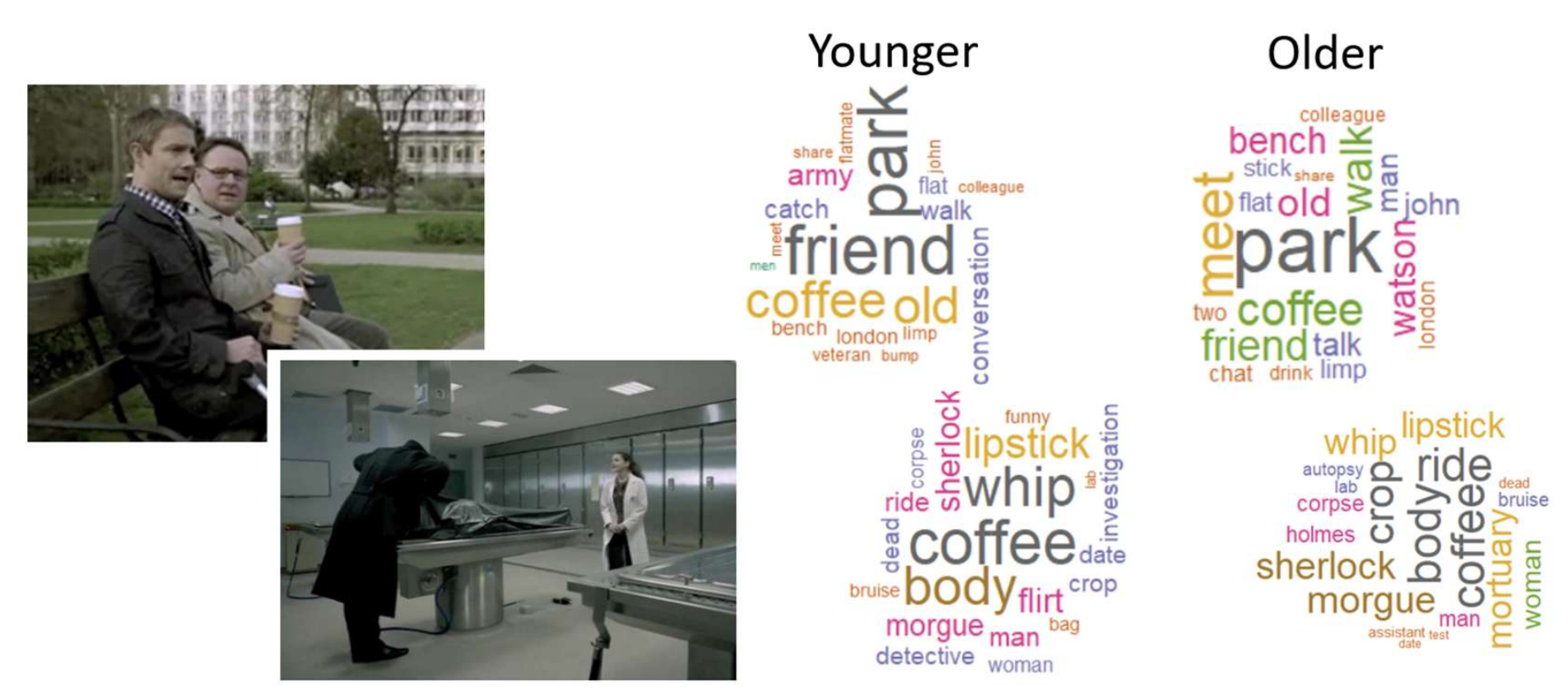
Those in the tagging group generated several keywords describing the scene they had just watched, such as “dog,” “park,” or “playful.”
After viewing the film, participants completed a short working-memory exercise followed by a cued recall test. They watched short clips from either the middle or the end of scenes and described what happened next.
People who generated keywords remembered more details than those in the control or continuous viewing conditions.
The advantage appeared strongest when participants were asked about events within the same scene. Tagging strengthened links among details belonging to a single event.
The technique did not significantly improve recall across scene boundaries. Researchers suggest that outcome may reflect healthy memory organization, where distinct events remain separate rather than blending together.
Importantly, both younger and older adults benefited from the strategy.
A second test conducted 24 hours later produced more mixed results. Participants recalled more overall event details when scenes had been interrupted by pauses, although tagging itself did not clearly outperform the control task in that delayed recall.
Researchers noted that the first recall test may have strengthened memories for all participants, making differences harder to detect.
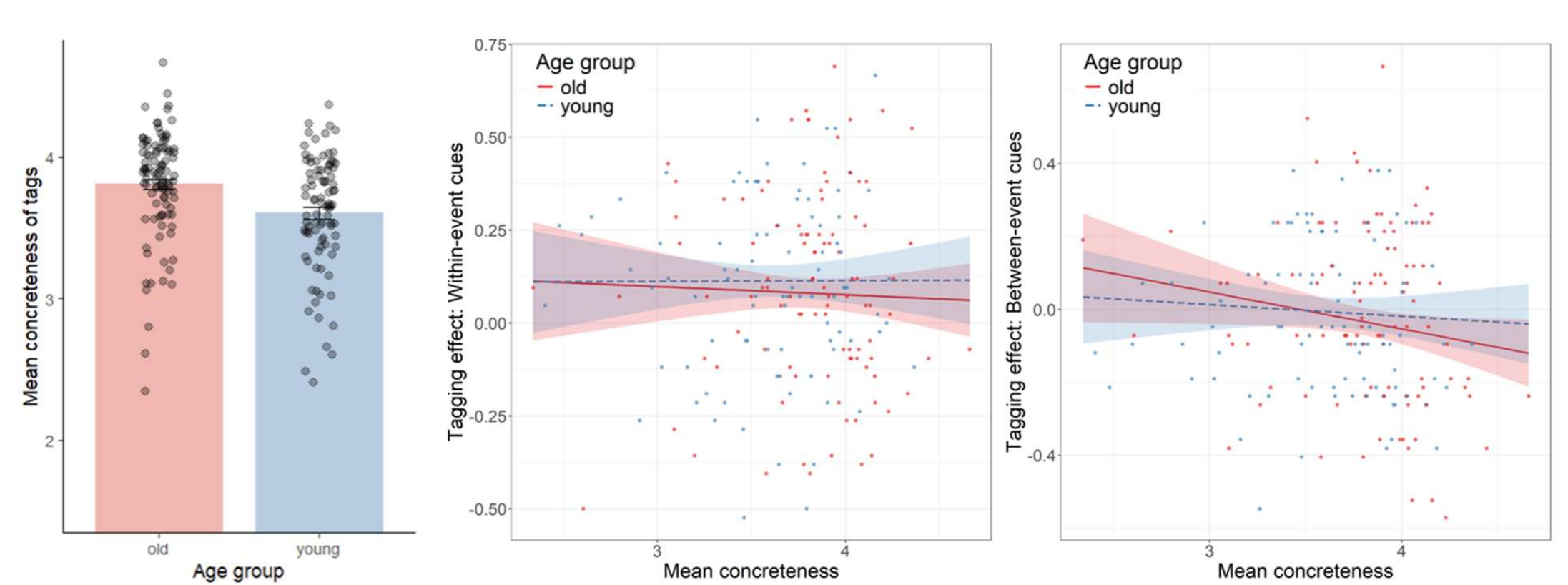
The study also examined the tags themselves. Older adults tended to use slightly more concrete words and produced tags that resembled those of other participants.
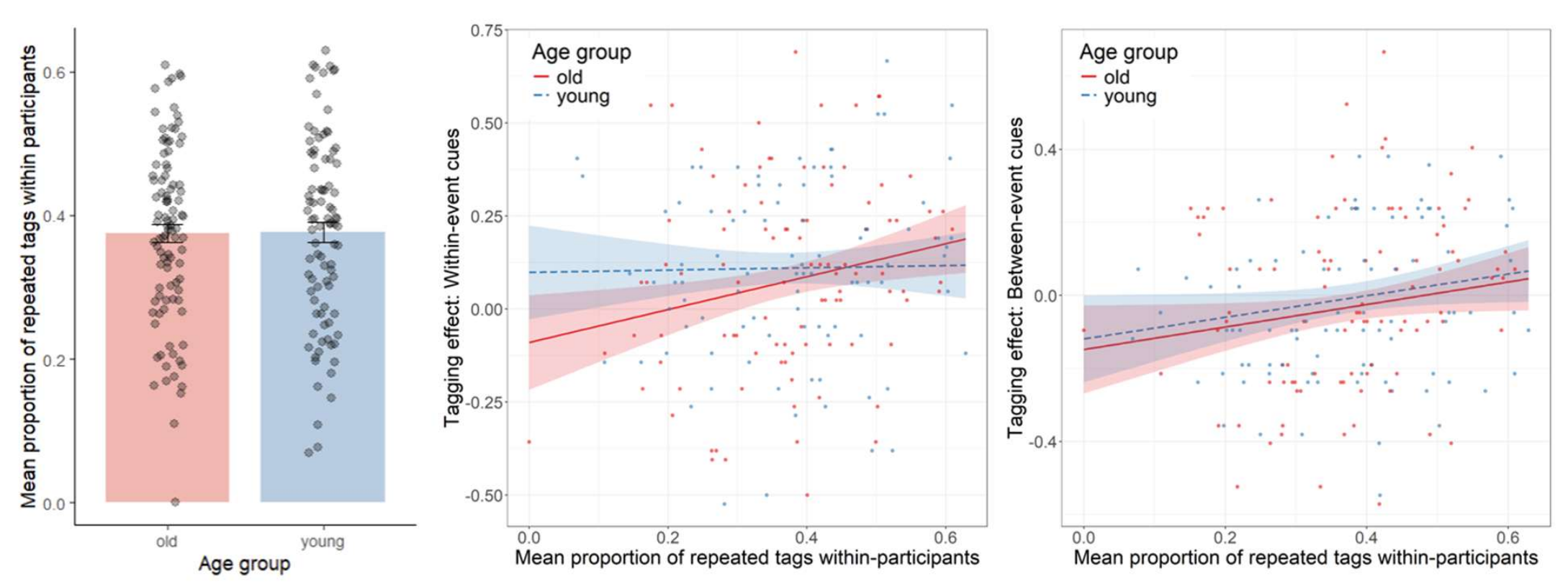
One pattern stood out: people who repeated similar keywords across scenes tended to show stronger memory benefits.
Research findings are available online in the journal PsyArXiv.
The original story “Scientists are creating a much broader picture of the aging brain” is published in The Brighter Side of News.
Like these kind of feel good stories? Get The Brighter Side of News’ newsletter.
The post Scientists are creating a much broader picture of the aging brain appeared first on The Brighter Side of News.

