The human brain can do many amazing things, but self-repair is not one of its repertoire of abilities. Once neurons die—from trauma, stroke, or disease—they rarely grow back. Scientists have been searching for ways to stimulate regeneration for years.
Now, researchers at the University of Barcelona say they have found a promising solution: using stem cell therapy in combination with a natural brain chemical that strengthens nerve connections.
The molecule is brain-derived neurotrophic factor, or BDNF, a protein that your brain already makes in small amounts. BDNF helps nerve cells survive, mature, and tune their connections. Previous work hinted that the introduction of BDNF might help damaged brains recover, but its safe and continuous delivery into living tissue remained out of reach.
That challenge inspired neuroscientist Daniel Tornero and colleagues at the University of Barcelona’s Institute of Neurosciences. Instead of trying to deliver BDNF into the brain from the outside, they engineered neural stem cells to produce it from the inside out. Their goal was to create “smart” therapeutic cells that not only replace dead neurons but also release their own supply of the nurturing molecule.
The findings demonstrate that BDNF can cause maturation and increase the activity of neurons in a laboratory dish derived from donor skin cells,” Tornero said.
The researchers began with human skin cells and reprogrammed them into induced pluripotent stem cells—cells that have the ability to develop into almost any tissue type. They were then encouraged to become neural precursor cells, the kind that have the potential to develop into new neurons.
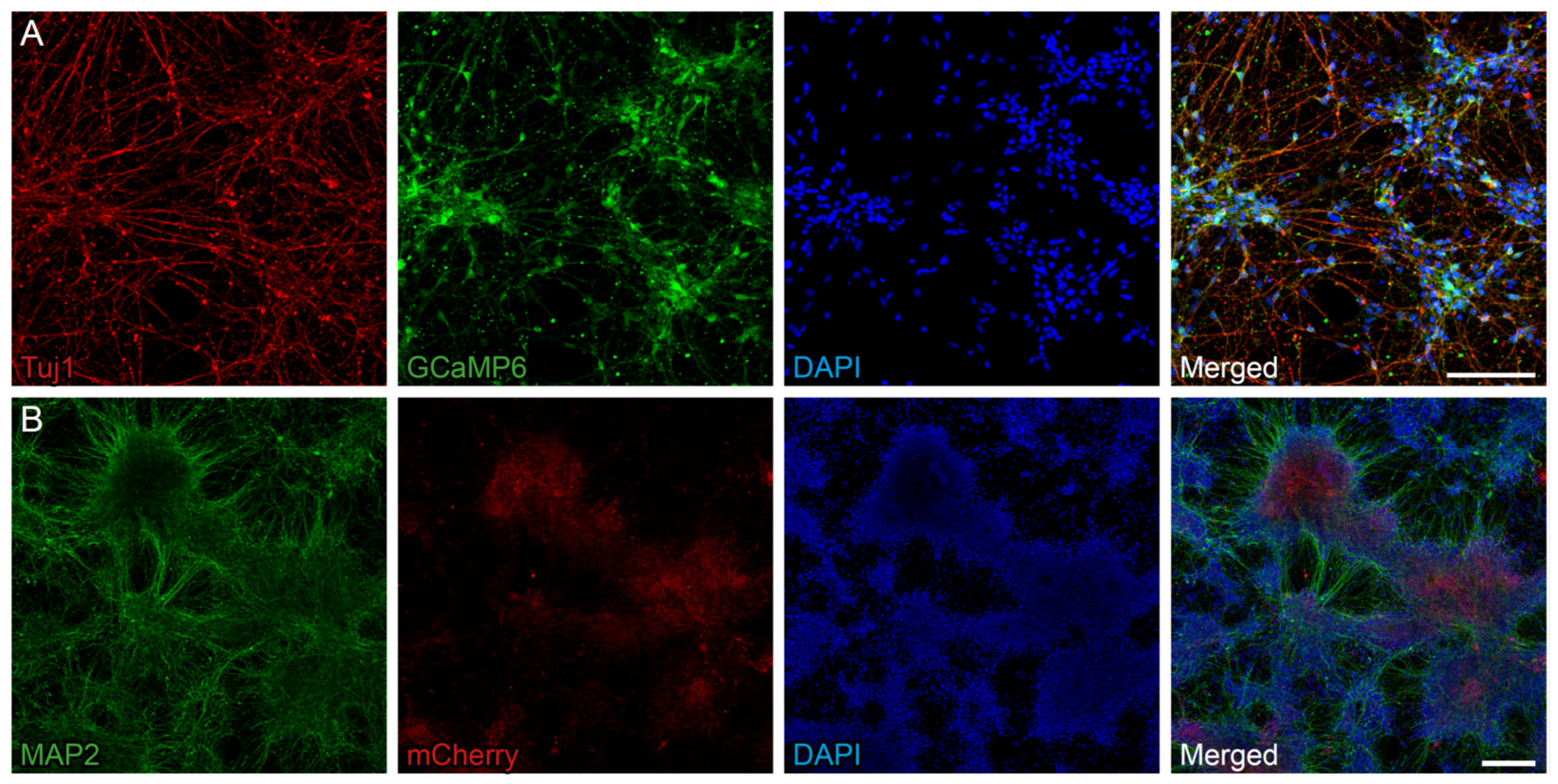
Using a viral carrier that was benign, the scientists inserted a gene that made these cells express BDNF all the time, making it fluorescent so they could track its presence. A second set of cells was left alone to act as a control.
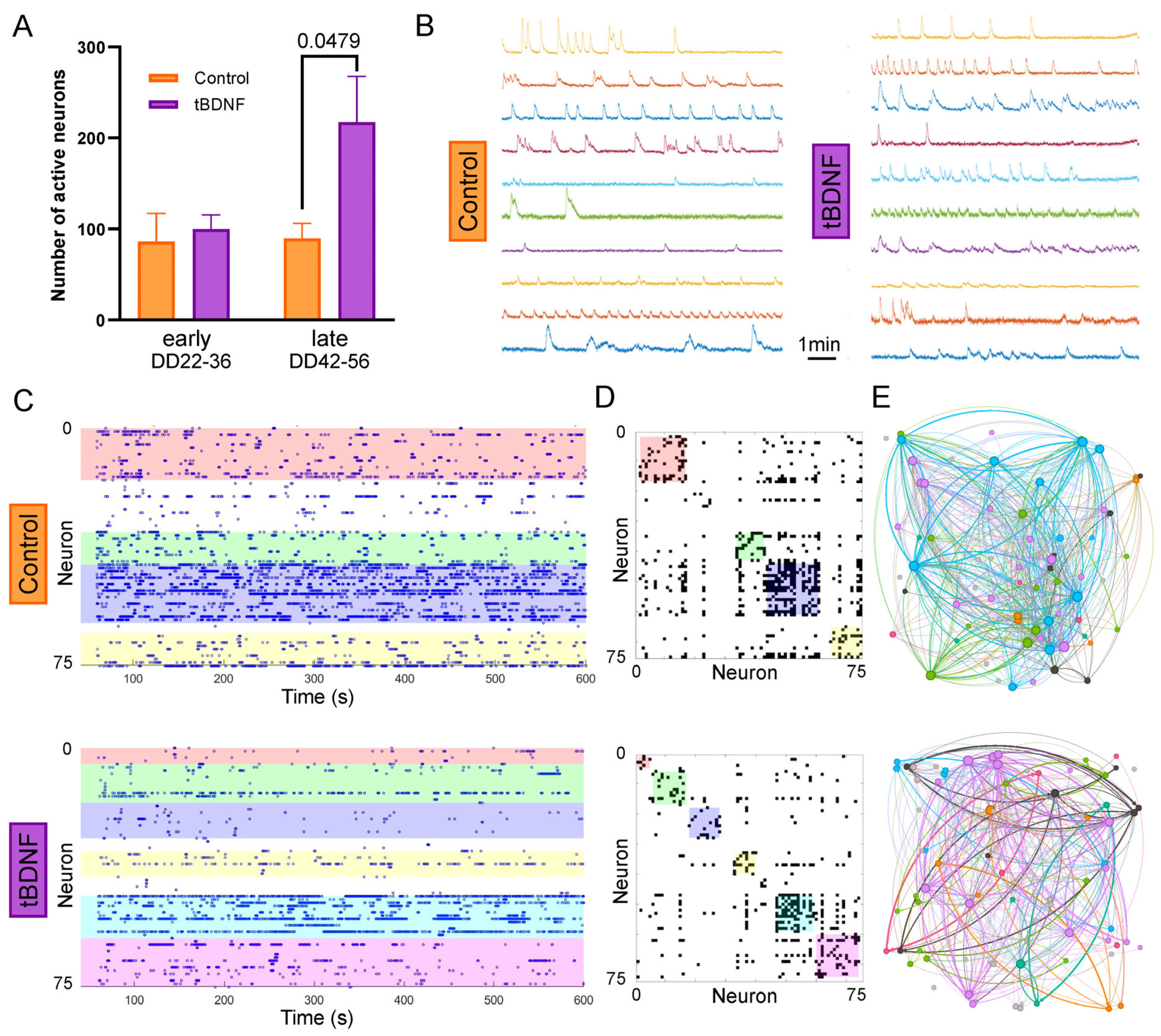
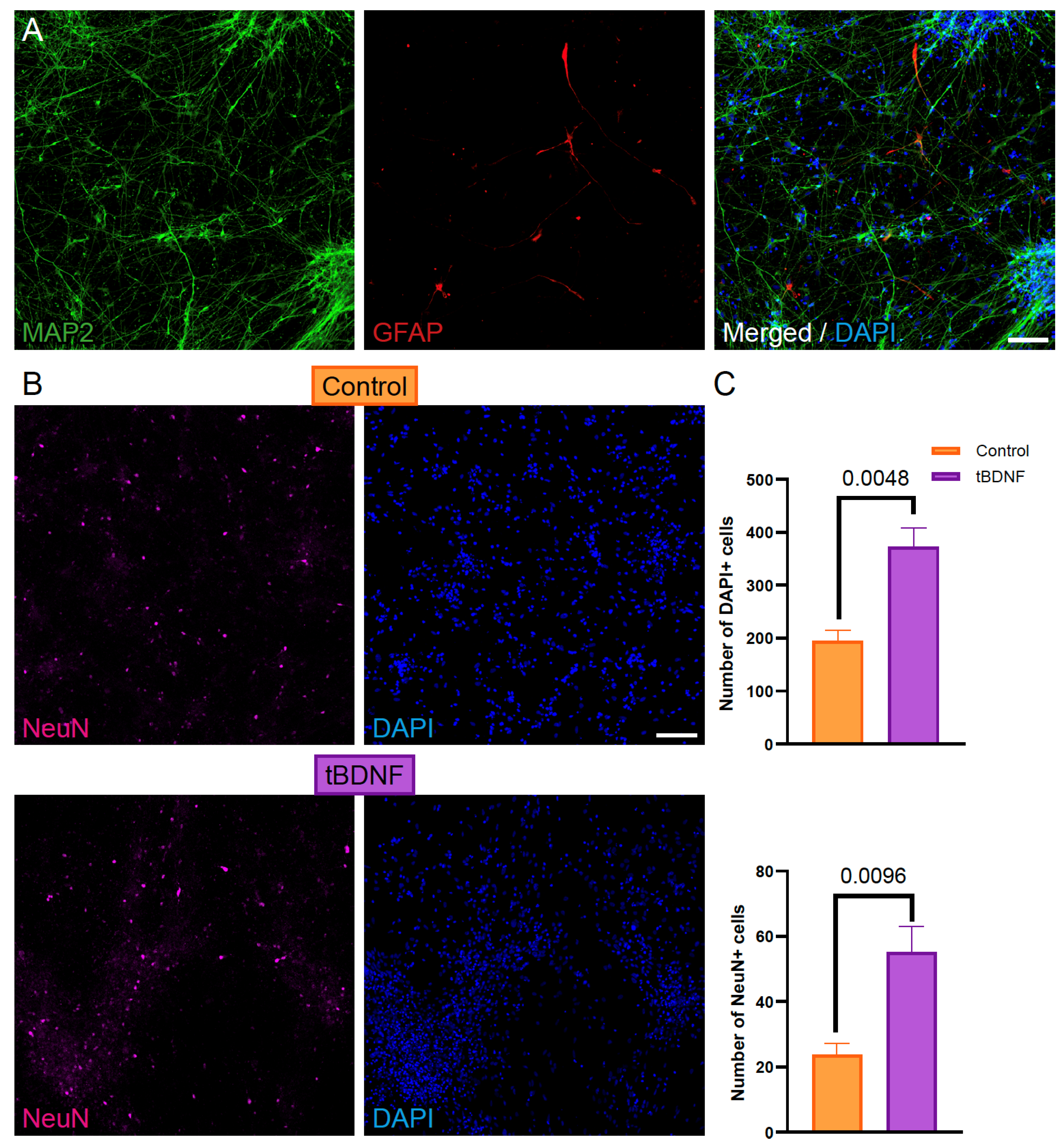
As the two sets of cells grew in the lab for eight weeks, the difference was striking. The BDNF-enriched cultures spawned more mature neurons and had more spontaneous electrical activity—the kind of firing pattern healthy neurons display. Importantly, this extra activity didn’t disrupt the network. The neural circuits still developed normally, a sign that BDNF strengthened the cells without upsetting their balance.
Neurons do not stand still; they reach out with axon projections that link one cell to another. To see whether BDNF helped guide these projections, the scientists used a minature device made of two chambers with narrow microchannels linking them. On one side, they placed BDNF-secreting cells and on the other, unchanged cells.
By day 30, axons were extending toward the BDNF-rich chamber, as if drawn by a chemical signal. The scientists observed the same effect when they applied BDNF protein externally, proving that the molecule itself was a signal for connecting neurons.
Researcher Alba Ortega explained that this chemo-attraction would be relevant to transplant therapies: “Cells that secrete BDNF are capable of attracting axons—the extensions that allow communication between neurons—more efficiently.”
The discovery is the first time that scientists have demonstrated this guided growth effect with human stem cell-derived neurons on a microfluidic chip. It suggests a potential strategy for directing transplanted neurons to wire themselves correctly into a damaged brain.
Brain disorders and injuries—from Alzheimer’s and Parkinson’s to stroke—remain among medicine’s most stubborn challenges. Because the brain’s own regenerative abilities are so limited, patients often suffer persistent movement, memory, or speech impairments after injury.
The Barcelona team hopes that their finding will lead to better treatments. Neural stem cells that are engineered to secrete BDNF and can be transplanted safely could both survive longer and integrate better and restore brain function. The approach also offers a model for exploring how neurons communicate and recover from disease.
However, the research is early. The experiments were done only in laboratory dishes, not in animals or people. Follow-up studies will determine whether similar effects occur in animal models and, eventually, human trials. The scientists also would like to know how long the cells continue to secrete BDNF and whether longer exposure changes the brain’s circuitry over time.
Despite those hurdles, the results are encouraging. “Although there are many challenges, progress in Parkinson’s clinical trials shows that we are closer than ever to applying these therapies safely in stroke or other neurodegenerative disease patients,” Tornero said.
If future studies confirm these results, this approach holds promise for transforming regenerative medicine. Stem cells programmed to make their own BDNF can aid researchers in creating transplant therapies that integrate smoothly with the brain’s circuitry, improving recovery from injury or disease that annihilates neurons.
These cells might also serve as living tools to study diseases like Alzheimer’s and Parkinson’s, allowing researchers to see how brain circuits rewire themselves. Further in the future, combining stem cell technology with the body’s own repair molecules might push us toward what was once unimaginable: getting the brain to actually mend itself.
Research findings are available online in the International Journal of Molecular Science.
Like these kind of feel good stories? Get The Brighter Side of News’ newsletter.
The post Scientists engineer stem cells that help the brain heal itself appeared first on The Brighter Side of News.

