A quiet warning signal for Crohn’s disease may show up in your blood years before your stomach ever hurts. That is the message from new research out of Sinai Health, where scientists report a blood test that predicted Crohn’s disease in people who still felt healthy. The study suggests your immune system may start reacting to gut bacteria long before doctors can spot the illness with symptoms or scans.
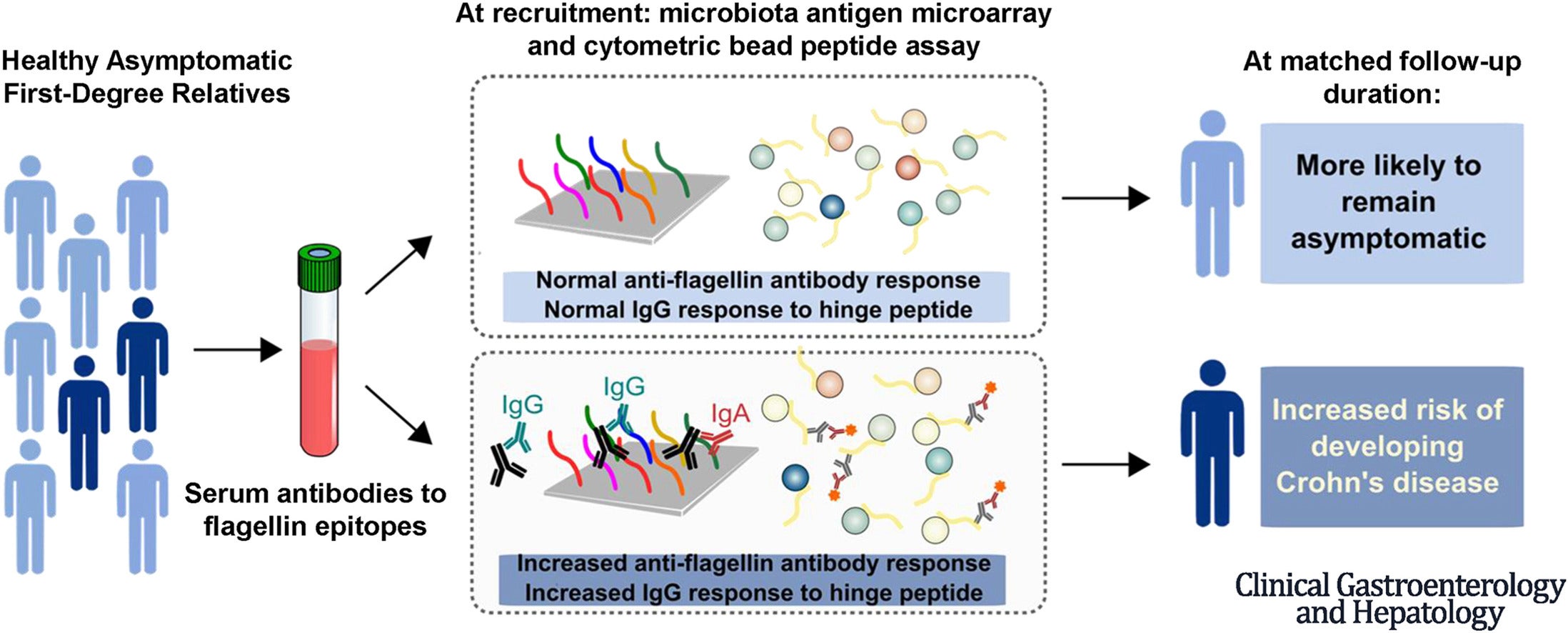
The test measures antibodies, which are immune proteins, that target flagellin. Flagellin is a protein found on certain gut bacteria. In the study, higher antibody levels appeared well before Crohn’s symptoms began. Researchers say this early immune reaction could help doctors identify high-risk people sooner, which may one day make prevention possible.
The work comes from a team led by Dr. Ken Croitoru, a clinician scientist at the Lunenfeld-Tanenbaum Research Institute, part of Sinai Health. The team also included Dr. Richard Wu, a gastrointestinal medical resident, and Dr. Sun-Ho Lee, a clinician scientist and staff gastroenterologist. Croitoru and Lee also work with Mount Sinai Hospital’s Centre for Inflammatory Bowel Disease, a major hub for IBD research.
Crohn’s disease is a chronic inflammatory condition that can affect the gastrointestinal tract. It can bring persistent digestive symptoms, pain, and fatigue. It can also drain your energy and reshape daily life. Even with modern biologic drugs, many patients do not get full relief.
“With all of the advanced biologic therapy we have today, patients’ responses are partial at best. We haven’t cured anybody yet, and we need to do better,” said Croitoru, who holds the Canada Research Chair in Inflammatory Bowel Diseases.
Rates of Crohn’s and related conditions have been climbing. The incidence among children has doubled since 1995, according to the source material. Crohn’s and Colitis Canada estimates about 470,000 Canadians will be living with inflammatory bowel disease by 2035. These numbers help explain why researchers want tools that move care earlier, before inflammation becomes entrenched.
That early window has been hard to study. Most people receive a Crohn’s diagnosis only after symptoms become disruptive. By then, inflammation and tissue damage may already be underway. Sinai Health researchers aimed to find signals that appear during the “pre-disease” stage, when someone feels fine but the immune system may already be shifting.
This research draws on the Genetic, Environmental and Microbial, or GEM, Project. Led by Croitoru, GEM is a global cohort of more than 5,000 healthy first-degree relatives of people with Crohn’s disease. Since 2008, the project has collected genetic, biological, and environmental data to understand how Crohn’s develops.
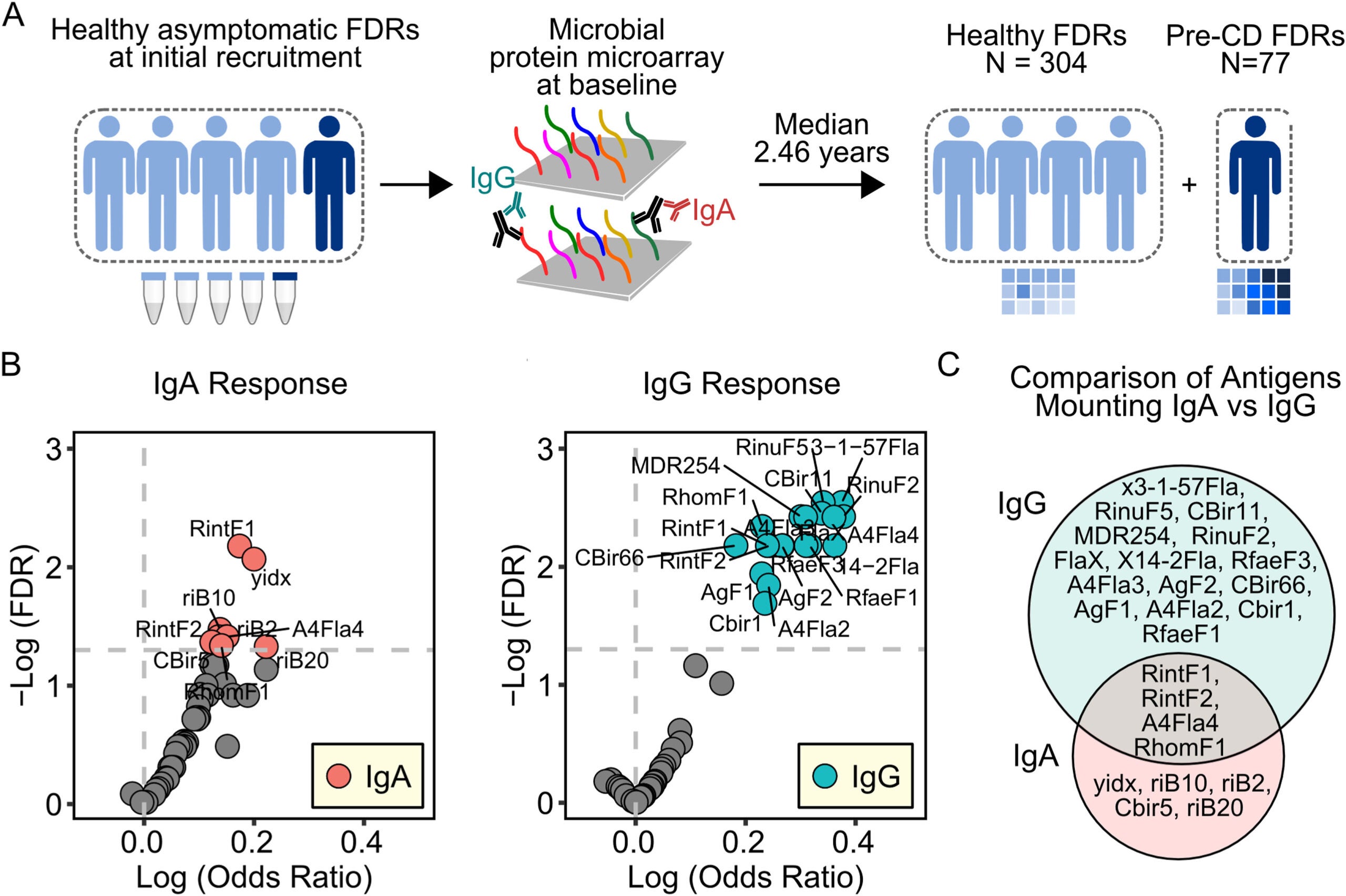
The power of GEM comes from time. Participants enroll while they are still healthy. Researchers then track who develops disease later. Over the years, 130 participants have developed Crohn’s, according to the source material. That creates a rare dataset: blood and health measures taken before symptoms start, paired with future outcomes.
The Sinai Health team had already found evidence that inflammatory immune activity against gut bacteria can appear before Crohn’s diagnosis. The gut usually holds a dense community of bacteria that help maintain digestion. In Crohn’s, the immune system appears to respond abnormally against microbes that normally coexist with you.
The new study narrowed in on one specific target: flagellin.
Flagellin is a protein found on certain gut bacteria. A prior group of collaborators at the University of Alabama, led by Dr. Charles Elson, developed a test that detects antibodies against flagellin. They also showed that people with Crohn’s disease have elevated antibody levels targeting flagellin from Lachnospiraceae bacteria.
The Sinai Health team wanted to know if that same immune response could be detected earlier, in people who were healthy but at higher risk.
“We wanted to know: do people who are at risk, who are healthy now, have these antibodies against flagellin?” Croitoru said. “We looked, we measured, and yes indeed, at least some of them did.”
To answer that question, the researchers followed 381 first-degree relatives of Crohn’s patients. Over time, 77 of those participants developed Crohn’s disease. When the team analyzed blood samples, they found that 28 of the people who later developed Crohn’s, more than a third, had elevated antibody responses to Lachnospiraceae flagellin.
That number matters because it suggests the signal is not rare. It also appears early. The typical timeline from blood sample collection to Crohn’s diagnosis in these pre-disease individuals was nearly two and a half years.
For patients, that detail lands with a jolt. It suggests your body may be “arguing” with gut bacteria for years before you notice. For doctors, it hints at a new kind of surveillance. Instead of waiting for symptoms, they might watch a known risk marker in the blood.
The team reported that the antibody responses were strongest in siblings. That pattern highlights the potential role of shared environmental exposure, as the source material notes Croitoru has shown before. Siblings often share early-life factors, diet patterns, and household microbes. Genetics also matter in Crohn’s risk, but the sibling signal adds weight to the idea that environment and immune training play a role.
The study also linked the pre-disease flagellin response with other Crohn’s-like features seen before diagnosis. Researchers confirmed the immune response was associated with intestinal inflammation and gut barrier dysfunction. Both are characteristics of Crohn’s disease. That connection supports the idea that the antibody signal is part of a broader early process, not just an isolated lab number.
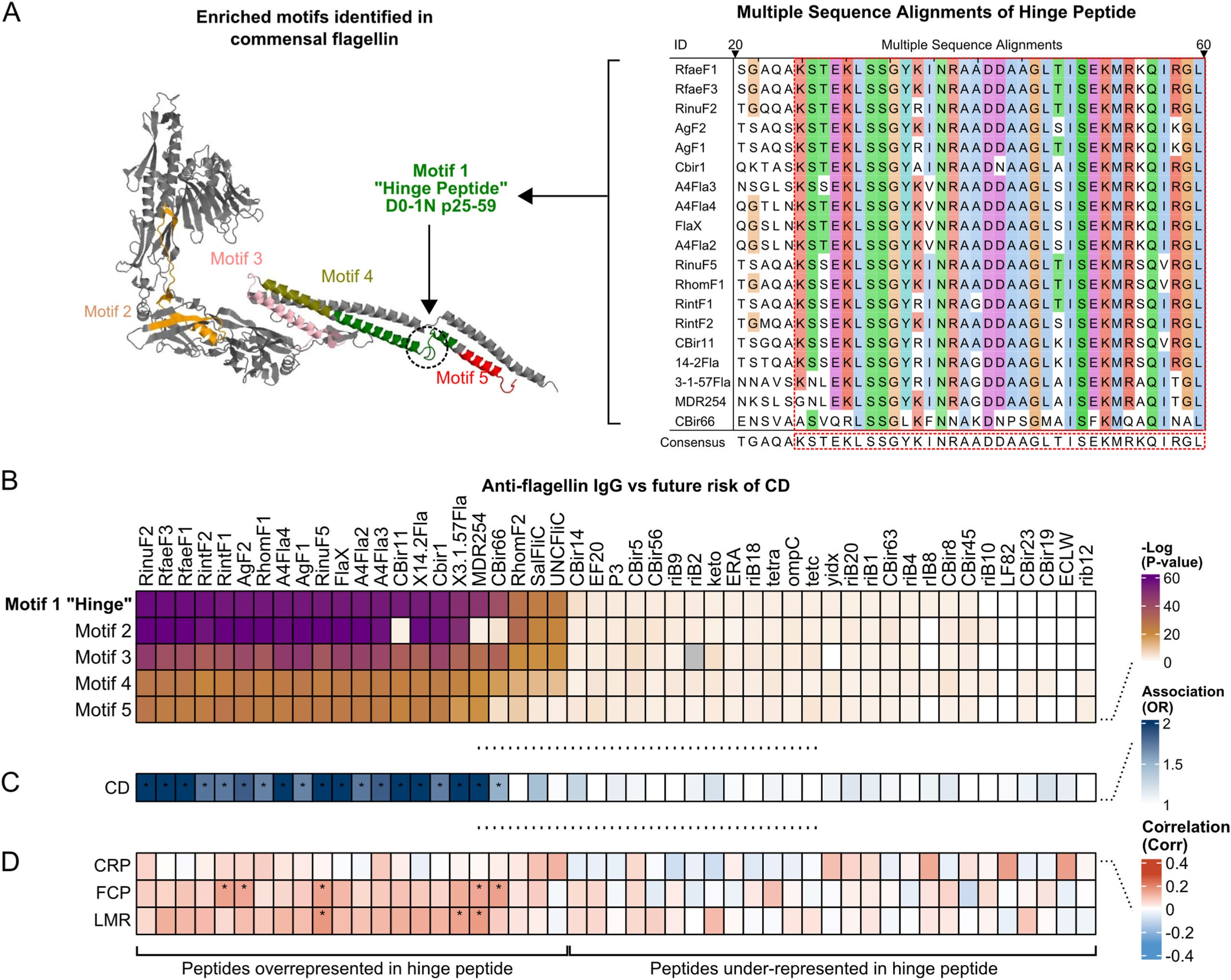
Croitoru also emphasized a deeper point about timing. The presence of flagellin antibodies long before symptoms suggests the immune reaction may contribute to triggering Crohn’s, rather than being a result of disease damage.
Once you accept that a disease might be forecast in advance, the next thought is unavoidable: Can you stop it?
The study does not claim prevention is ready today. Still, it points toward that goal. Lee described why one detail caught the team’s attention.
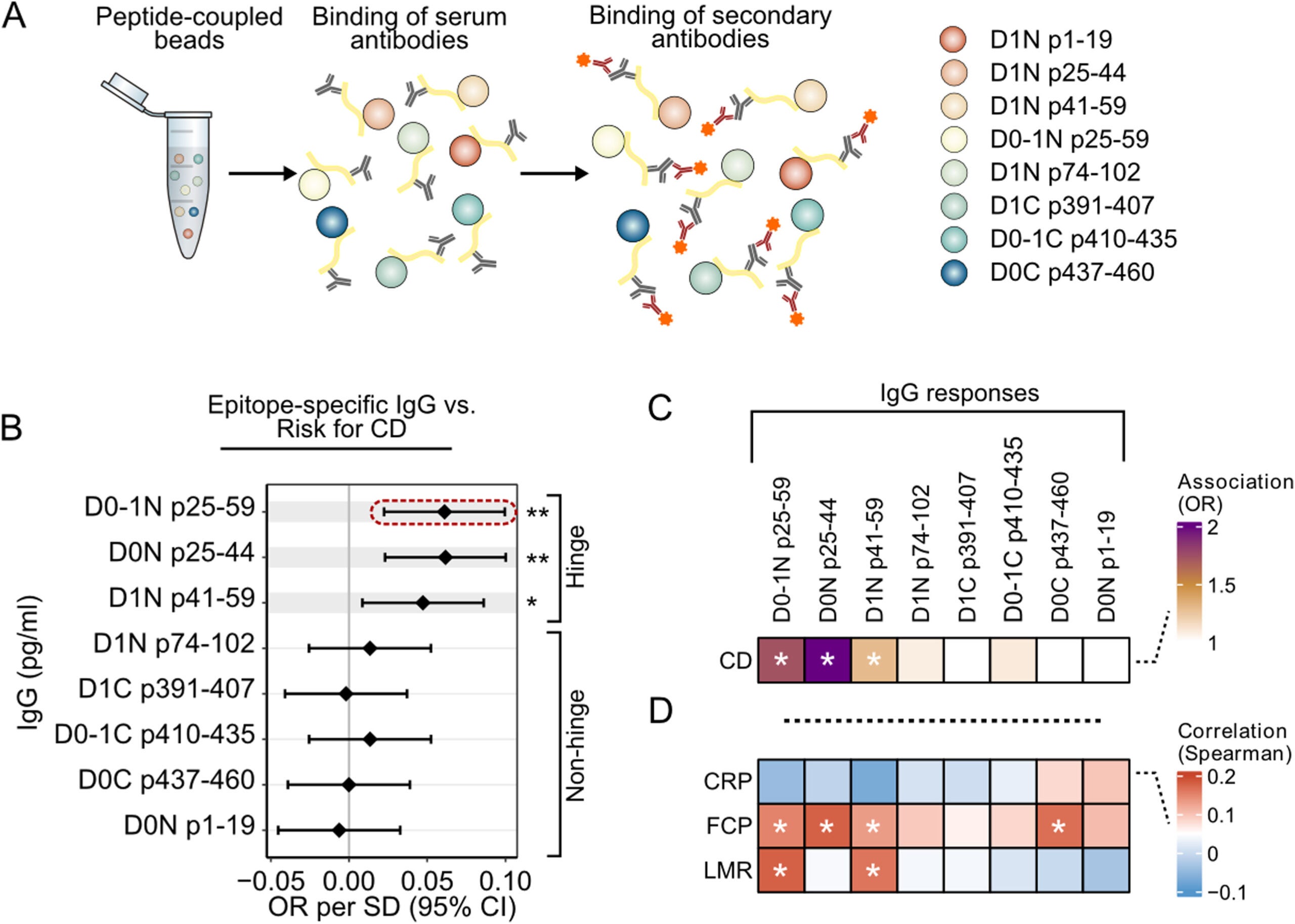
“Confirming our previous study immune response against bacterial flagellins show strong associations with future risk of Crohn’s in healthy first-degree relatives,” Lee said. “We found that this immune response is driven by a conserved domain of the flagellin protein. This raises the potential for designing a flagellin-directed vaccine in selected high-risk individuals for prevention of disease. Further validation and mechanistic studies are underway.”
A “conserved domain” means a portion of the protein that stays similar across related bacteria. If the immune response targets that shared region, it could help explain why the signal appears in advance and why it might be detectable with a single test.
It also provides a clearer target for future research. Researchers could explore whether changing that immune response changes disease risk. They could also test whether the marker, combined with other signals, improves prediction.
This study suggests Crohn’s disease may have a measurable pre-symptom stage that lasts years, at least in some high-risk people. For patients with a strong family history, a blood test like this could someday support earlier monitoring, earlier referral to specialists, and faster investigation when subtle symptoms appear. That could shorten the time between the first warning signs and a diagnosis.
For researchers, the findings sharpen the focus on the relationship between gut bacteria and immune responses as a critical early step in Crohn’s development. The work also provides a practical way to identify people in a true “before disease” phase. That matters for prevention science because you cannot test prevention unless you can find risk early.
The research also raises a long-term possibility: prevention strategies aimed at the flagellin response in selected high-risk individuals. Lee noted the conserved flagellin domain could support vaccine design in the future. If further studies confirm the marker and clarify cause, this approach could shift Crohn’s care from reacting to inflammation to stopping it earlier.
Research findings are available online in the journal of Clinical Gastroenterology and Hepatology.
The original story “Sinai Health scientists develop blood test for early prediction of Crohn’s disease” is published in The Brighter Side of News.
Like these kind of feel good stories? Get The Brighter Side of News’ newsletter.
The post Sinai Health scientists develop blood test for early prediction of Crohn’s disease appeared first on The Brighter Side of News.

