Even before the first stars lit up the Universe, the Cosmos was not the cold place most researchers once imagined. New results suggest that the so-called cosmic “dark ages,” the muted era between the Big Bang and the ignition of starlight, may not have been quite so cold after all. Instead, the gas between the galaxies seems to have been warmed by unknown sources, setting the stage for the formation of stars and galaxies.
After the Big Bang, the Universe cooled and expanded rapidly. Hydrogen atoms formed, and the universe entered what scientists call the dark ages, an era lacking stars, galaxies, or even much light. Scientists for decades pictured this era as extremely cold, just a few degrees above absolute zero. The first stars, hundreds of millions of years later, were thought to have ended this deep freeze by heating and ionizing surrounding gas.
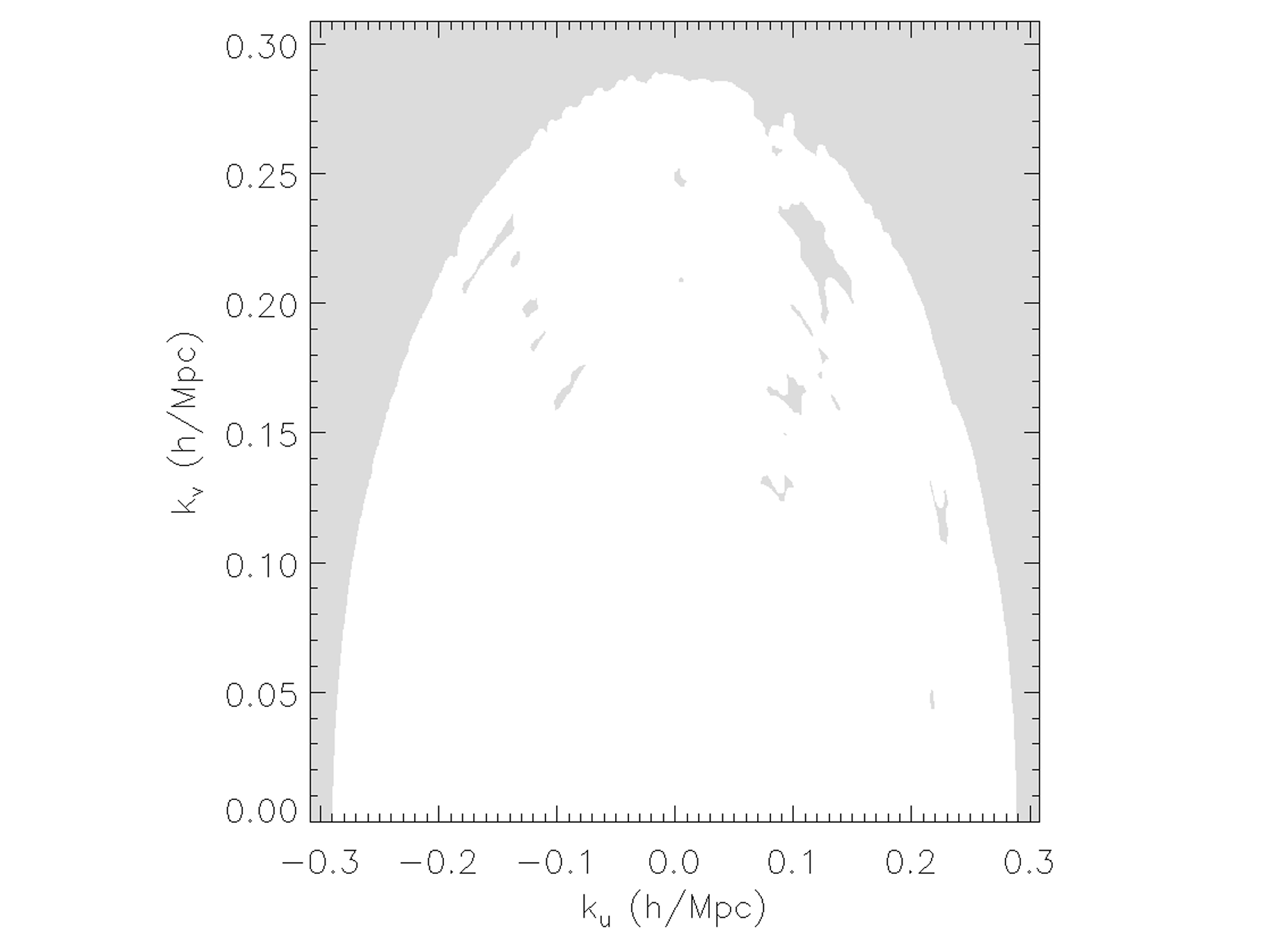
However, a team of scientists headed by Curtin University’s International Centre for Radio Astronomy Research (ICRAR) has reversed that picture. According to their study, the intergalactic gas was warm even before the first stars actually began to shine. That would render the dark ages as more of a quiet thaw rather than a frozen silence preceding the cosmic dawn.
To dig up this new picture, scientists turned to hydrogen, the Universe’s most abundant element. Hydrogen atoms can absorb and emit radio waves in a process that is related to the so-called 21-centimeter line. By studying this faint signal, researchers can learn about the temperature of gas in the Universe billions of years in the past.
The scientists used data from the Murchison Widefield Array (MWA) radio telescope in the Wajarri Yamaji Country of Western Australia. Through a process of carefully comparing signals and subtracting interference from stars, galaxies, the Earth’s atmosphere, and even the telescope itself, they built a clearer image of the early Universe.
Dr. Ridhima Nunhokee, the lead researcher on the first phase of the work, explained that the task involved removing other radio signals laboriously in order to reach the one that they were looking for. “From this research we’ve been able to develop techniques to deal with the foreground contamination and subtract the signals that we don’t want, but also to understand our telescope better and arrive at a clean signal,” she said.
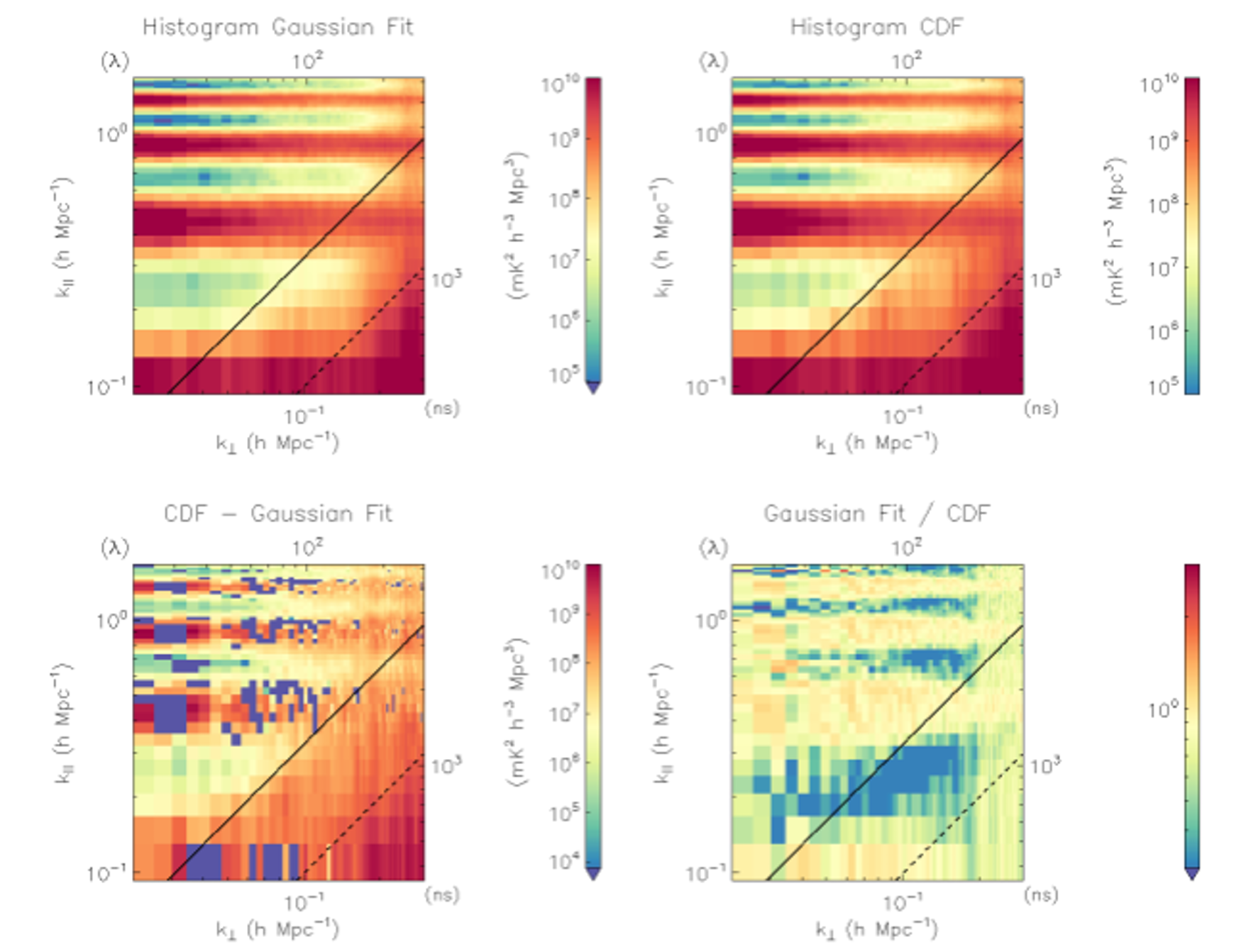
The team combined nearly a decade of telescope observations, building the largest dataset yet of this period. That depth and quality allowed them to rule out the long-theorized existence of a cold, pristine Universe.
If the Universe was as cold as it should have been during the dark ages, the MWA would have detected a strong signal. That it did not means gas was already warmer than expected. “Our measurements show that it is at least heated by some amount,” said Professor Cathryn Trott, lead researcher on the second phase of the work. “Not by much, but it means very cold reionisation is ruled out.”
This heating, the group explains, likely had its source in high-energy X-rays from the earliest black holes or remnants of massive stars. These high-energy photons could have traveled through space, gently raising the temperature of hydrogen gas well before the first stars took over.
The result is a Universe that was not absolutely dark and cold, but already seething with unseen activity that nudged it toward the light.
The timing of this warming is so crucial. If it had happened too soon, it could have prevented hydrogen gas from collapsing into stars. If it had happened too late, the story of cosmic dawn would be very different. Instead, the research implies a middle way, where heating occurred just in time to affect the star and galaxy formation.
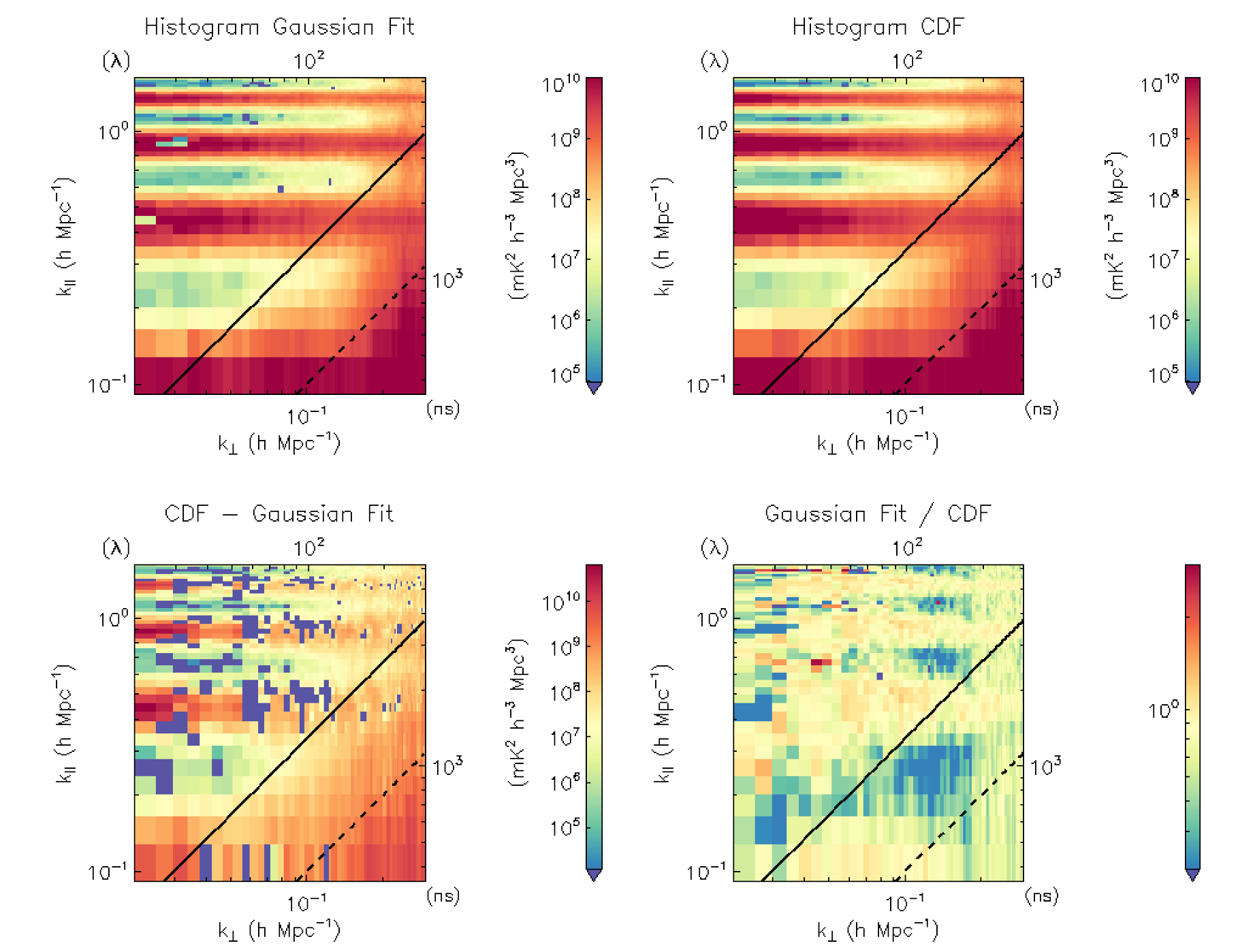
This has profound implications for experiments that are now searching for the elusive “Epoch of Reionisation,” the period roughly a billion years after the Big Bang when the Universe underwent a transition from opaque to transparent. Detecting this event has been a holy grail of radio astronomy.
The study shows that future telescopes, such as the Square Kilometre Array being built in Australia and South Africa, will need to incorporate this warming into their models. Otherwise, researchers might misinterpret the signals from the early universe.
Although the findings represent a major step forward, many uncertainties remain about the mystery. What exactly caused the warming? Were black holes mainly to blame, or were exotic processes like dark matter interactions at work? And how much did this heating affect the progress of galaxy formation?
The researchers stress that more observational data are needed. The imprint of the Epoch of Reionisation is still buried in the noise, to be excavated. But with improved methods and years of painstaking data analysis, astronomers are nearer than ever to teasing it out.
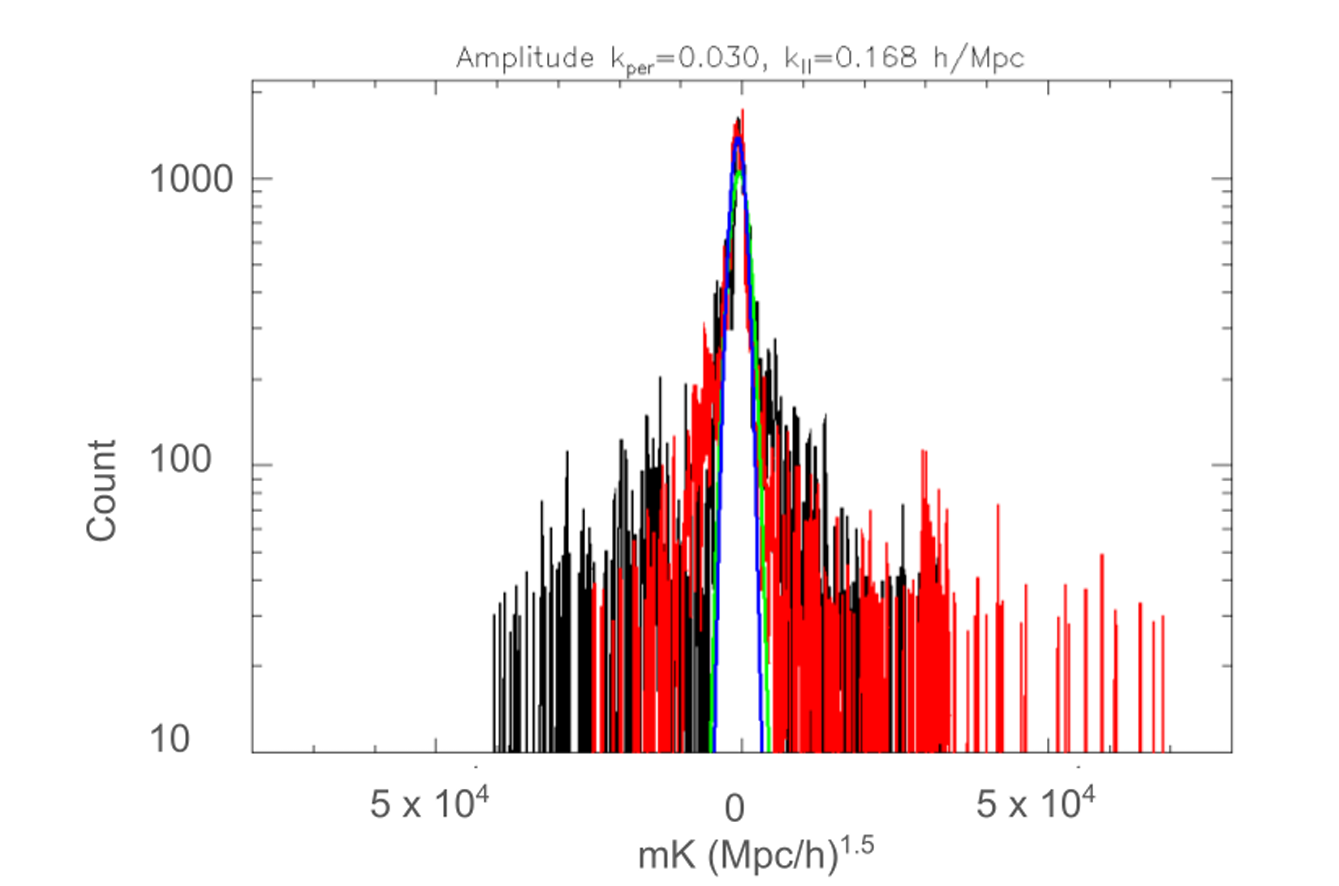
Dr. Nunhokee is convinced the signal is there. “The signal is there, in there. It’s a question of refining our data, and getting more data, cleaner data, to access it,” she said.
The discovery reshapes the prehistory of the Universe. Instead of starting from a cold standstill, the Universe may have warmed up its engines before the first stars ignited. That means, for researchers, refining simulations of galaxy, star, and black hole formation. For next-generation telescopes, it means fine-tuning their search strategies to pick up faint signals from the cosmic dawn.
More broadly, the study highlights human beings’ growing ability to look backward in time. By sharpening radio telescopes and creating methods to filter out cosmic “noise,” researchers are bringing us closer to answering some of the biggest questions about our origins.
The warmer dark ages are a reminder that the Universe has never been quite as fixed and predictable as we initially assumed.
Research findings are available online in The Astrophysical Journal.
Like these kind of feel good stories? Get The Brighter Side of News’ newsletter.
The post The universe was already warm before the first stars lit the sky appeared first on The Brighter Side of News.

