A small burst of energy can change how a movement feels. It can make a reach quicker, a step lighter, or a motion more deliberate. Scientists have long sensed that this link between feeling and movement exists, but a new study from the University of Colorado Boulder offers clearer evidence of how the brain creates it.
The research shows that the same brain signals tied to reward and learning also shape how fast and forcefully people move. At the center of that process is dopamine, a chemical often linked to pleasure and motivation. The findings suggest that even subtle changes in expectation and surprise can adjust movement in real time.
Senior author Alaa Ahmed, a professor in the Paul M. Rady Department of Mechanical Engineering, described the idea through everyday experience. “Anecdotally, we just feel that this is true,” she said. “When you go to the airport to pick up your parents, you may run to greet them. But if you’re picking up a colleague, you’re probably just going to walk.”
The study takes that familiar feeling and places it inside a measurable framework. It shows that movement speed may reflect how the brain calculates value, reward, and surprise, moment by moment.
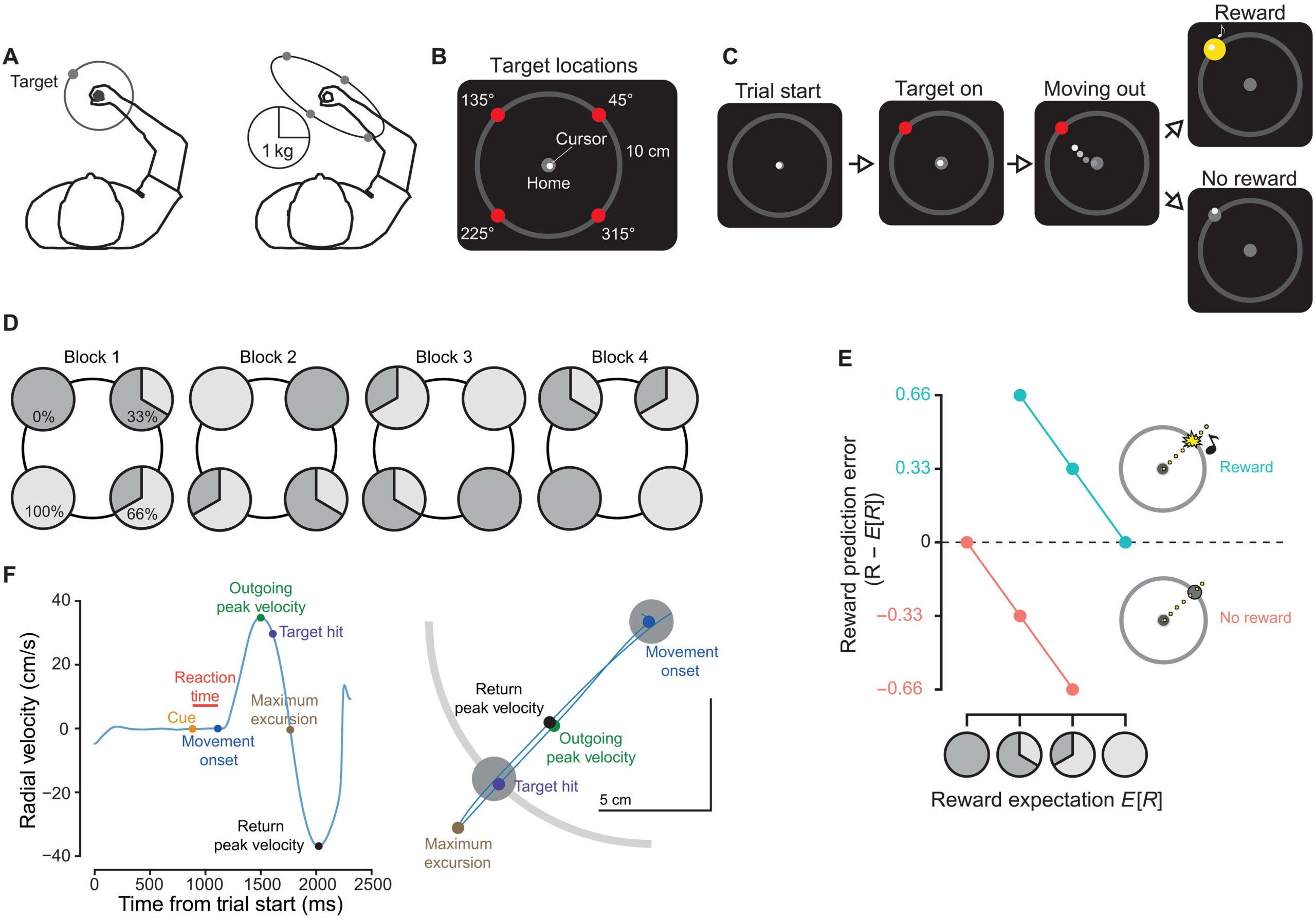
To explore the link between reward and motion, the research team designed a controlled experiment. Participants used a joystick-like device to reach toward targets on a computer screen. Each target could deliver a reward, in this case a flash of light and a beeping sound.
Some targets always delivered rewards. Others never did. Two additional targets offered rewards part of the time. This setup allowed the researchers to control how much reward participants expected before each movement.
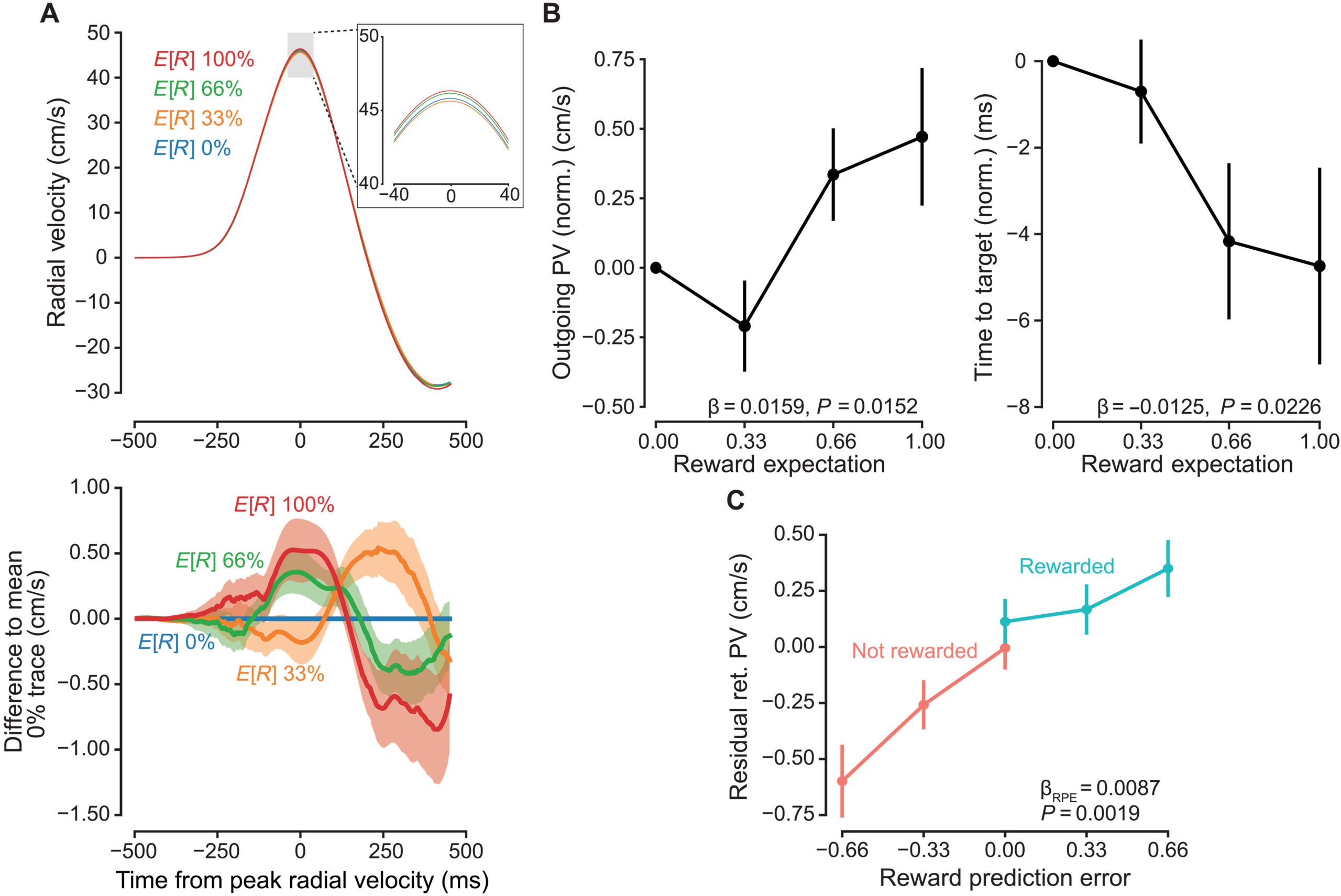
The results showed a clear pattern. When a target had a higher chance of reward, participants reached toward it more quickly. Their movements carried more speed, even though accuracy stayed the same.
This suggests the brain does not simply decide where to move. It also decides how much energy to invest in getting there. When a goal seems more valuable, the brain appears to push the body to act faster.
Lead author Colin Korbisch said movement itself may offer a way to observe internal brain activity. “Movements are a window to the mind,” he said. “Normally, you can’t go into the brain and see what the dopaminergic neurons are doing, but movement could reflect those neural computations that are so difficult to disentangle.”
The study did not stop at expectation. It also examined what happens after a person learns whether they received a reward.
When participants reached a target, they either received the signal or did not. This created what scientists call a “reward prediction error.” It measures the gap between what the brain expected and what actually happened.
If a reward arrived when it was unlikely, that created a positive surprise. If it failed to appear when expected, that created disappointment.
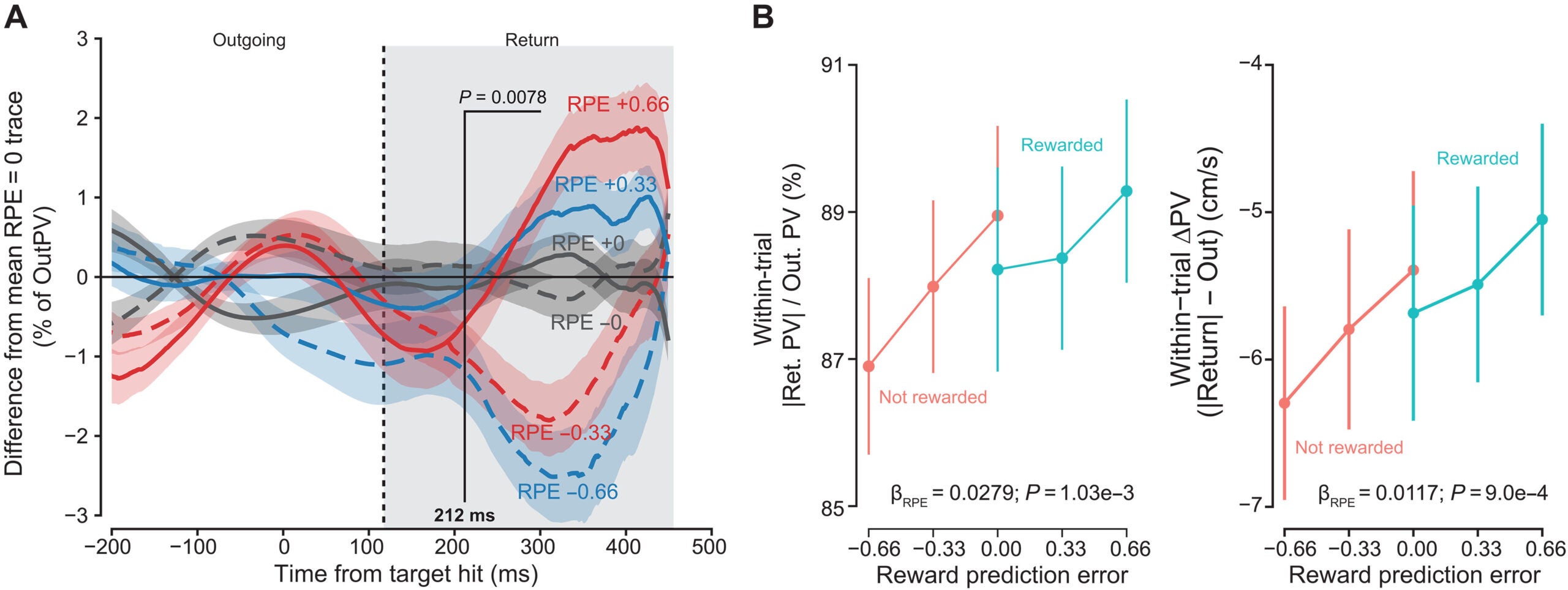
The researchers found that these moments shaped movement almost instantly. If participants received an unexpected reward, their movements became faster. This shift occurred about 220 milliseconds after they heard the beep.
That speed change was subtle, but consistent. It was not visible to the naked eye, yet it showed up clearly in the data.
“Importantly, this effect wasn’t tied to reward reception alone,” Korbisch said. “If the outcome was certain and known to the individual, we saw no further increase in vigor.”
This finding suggests that surprise, not just reward, plays a key role in energizing movement. When the brain receives an outcome it did not predict, it may send an extra burst of dopamine. That burst appears to increase movement intensity.
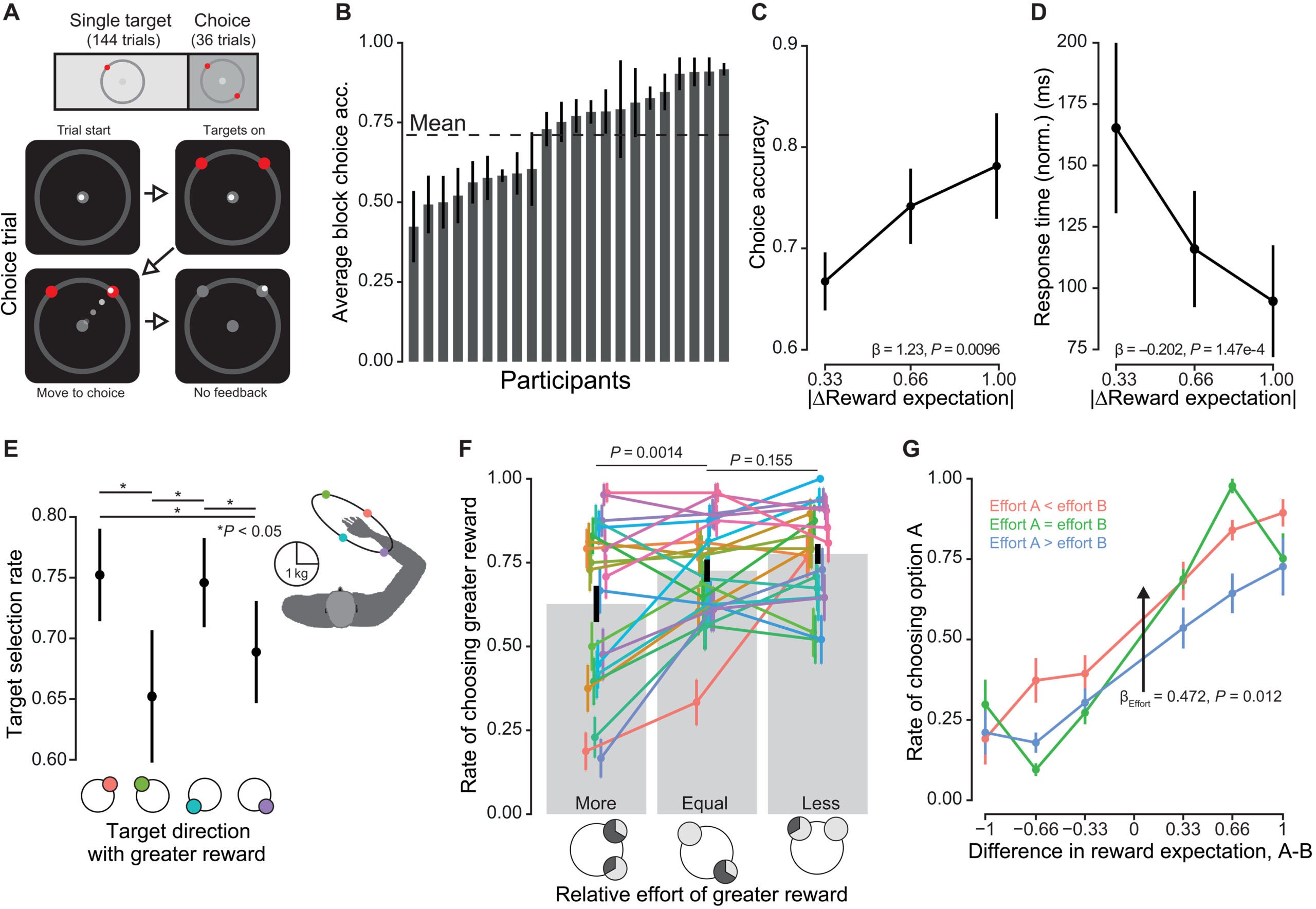
The study also looked at how behavior changes with experience. In one part of the experiment, participants were not told which targets were more rewarding. They had to learn through repeated trials.
Over time, they began to favor targets that offered more rewards. They also moved faster toward those targets. This change did not happen all at once. It built gradually as participants updated their expectations.
The researchers found that participants who showed stronger changes in movement speed also made better choices later. Their faster reaches toward valuable targets reflected a clearer understanding of reward patterns.
Past outcomes also mattered. When participants received a series of rewards, their overall movement speed increased. When they experienced repeated disappointments, their movements slowed.
Ahmed explained the broader idea in simple terms. “If you’ve had a good day, you’ll go faster. If you’ve had a bad day, you’ll move slower,” she said. “It’s basically that skip in your step.”
This pattern suggests that the brain keeps a running record of recent experiences. That record influences not only decisions, but also the energy behind each action.
The study also points to a deeper medical relevance. Dopamine plays a key role in movement disorders. People with Parkinson’s disease, for example, lose many of the neurons that produce dopamine. They often struggle to initiate and control movement.
By showing how dopamine-related signals influence movement speed, the research offers a new way to think about these conditions. Changes in movement vigor could reflect changes in brain chemistry.
Ahmed said this idea could one day help track health over time. Instead of relying only on symptoms, clinicians might measure how people move across days or months. Subtle shifts in speed or effort could signal changes in brain function.
The findings may also connect to conditions like depression, where people often move more slowly. If movement reflects internal reward processing, it could provide insight into how motivation changes in different disorders.
This study suggests that simple movements can reveal complex brain processes tied to reward, learning, and motivation. For researchers, it offers a non-invasive way to study dopamine-related activity without directly measuring the brain. Movement data could serve as a proxy for internal signals that are otherwise difficult to observe.
For medicine, the findings may help guide new diagnostic tools. Tracking changes in movement speed and vigor over time could help identify early signs of neurological or psychiatric conditions. It may also help monitor how patients respond to treatments that affect dopamine systems.
In the future, this approach could support personalized care. Doctors might use movement patterns to better understand how patients experience reward and motivation. That information could help tailor therapies for conditions like Parkinson’s disease or depression.
Research findings are available online in the journal Science Advances.
The original story “Dopamine shapes how fast you move, study finds” is published in The Brighter Side of News.
Like these kind of feel good stories? Get The Brighter Side of News’ newsletter.
The post Dopamine shapes how fast you move, study finds appeared first on The Brighter Side of News.

