Treating diseases of the esophagus has long posed a frustrating challenge. Medications often pass through too quickly to work, and many treatments rely on drugs that affect the entire body. Now, researchers at Massachusetts Institute of Technology have developed a new gel-based system that could change that reality.
The study introduces a swallowable formulation that coats the esophagus and delivers medication directly into the tissue. Early results suggest the approach could improve treatment while reducing harmful side effects.
For patients living with chronic inflammation or swallowing disorders, the findings offer a new sense of possibility.
The esophagus plays a simple role in the body, yet treating it is anything but simple. Food and liquids move through it in seconds. This rapid movement makes it hard for medicine to stay in place long enough to work.
The tissue lining adds another barrier. It forms a tight, protective layer that blocks many drugs, especially large molecules like antibodies.
As a result, doctors often rely on systemic treatments. These drugs travel through the bloodstream and affect the entire body. While they can help, they often bring unwanted side effects.
“There are many people with esophageal disease, and if you look at drugs for these conditions, they’re very limited in their ability to target this part of the body and it’s very difficult to develop them,” said Giovanni Traverso of MIT.
One condition, eosinophilic esophagitis, has become more common in recent years. It is often triggered by food allergies and can make swallowing painful or impossible.
Other diseases, such as Crohn’s disease, can also inflame the esophagus. Many patients depend on drugs like infliximab, which suppress the immune system to reduce inflammation.
While effective, these drugs increase the risk of infection and other complications. They also require injections or infusions, which can be uncomfortable and inconvenient.
Researchers have long sought a way to deliver these medications directly to the esophagus. Until now, the tools simply did not exist.
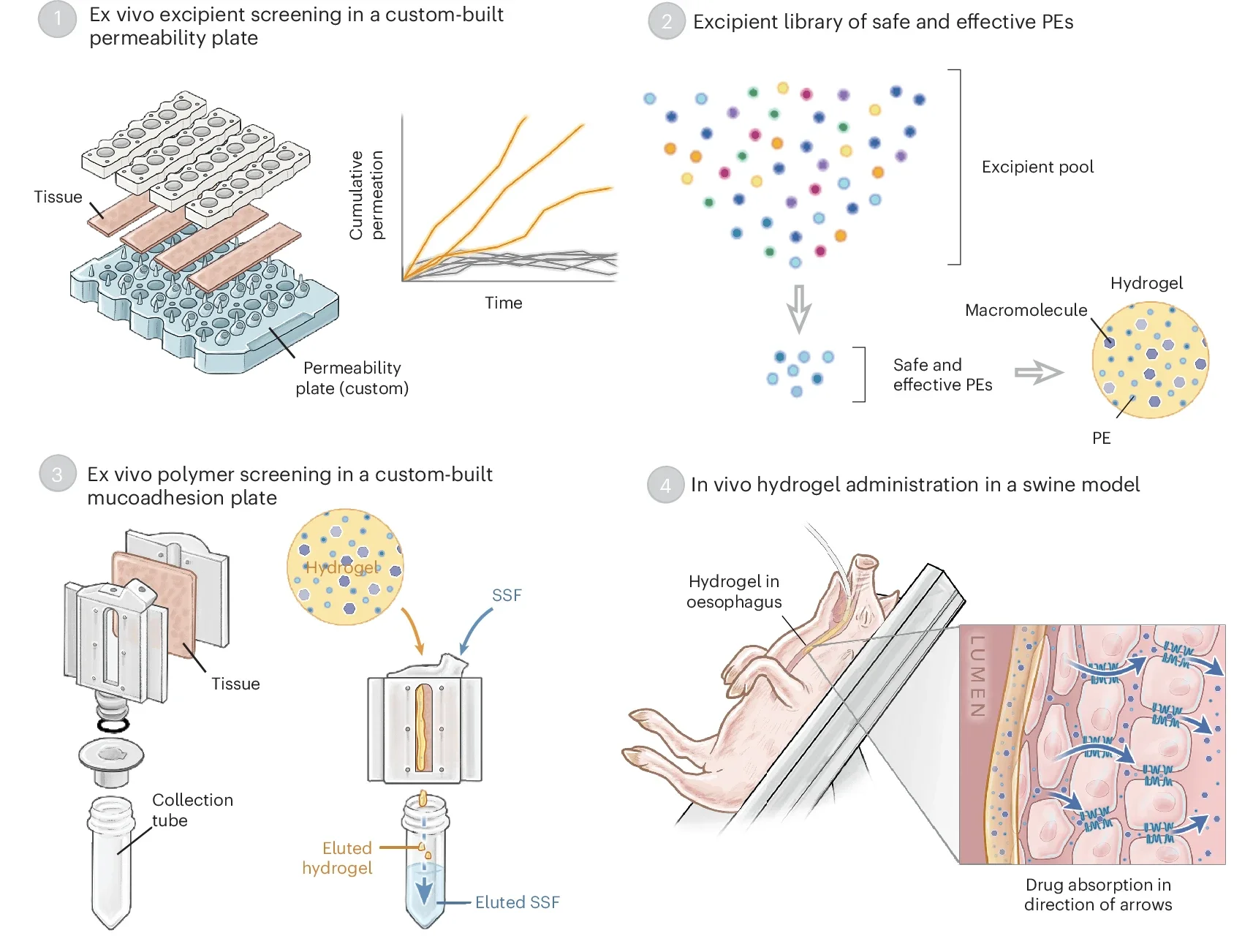
To solve this problem, the research team created a new platform that combines two key ideas. First, the medicine must stay in the esophagus long enough to work. Second, it must pass through the tissue barrier.
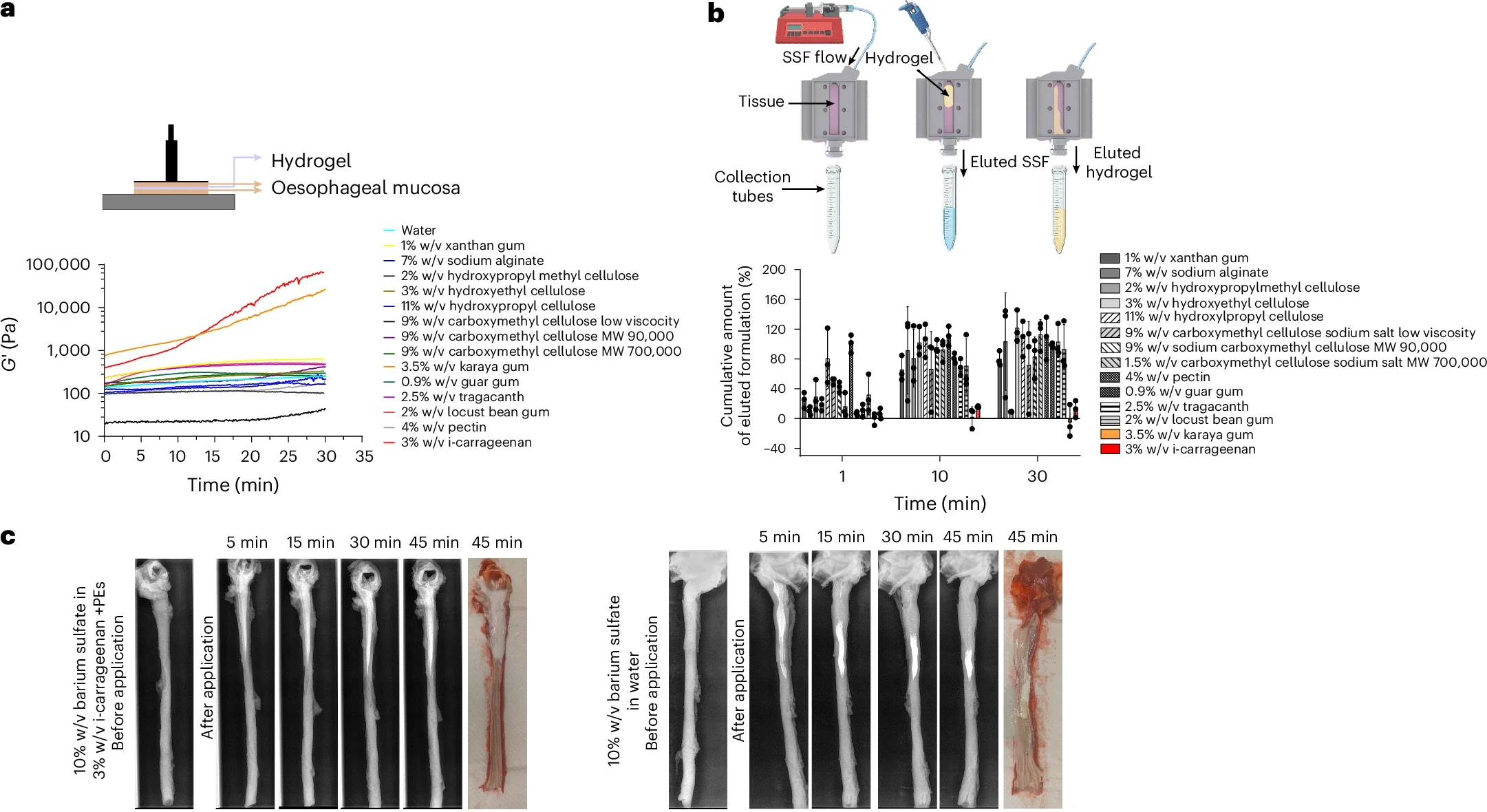
The solution begins with a hydrogel, a thick, gel-like substance that can coat the esophageal lining. Once swallowed, it spreads along the surface and remains in place longer than liquid solutions.
“The hydrogel helps the formulation remain on the esophageal surface for longer, while the bile salts help increase transport across the tissue,” said Christina Karavasili, lead author of the study.
The gel acts like a temporary layer, holding the drug close to the tissue so it can be absorbed.
Keeping the drug in place solves only half the problem. The esophageal lining still blocks most molecules from entering.
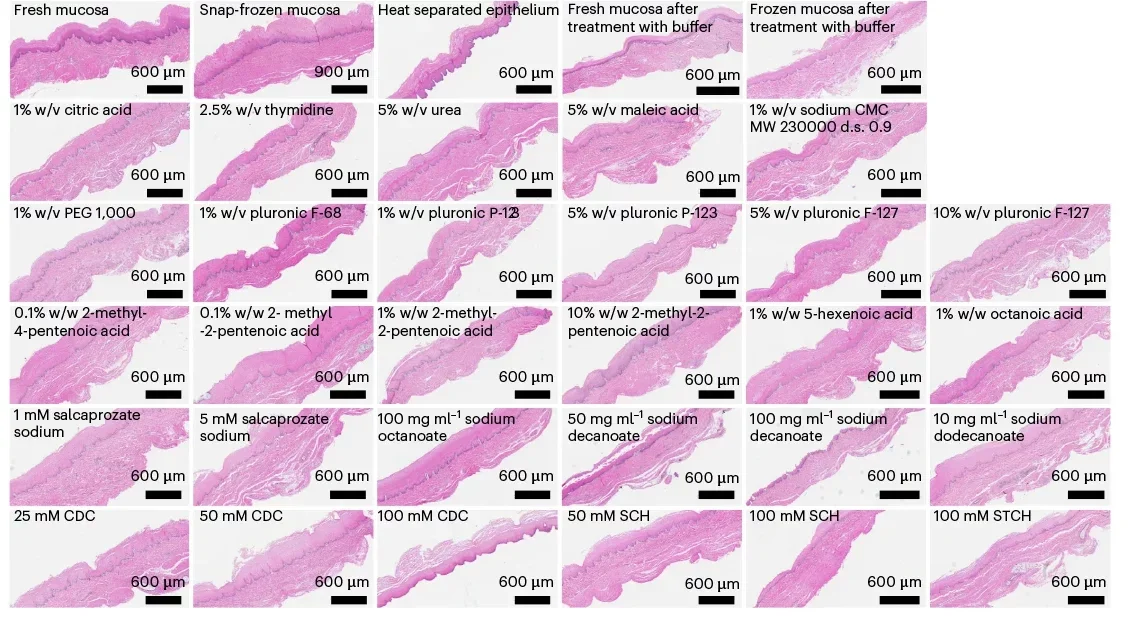
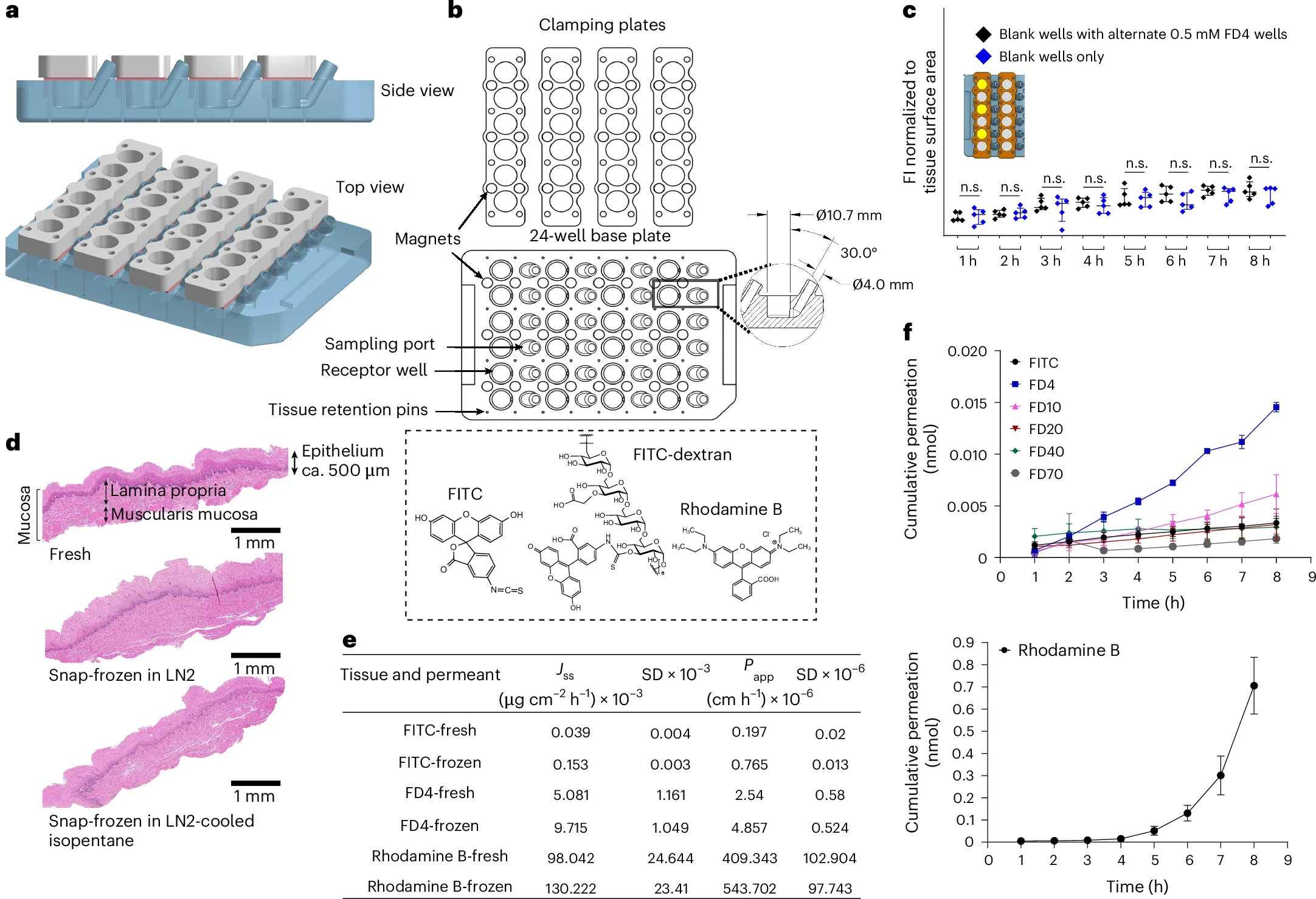
To overcome this, the researchers tested dozens of compounds that could safely increase permeability. These compounds, called excipients, are often used in drug formulations to enhance performance.
After screening about 100 options, the team identified a powerful combination of two bile salts. These naturally occurring molecules help loosen the tight connections between cells.
By temporarily opening these junctions, the bile salts allow drugs to pass through the tissue more easily.
“Our data suggest that the bile salts temporarily loosen these cell–cell junctions,” Karavasili said. “This creates a more permissive pathway between the cells.”
One of the most important findings is that this effect does not last. After the treatment, the tissue returns to its normal state within a few days.
This reversibility reduces the risk of long-term damage. It also helps maintain the protective function of the esophagus.
In laboratory tests, the formulation dramatically increased drug transport. Some combinations improved absorption by hundreds of times.

Even large molecules, which normally cannot pass through the tissue, were able to penetrate the lining.
To confirm the results, researchers tested the gel in animal models. They delivered the formulation into the esophagus and tracked how it behaved.
The gel coated the tissue evenly and remained in place for hours. This extended contact allowed the drug to move into the tissue effectively.
When used to deliver infliximab, the system showed strong uptake. The drug was detected in the esophageal lining within hours and remained present for days.
Importantly, the tissue showed no signs of lasting damage. Cells returned to their normal structure after the treatment.
Targeted delivery offers a major advantage. By focusing the drug on the affected area, the rest of the body is exposed to lower levels.
This could reduce the side effects associated with systemic treatments, especially those that suppress the immune system.
“If we have the possibility of site-directed delivery, we may be able to mitigate systemic side effects,” Traverso said.
For patients, this could mean safer and more comfortable treatment options.
The researchers describe the gel as a platform rather than a single solution. It can be adapted to deliver different types of drugs, including antibodies and small molecules.
This flexibility opens the door to new treatments for a range of esophageal conditions. It also provides a foundation for further innovation.
“This is a platform to enable the development of drug-delivery systems for the esophagus,” Traverso said.
Future work will focus on refining the formulation and testing it in human trials.
Ease of use remains a key goal. The team is exploring ways to ensure the gel stays in place long enough without causing discomfort.
They are also working on delivery methods that patients can use at home. One option involves a simple oral formulation that can be swallowed like a drink.
Such approaches could improve patient adherence and reduce the need for clinical visits.
The study reflects a broader shift in medicine. Researchers are moving toward targeted therapies that act where they are needed most.
By combining material science with biology, the team has created a system that works with the body’s natural structure.
This approach could extend beyond the esophagus. Similar strategies may be used to deliver drugs to other hard-to-reach areas.
This research could significantly change how esophageal diseases are treated. Direct delivery of drugs to the esophagus may reduce reliance on systemic medications, lowering the risk of side effects such as infections and immune suppression.
For patients, this could mean less invasive treatments and improved quality of life. A swallowable gel that delivers medicine directly to the affected area offers a simpler and more comfortable alternative to injections or infusions.
In the long term, the platform could support the development of new therapies for a range of conditions. It may also inspire similar approaches in other parts of the body where drug delivery is difficult.
For researchers, the study provides a new tool for understanding how drugs interact with tissue barriers. It also highlights the importance of combining engineering, chemistry, and medicine to solve complex problems.
As the technology advances, it could lead to more personalized treatments that target specific tissues with precision. This would mark an important step toward safer and more effective healthcare.
Research findings are available online in the journal Nature Biomedical Engineering.
The original story “New MIT gel could revolutionize treatment for esophageal diseases” is published in The Brighter Side of News.
Like these kind of feel good stories? Get The Brighter Side of News’ newsletter.
The post New MIT gel could revolutionize treatment for esophageal diseases appeared first on The Brighter Side of News.


Leave a comment
You must be logged in to post a comment.