A quiet transformation is unfolding in the way scientists design the materials that power modern technology. From faster computers to energy-saving electronics, the next generation of breakthroughs may come from materials shaped not just by chemistry, but by quantum physics. Now, researchers are finding new ways to uncover these materials faster than ever before.
Two recent studies from the University of Washington show how artificial intelligence and quantum computing are beginning to change how scientists search for these rare materials. Their findings point to a future where discovery moves from slow trial and error to guided prediction.
At the center of this shift lies a class of substances known as quantum materials. These materials behave in ways that defy everyday intuition, shaped by the strange rules of quantum mechanics.
Quantum materials can display remarkable properties. Some allow electricity to flow without resistance. Others show unusual magnetic behavior or long-range connections between particles.
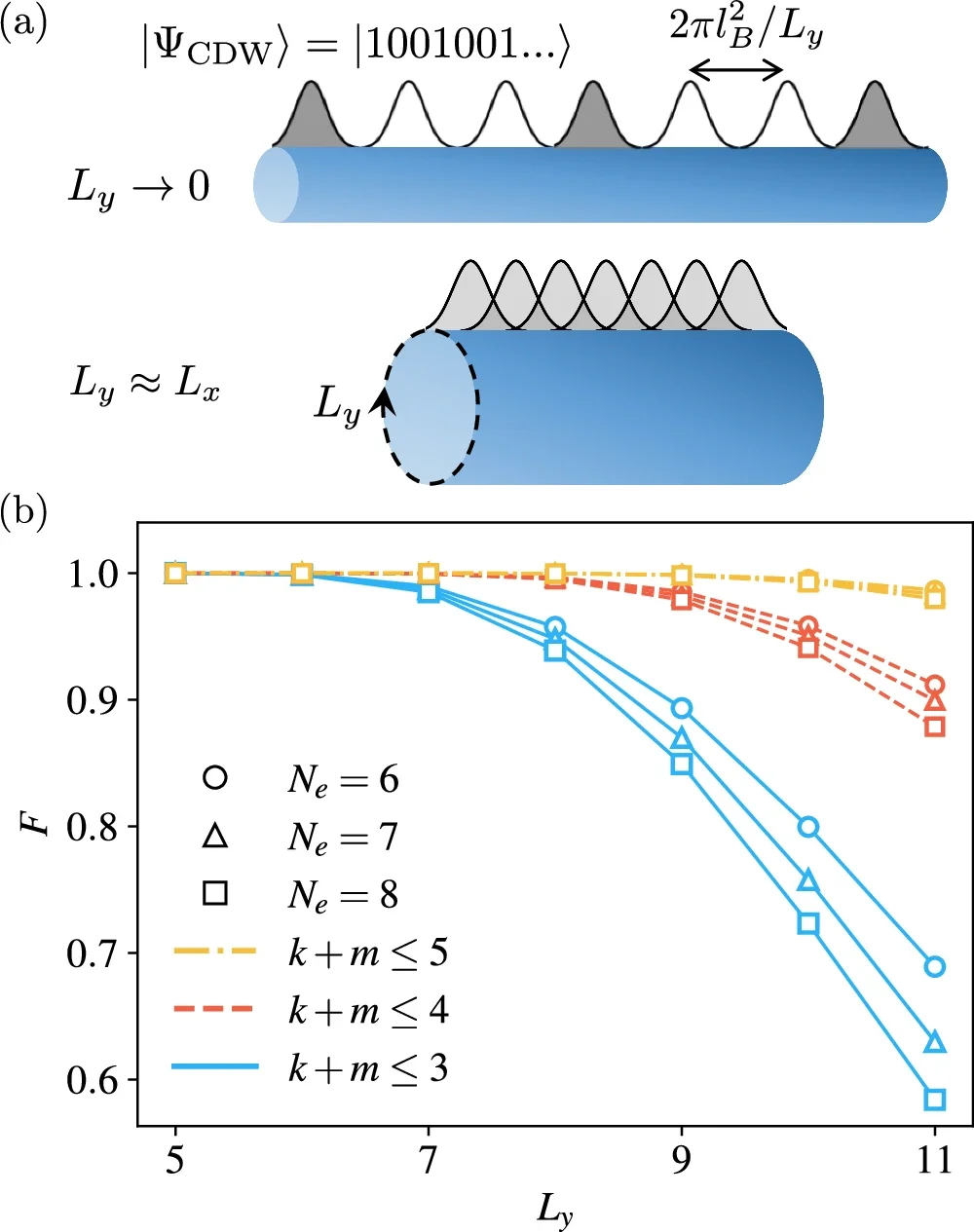
These properties often begin at the smallest scale. Atoms arrange themselves into repeating patterns inside crystals. When these patterns extend across larger distances, entirely new behaviors can emerge.
This makes quantum materials both powerful and difficult to understand. A small cluster of atoms may appear ordinary. When repeated in a larger structure, it may reveal entirely new physics.
Scientists must predict how these patterns behave at scale. Without that ability, discovering useful materials becomes slow and expensive.
For decades, supercomputers have helped researchers simulate materials. These machines can model how atoms interact and predict how materials behave.
However, even the most powerful supercomputers face limits. As systems grow larger, the number of possible interactions increases rapidly. Simulations become more complex and time-consuming.
Some of the most interesting materials only reveal their properties at large scales. Modeling these systems using traditional methods can be impractical.
This challenge has slowed progress in designing materials for real-world use.
Artificial intelligence offers a new way forward. With the right training, AI can learn patterns from existing data and predict how materials will behave.
In one of the studies, researchers used AI to simulate stacks of atomic layers. These layers were arranged in complex patterns, repeated many times.
The results revealed behaviors that did not exist at smaller scales. These emergent properties could be useful for future technologies.
AI acts as a shortcut. Instead of calculating every interaction from scratch, it estimates outcomes based on learned patterns. This makes simulations faster and more efficient.
Ting Cao, a materials scientist involved in the research, described the impact. “What is exciting is that AI and quantum computing are beginning to change not just what problems we can solve, but how we do research,” she said.
While AI excels at large-scale prediction, it struggles with certain quantum effects. This is where quantum computers come in.
Quantum computers operate using the same principles that govern quantum materials. They can naturally model complex interactions between particles.
In the second study, researchers used a quantum computer to simulate a rare state of matter known as a Laughlin state. This state belongs to a category called topological matter, which behaves in unusual and highly stable ways.
These systems are difficult to study using traditional computers. Their complexity grows rapidly as more particles interact.
Quantum processors, however, can handle these interactions more directly. They provide a new way to explore systems that were previously out of reach.
The Laughlin state represents a highly organized form of quantum matter. Particles in this state strongly repel each other and form a structured pattern.
This behavior leads to unique properties. Particles can act like fractions of electrons and remain connected over long distances.
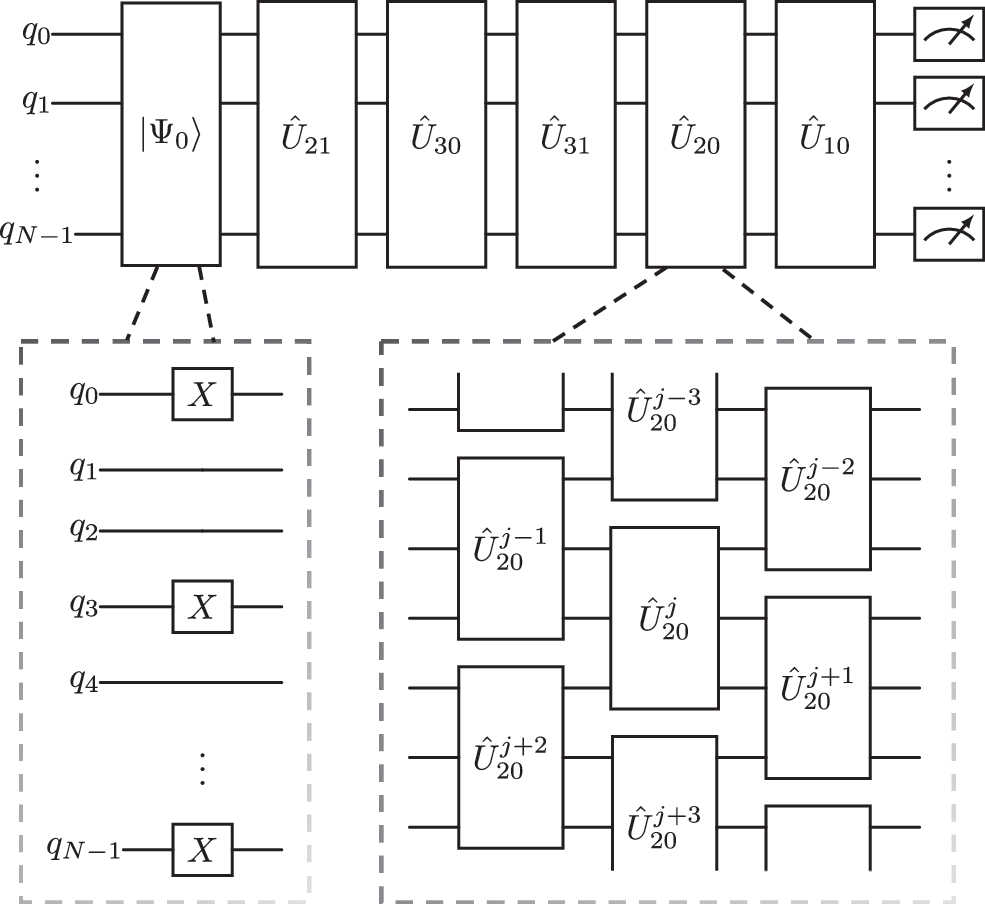
Creating this state on a quantum processor required careful design. Researchers built a circuit with 16 quantum bits and hundreds of operations.
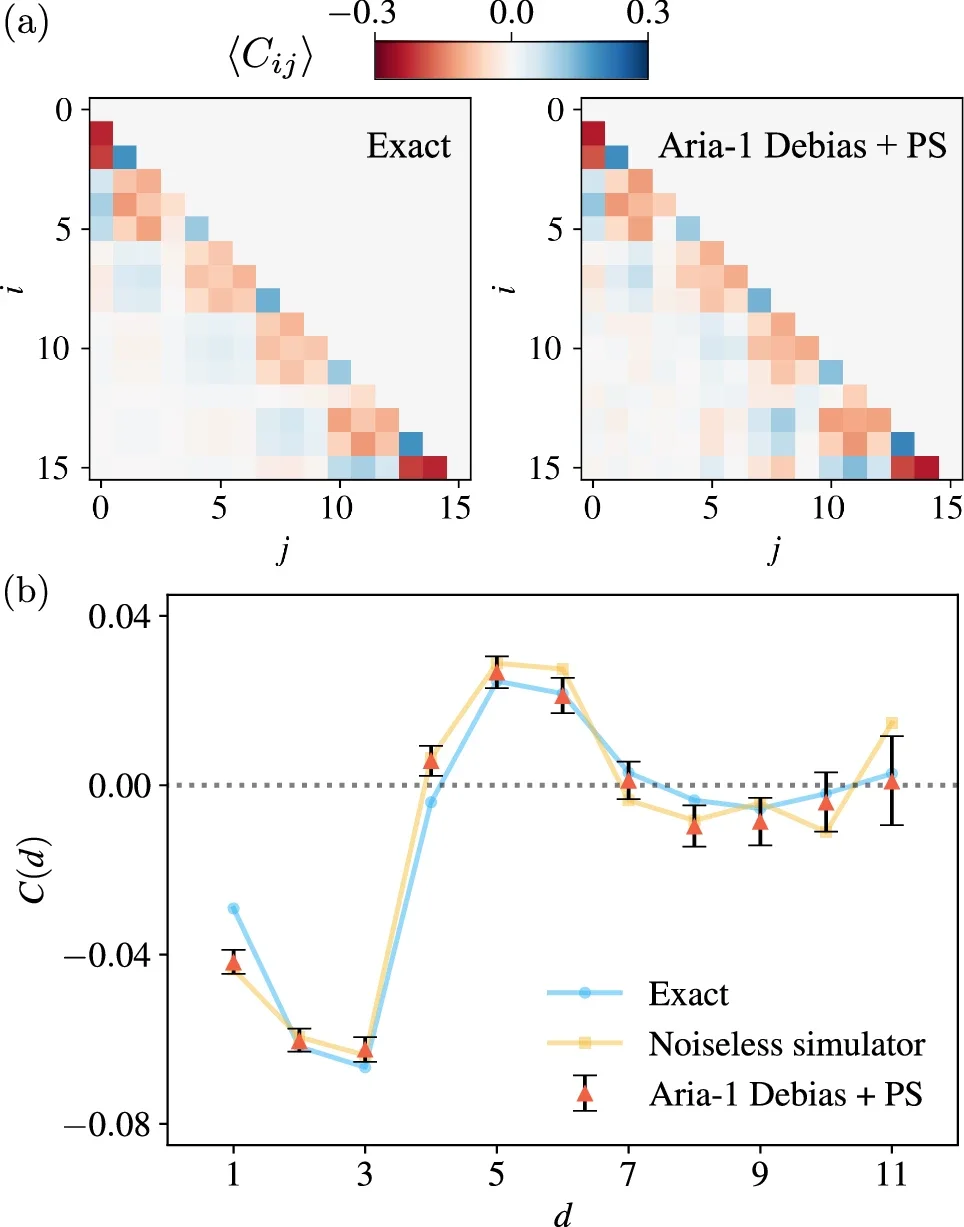
Despite the complexity, the system reproduced key features of the Laughlin state. These included uniform particle distribution and strong short-range repulsion.
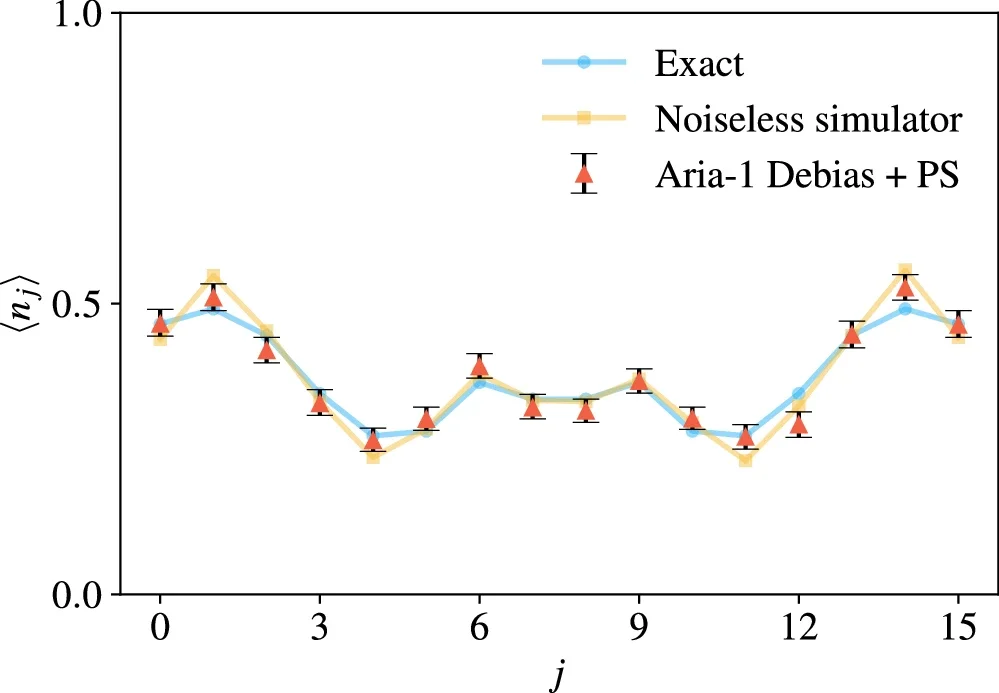
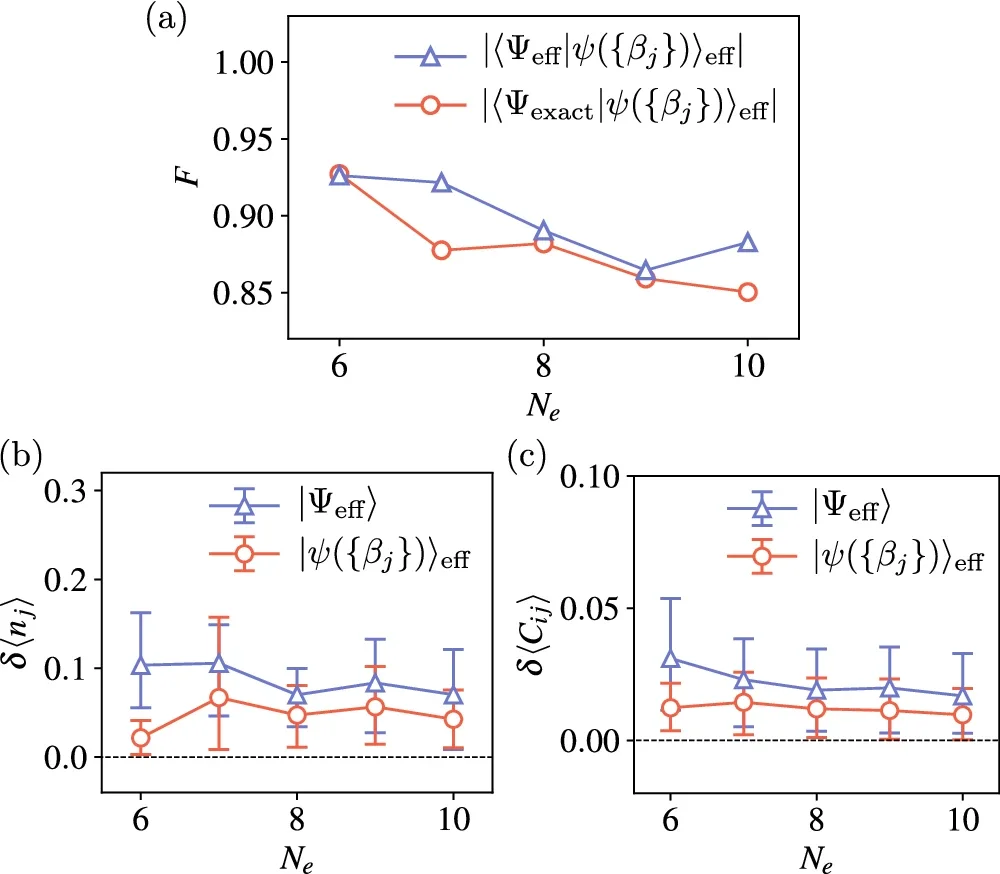
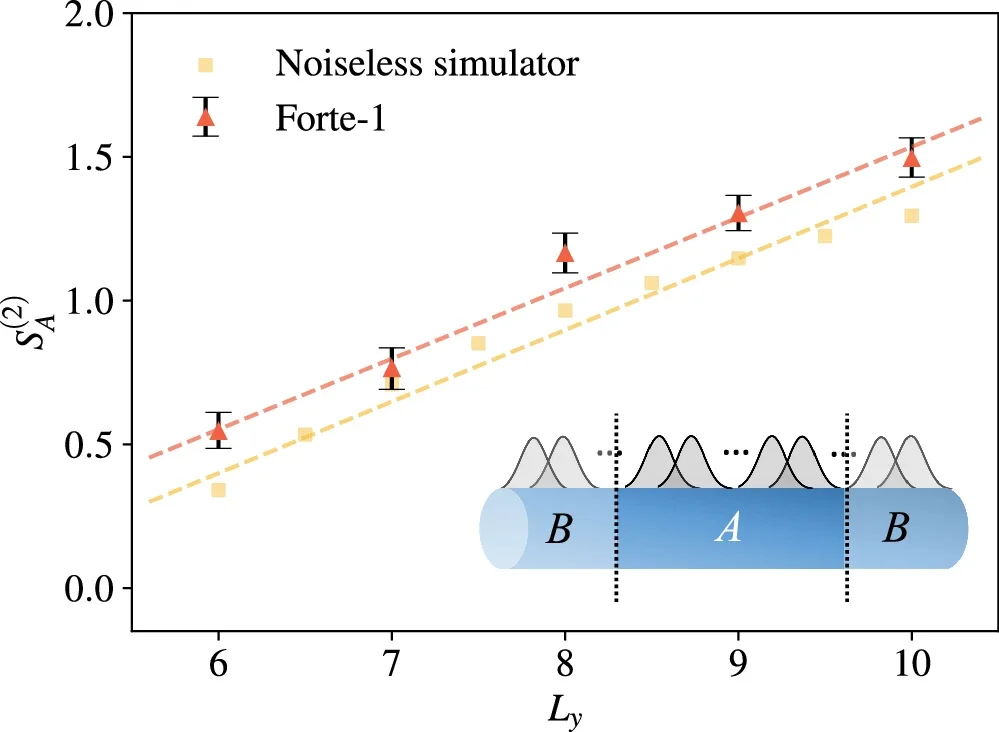
The experiment also measured a property known as entanglement, which reflects how particles remain linked. The results matched theoretical predictions, confirming the simulation’s success.
Quantum computers are still in early development. They are sensitive to noise, which can disrupt calculations.
To address this, researchers used error-checking methods. They filtered out results that violated known physical rules.
This approach improved accuracy and allowed meaningful data to emerge from imperfect systems.
Even with limited hardware, the experiment showed that quantum computers can simulate complex materials.
One of the most promising ideas from the research is combining AI and quantum computing into a single workflow.
AI can quickly scan large sets of materials and identify promising candidates. Quantum computers can then study these candidates in greater detail.
The results from quantum simulations can feed back into the AI model. This creates a cycle where each tool improves the other.
Cao described this vision clearly. “We can use AI to guide quantum simulations, and quantum computers to generate new data and insights that improve AI models,” she said.
This feedback loop could accelerate discovery dramatically.
Researchers say the field is changing faster than ever before. Tasks that once seemed impossible are becoming routine.
Di Xiao, a co-author of the studies, emphasized the pace of progress. “We are at the start of a new era,” he said. “Our field is fundamentally changing.”
This shift reflects broader advances in computing. AI and quantum technologies are not just improving existing methods. They are redefining how research is done.
The ultimate goal is to design materials that can be used in real technologies.
Quantum materials could improve energy efficiency in electronics. They may enable faster and more powerful quantum computers. They could also lead to new sensors and communication systems.
By predicting properties before building materials, researchers can focus on the most promising candidates. This reduces cost and speeds up development.
The combination of AI and quantum computing offers a path toward these goals.
Despite the progress, challenges remain.
Quantum computers are still limited in size and reliability. AI models require large datasets to perform well. Integrating the two systems will require further development.
Researchers also need to test predicted materials in real laboratories. Simulation alone is not enough.
Still, the direction is clear. New tools are opening doors that were once closed.
The research highlights a shift from exploration to prediction.
Instead of searching blindly, scientists can now guide their efforts using advanced models. This approach could transform fields ranging from computing to energy.
By combining different technologies, researchers are building a more powerful toolkit for understanding the quantum world.
The result is a faster, more targeted path to discovery.
This research could significantly change how new materials are developed. By combining AI and quantum computing, scientists can identify promising materials before creating them in the lab. This reduces both time and cost in research and development.
In computing, these materials may lead to more powerful quantum processors that are faster and more stable. This could improve fields such as cryptography, data processing, and artificial intelligence.
In energy, quantum materials could enable electronics that use less power and generate less heat. This would make devices more efficient and environmentally friendly.
The ability to simulate complex materials also benefits scientific discovery. Researchers can study states of matter that are difficult or impossible to observe directly. This deepens understanding of physics and opens the door to new technologies.
Over time, this approach could lead to breakthroughs in communication, sensing, and medicine. It may also help create technologies that are more sustainable and scalable.
Research findings are available online in the journal Nature Communications.
The original story “AI and quantum computers revolutionize discovery of quantum materials” is published in The Brighter Side of News.
Like these kind of feel good stories? Get The Brighter Side of News’ newsletter.
The post AI and quantum computers revolutionize discovery of quantum materials appeared first on The Brighter Side of News.


Leave a comment
You must be logged in to post a comment.