A recent large study conducted in Sweden has found that long-term exposure to elevated levels of air pollution may increase the risk for the development of motor neuron disease (MND), as well as potentially increasing the rate of progression after diagnosis of MND. This research was led by Karolinska Institutet scientists and published in the journal JAMA Neurology.
The team of researchers at Karolinska Institutet included scientists from the Institute of Environmental Medicine, along with the Department of Clinical Neuroscience. The senior investigators on this project include Caroline Ingre, who serves as an adjunct professor in clinical neuroscience, and Jing Wu, who is a researcher in environmental medicine. To assess how day-to-day air pollution affects rare neurological diseases, they used a combination of national health records and national population-based studies.
Jing Wu states, “There is a clear correlation between air pollution and MND, although Sweden has lower levels of air pollution than most countries.” This highlights the importance of providing cleaner air.
MND is an umbrella term for the various disorders that cause neurodegeneration of the nerve cells involved in voluntary muscle control of the body. The most common form of MND is amyotrophic lateral sclerosis (ALS), which accounts for approximately 85% to 90% of MND cases. ALS results in the gradual failure of these nerve cells, leading to muscle weakness, muscle wasting, paralysis, and eventually respiratory failure.
Globally, ALS is an infrequently occurring disease with a prevalence of 1.5 to 4 new diagnoses of the disease per 100,000 person-years. There are substantial differences in the length of survival of ALS patients. People with ALS typically survive from two to four years after their diagnosis. However, as many as 20% of ALS patients have survived for longer than a decade.
The cause or causes of most cases of motor neuron disease are unknown. Therefore, researchers have long thought that environmental factors may play a role.
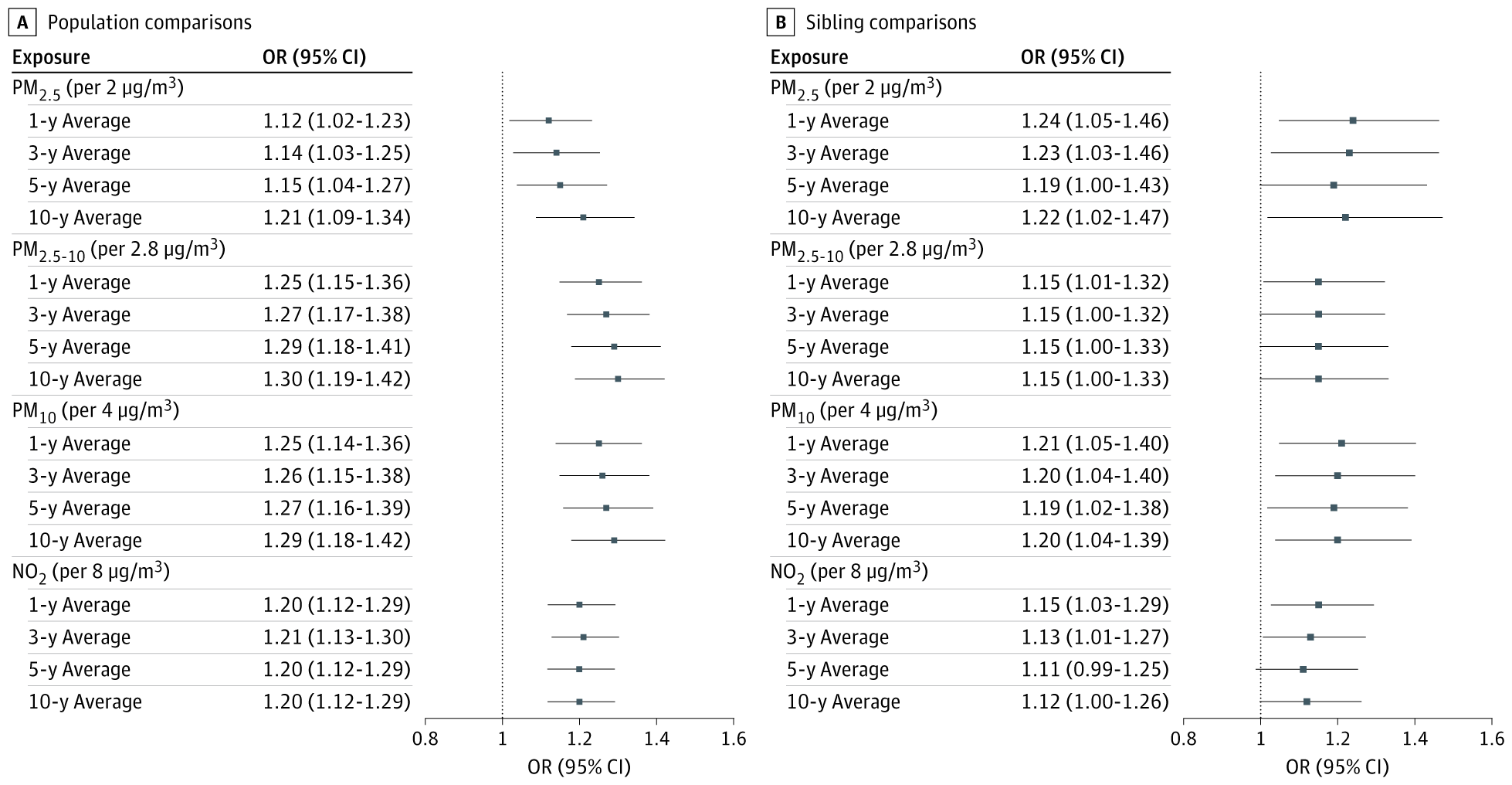
The research team from the Karolinska Institute in Sweden conducted a national study utilizing Sweden’s health registers to explore the possible contribution of environment to the development of diseases of the motor neurons. The investigators included 1,463 individuals with a diagnosis of motor neuron disease (MND), which includes ALS, from 2015 through mid-2023, with 1,057 individuals diagnosed with ALS. Each MND patient was matched with five individuals from the general population with the same age and gender at the time of diagnosis, generating over 7,000 controls.
In addition, the researchers included a second comparison group to eliminate potential familial biases associated with matching the five controls. This group consisted of 1,768 full siblings of the MND patients. Since full siblings share similar genetic and environmental exposures during early development, this design allowed researchers to control for the effects of pollution and the effects of genetics.
For each enrollee in the study, researchers recorded the place of residence for a maximum of 10 preceding years. The researchers calculated exposure for each individual to fine (PM2.5) and coarse (PM2.5–10) particulate matter, as well as nitrogen dioxide (NO₂), using a combination of satellite data, land use records, traffic records, and data collected from air monitoring stations located throughout Sweden.
“While average levels of pollution were either at or very close to the World Health Organization limits, we found an increased risk of developing MND with long-term exposure to higher pollution levels. The risk was 20% to 30% higher than for individuals who lived in areas with lower levels of pollution,” Ingre told The Brighter Side of News. “Our findings indicate that air pollution may not just play a role in the onset of the condition, but it may also impact the rate at which the disease progresses,” she added.
The strongest correlation between pollution exposure and risk of developing amyotrophic lateral sclerosis (ALS) occurred when averaging pollution exposure over time. The greatest risk was observed for individuals who lived in areas with high levels of pollution in the last 10 years. Similar trends were also observed when analyzing ALS or motor neuron disease (MND) separately.
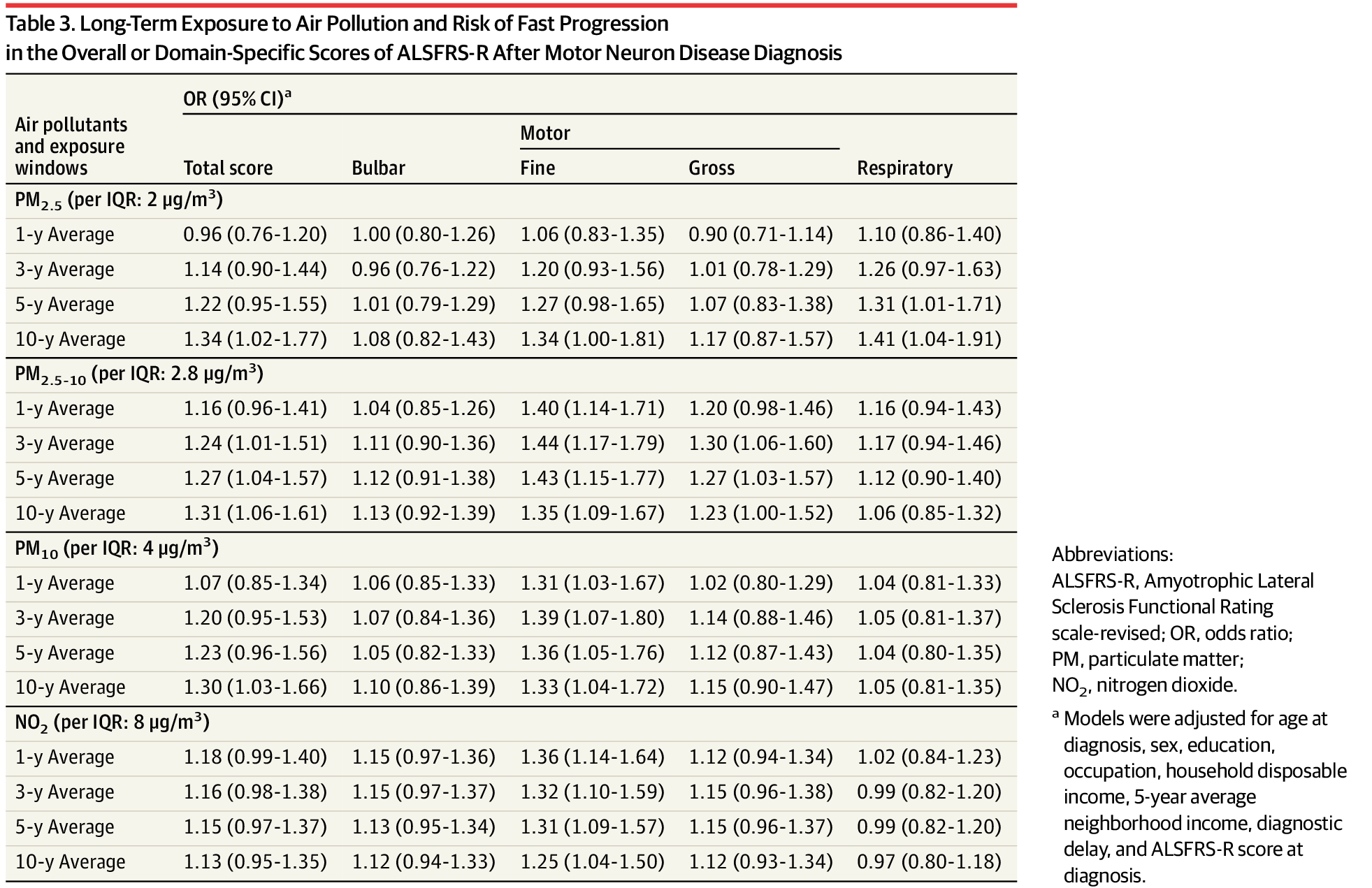
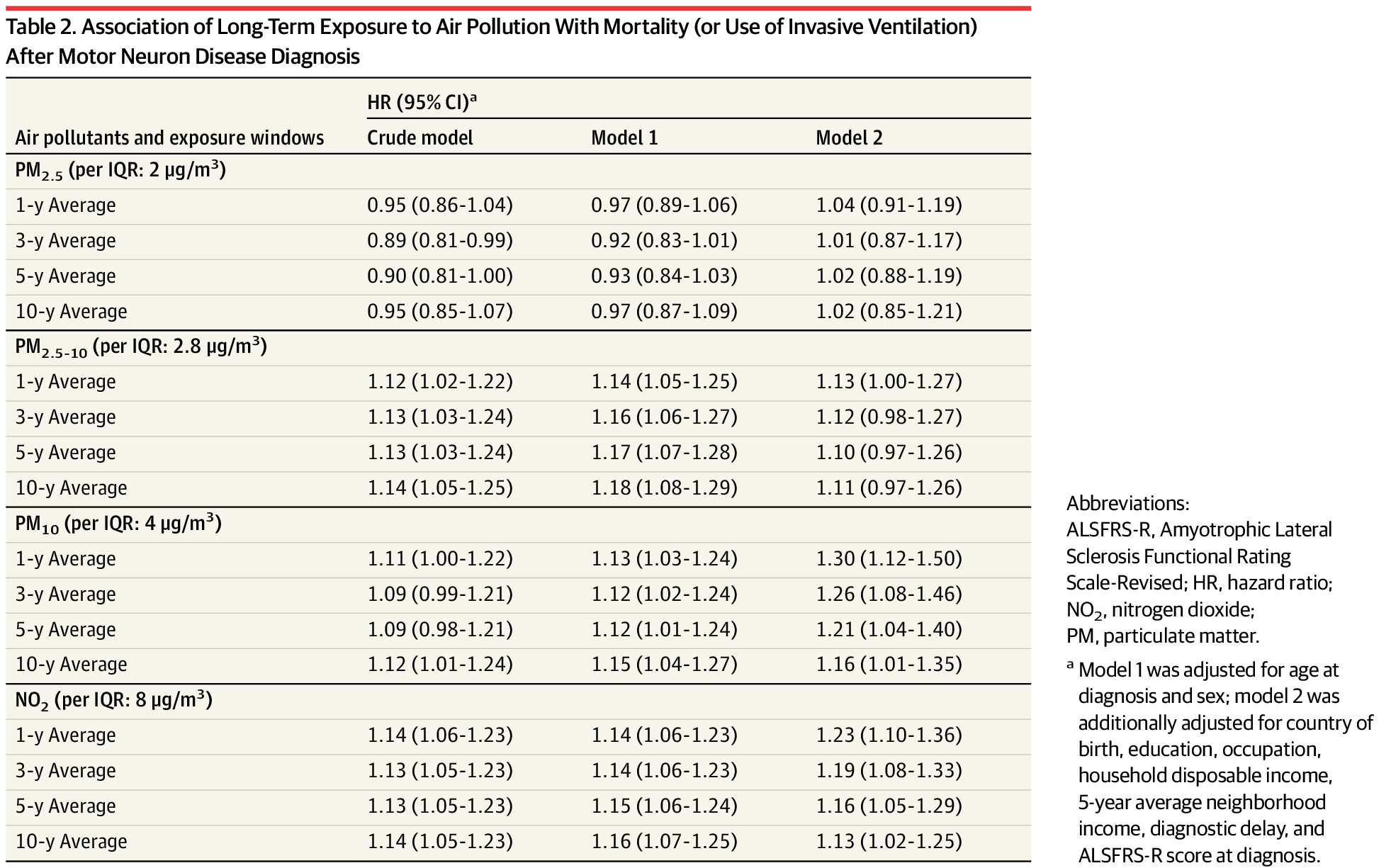
The researchers also tracked patients after diagnosis to determine whether there was a strong link between exposure to pollution and measures of functional outcome. Strength measurements were used to assess functional decline by tracking changes over time in three areas: speech, movement, and breathing. Patients with an increased level of pollution exposure prior to diagnosis experienced more rapid deterioration of their motor and respiratory functions.
Patients with an increased level of pollution exposure prior to diagnosis were also more likely to die or require invasive ventilation support. The strongest associations were found with nitrogen dioxide and relatively large particulate matter (PM2.5), particularly in the year before diagnosis.
Although this study cannot definitively attribute motor neuron disease to pollution, it has shown associations between specific types and concentrations of pollution exposure and motor neuron disease. Several earlier studies have examined pollution exposure and motor neuron disease and produced inconsistent results.
The authors of this study hypothesize that these inconsistencies are likely due to variations in sample size, pollution assessment methods, and length of follow-up after diagnosis. This study is unique due to its national sample, extensive case data, and the ability to examine rates of disease progression in addition to risks for developing motor neuron disease.
The findings from this study suggest that air quality may impact an individual’s risk for motor neuron disease as well as the rate of progression after diagnosis. For individuals, this underscores the need to reduce the amount of pollution exposure when possible. For scientists, this indicates a possible area of interaction between genetics and air quality that warrants additional exploration.
From a public health perspective, these results add to the body of research demonstrating the potential impact of even relatively low levels of air pollution on health. The authors suggest that by implementing public policies that reduce high-emissions vehicles and fine particulate material, the future burden of neurodegenerative disease could be reduced over time. They also suggest directing future research toward determining whether improving air quality will slow the disease process or prolong survival.
Research findings are available online in the journal JAMA Neurology.
Like these kind of feel good stories? Get The Brighter Side of News’ newsletter.
The post Air pollution linked to an increased risk of developing ALS, study finds appeared first on The Brighter Side of News.

