In one room, an adult caregiver paced around, patting their pockets and peeking underneath furniture. This indicated they were looking for something that was no longer there. Nearby, a dog observed closely before trotting to a cabinet shelf. Then it turned back to the caregiver, as if attempting to assist in locating the lost item. A cat observed everything happening as well, but tended to remain close to where it originally sat. It was just as observant.
Many pet owners have likely encountered this difference in temperament between dogs and cats. Recent scientific studies confirm these observations experimentally.
Scientists at Eötvös Loránd University and HUN-REN–ELTE in Hungary compared how toddler-aged children, companion dogs, and companion cats behaved when a caregiver searched for an object that had been hidden in a household setting. They focus on the manner in which each of these species exhibits unsought prosocial behaviors when someone in need is present.
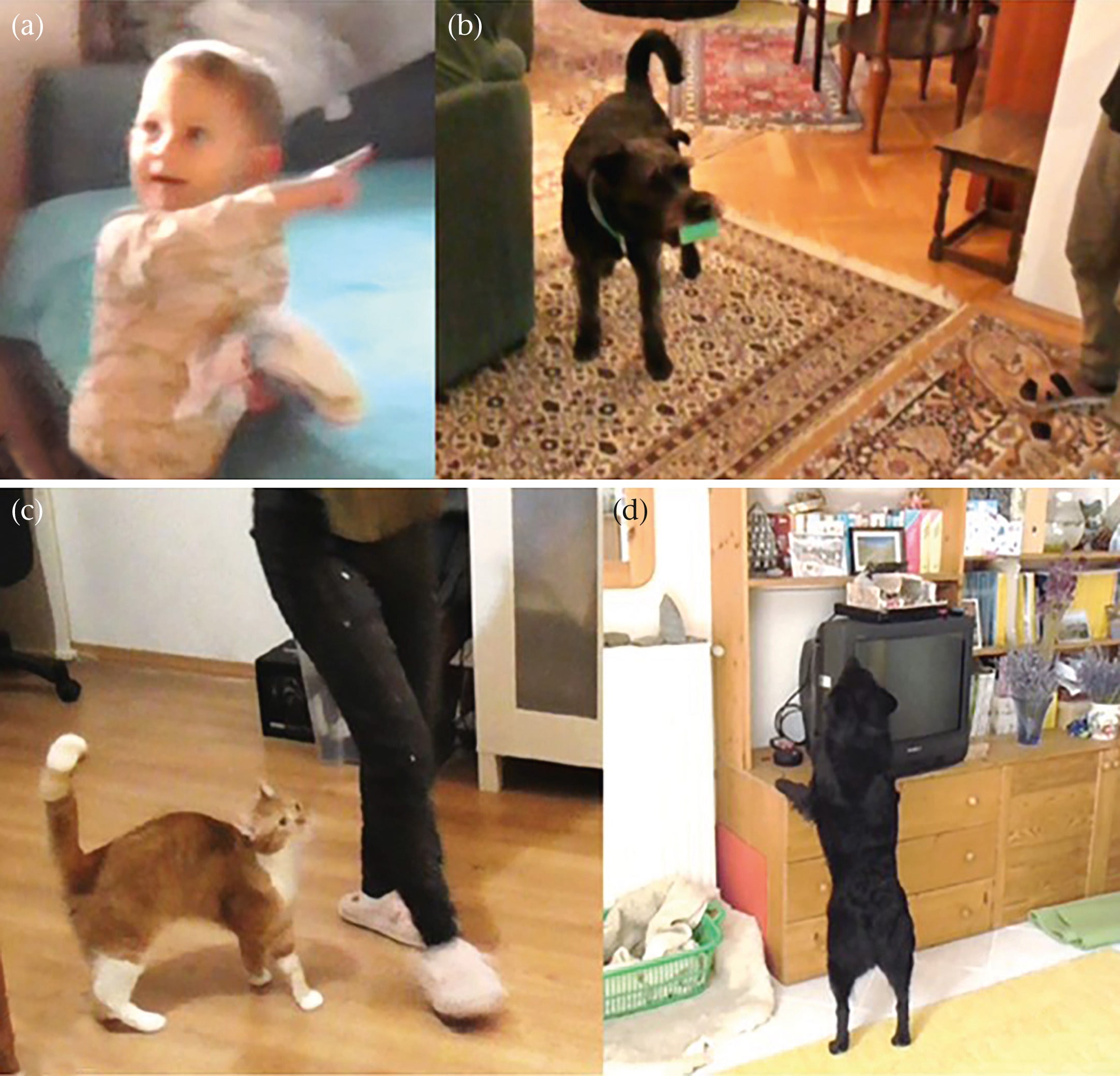
Among many findings, the researchers clearly identified that dogs and toddler children had very similar behavioral responses. When the situation arose, the majority of both groups attempted to indicate or retrieve the object for the caregiver.
“Researchers have previously shown that children will assist other people at this age,” says Melitta Csepregi, the first author of the study. “The majority of dogs and toddlers exhibit this type of behaviour in this study, and both groups actively engaged in this process. More than 75% of both groups searched for or retrieved the missing object.”
Testing conditions did not necessarily demonstrate behaviors typical of fully naturalistic environments. Each subject watched as an experimenter hid an object, typically a sponge, in the presence of the caregiver. The caregiver was then allowed to search for the object without asking for assistance, despite expressing some frustration. A total of 40 dogs, 27 cats, and 20 children aged 16 to 24 months took part in the study. All tests were carried out in the participants’ own homes, with the presence of familiar caregivers. This was done to minimize stress and maintain similar testing environments between species.
Researchers focused on behaviors that could indicate an inclination to help others. These behaviors included approaching the object of interest, manipulating the item, or alternating between glancing at the item and the person searching for it. This type of behavior is referred to as “showing.” Both dogs and children demonstrated it. In fact, dogs were sometimes seen bringing the item directly back to the person who had been searching.
While cats did appear to exhibit attentiveness similar to that of the other tested groups, they did not visibly attempt to assist in locating the hidden object except during the final “motivation” trials. In those trials, the hidden object turned out to be something the cat wanted or liked, such as a favorite toy or food item. Under those circumstances, cats indicated the location of the hidden item just as often as both dogs and children.
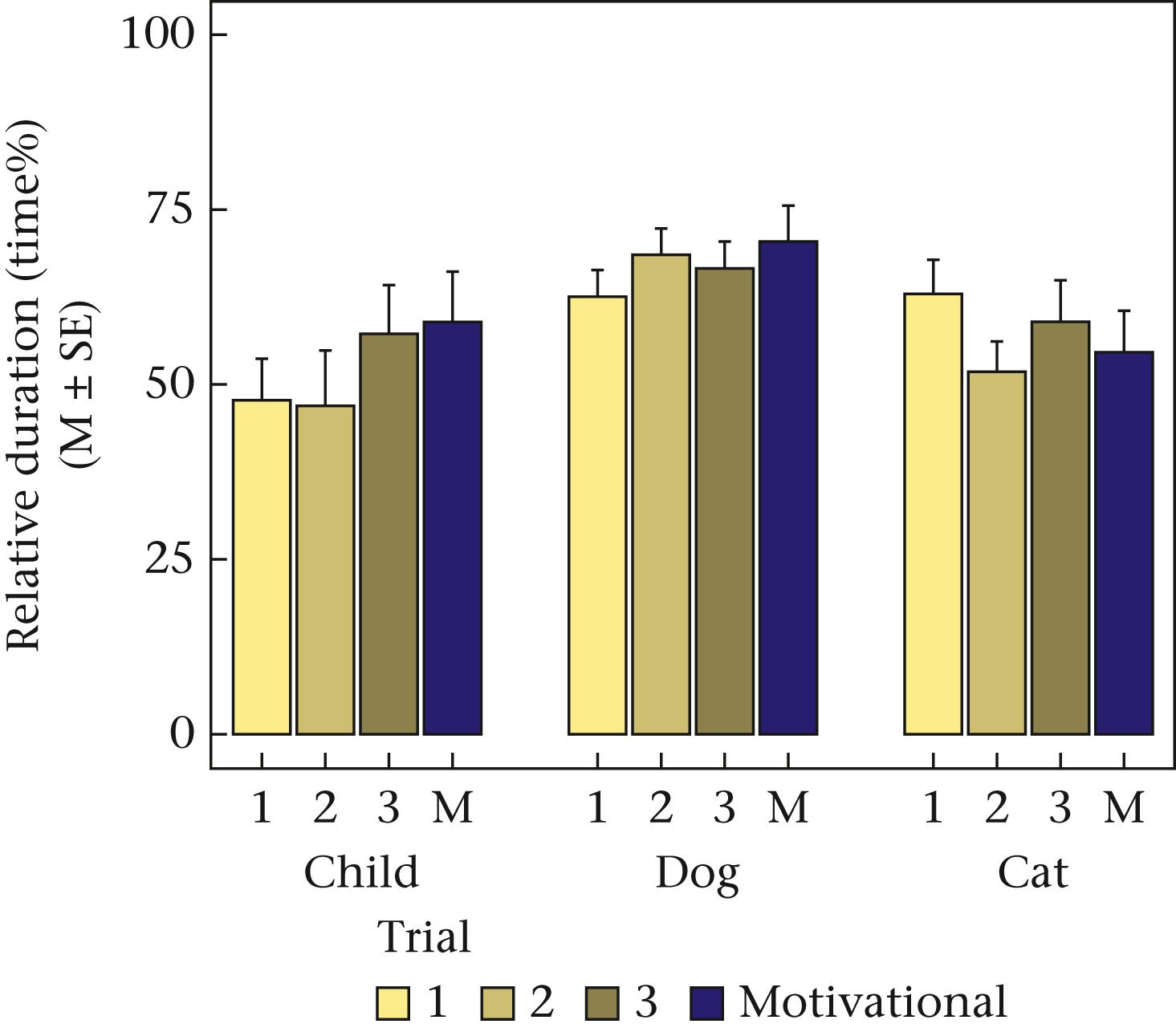
Based on these conclusions, it appears that cats can display the same behaviors as dogs and children. However, they may choose not to do so unless there is a personal stake involved with regard to the behaviors being measured.
Senior author Márta Gácsi stated, “This indicates that a history of domestication, coexisting in our homes, and forming close social bonds is not sufficient to explain why cats do not independently display helping behaviours in the same manner as do dogs and children.”
The results of this study may have deeper evolutionary implications.
To interpret the findings, researchers considered that dogs are descended from highly social ancestors that hunted cooperatively using teamwork. Pet species exhibit both behavioral and neurological similarities with one another. Dogs, for example, show many behaviors that resemble those seen in toddlers. Throughout their domestication process, dogs historically lived in human communities.
This allowed them to be selected for responsiveness to social cues from their human owners. In contrast, cats have historically lived more solitary lives. Instead of being specifically bred to cooperate with humans, cats developed relationships with humans through proximity within communities. Because of this evolutionary pathway, cats may be less likely to provide assistance to humans in ambiguous situations than dogs are.
The researchers also pointed out that the data do not mean that cats lack empathy or are not aware of their social environment. Instead, cats may require a more defined rationale for providing assistance to humans than dogs do. Because cats have historically lived without depending on caregivers for survival, there may not be the same motivation for helping another being. That is, unless some type of tangible reward is involved.
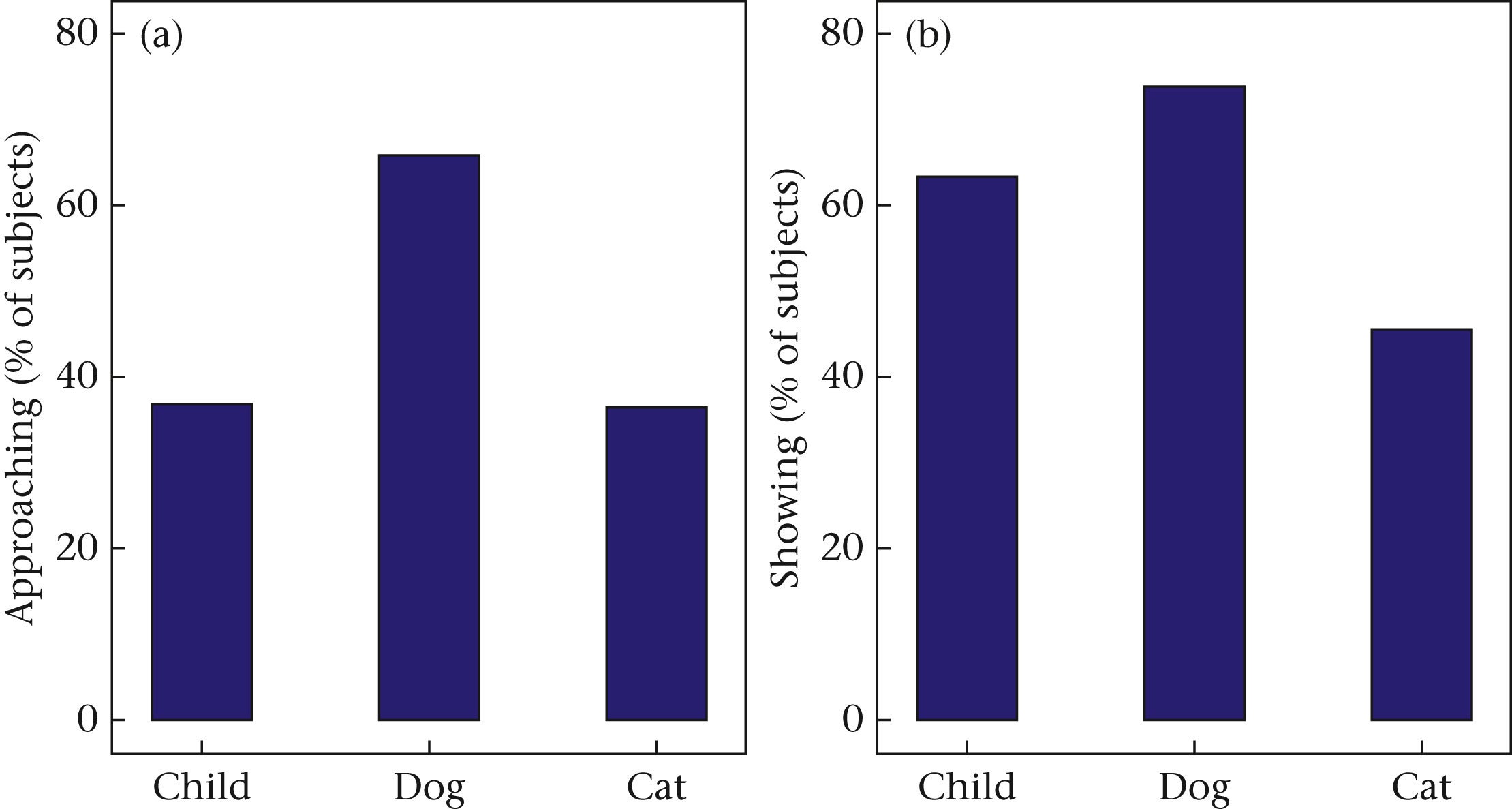
For example, both dogs and small children tend to act in similar ways when they see something they want to play with or retrieve. Specifically, both dogs and children will try to approach an object they want within similar time frames. In addition, both dogs and toddlers demonstrated similar likelihoods of manipulating or retrieving an object for a caregiver. When either a child or a dog gives an object directly to a caregiver, this is considered a strong demonstration of prosocial intentions.
However, just because dogs and children acted similarly does not mean that the motivations behind these behaviors are the same. For small children, helping may relate to empathy or a desire for reinforcement through praise. In the case of dogs, helping may be driven by social bonding with caregivers or by positive reinforcement received during previous interactions. The researchers did not attempt to determine the psychological mechanisms underlying these similarities.
Regardless of the underlying psychological mechanisms that drive these commonalities, both dogs and small children behave similarly in many different contexts.
Like many comparative studies, the research faced several challenges. Prior to testing the cats for their interest in retrieving items, the cats were deprived of food for several hours. This deprivation could have affected the cats’ baseline motivation for retrieving objects. In addition, the daily experiences of dogs and cats may vary greatly depending on the individuals training them or the discipline they receive. Therefore, this may substantially influence behavior.
Another limitation in interpreting the results is that when an individual does not respond to another’s actions, it cannot necessarily be concluded that the individual did not understand what was being communicated. A cat may have processed the experience differently when deciding whether to assist the caregiver. Alternatively, it may have required additional time to understand the caregiver’s actions.
Researchers also questioned whether cats understood that caregivers did not know where the object was hidden. This phenomenon is called “perspective taking,” which is a cognitive ability that most humans develop.
Results from this study may help individuals better understand how they interact with their pets on a daily basis. The findings indicate that dogs are likely to respond to human needs due to their evolutionary history and long-standing relationship with humans. Cats, in contrast, may be more selective in their responses due to their independent lifestyles and therefore less likely to become involved in helping behaviors.
Understanding how dogs and cats differ in their motivations for helping humans may help inform how pet owners train their animals to provide assistance.
Additionally, understanding these differences may aid caregivers in interpreting pet behavior and provide insight into how prosocial, or helping, behavior develops across species, including humans.
Research findings are available online in the journal Animal Behaviour.
The original story “Dogs act more like toddlers than cats when someone needs help” is published in The Brighter Side of News.
Like these kind of feel good stories? Get The Brighter Side of News’ newsletter.
The post Dogs act more like toddlers than cats when someone needs help appeared first on The Brighter Side of News.


Leave a comment
You must be logged in to post a comment.