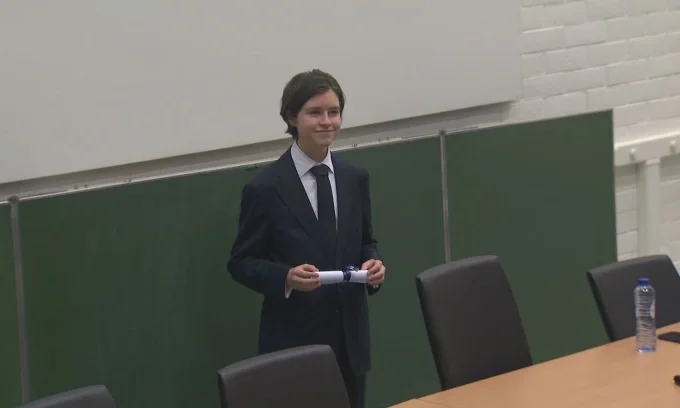
Laurent Simons is only 15, but he is already moving toward a goal that could shape the rest of his life. He wants to help people live longer and stay healthier. So far, that path has taken him through a PhD in quantum physics and into medical science, where he is now focusing on artificial intelligence.
He does not describe that mission in dramatic terms.
Instead, Simons talks about it like someone studying a system that has not been solved yet. “The way I look at death is as a huge puzzle with many pieces from many different fields, including biology, medicine, engineering, and physics, that haven’t been assembled yet,” said Simons. “My mission is to help put all of those pieces together.”
That outlook grew from something personal. His grandparents have cardiovascular disease, and seeing that shaped the direction of his life early. Rather than accepting illness as something inevitable, he began thinking about what it would take to understand it more deeply.
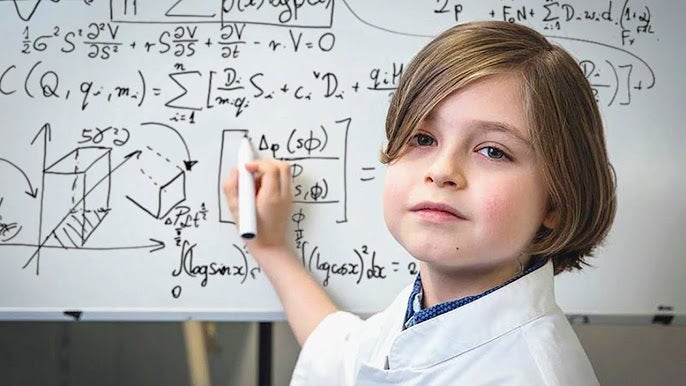
“I don’t want other people to have to go through losing their grandparents in that manner,” said Simons. “I aim to understand the process of disease more deeply and help create solutions that will change how we live and how healthy we will be, not just relieve symptoms.”
By the time many children are still settling into middle school, Simons was already moving through high school. He graduated at age 8 and began undergraduate studies in electrical engineering at Eindhoven University of Technolog before turning 10.
He later shifted to physics at the University of Antwerp after scheduling problems disrupted the engineering program. The change did not slow him down.
Simons completed his undergraduate degree in 18 months, rather than the standard three years. At age 12, he finished a master’s degree in quantum physics after completing the coursework in a single semester. He then earned a PhD in physics from the University of Antwerp, making him one of the youngest documented doctorate recipients in science.
Even so, his academic record does not appear to be the main thing that interests him.
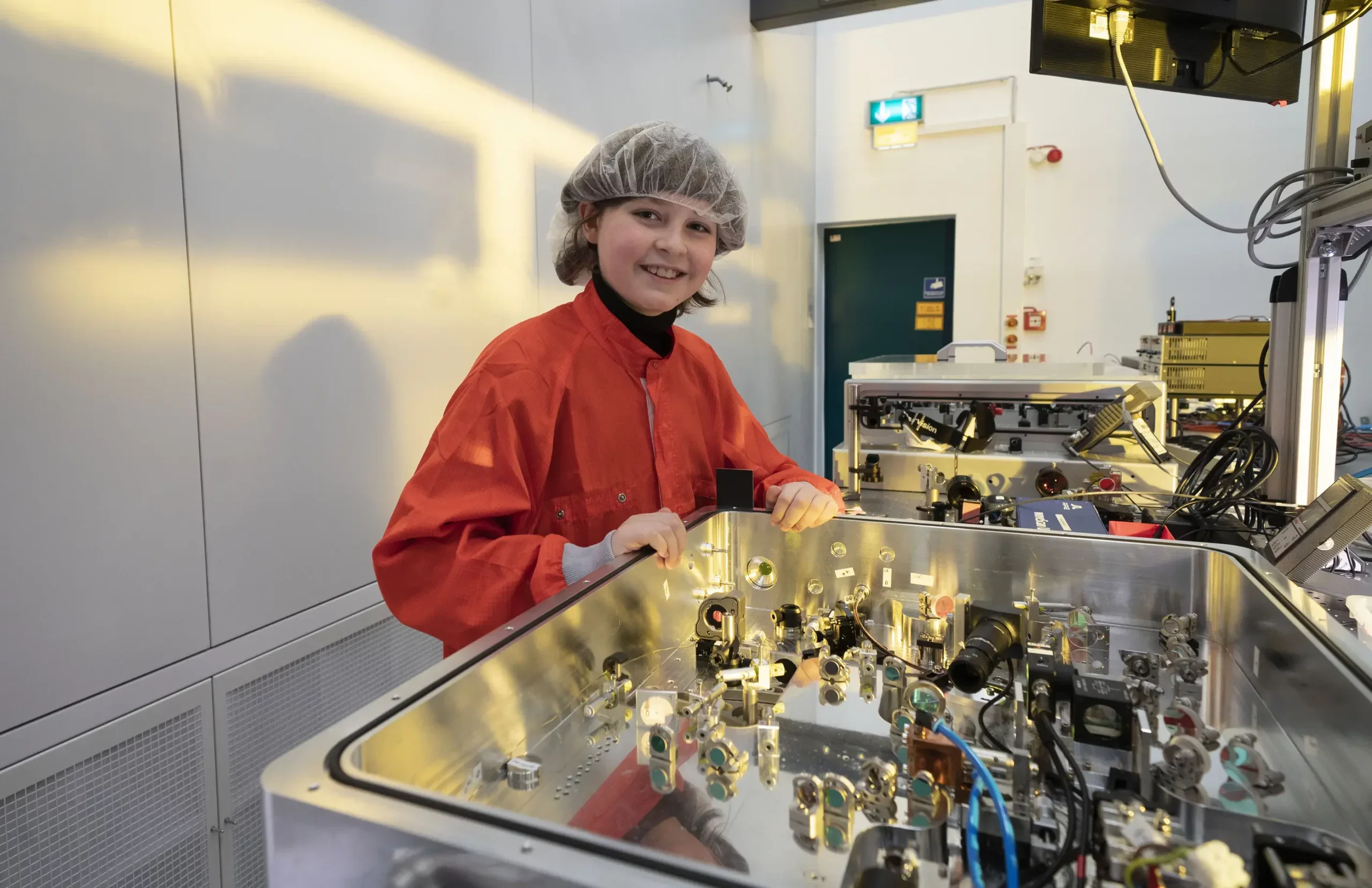
For Simons, each degree seems less like a trophy and more like a tool, something useful if it helps him tackle larger questions about health, disease, and the future of the human body.
His doctoral work focused on Bose-Einstein condensates, an unusual state of matter that appears at extremely low temperatures near absolute zero. In that environment, atoms stop behaving like separate particles and act together in a single quantum state.
Within that field, Simons studied how foreign material behaves when introduced into these systems. His research examined supersolid phases of matter, which combine properties that sound contradictory at first glance: superfluidity, meaning very low viscosity, and solidity, meaning stable structure.
That research sits in a highly technical area of physics, but it has possible applications in fields such as precision sensing and advanced materials.
Simons has also explained why physics appealed to him in the first place. “I chose Physics as my discipline because I believe to fully understand the universe, in my opinion, is through Physics.”
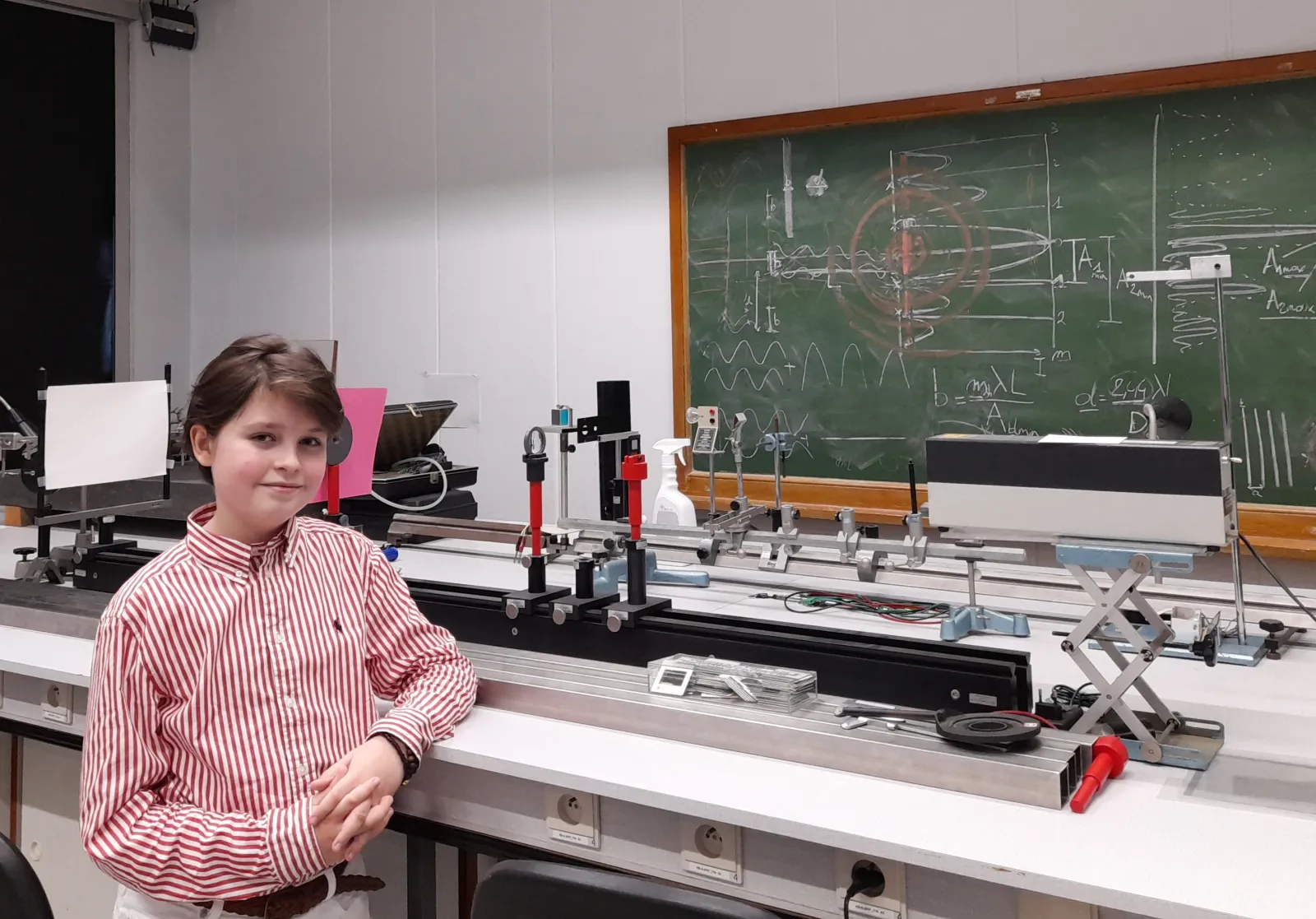
Seen that way, physics was not separate from his long-term ambition. It was one way of learning how complex systems work from the ground up.
His intelligence has been measured at 145, but Simons has credited his father with teaching him that intelligence alone is never enough. Discipline matters too, and his path so far reflects that balance.
Now he is taking that same drive into a new area. Simons recently began studying artificial intelligence at the University of Munich, with an emphasis on using AI to discover and treat disease.
That move places him in one of the most active areas in modern science. AI is already helping speed up medical imaging analysis, cancer detection, and protein structure calculations, compressing work that once took far longer.
Simons is especially interested in applying these tools to aging and degeneration. He has also pointed to artificial organs as one of the fields he finds most promising. “I’m particularly interested in the potential of creating engineered systems that can replace deteriorating body parts.”
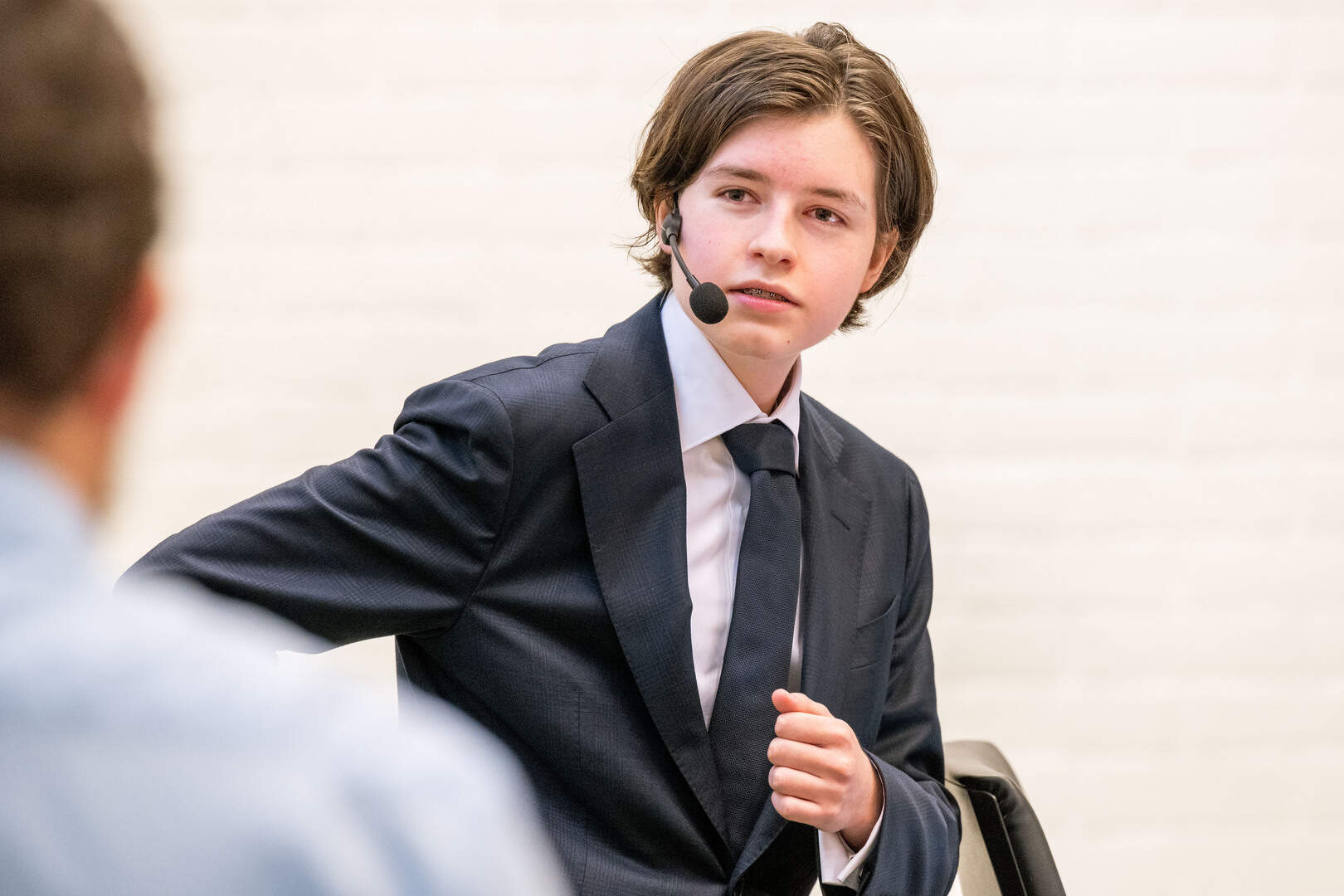
That helps explain one of his most widely shared remarks from an interview with Flemish network VTM: “Creating superior humans is my goal.” The phrase drew attention quickly, but he later clarified that he was referring to engineering better ways to replace damaged body parts and help people facing degenerative disease. In his explanation, the idea was practical, not theatrical.
His thinking lines up with a much broader movement in science. Researchers are increasingly using AI to study aging as a process that may be measured, modeled, and possibly influenced, rather than treated only after damage has already appeared.
That does not mean the science is simple. Aging remains one of biology’s hardest challenges, involving cellular damage, inflammation, immune system dysregulation, epigenetic drift, and interactions across many systems at once.
Still, the field is moving.
Recent work has used computational models to analyze large networks of longevity-related genes, search for drugs that might affect multiple aging pathways, and study cellular senescence, a state in which aging cells stop functioning normally and begin contributing to disease. Senolytic compounds, designed to remove those cells, are also being explored. At the same time, digital biology is giving researchers new ways to simulate living systems and test ideas more quickly.
There is still a large gap between results in worms, flies, or mice and anything that can reliably extend human life. Simons does not seem to pretend otherwise. He speaks about the future in terms of long-term effort, open questions, and problems worth solving over decades.
That realism may be one reason his story feels different from the usual prodigy narrative.
He sounds less interested in being celebrated for moving fast than in reaching a point where speed no longer matters and the work itself does. At 15, he has already moved through parts of academia at a pace few people will ever match. But the bigger story may be that he has found a direction early, and is pursuing it with unusual focus.
Whether the knowledge he gathers across physics, medicine, and AI will one day help answer the questions that first pushed him forward is impossible to know now.
What is clear is that he has already chosen a difficult problem, and he seems ready to spend a very long time working on it.
The original story “Meet the 15-year-old prodigy trying to unlock the secrets to human immortality” is published in The Brighter Side of News.
Like these kind of feel good stories? Get The Brighter Side of News’ newsletter.
The post Meet the 15-year-old prodigy trying to unlock the secrets to human immortality appeared first on The Brighter Side of News.


Leave a comment
You must be logged in to post a comment.