Alzheimer’s disease continues to rise as one of the most pressing health challenges facing aging populations today. It doesn’t just affect memory—it reshapes lives, places strain on families, and burdens health systems.
In the U.S. alone, over 6.7 million people are currently living with Alzheimer’s and related dementias. That number is expected to double by 2050, reaching nearly 13 million. Along with its emotional toll, the financial impact is massive. Dementia care costs are projected to exceed $360 billion in 2024 and may reach $1 trillion by mid-century.
This growing crisis has driven researchers to look deeper into how Alzheimer’s begins and progresses. While past studies have focused on individual risk factors like diabetes or depression, new research shows that Alzheimer’s is rarely the result of just one condition.
Instead, it unfolds through a complex series of health events that occur over time. By analyzing these sequences—also known as disease trajectories—scientists are uncovering early warning signs that could reshape diagnosis and treatment.

Researchers at UCLA Health have taken a major step toward understanding how Alzheimer’s develops by studying the medical histories of nearly 25,000 patients. Their findings, published in eBioMedicine, highlight four common pathways that lead to Alzheimer’s. Each pathway reveals a distinct route made up of related conditions that build up over time.
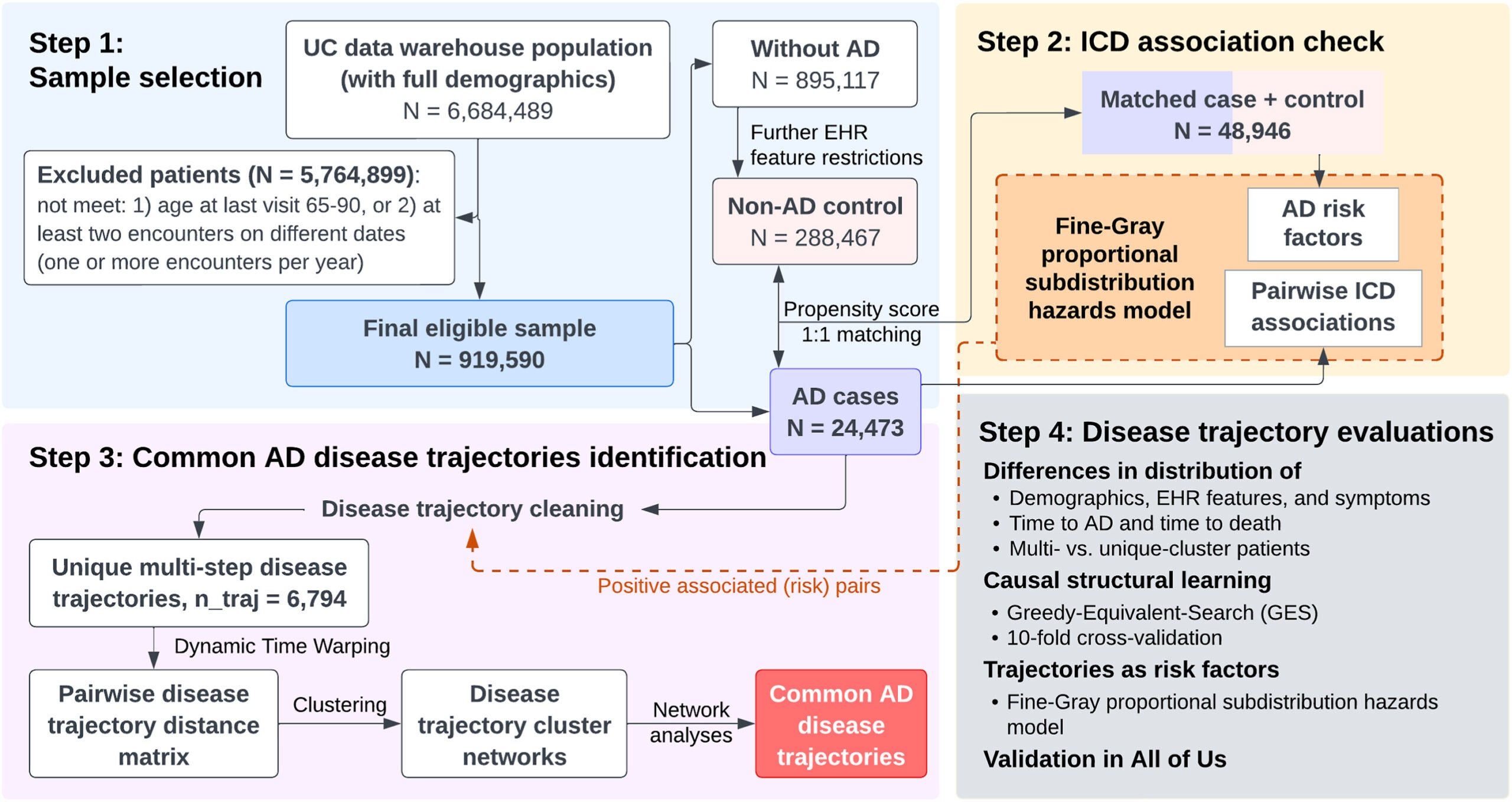
The research used health records from the University of California Health Data Warehouse and confirmed the results using a nationally diverse dataset from the All of Us Research Program. Rather than viewing each diagnosis as an isolated event, the study tracked how health problems occurred in sequence. This timeline-based method revealed how mental, physical, and neurological conditions connect in ways that often go unnoticed.
Lead author Dr. Timothy Chang, a UCLA neurologist, explains: “Recognizing these sequential patterns rather than focusing on diagnoses in isolation may help clinicians improve Alzheimer’s disease diagnosis.”
Related Stories
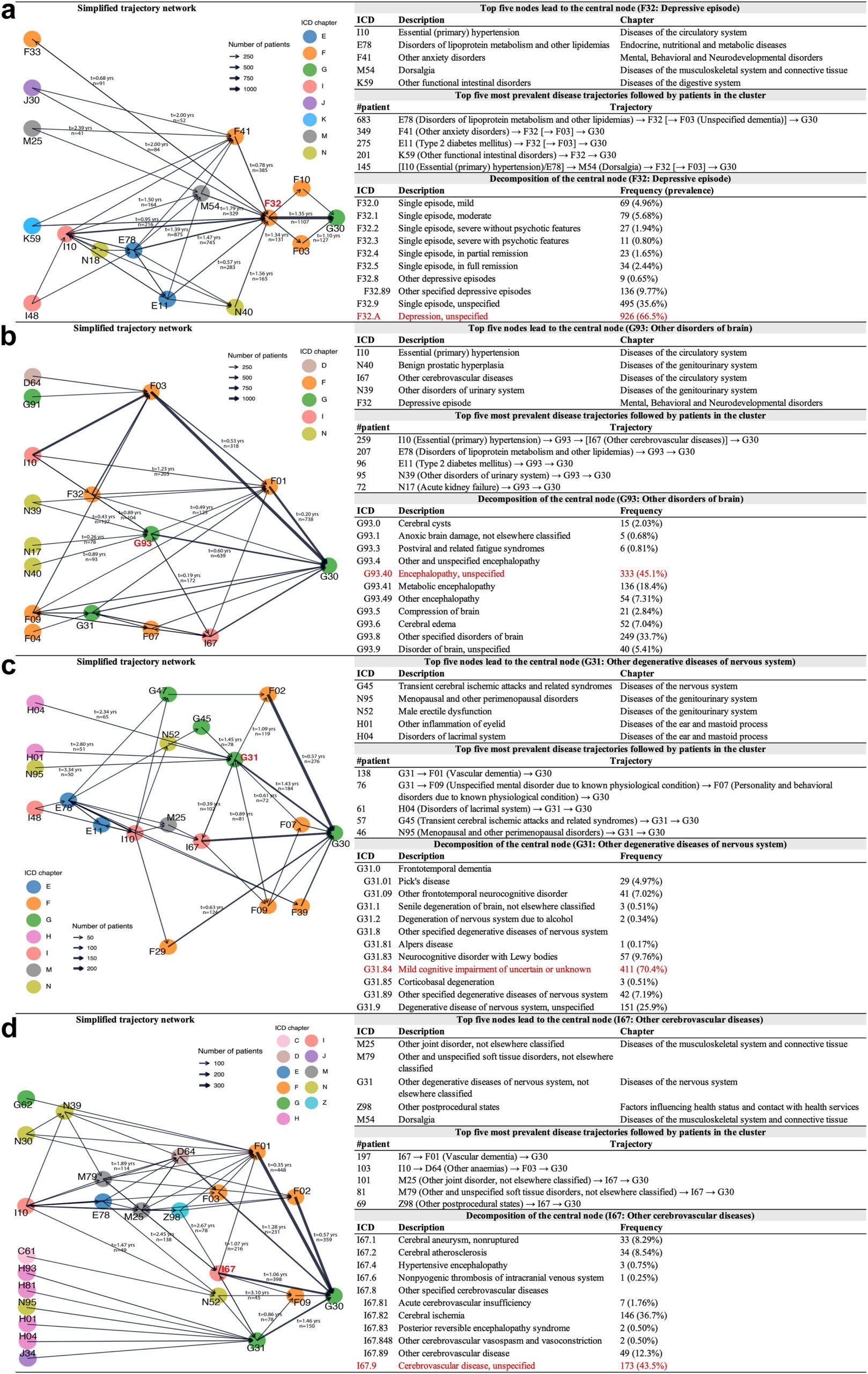
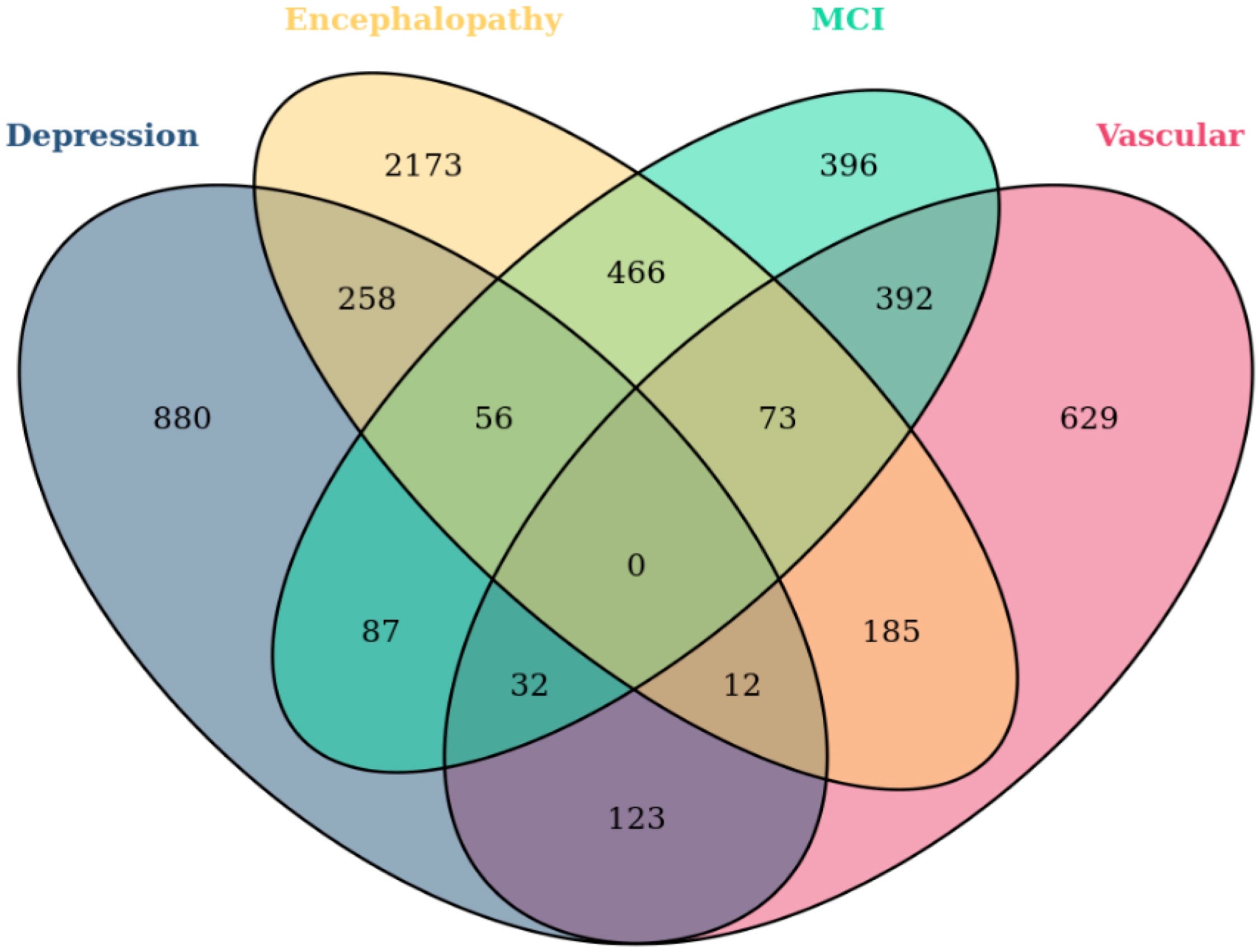
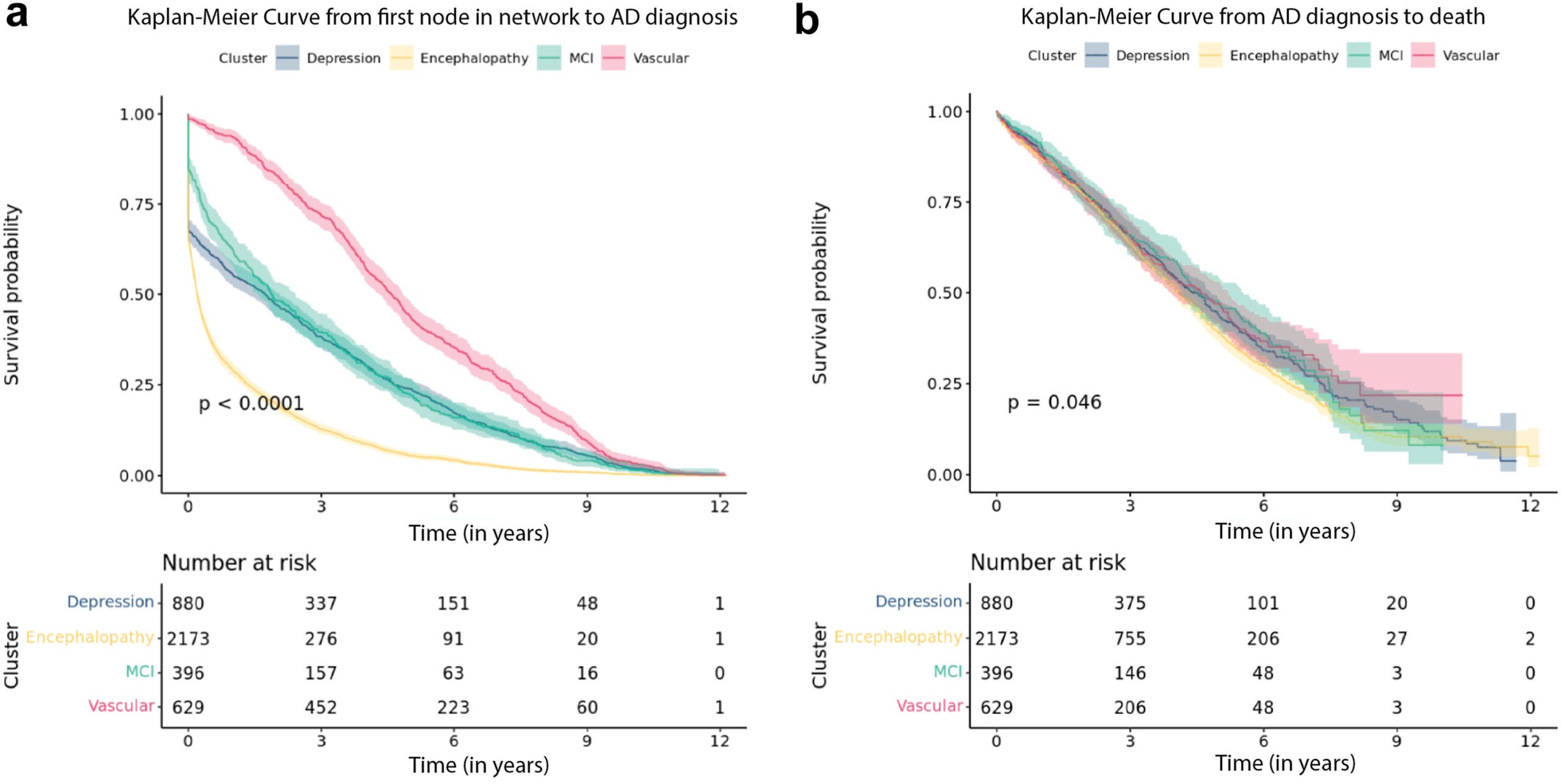
One key insight from the study is that Alzheimer’s doesn’t follow a single script. It can develop along different routes, depending on a person’s health history and risk factors. The UCLA team found four distinct progression patterns:
Each pathway reflects different medical and demographic backgrounds. For example, the vascular route may be more common among people with long-term hypertension, while those with chronic mental health issues might follow the psychiatric route. These findings suggest that the disease doesn’t look the same in everyone—and that prevention strategies should reflect those differences.
Mingzhou Fu, a UCLA medical informatics researcher and first author of the study, emphasizes the importance of this approach: “We found that multi-step trajectories can indicate greater risk factors for Alzheimer’s disease than single conditions. Understanding these pathways could fundamentally change how we approach early detection and prevention.”
The UCLA team didn’t just describe these disease pathways—they also tested how well they could predict Alzheimer’s outcomes. In an independent group of patients, the identified patterns predicted disease risk more accurately than any single diagnosis alone.
This stepwise approach provides three major advantages for healthcare:
The researchers discovered that in about 26% of cases, there was a clear and consistent order in which conditions appeared. For instance, high blood pressure often came before depression, and together they signaled a higher risk for future cognitive decline. These consistent patterns offer hope that clinicians could use electronic health records to spot red flags and take action before it’s too late.
To uncover these findings, the team studied 5,762 patients and their unique health records, identifying 6,794 distinct progression pathways toward Alzheimer’s. Using a process called dynamic time warping (DTW), they aligned timelines even when conditions occurred at different rates. Machine learning algorithms grouped similar patterns into clusters. Network analysis helped trace how one condition led to another across large groups of patients.
These advanced tools allowed researchers to move beyond traditional methods, which often treat disease as a series of disconnected snapshots. Instead, this approach captures the full timeline of illness—connecting the dots in a way that reveals not only what went wrong, but when and how.
Earlier studies tried to link diagnoses together by pairing them or finding the shortest connection between two diseases. For example, one previous analysis showed that “unspecified dementia” often came before an Alzheimer’s diagnosis, and conditions like hearing loss, diabetes, and hypertension came before that. But those earlier models often missed critical steps in between or oversimplified complex pathways. This new UCLA method overcomes those problems by tracking real patient experiences, not just statistical associations.
This research sheds new light on Alzheimer’s as a disease of progression, not just presence. Instead of waiting for memory loss to appear, it may be possible to act earlier—when the first conditions in a pathway begin to show up.
That could mean new roles for primary care providers, mental health professionals, and heart specialists. By working together and using trajectory data, they could spot the start of a dangerous sequence and help patients course-correct before it’s too late.
The validation in the All of Us Research Program—one of the largest and most diverse health datasets in the country—shows these findings hold true across populations. That broad applicability gives hope that these strategies can work nationwide, helping to manage Alzheimer’s risks in different communities.
As the disease continues to spread and strain the healthcare system, solutions like this—rooted in detailed timelines and personalized analysis—may offer the best chance to turn the tide.
Note: The article above provided above by The Brighter Side of News.
Like these kind of feel good stories? Get The Brighter Side of News’ newsletter.
The post Researchers discover four major health pathways that lead to Alzheimer’s Disease appeared first on The Brighter Side of News.

