A bowl of seaweed salad may hold more power than many people realize. Scientists in Australia now say compounds taken from seaweed could help stop norovirus, one of the world’s most contagious stomach viruses, before infection even begins.
New research from Griffith University and biotechnology company Marinova found that certain seaweed sugars can interfere with the virus’s ability to attach to human cells. That attachment step is critical because norovirus must latch onto molecules in the gut before it can infect the body.
The findings offer fresh hope against a virus that sickens more than 685 million people every year. Despite its enormous global impact, no approved vaccines or antiviral treatments currently exist for human norovirus infections.
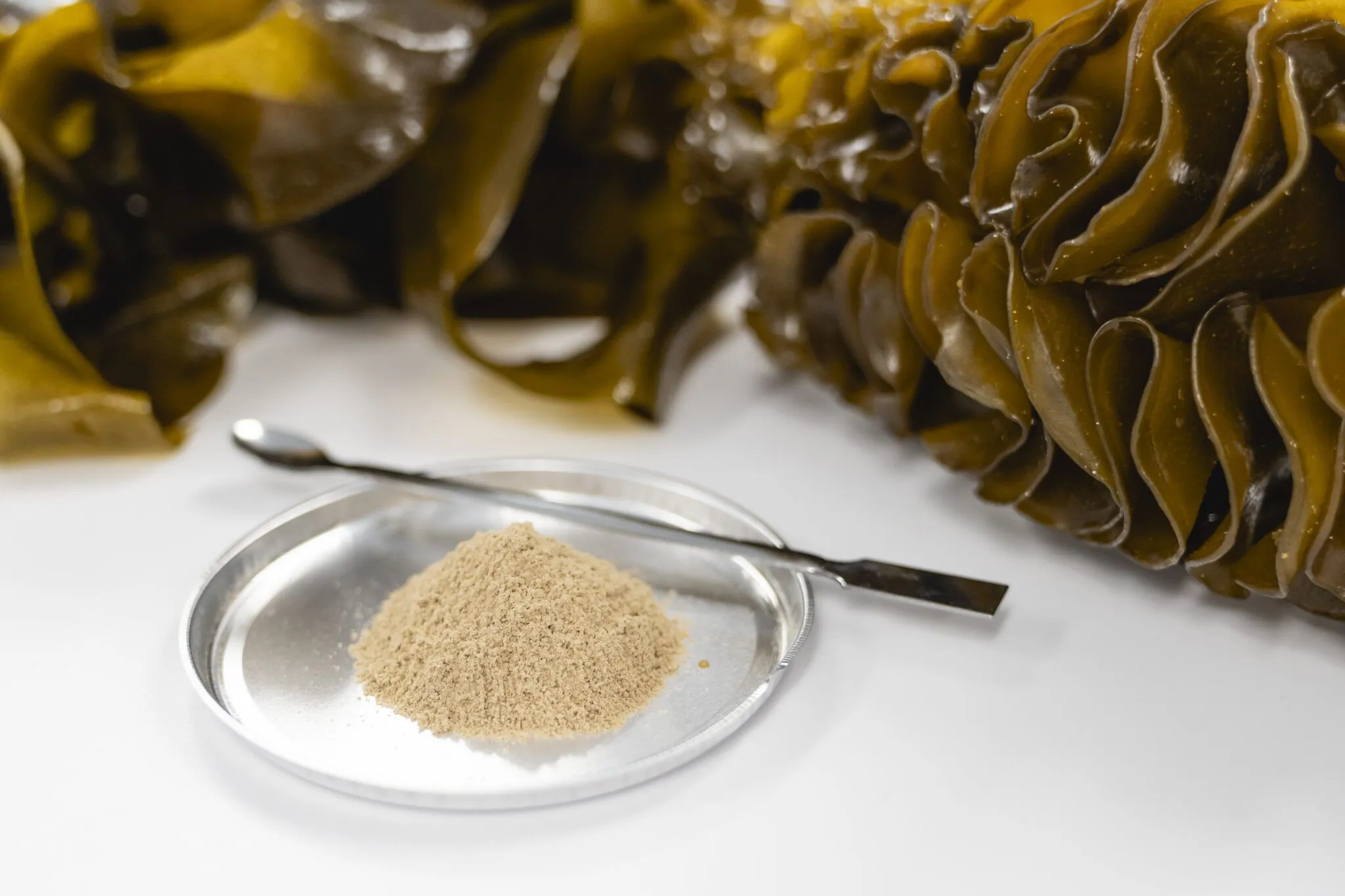
The study focused on special compounds from brown and green seaweeds called fucoidan and ulvan. Researchers found that fucoidan, especially from brown seaweed, showed strong and consistent blocking activity against two major strains of norovirus.
Norovirus causes acute gastroenteritis, an illness that inflames the stomach and intestines. Symptoms often include vomiting, diarrhea, nausea, stomach pain, fever, headaches and muscle aches.
The virus spreads quickly in crowded places such as schools, cruise ships, hospitals and restaurants. Even tiny amounts of the virus can trigger infection, making outbreaks difficult to control.
Scientists have spent years trying to understand how norovirus enters the body. The virus attaches itself to molecules called histo-blood group antigens, or HBGAs, which are found in human saliva and in the digestive tract. These molecules act almost like docking stations for the virus.
Researchers realized that if they could block this attachment process, they might stop infection before it starts.
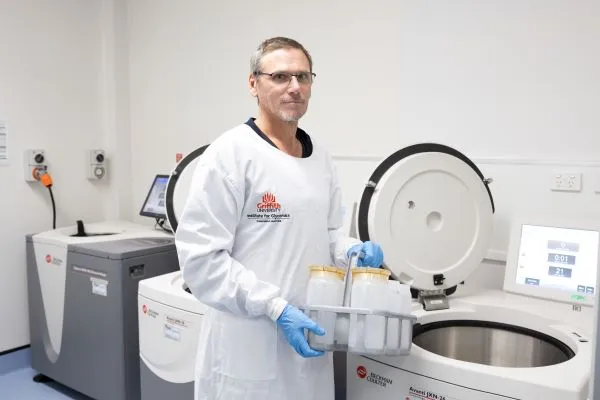
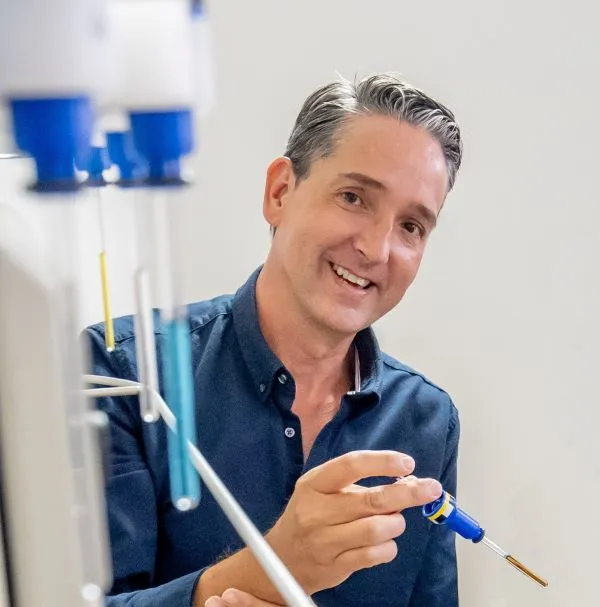
“We tested the seaweed compounds fucoidan and ulvan to see how well they prevented norovirus virus-like particles from binding to human saliva samples which contain HBGAs,” said senior author Dr. Grant Hansman from Griffith’s Institute for Biomedicine and Glycomics.
Scientists already knew that some sugars found in human milk can interfere with norovirus attachment. One compound, called 2′-fucosyllactose, acts like a decoy that keeps the virus from locking onto human cells.
The research team wanted to see whether larger and more complex sugars from seaweed could work even better.
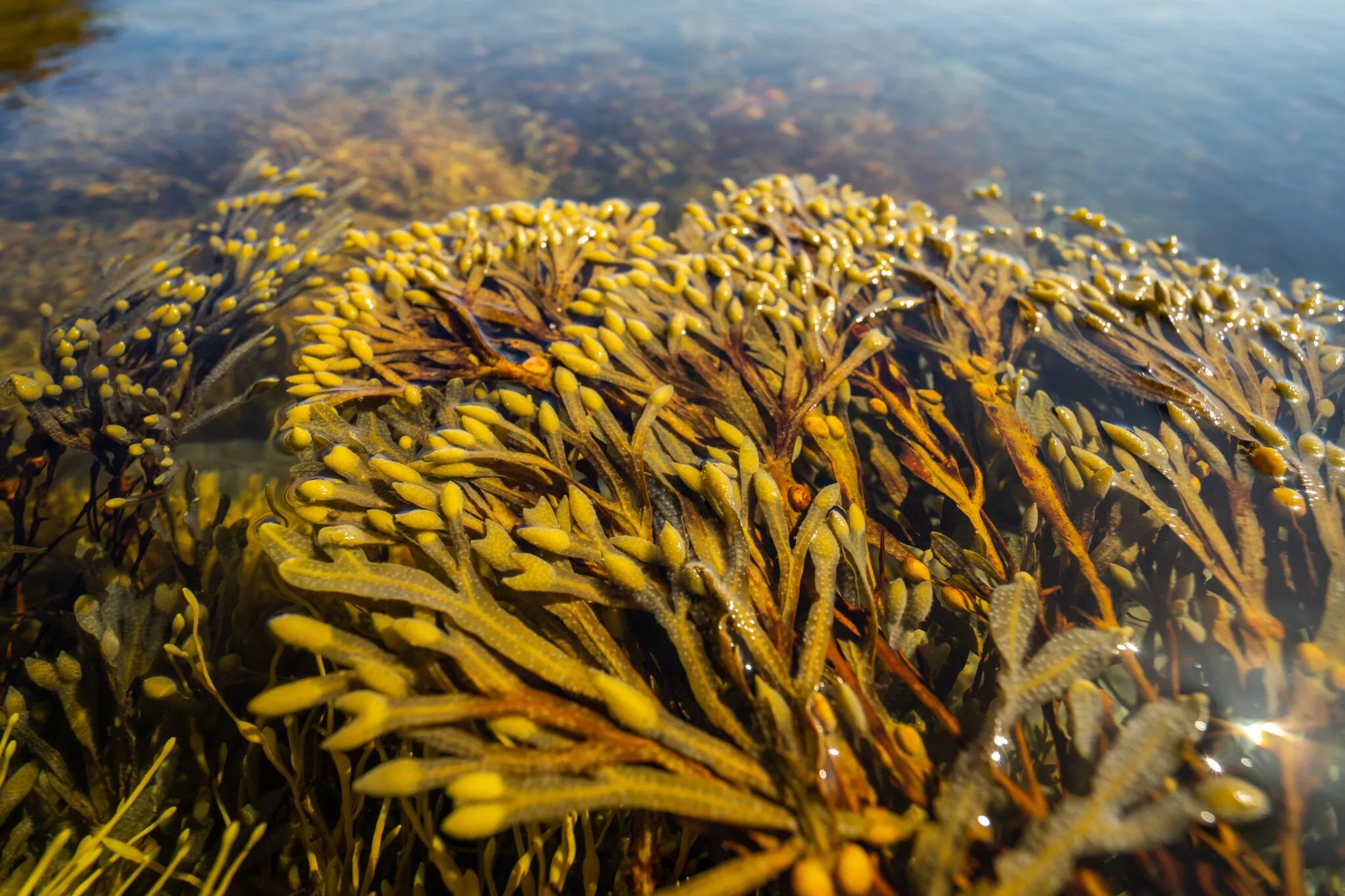
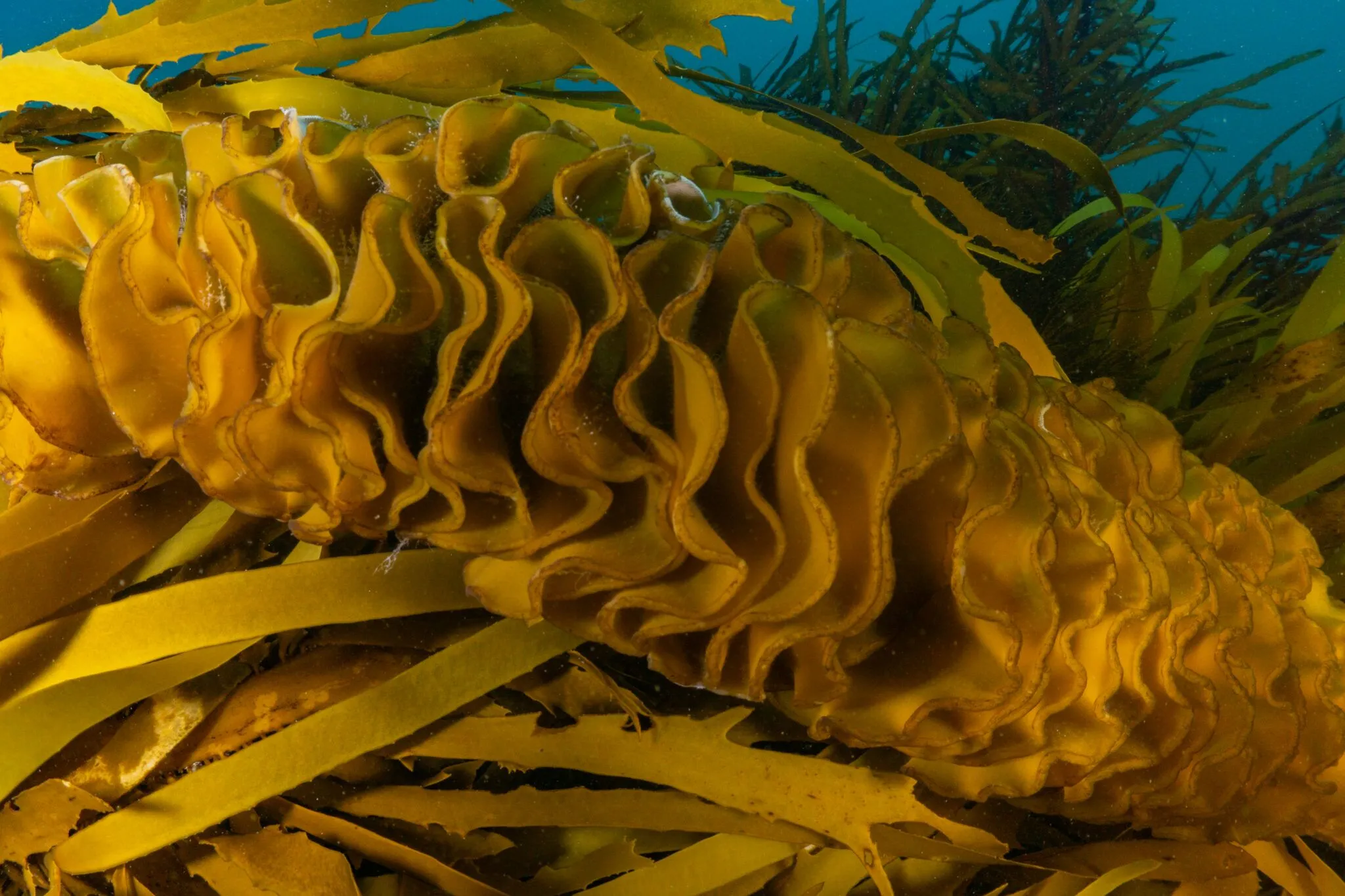
Fucoidan comes from brown seaweeds such as Fucus vesiculosus. Ulvan comes from green seaweed. Both belong to a group of large sugar molecules known as polysaccharides.
Unlike smaller sugars, these compounds contain long chains of repeating units and sulfate groups. Researchers suspected these structures could create a stronger physical barrier against the virus.
Laboratory testing confirmed that idea.
“Fucoidan, from brown seaweed, showed the strongest and most consistent blocking activity against two major norovirus strains, GII.4 and GII.17,” Hansman said.
To test the compounds, researchers used a laboratory neutralization assay. They mixed seaweed extracts with virus-like particles that mimic norovirus behavior. They then exposed those mixtures to saliva samples containing HBGAs.
The results showed that fucoidan strongly reduced viral binding.
For the GII.4 strain, fucoidan achieved inhibitory concentrations ranging from 0.71 to 3.81 milligrams per milliliter across blood types A, B and O. For GII.17, values ranged from 0.82 to 1.42 milligrams per milliliter.
Lower inhibitory values mean stronger performance because less material is needed to block the virus.
By comparison, ulvan required much larger concentrations to achieve the same effect. The human milk sugar 2′-fucosyllactose also performed less strongly than fucoidan.
Researchers believe fucoidan works in two important ways.
First, parts of the molecule fit directly into the virus’s HBGA binding pocket. This blocks the docking site the virus normally uses to attach to cells.
Second, the large sugar chains create what scientists describe as a steric barrier. In simpler terms, the molecules physically surround the virus and make attachment much harder.
“The fucoidan likely bound to the HBGA binding pocket to form a physical shield making it harder for the virus to attach,” Hansman explained.
The research team also used advanced molecular modeling to better understand the interaction between the virus and the seaweed compounds.
Scientists created three-dimensional models of fucoidan and ulvan and compared them against detailed structural maps of the GII.4 and GII.17 virus capsids.
The models showed that smaller sugar sections from fucoidan fit neatly into the viral binding regions without major structural clashes. Larger chains stretched outward from the viral surface in a spiral-like shape.
This arrangement supported the idea that fucoidan creates both chemical interference and a physical blockade.
The virus could struggle not only to bind to cells but also to move and orient itself correctly during infection.
Chemical analysis revealed important differences among the tested extracts.
The most effective fucoidan extract contained 74.5% total sugars and 27.8% sulfate content. More than half of its sugar composition came from fucose, a sugar strongly linked to HBGA binding.
Ulvan had lower sugar content and a different chemical structure dominated by rhamnose instead of fucose. These differences may explain why ulvan showed weaker antiviral activity.
Researchers also tested depyrogenated fucoidan extracts from different seaweed sources. While some still showed inhibition, they performed less consistently than the primary Fucus vesiculosus fucoidan.
The findings suggest that both structure and sulfate content play major roles in antiviral strength.
Scientists caution that the research remains in the laboratory stage. Human clinical trials are still needed before fucoidan could become a recognized treatment or preventive therapy.
Still, researchers say the findings are encouraging because fucoidan already has a history of dietary use and appears well tolerated in humans.
“Our study highlights that fucoidan could be a promising, natural treatment for preventing norovirus infection,” said co-senior author Associate Professor Thomas Haselhorst.
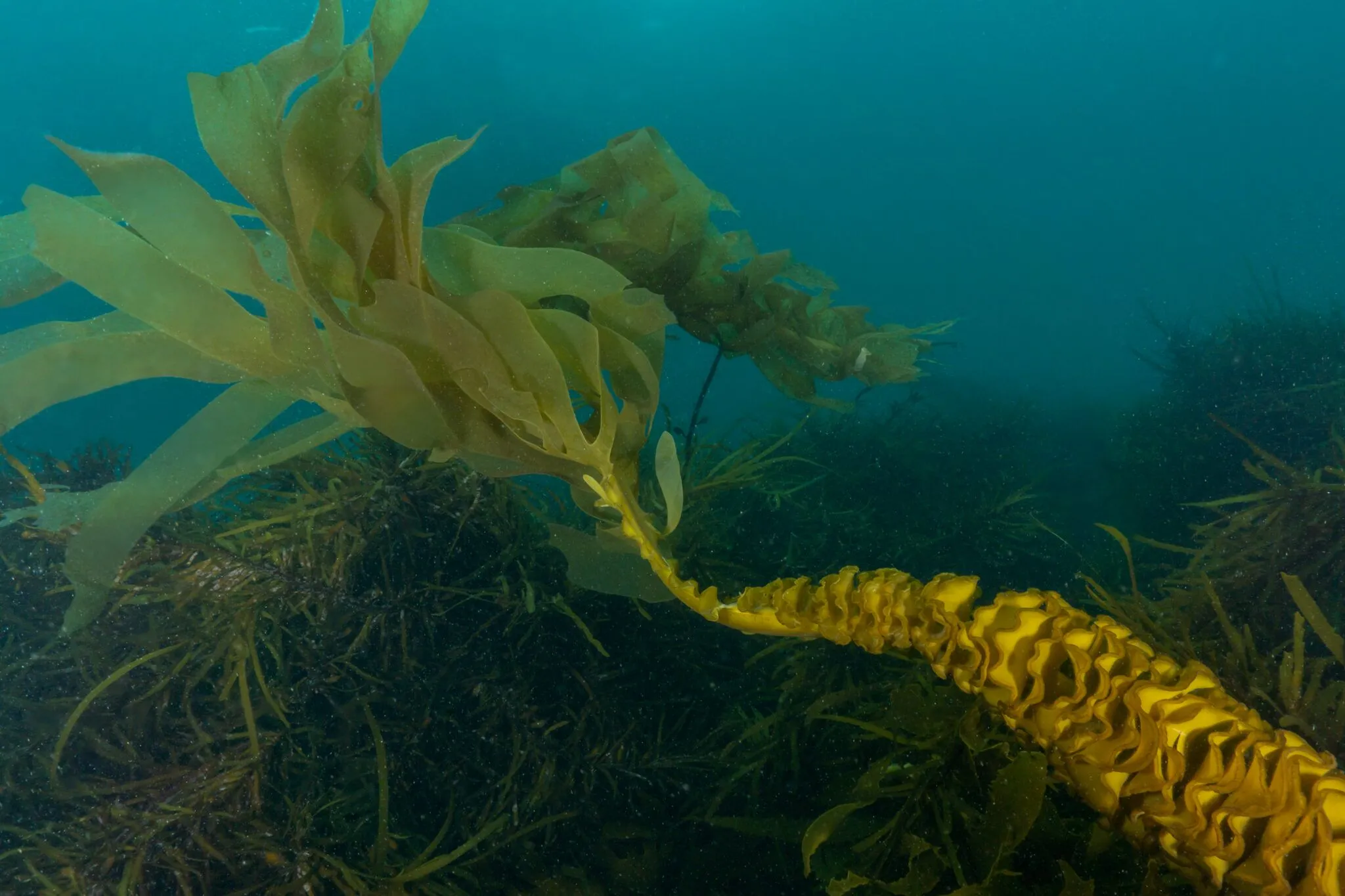
Fucoidan already appears in some dietary supplements, which may help future development move more quickly.
Researchers are now studying how to formulate fucoidan so it survives effectively inside the digestive tract and provides maximum protection where the virus attacks.
This research could eventually lead to new ways to prevent norovirus outbreaks, especially in places where infections spread rapidly. Hospitals, nursing homes, schools and cruise ships could benefit from preventive treatments that block the virus before symptoms begin.
Fucoidan-based therapies may also offer a natural alternative to traditional antiviral drugs. Because the compound appears to stop the virus from attaching to human cells, it targets infection at its earliest stage rather than treating symptoms later.
The findings could also inspire broader research into marine compounds as antiviral tools. Seaweed contains many unique molecules that scientists are only beginning to understand. Future studies may uncover additional compounds capable of fighting viruses or supporting immune health.
With hundreds of millions of infections occurring every year, even modest advances against norovirus could improve public health worldwide and reduce the economic burden tied to outbreaks, hospitalizations and lost productivity.
Research findings are available online in the journal Microbiology Spectrum.
The original story “Seaweed compound may block norovirus infection – helping 685 million people each year” is published in The Brighter Side of News.
Like these kind of feel good stories? Get The Brighter Side of News’ newsletter.
The post Seaweed compound may block norovirus infection – helping 685 million people each year appeared first on The Brighter Side of News.


Leave a comment
You must be logged in to post a comment.