For decades, scientists have looked to the oceans for answers about one of Earth’s biggest climate mysteries: Why did atmospheric carbon dioxide rise so dramatically as the planet emerged from the last Ice Age?
A new study from the University of Gothenburg suggests the answer may lie much closer to home, buried beneath frozen ground that stretched across vast areas of the Northern Hemisphere.
The research indicates that thawing permafrost released enormous amounts of stored carbon as temperatures climbed after the last Ice Age. According to the study, those emissions may have accounted for nearly half of the increase in atmospheric carbon dioxide during the transition from a frozen world to the warmer climate humans know today.
The findings offer a fresh perspective on how natural climate systems worked in the past. They also raise concerns about what could happen as modern warming accelerates the thawing of today’s permafrost regions.
For many years, scientists believed the oceans were the primary driver of changes in atmospheric carbon dioxide between glacial and interglacial periods.
During ice ages, carbon dioxide levels dropped significantly. As the climate warmed and glaciers retreated, atmospheric concentrations rose by roughly 100 parts per million. Researchers largely attributed that increase to changes in ocean circulation and temperature.
Warmer oceans generally hold less carbon than colder ones. As oceans warmed after the Ice Age, they likely released substantial amounts of stored carbon back into the atmosphere.
While that explanation remains important, the new research suggests it tells only part of the story.
“We have concluded that land north of the Tropic of Cancer, 23.5 degrees north, emitted a lot of carbon when the average temperature rose in the northern hemisphere after our last ice age. We estimate that this carbon exchange may have accounted for almost half of the rising carbon dioxide levels in the atmosphere,” said Amelie Lindgren, researcher in ecosystem science at the University of Gothenburg.
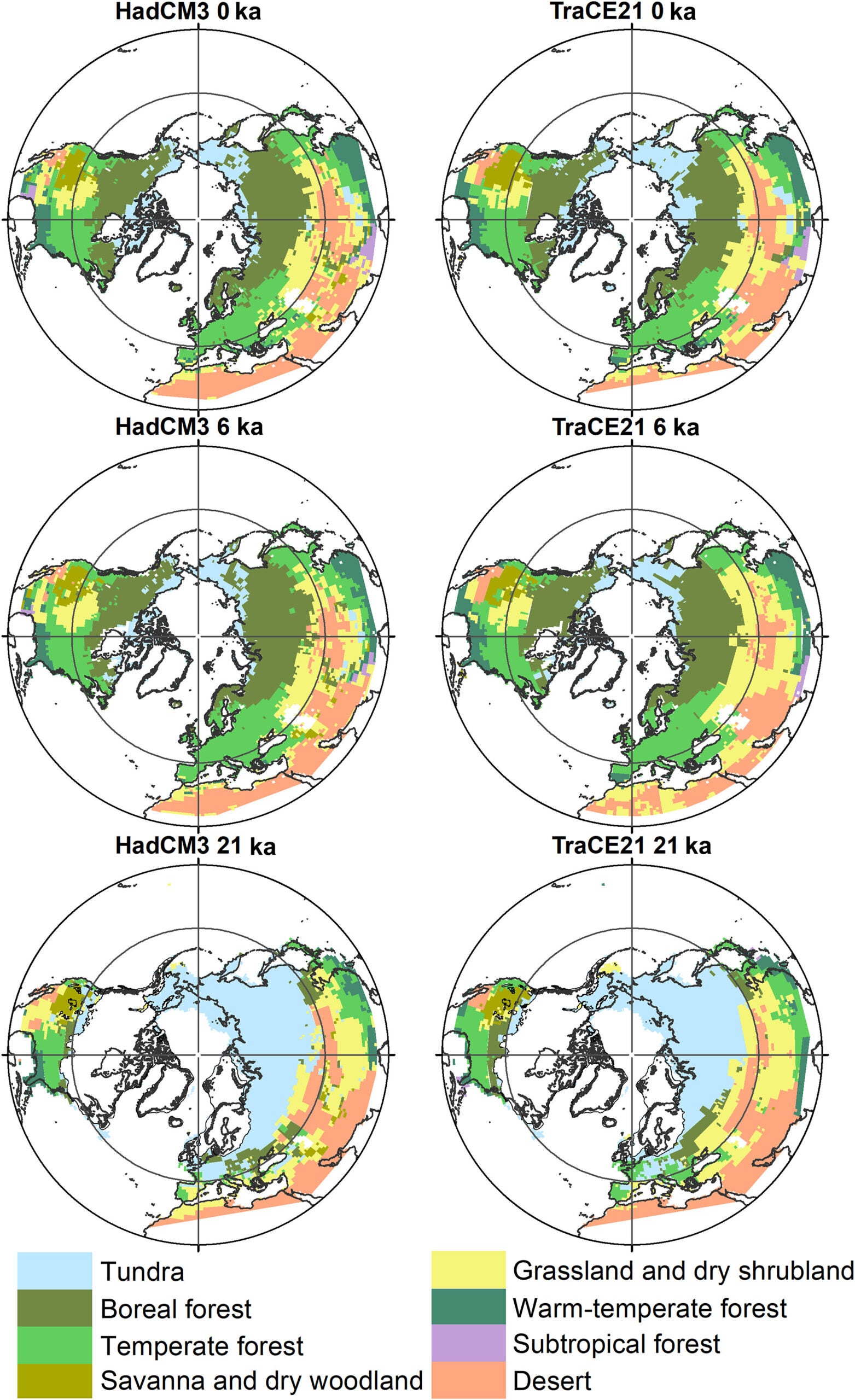
The study focuses on regions north of 23.5 degrees latitude, including parts of Europe, Asia and North America that experienced extensive permafrost conditions during the last Ice Age.
At the peak of the last Ice Age about 21,000 years ago, much of the Northern Hemisphere looked dramatically different than it does today.
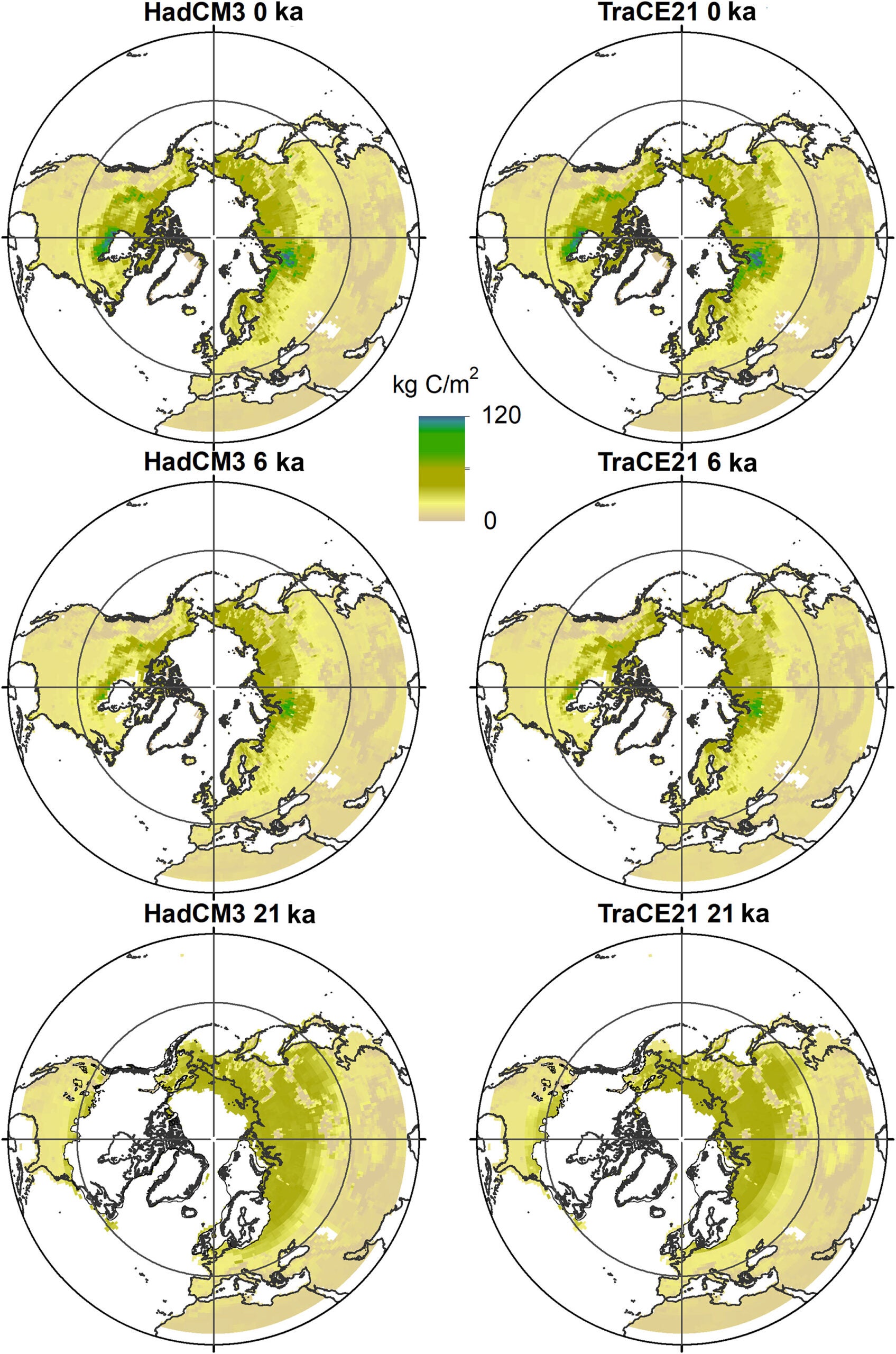
Massive ice sheets covered all of Scandinavia and much of present-day Canada. Vast areas of Siberia, China and parts of central Europe remained locked beneath permafrost.
Under those frozen conditions, plants, grasses and other organic matter accumulated in the soil but decomposed very slowly. Cold temperatures prevented microbes from breaking down the material efficiently.
Over thousands of years, huge quantities of carbon became trapped underground.
Researchers point to a special type of deposit called loess as one of the major storage sites. Loess forms when wind carries fine rock dust across landscapes during glacial periods. Layer upon layer accumulates over time, sometimes reaching tens of meters thick.
Organic material became buried beneath these dusty sediments and remained preserved by frozen ground.
Permafrost played a critical role in this process. Even ordinary frozen soils can hold far more organic carbon than unfrozen ground because decomposition slows dramatically in cold conditions.
The result was a vast carbon reservoir spread across northern continents.
To understand how these ancient carbon stores changed over time, the research team combined pollen records with climate model data.
Pollen grains preserved in sediments provide a detailed record of past vegetation. Different plants produce unique pollen signatures, allowing scientists to reconstruct ancient landscapes.
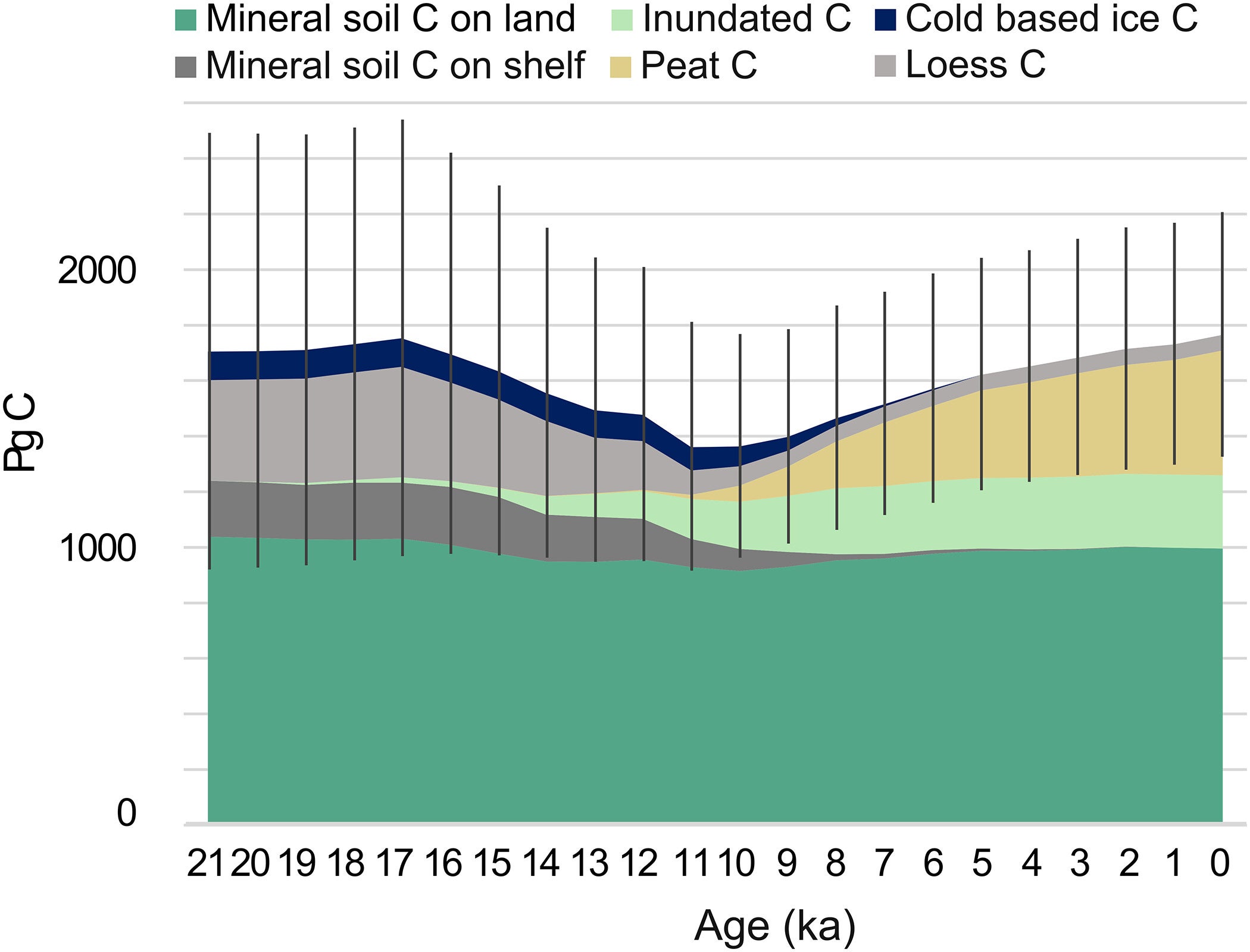
“We have chosen to take a snapshot every thousand years. Once we know what type of vegetation prevailed, we can estimate how much carbon were stored in the soil. In this way, we can model how carbon exchange between the soil and the atmosphere has looked since the last ice age,” Lindgren said.
The team examined changes across the past 21,000 years, creating a timeline of vegetation shifts and carbon storage patterns.
Their analysis revealed dramatic changes as temperatures increased.
Between about 17,000 and 11,000 years ago, the climate warmed substantially. As frozen ground thawed, long-preserved organic matter began decomposing. Carbon that had remained trapped for thousands of years started entering the atmosphere as carbon dioxide.
The researchers estimate northern land areas released more than 300 petagrams of carbon during this period. One petagram equals one billion metric tons.
At its lowest point around 11,000 years ago, northern terrestrial carbon storage had fallen by more than 300 billion metric tons compared with Ice Age levels.
The study estimates that cumulative land-based carbon losses may have contributed roughly 52 parts per million of atmospheric carbon dioxide increase. Atmospheric concentrations rose by about 90 parts per million during the broader transition from glacial to interglacial conditions.
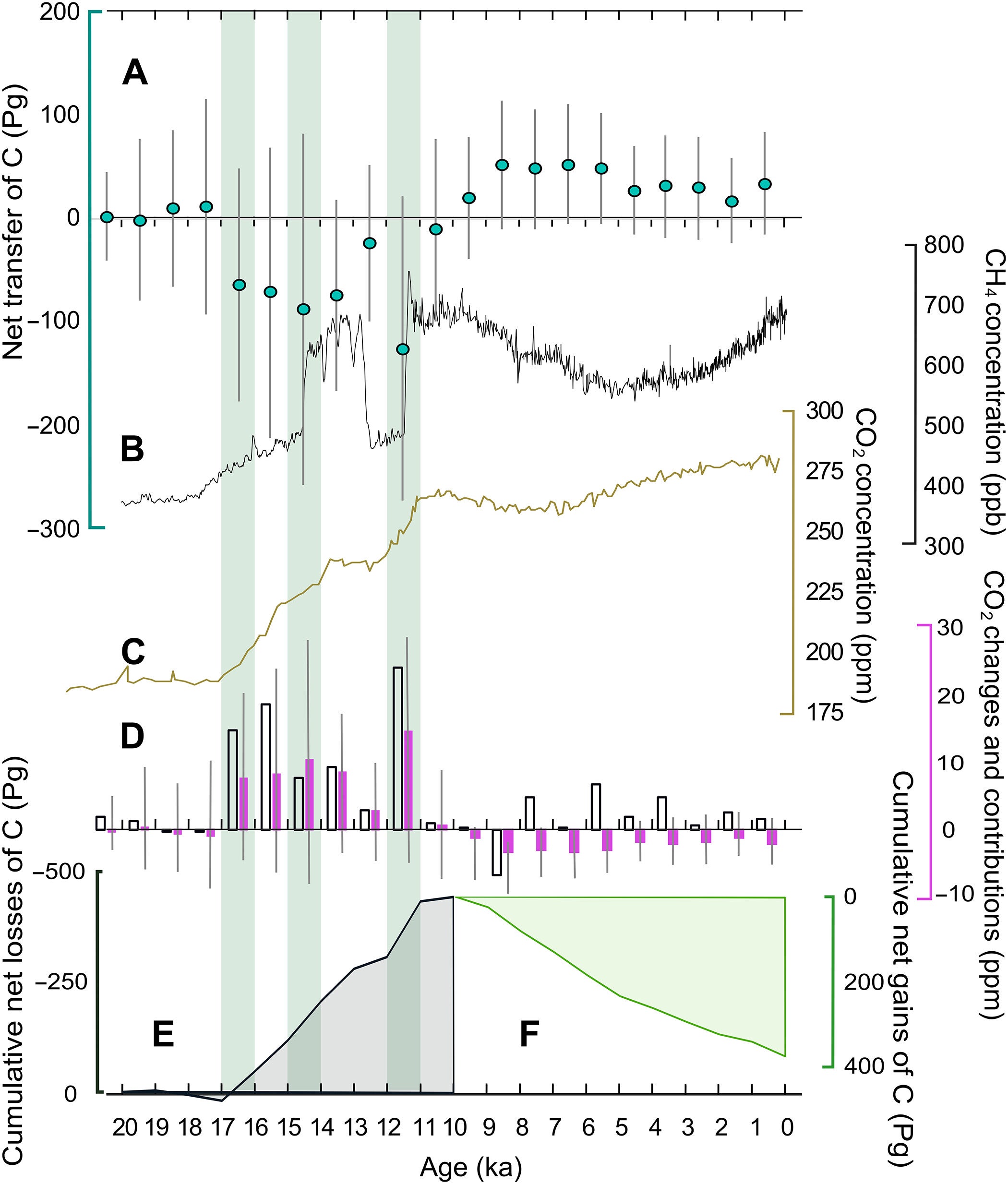
That suggests northern land emissions may have supplied a surprisingly large share of the total increase.
Ice core records provide a clear picture of how atmospheric carbon dioxide changed during this period.
At the height of the last Ice Age around 21,000 years ago, atmospheric carbon dioxide measured approximately 180 parts per million.
By about 11,000 years ago, concentrations had climbed to roughly 270 parts per million.
Scientists consider this rise part of Earth’s natural climate cycle.
Yet the study reveals that northern soils were not simply passive observers during this transition. Instead, they appear to have actively amplified atmospheric carbon dioxide increases as warming accelerated.
The findings help explain several rapid spikes in greenhouse gases recorded in ice cores.
During periods of abrupt warming, thawing permafrost may have delivered large pulses of ancient carbon into the atmosphere, contributing to swift climate shifts.
The story did not end with carbon release.
After the major thawing phase subsided, another natural process emerged that gradually helped restore balance.
Peatlands expanded across many northern regions during the Holocene, the current warm period that began about 12,000 years ago.
Peatlands form when waterlogged conditions slow decomposition, allowing dead plant material to accumulate over thousands of years.
These ecosystems are remarkably effective at storing carbon.
“We see that peatlands stored large amounts of carbon during the Holocene. Over time, the uptake in peatlands has actually compensated for the emissions that occurred from the permafrost,” Lindgren said.
According to the study, peatlands accumulated hundreds of billions of tons of carbon during the Holocene. Their growth offset much of the carbon released earlier from thawing frozen ground.
This natural balancing mechanism helps explain why atmospheric carbon dioxide remained relatively stable for thousands of years after the initial post-Ice Age rise.
Although the study focuses on events thousands of years ago, its implications extend directly into the present.
Human activity has dramatically altered the carbon cycle over the last 250 years. Since the Industrial Revolution, atmospheric carbon dioxide has increased from about 280 parts per million to roughly 420 parts per million today.
Unlike the slow natural changes that occurred after the last Ice Age, modern emissions are happening at a much faster pace.
At the same time, permafrost regions are warming again.
“There are extremely high levels of carbon dioxide in the atmosphere right now, and the permafrost is thawing as temperatures rise. What helped us the last time the permafrost decreased was increased carbon storage in peatlands and new land areas becoming available when the continental ice sheets retreated. In the future, we will have less land due to sea level rise, and it is difficult to see where we will store the carbon that will be released,” Lindgren said.
That concern highlights a key difference between past and present climate change. Ancient warming created new landscapes where carbon could accumulate. Future warming may not provide the same opportunities.
This study improves scientists’ understanding of how land ecosystems influence atmospheric carbon dioxide over long periods. It suggests that thawing permafrost is not merely a consequence of warming but can also become a powerful source of greenhouse gas emissions.
The findings will help researchers improve climate models by incorporating more realistic estimates of carbon stored in frozen soils. Better models can lead to more accurate projections of future climate change and its impacts.
For society, the research serves as a reminder that vast quantities of carbon remain locked in modern permafrost regions. As temperatures continue to rise, some of that carbon could enter the atmosphere, creating additional challenges for climate mitigation efforts.
The study also highlights the importance of natural carbon sinks such as peatlands. Protecting and restoring these ecosystems may play a valuable role in helping absorb carbon dioxide and maintain climate stability in the future.
Research findings are available online in the journal Science Advances.
The original story “Study reveals hidden role of permafrost in ancient climate change” is published in The Brighter Side of News.
Like these kind of feel good stories? Get The Brighter Side of News’ newsletter.
The post Study reveals hidden role of permafrost in ancient climate change appeared first on The Brighter Side of News.


Leave a comment
You must be logged in to post a comment.