Cucumber peel color can decide whether a fruit looks fresh, desirable, and worth buying. In many markets, especially in northern China, darker green cucumbers are preferred over paler ones. That makes skin color more than a cosmetic detail, and a new study suggests the difference between green and yellow peel runs deep into the cell.
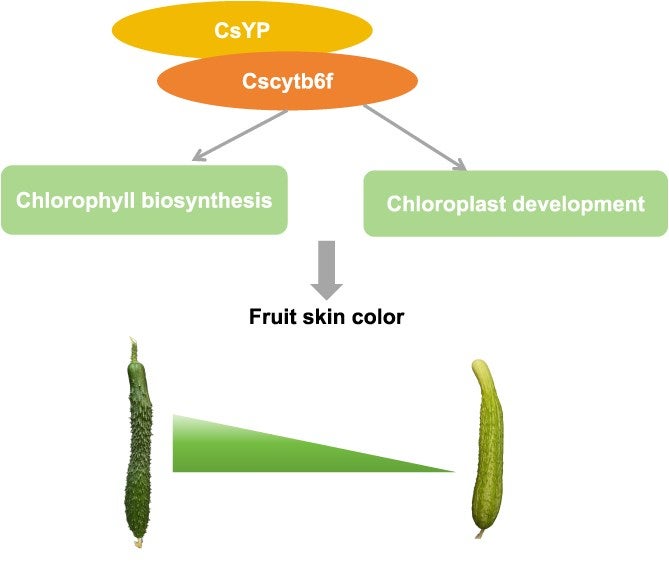
Reporting in Horticulture Research, a team from China Agricultural University, its Sanya and Yantai institutes, and the U.S. Department of Agriculture’s Agricultural Research Service traced that color shift to a gene called CsYP. Their work shows that the gene helps build and maintain chloroplasts, the structures that support pigment production. When CsYP is disrupted, chloroplasts develop poorly, pigment levels fall, and the fruit peel turns yellow.
The finding gives breeders a new genetic target in a crop where appearance strongly shapes market value, and it also points to a broader biological link between fruit color, chloroplast health, and iron-sulfur-related activity.
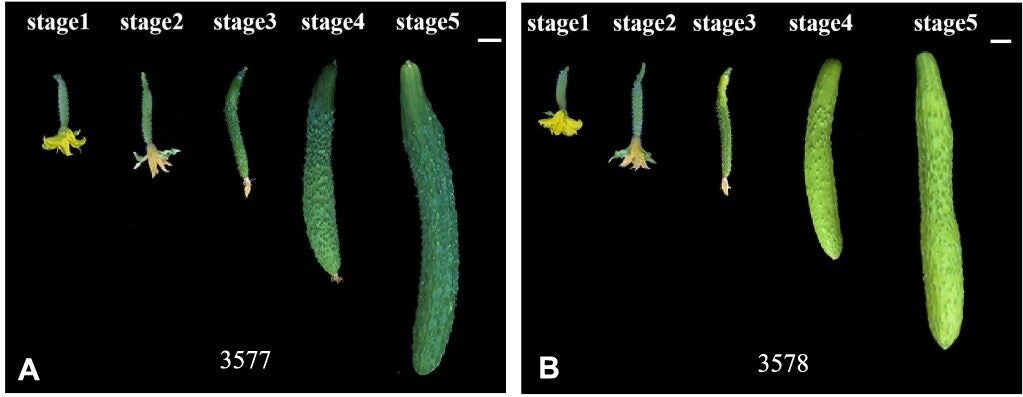
The researchers compared a green-peel cucumber line with a natural yellow-peel mutant and tracked the fruit across five developmental stages. The change did not appear right away. Yellowing became visible around six days after pollination, then grew more obvious as the fruit developed.
That timing mattered, because it gave the team a clear window to look for what was changing inside the peel.
Microscope images showed that mutant peel cells had fewer chloroplasts than the green type, and the ones that remained were malformed. At one magnification, chloroplast number dropped by 47.4 percent. At a higher magnification, the mutant chloroplasts looked shrunken and incompletely developed, with 48.8 percent fewer osmiophilic droplets, also called plastoglobules.
Pigment measurements told the same story. At the stage when yellowing first became visible, the mutant showed a 72.6 percent drop in chlorophyll a, a 75.1 percent drop in chlorophyll b, and a 71.1 percent drop in carotenoids. Earlier stages showed no significant pigment difference, which suggests the color shift begins when the fruit reaches a certain point in development, not from the start.
The genetics turned out to be unusually clear. Crosses between green- and yellow-peel cucumber lines showed that yellow peel behaved as a single recessive trait. In the F2 generation, 269 plants had green peel and 95 had yellow peel, fitting a 3:1 ratio. A backcross to the yellow parent produced a near 1:1 split.
From there, the researchers used bulked segregant analysis and fine mapping to narrow the trait to a 198.2-kilobase region on chromosome 1. Within that stretch, they identified CsYP as the strongest candidate.
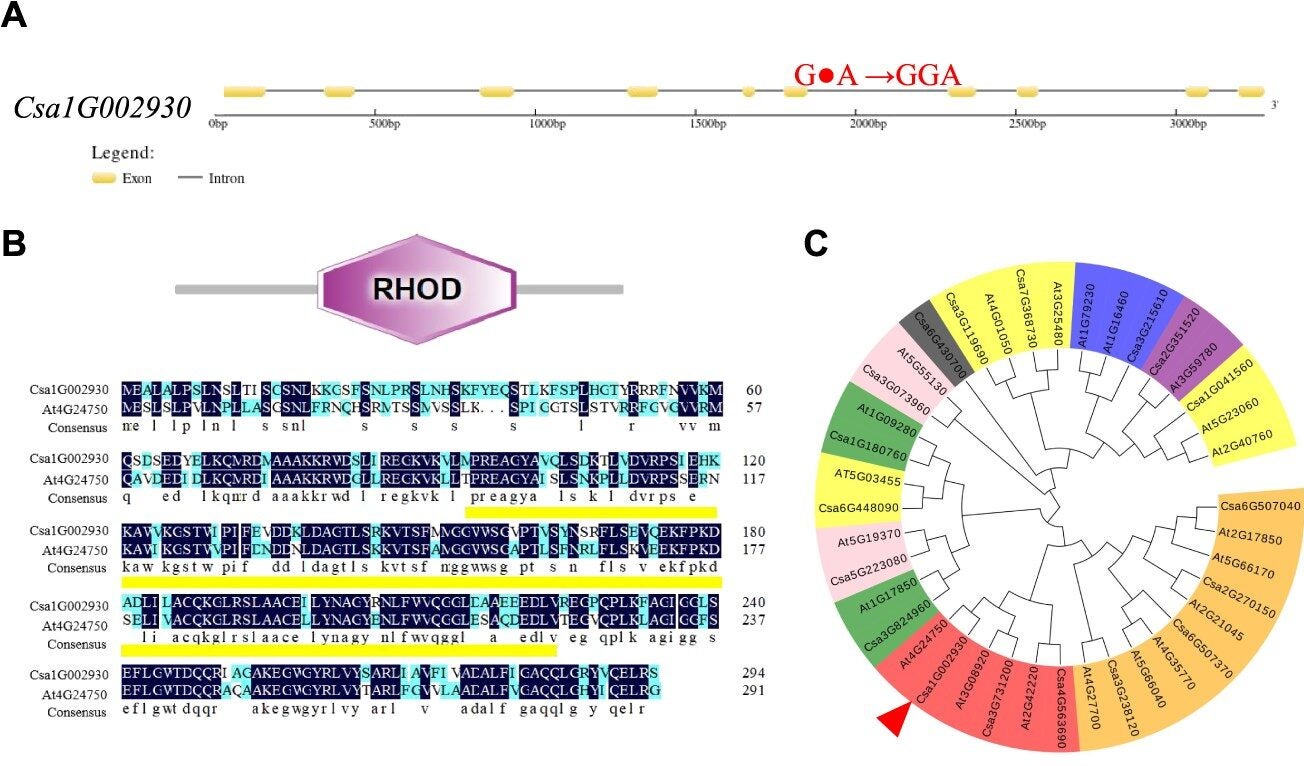
The mutation was small but decisive: a single guanine insertion in the gene’s sixth exon. That extra base caused a frameshift and prematurely stopped translation, producing an abnormal protein.
RNA sequencing strengthened the case. Among 42 genes in the mapped region, CsYP stood out because its expression dropped sharply in the yellow-peel material, falling by 78 percent compared with the wild type.
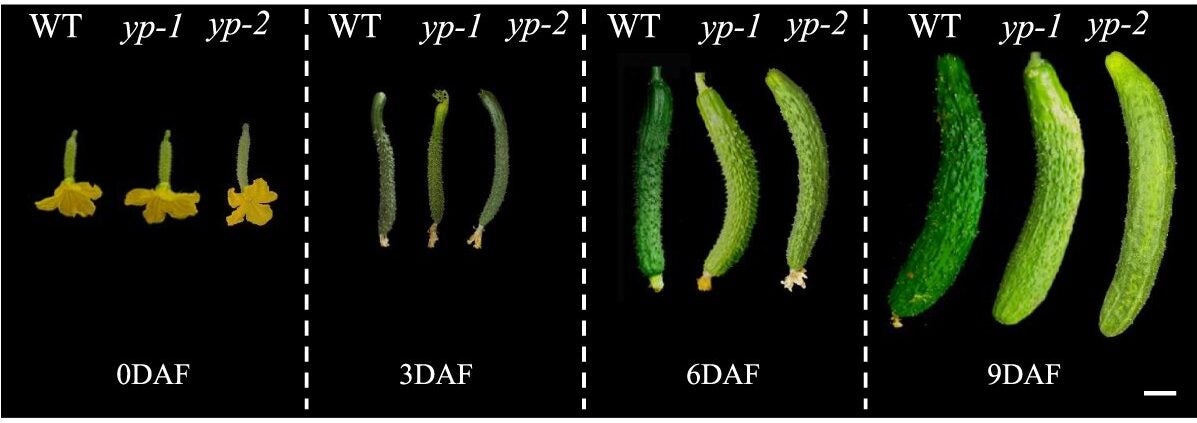
To test whether CsYP really caused the yellow peel, the team used CRISPR/Cas9 to knock it out in a green-peel background. The result was direct and hard to dismiss. Two edited lines, yp-1 and yp-2, developed yellow peel beginning at six days after pollination, matching the natural mutant.
The edited plants also showed the same internal problems. Their pigment levels fell, their chloroplasts were abnormal, and the number of osmiophilic droplets dropped. Together, those changes confirmed that CsYP is not just associated with peel color. It helps control it.
The work also suggests that what shoppers see on the outside is tied to a much deeper problem in chloroplast development. Green peel depends on functioning cellular machinery, not just on pigment genes working in isolation.
CsYP encodes a rhodanese-like protein, part of a group involved in sulfur transfer. The gene is highly similar to a related Arabidopsis gene that is also associated with chloroplasts. In the mutant cucumber, the altered protein had a markedly different predicted structure and lower enzyme activity.
The study then pushed further, asking how that protein might fit into chloroplast metabolism. Subcellular localization experiments placed CsYP in chloroplasts. Protein interaction tests showed that it interacts with Cscytb6f, a cytochrome b6-f complex iron-sulfur subunit. The team confirmed that interaction with yeast two-hybrid, luciferase complementation, and bimolecular fluorescence assays.
That matters because iron-sulfur clusters are essential cofactors in chloroplast biogenesis and photosynthetic electron transport. They help support basic cellular work, including electron transfer and enzyme function. In the yellow mutant, the Fv/Fm value, a measure tied to photosynthetic efficiency, was significantly lower than in the wild type.
The authors argue that CsYP may connect peel color to chloroplast metabolism through sulfur transfer and iron-sulfur protein function. In other words, the peel loses its green color not simply because pigment fades, but because the cellular system that supports pigment production and chloroplast performance is impaired.
That idea expands the picture of fruit color genetics. Earlier cucumber peel-color genes had already pointed to chloroplast formation and chlorophyll synthesis. CsYP adds another layer by bringing iron and sulfur-related pathways into the story.
Peel color is easy to spot in the field, but much harder to explain at the molecular level. That makes CsYP especially useful. The gene offers breeders a precise marker for a trait that affects consumer preference and commercial value.
It may also matter beyond cucumber. Because rhodanese-like proteins and iron-sulfur pathways are not unique to one crop, the findings could guide research into chloroplast development and fruit or vegetable coloration in other species.
The study does have limits. It identifies a strong gene candidate, confirms its function through gene editing, and shows interaction with an iron-sulfur-related protein, but some of the broader pathway details remain unresolved. Even so, the work moves peel-color research from surface appearance into the inner workings of the chloroplast.
For cucumber breeding, the clearest value is practical. CsYP gives breeders a defined gene linked to stable green peel, a trait that can shape consumer appeal and price.
The study also suggests that peel color may reflect deeper aspects of chloroplast performance, which could matter for fruit quality more broadly.
Beyond cucumbers, the work opens a new line of inquiry into whether iron and sulfur metabolism helps govern color traits in other horticultural crops.
Research findings are available online in the journal Horticulture Research.
The original story “Why some cucumbers stay green while others turn yellow” is published in The Brighter Side of News.
Like these kind of feel good stories? Get The Brighter Side of News’ newsletter.
The post Why some cucumbers stay green while others turn yellow appeared first on The Brighter Side of News.


Leave a comment
You must be logged in to post a comment.